 Murat Sofuoglu
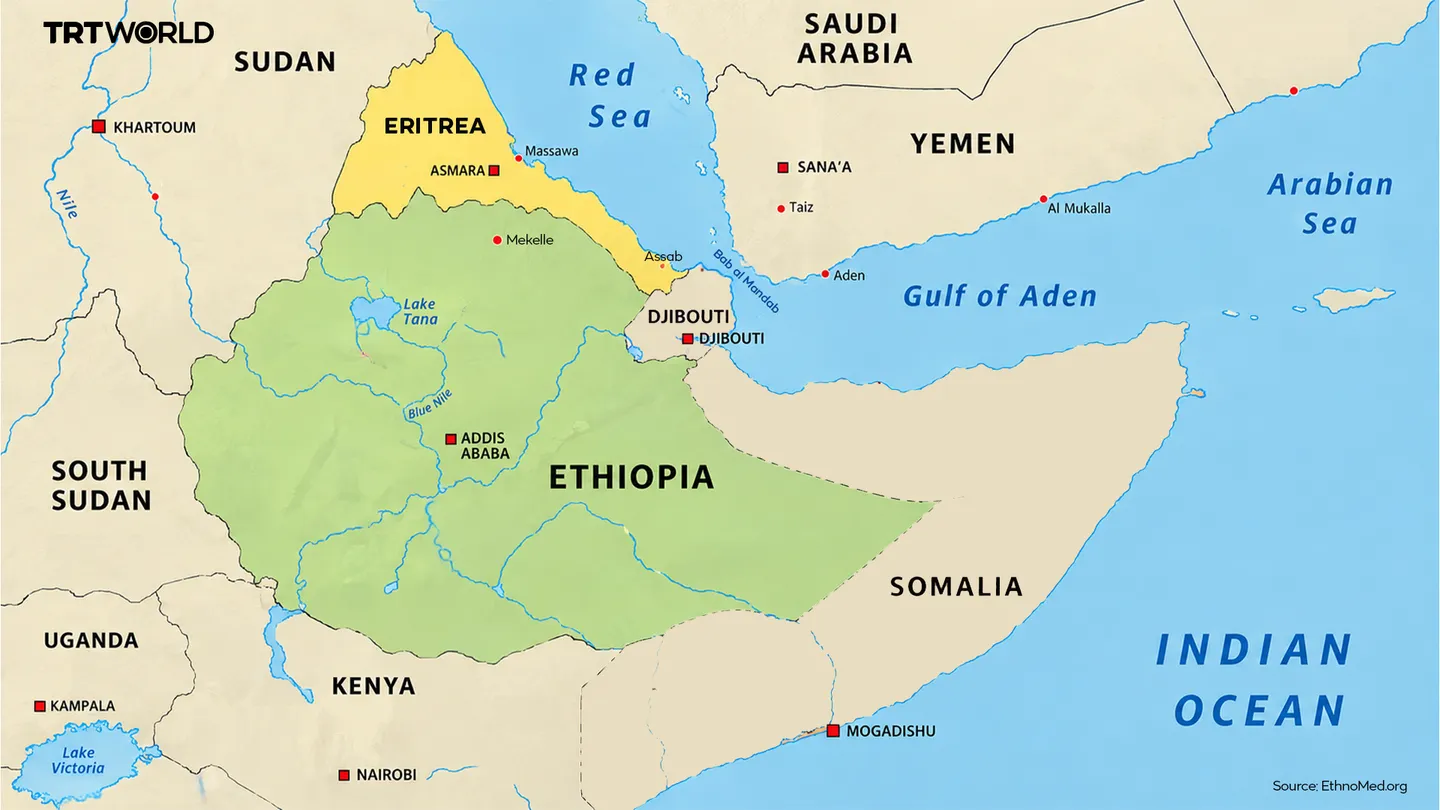
Eritrea and Ethiopia, two neighbouring countries in the Horn of Africa, have a long history of conflict in a region of growing strategic importance due to its proximity to the Red Sea and the Bab al Mandab Strait, a vital global maritime chokepoint.
Eritrea’s three-decade war of independence from Ethiopia, fought between 1961 and 1991, resulted in hundreds of thousands of deaths on both sides. Unresolved border disputes later triggered another war between the two countries from 1998 to 2000.
In 2018, the two countries signed a peace agreement that ended the two-decade stalemate. The breakthrough earned Ethiopian Prime Minister Abiy Ahmed the 2019 Nobel Peace Prize.
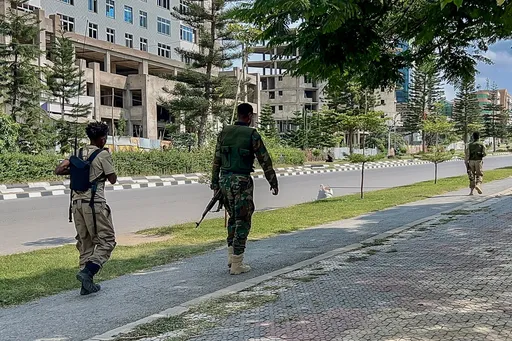
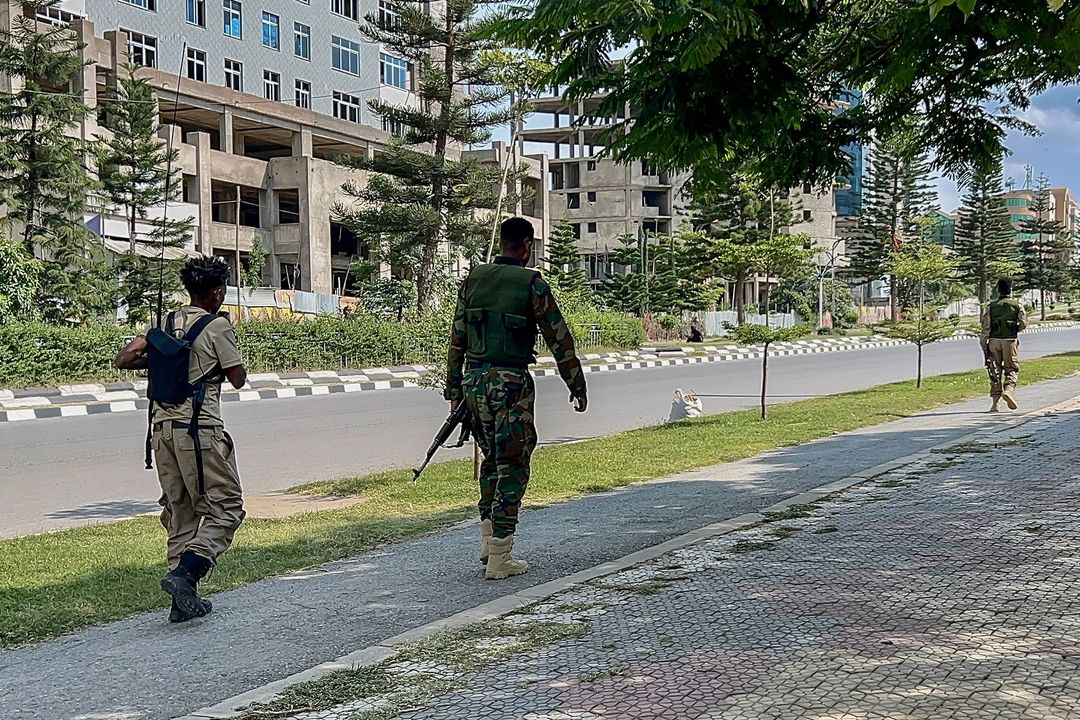
But the same Ethiopian leader now faces the prospect of another military confrontation with Eritrea, which has reportedly deployed its forces in northern Ethiopian towns as it seeks to align with Tigray rebel forces fighting against Addis Ababa.
“Tensions between the two countries are escalating largely because all sides have their own reasons,” says Yunus Turhan, an associate professor at Haci Bayram Veli University who specialises in Gulf-Africa relations.
According to Turhan, Eritrea's shifting position in Ethiopia's internal conflict, from supporting the central government to backing the Tigray rebels, has coincided with landlocked Ethiopia's ambitions to gain access to the Red Sea, further escalating tensions between the two neighbours.
Current global economic dynamics have made maritime security a geopolitical priority, intensifying competition among regional and global powers over strategic chokepoints such as the Bab al Mandab Strait.
“The Horn of Africa sits on this route giving local disputes wider strategic weight,” pulling both global attention and foreign intervention into its conflicts, says Turhan.
‘Worst assumptions’
Asmara, which was excluded from the 2022 Pretoria peace negotiations between the Abiy government and the Tigray rebels, has closely followed developments in the war-torn Tigray region, which borders Eritrea, according to Turhan.
Although Eritrea supported Abiy's government against Tigray rebels during the previous conflict, its position began to shift as Ethiopia increasingly turned its attention to Assab, a strategically important Eritrean port on the Red Sea.
Despite internal divisions and some defections to the Ethiopian government, the Tigray People's Liberation Front (TPLF), the main rebel group opposing Addis Ababa's policies, has remained active even after the Pretoria agreement, Turhan says.
According to Turhan, Eritrea came to see the TPLF as a natural ally in its efforts to prevent Ethiopia from seizing Assab.
“The timing of the current escalation is hardly coincidental,” he adds, referring to the recent formation of an alliance between the TPLF and six other opposition groups seeking to oust Abiy.
But Turhan also points to Abiy's ability to rally different factions around his leadership by turning contentious issues into national causes.
These range from the construction of the Grand Ethiopian Renaissance Dam, which heightened tensions with Egypt, to Ethiopia's ambitions for Red Sea access, which have contributed to the current escalation with Eritrea.
On October 5, during a parliamentary speech after being sworn in for another five-year term, Abiy again raised the sensitive issue of Ethiopia's access to the sea. Referring to the country's landlocked status, he said a nation of 130 million people could not live in a "geographic prison", remarks Asmara could interpret as a potential threat.
Ethiopia, meanwhile, may view the formation of the new rebel alliance as evidence of Eritrean interference in its internal affairs.
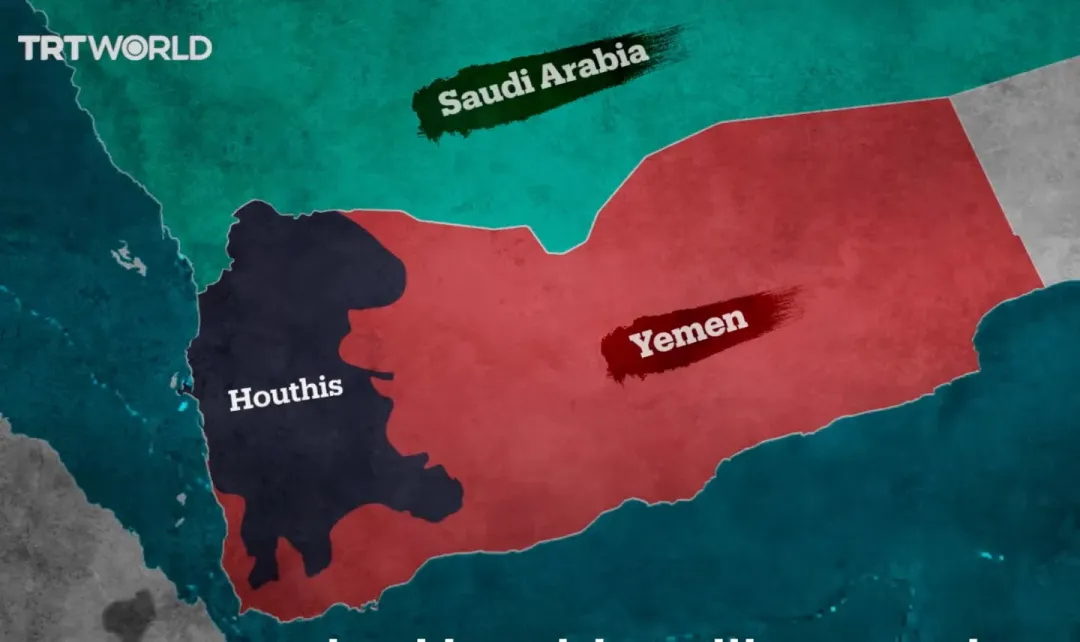
Against this backdrop of growing mistrust, compounded by the ongoing war in Yemen across the Red Sea from Eritrea, “each move by either side is taken by the other as confirmation of its worst assumptions,” Turhan tells TRT World.








Red Sea access
Eritrea and Ethiopia did not sign a peace treaty after the civil war ended in 1991. Two years later, Eritrea held a referendum that paved the way for its independence.
After the 1993 referendum, the two countries signed the Friendship and Cooperation Agreement and the Transit and Port Services Agreement.
These agreements recognised Eritrea's sovereignty over its Red Sea coastline while granting Ethiopia tax-free and customs-free access to the Eritrean ports of Assab and Massawa.
However, Ethiopia’s current leadership questions the legitimacy of the 1993 agreements, arguing that the transitional authorities at the time lacked the constitutional mandate to make binding decisions concerning the country’s territorial sovereignty, particularly over the port of Assab, says Kaan Devecioğlu, coordinator of North and East African Studies at ORSAM, an Ankara-based Turkish think tank.
“Ethiopia’s current leadership argues that the two countries need to negotiate a new agreement on access to the Red Sea,” Devecioğlu tells TRT World.
He says that reports of Eritrean troops allegedly entering Ethiopian territory, coupled with accusations of Eritrean support for armed opposition groups, could provide Addis Ababa with an opportunity to invoke Article 51 of the UN Charter and frame potential military operations as acts of self-defence.
Under such a scenario, Ethiopia might seek to extend its military operations toward Assab and other strategically important border areas, potentially linking its security concerns to its longstanding ambitions for Red Sea access, he argues.
As tensions escalate in the Horn of Africa, external actors are also playing an increasingly important role in shaping regional dynamics, Devecioğlu notes.
He says that the UAE and Israel, given their strategic ties with Ethiopia, may have interests that align with Addis Ababa's position in its ongoing tensions with Eritrea, although this does not necessarily imply direct involvement or explicit support in the current conflict.
On October 4, the leaders of Eritrea, Somalia, Egypt and Sudan issued the El Alamein Joint Declaration, reaffirming their commitment to regional sovereignty and territorial integrity while asserting that coastal states alone govern the Red Sea.
Sudan has been engulfed in civil war since April 2023, while Somalia has been grappling with Somaliland's separatist ambitions, which have received public backing from Israel.
This can not be "coincidental", says Devecioglu signalling potential support to Eritrea from Somalia, Egypt, which have issues with Ethiopia over its big dam project that might cut Cairo’s access to the Nile River, and Sudan, where UAE back the paramilitary Rapid Support Forces (RSF) against Sudanese Armed Forces.
Turhan shares Devecioglu's assessment.
He says Egypt has developed an alliance with Eritrea and Somalia, while Saudi Arabia reportedly leans toward Asmara.
According to Turhan, the Al Alamein declaration makes clear that “the Red Sea governance belongs to coastal states alone, a rebuff to Addis Ababa”.
“The Nile dispute and Sudan's war bind these camps together, turning Assab port quarrel into a regional proxy contest,” he says, emphasising that Ethiopia's pursuit of Red Sea access has become both a cause of the latest escalation with Eritrea and a factor intensifying it.
“Open war becomes likely if Eritrean units fight openly inside Tigray or if Ethiopian strikes reach Eritrean soil,” Turhan tells TRT World.
“Any move toward Assab would be the point of no return”, potentially transforming Ethiopia's internal tensions into a direct war with Eritrea and drawing regional powers into the conflict, he adds.