Democratic lawmakers have challenged head of the US Navy, accusing him of acting as a White House "yes man" on the war with Iran and downplaying its psychological toll on service personnel following eight suicide attempts aboard an aircraft carrier.
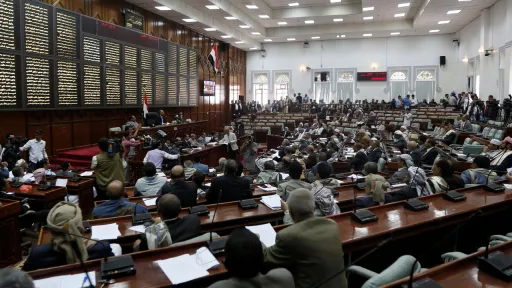
Tuesday’s contentious confirmation hearing before the Senate Armed Services Committee offers an early glimpse into the heightened scrutiny facing the administration before Democrats assume majority control of the chamber in January following midterm election victories.
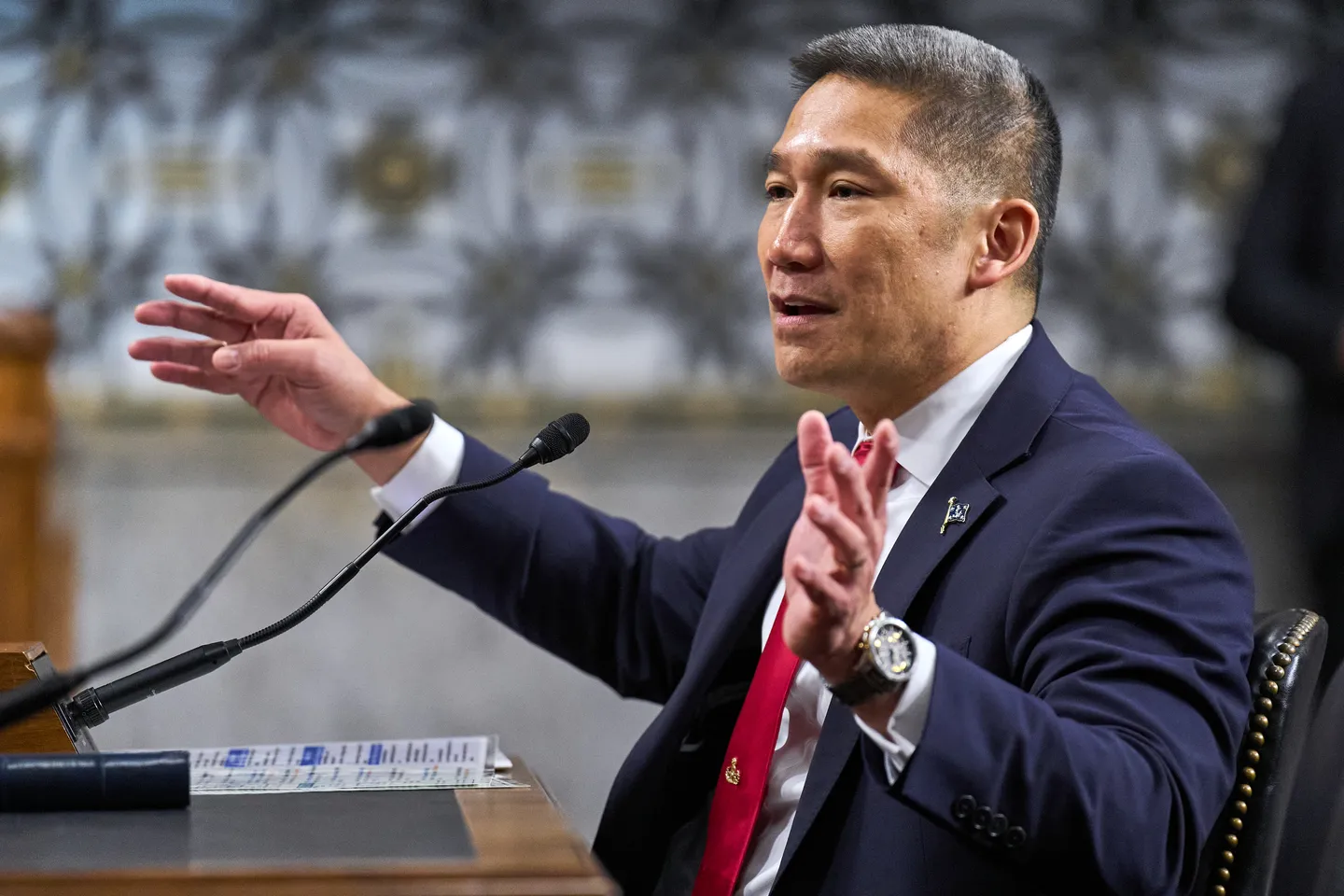
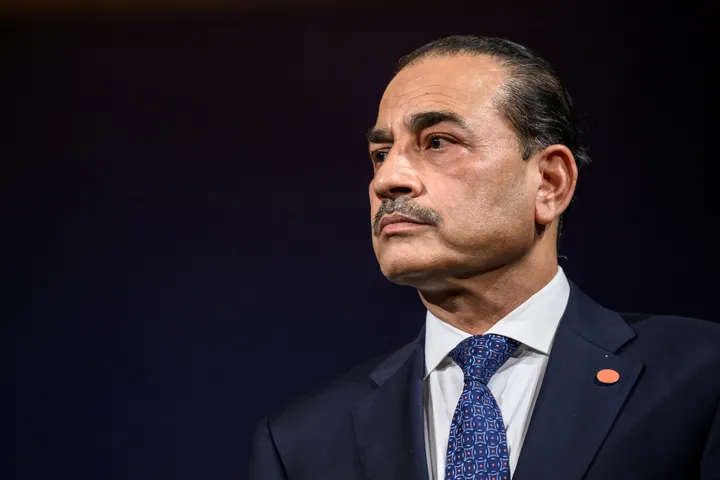
Acting Navy Secretary Hung Cao, seeking Senate confirmation to secure the permanent post, faced sharp questioning regarding naval operations in the Middle East.
Lawmakers pressed him on the financial burden of the ongoing naval blockade against Iran and structural damage sustained at regional naval headquarters during Iranian strikes.
Cao admitted that "This war, again, I know it is a strain on our Navy," adding, "it has really set China back on their heels" to see all the military services work together.
Senator Elizabeth Warren, a Democrat from Massachusetts, grilled Cao on the costs of the Iran war, noting that independent estimates or media reports say the naval blockade on Iranian shipping costs about $32.5 million a day and Iranian strikes on the Navy’s regional headquarters in Bahrain did at least $400 million in damage.
Cao confirmed the figure for the blockade but said he could not offer a full damage assessment in Bahrain because "it’s a nonpermissive area for us to go," despite telling a reporter months ago that Iran "blew the hell out of Bahrain."
Carrier conditions, mental health
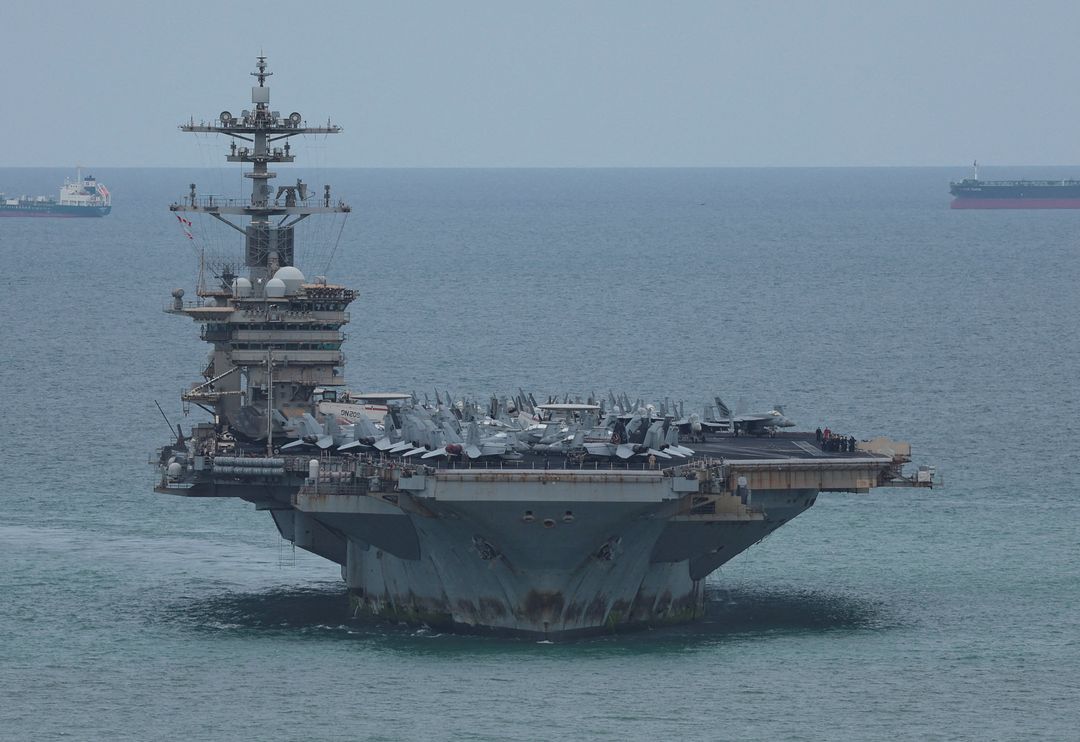
Scrutiny intensified around conditions aboard the USS Abraham Lincoln carrier strike group.
Senator Kirsten Gillibrand questioned Cao over an incident involving a sailor who went overboard.
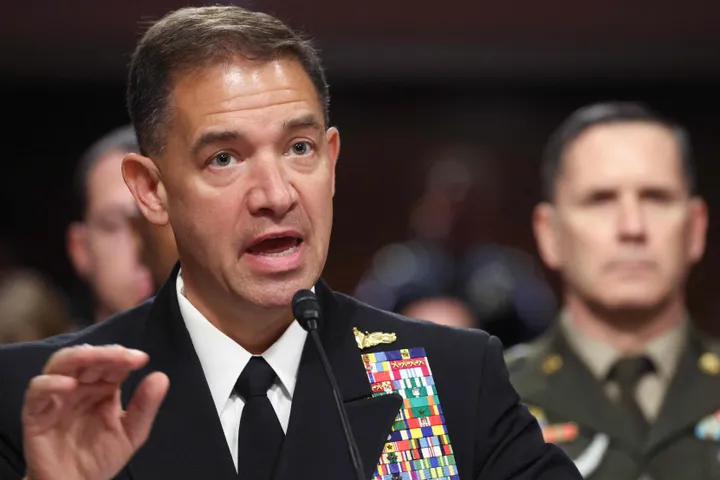





When Cao insisted the sailor "was not trying to kill himself" because he deployed a life preserver, Gillibrand replied: "What was he trying to do? Swim to Guam? I think you are minimizing what mental health strain is on these service members."
Republican Senator Tom Cotton defended military morale, citing early recruitment milestones.
However, Senator Jack Reed pointed to rising qualification waivers, asking if the service was "sacrificing quality for quantity."
Cao, who retired as a captain in 2021, requires a congressional waiver himself to bypass the mandatory seven-year civilian cooling-off period.
The exchange underscored broad domestic friction over the protracted military campaign in the Gulf.
The Navy continues to sustain a naval blockade and conduct operational attacks against Iranian targets, with a third aircraft carrier recently deployed to Gulf waters to maintain continuous maritime patrols.
Attacks intensfiy
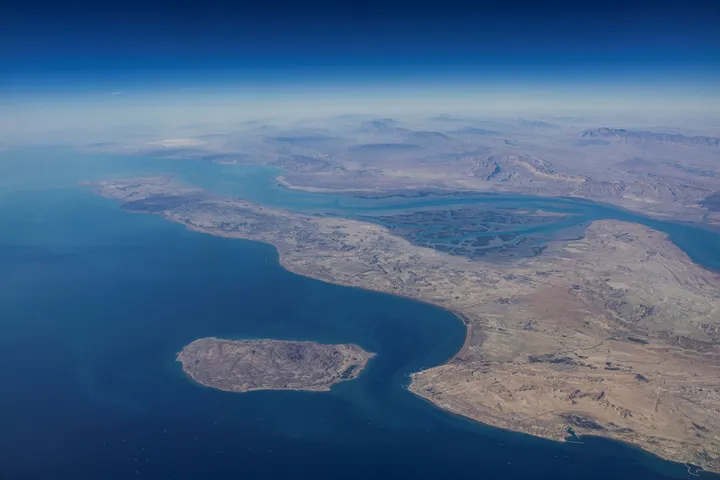
The hearing came as US struck Iran's Qeshm Island in the Strait of Hormuz, hours after Tehran's Revolutionary Guards said they launched an attack on a base in Bahrain used by Washington.
The strait — a key route for oil and gas shipments — has become the focus of the stalemated Middle East war, with the US military working to protect ships transiting the waterway in defiance of Iran's attempts to close it.
Outright fighting in the war, which began in late February, has largely subsided, but there has been no peace deal and the United States continues to blockade Iranian ports and cutting off its oil exports.