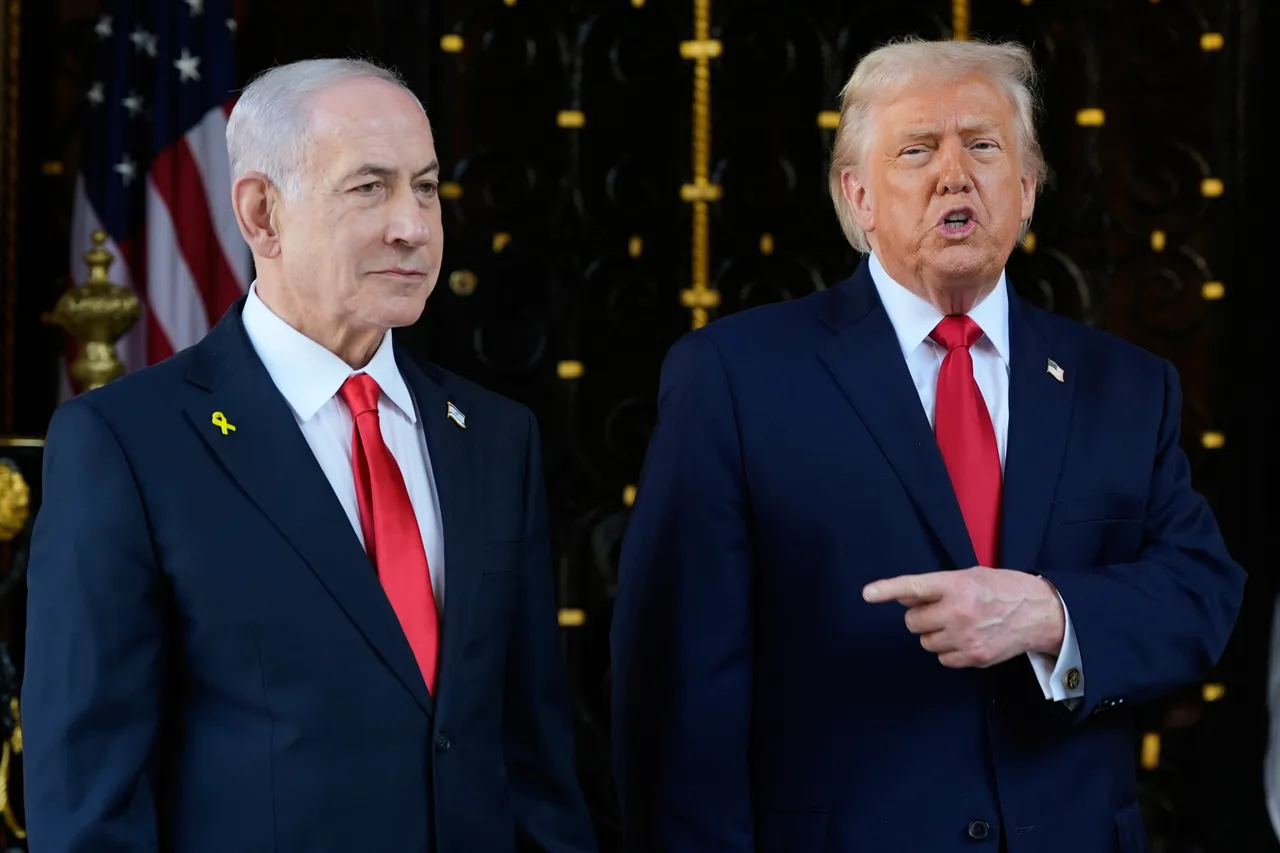
Israeli Prime Minister Benjamin Netanyahu has said that he has told US President Donald Trump that Israel reserved the right to defend itself against Iran at any time, despite Trump's public objections to Israeli attacks on Iran.
"Israel has a full right to self-defence, and we are exercising it as required. I say this to you, just as I say it with appreciation and respect in my good conversations with my friend President Trump," Netanyahu said in a televised statement on Monday.
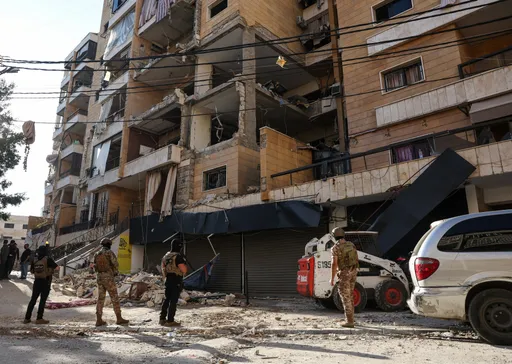
Netanyahu’s remarks came a day after Israel bombarded Lebanese capital Beirut, despite warnings from both Trump and Iran.
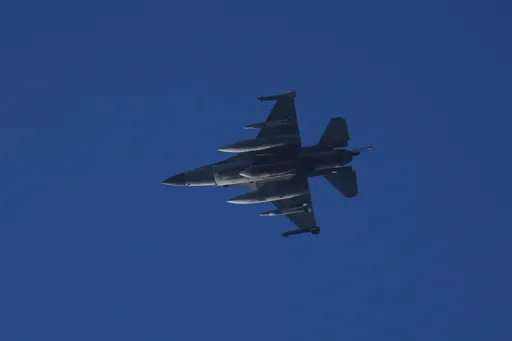
Following Israeli attacks on Beirut's southern suburbs, Iran responded with a barrage of missiles towards Israel, where some officials in turn called for a relentless response.
"Tonight Tehran must burn!" demanded extremist Netanyahu ally, Itamar Ben Gvir.
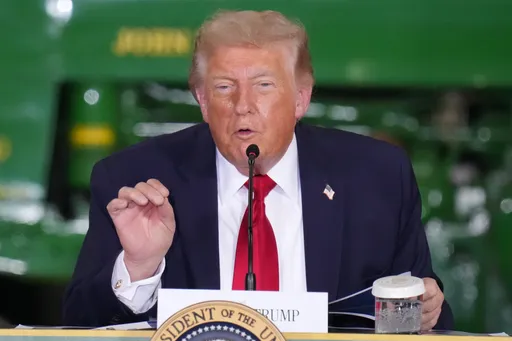
Trump, however, told the Financial Times shortly after the strikes on Sunday that Israel "won’t have any choice" but to accept any potential deal to end the war with Iran.
"I call the shots. I call all the shots. He (Netanyahu) doesn’t call the shots," he said, referring to his Israeli counterpart.
Trump called on Israel not to respond to Iranian missiles, telling Israel's Channel 12 in an interview that he warned Netanyahu that he could be left alone against Iran soon if escalations continue.
"I told Bibi, you'd better be careful what you do, because you could be left alone against Iran very soon."
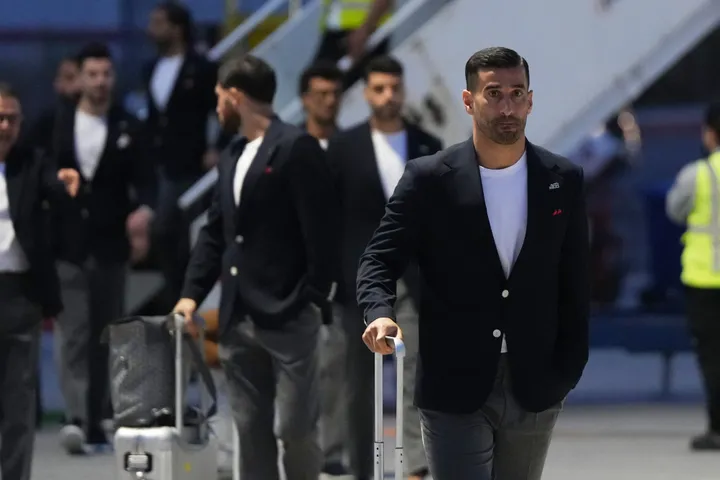


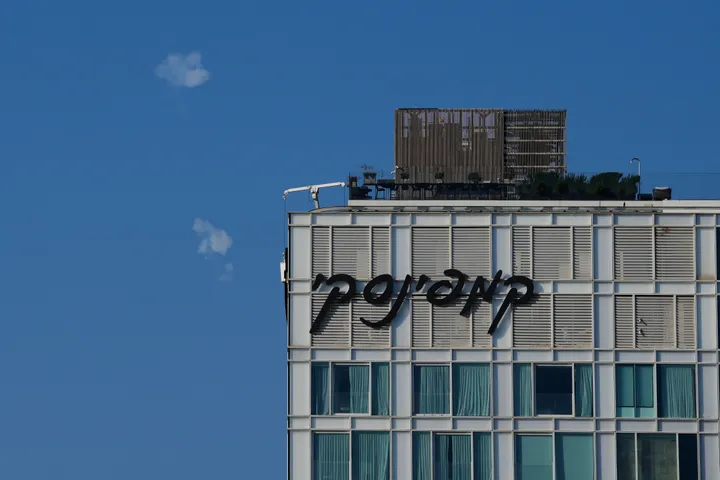




Yet, Netanyahu proceeded with attacks on Iran, despite warnings from Trump.
The Israeli military said on Monday that its chief of staff was "in close contact" with his US counterpart.
Israel and Iran say they are pausing fire — for now.
Deal with Iran
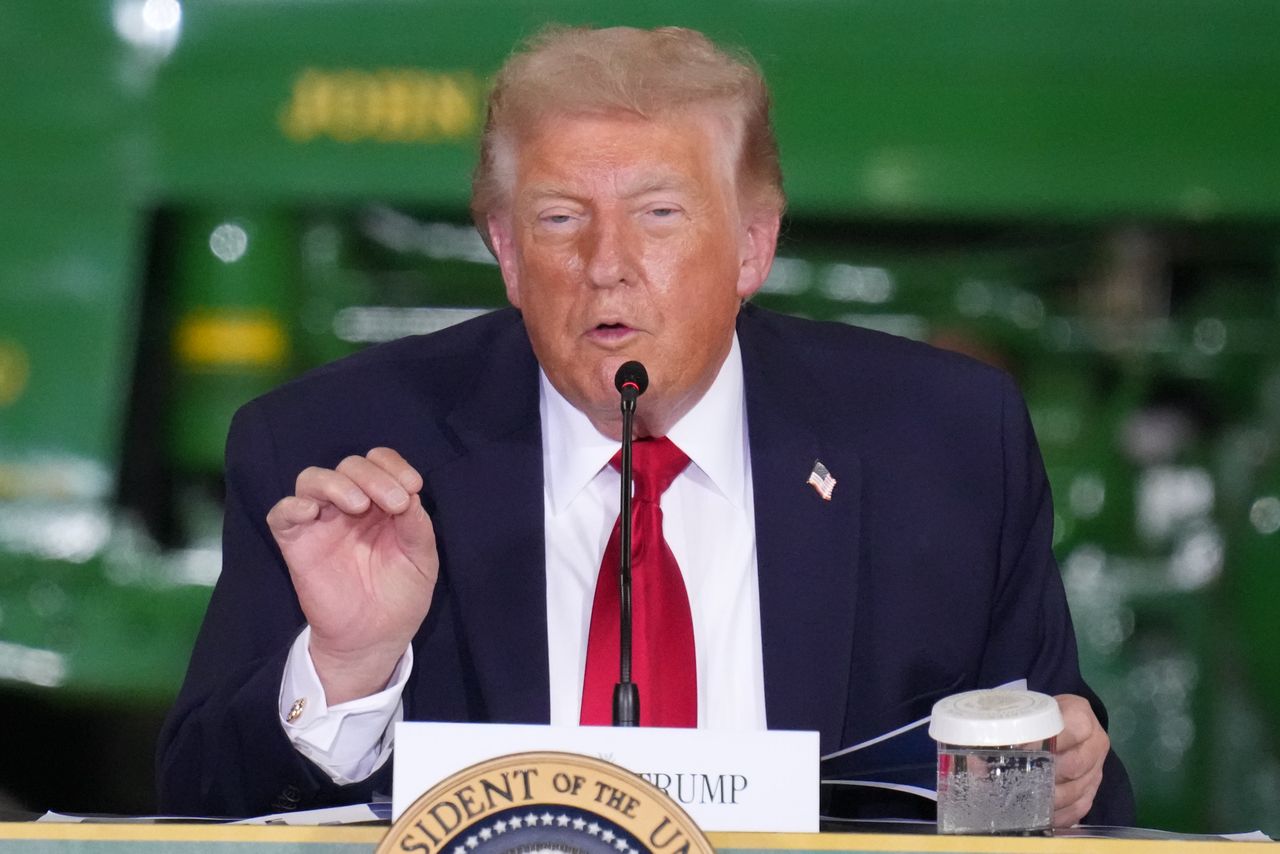
Trump has been trying to reach a negotiated settlement with Iran.
He has publicly prodded Netanyahu to refrain from actions that could scupper the talks, including by holding fire in Lebanon, which Israel invaded part of it in March.
Iran says it will not agree to any peace deal with Washington unless a ceasefire also holds in Lebanon.
Last week Netanyahu called off attacks on Beirut after a phone call with Trump. Trump later confirmed he had called the Israeli leader "F****** crazy" in the heated exchange.
Netanyahu's domestic critics accused him of effectively surrendering sovereignty by restricting Israeli attacks to sustain US negotiations, without a seat at the table.
Arguing for a return to fighting instead of a US-Iran agreement seen as inevitably unfavourable to Israel, both Netanyahu's opponents and his allies have repeatedly reminded him of a statement he made in 2024: "A prime minister in Israel should be able to say no, even to our best friends."
In a BBC interview on Monday, Trump denied that Netanyahu had defied him.
Trump stressed that he persuaded Netanyahu to end the strikes on Iran, citing "a very good deal" with Tehran, adding, "If I tell him to do something, he does it."