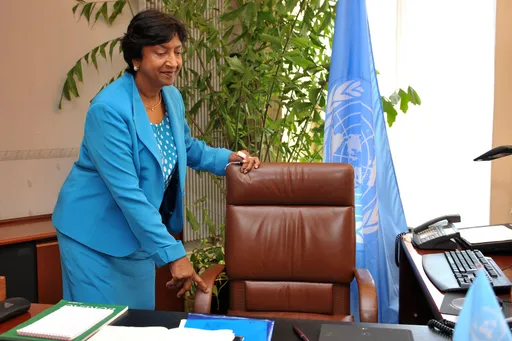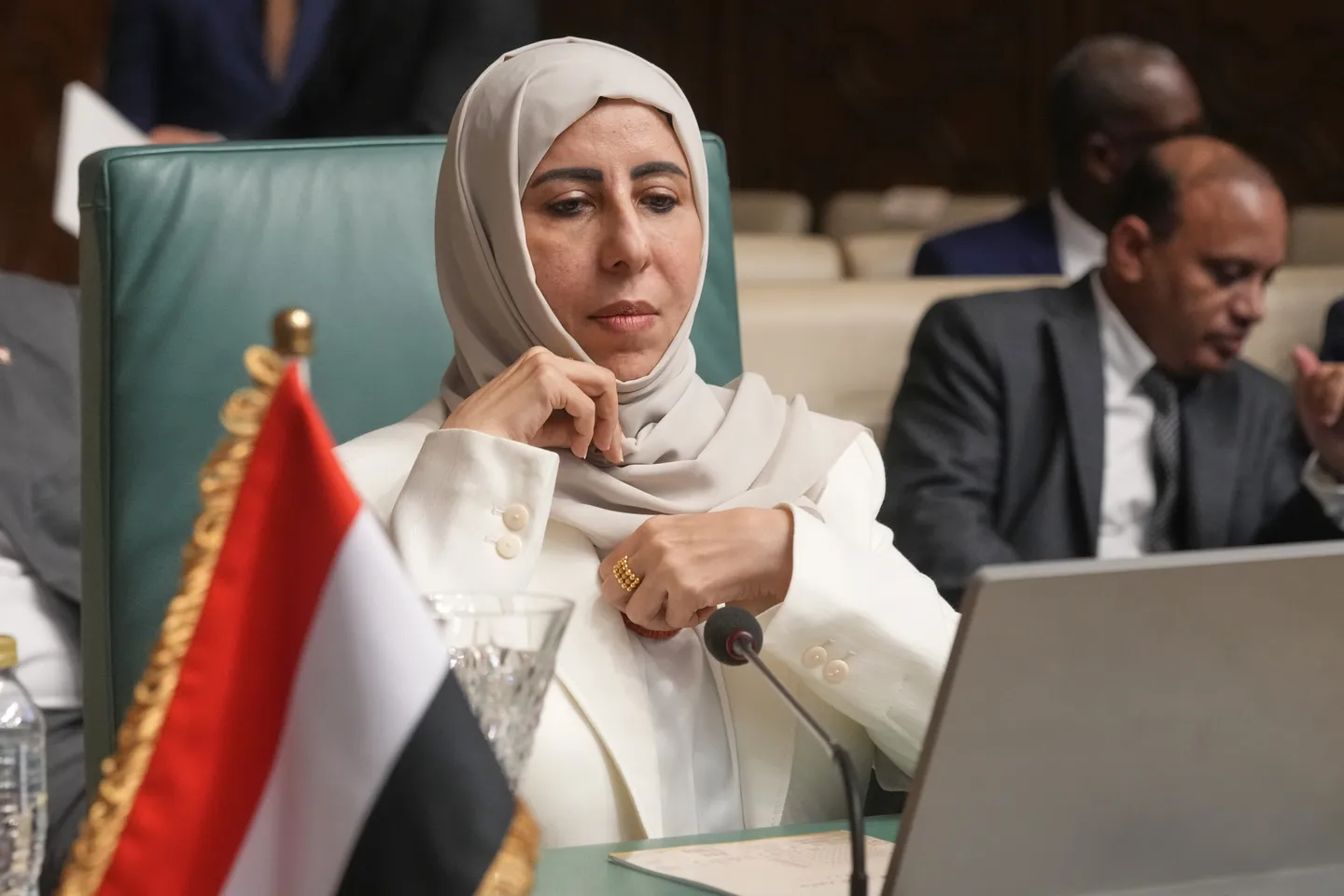
Yemen has rejected serving as an "Iranian bargaining chip" or an arena for settling regional scores, Foreign Minister Afrah al-Zouba announced, describing the country's strategic partnership with Saudi Arabia as "firm".
Speaking in an interview published by Yemen's official Saba news agency, al-Zouba addressed escalating front-line clashes between government forces and Iran-backed Houthis across multiple provinces.
"Restoring Yemeni state institutions is a pillar of Yemen's security, regional stability and the safety of maritime routes, and the government is dealing with the repercussions of recent developments responsibly and with commitment," she said.
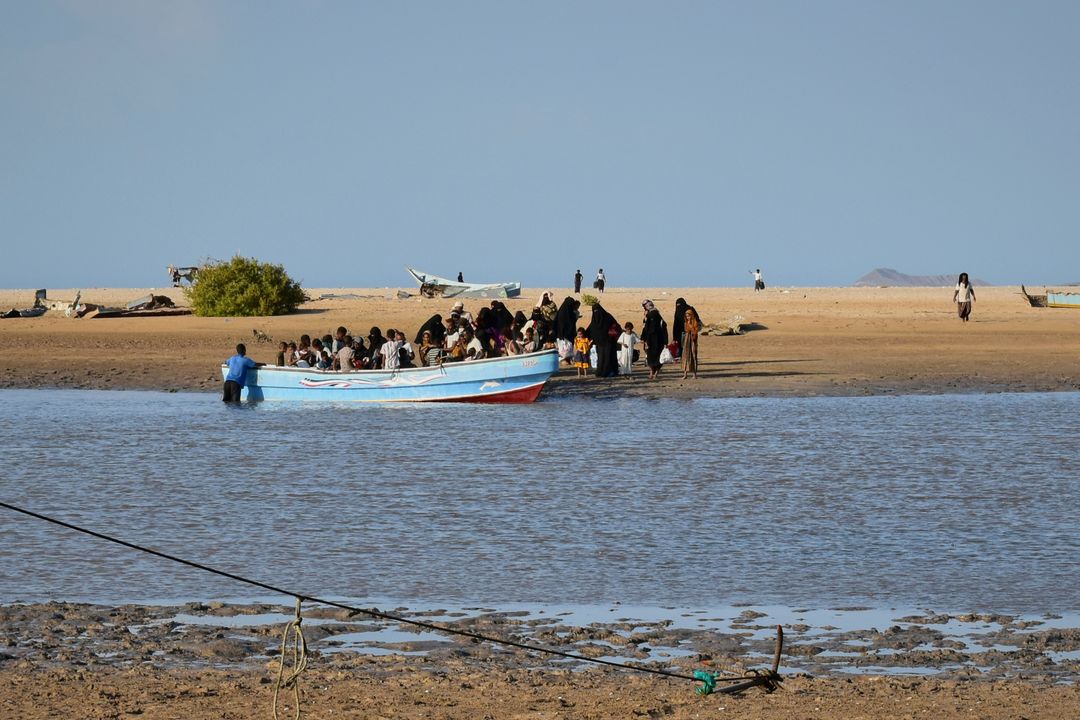
Al-Zouba explained that the leadership is pursuing an "integrated deterrence" strategy combining military action, civilian protection, state institutional restoration, diplomacy, and expanded humanitarian aid.
Integrated deterrence




Addressing threats in the Red Sea and Bab al Mandab, al-Zouba insisted: "Military control of a location does not create a right to control navigation. Yemeni sovereignty over its territory and islands does not change by force, and the passage of a vessel under threat does not mean freedom of navigation is secure."
Praising Riyadh, al-Zouba stated: "The partnership with the Kingdom is firm, and Saudi Arabia's role in supporting the Yemeni state represents an important pillar for Yemen's security and regional stability."
She also affirmed ongoing coordination with Egypt and welcomed Russia's stance at the UN Security Council defending maritime transit.
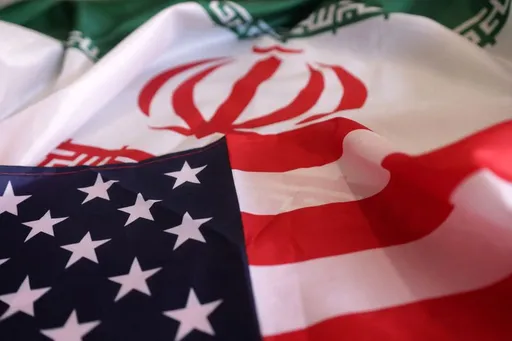
Condemning Tehran's weapons support for Houthis, al-Zouba stressed: "Yemen is not compensation for anyone's loss in another arena, nor an arena for settling scores, nor a bargaining chip for any regional power to improve the terms of regional negotiations."
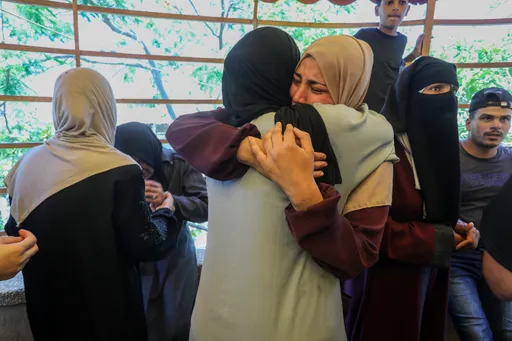
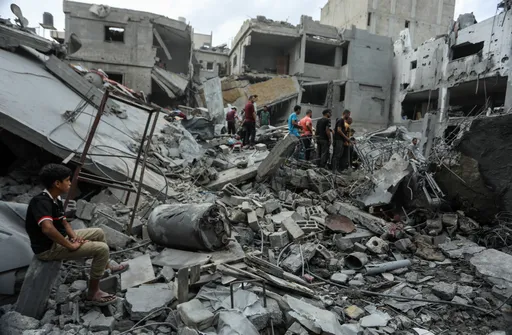
The statement comes amid heavy fighting across Taiz, Marib, Al-Jawf, Al-Bayda, and Lahj—the fiercest clashes since the April 2022 truce.