The US government is preparing to livestream a man’s execution by firing squad — the first in decades — turning a military killing into something the public can watch unfold on screen.
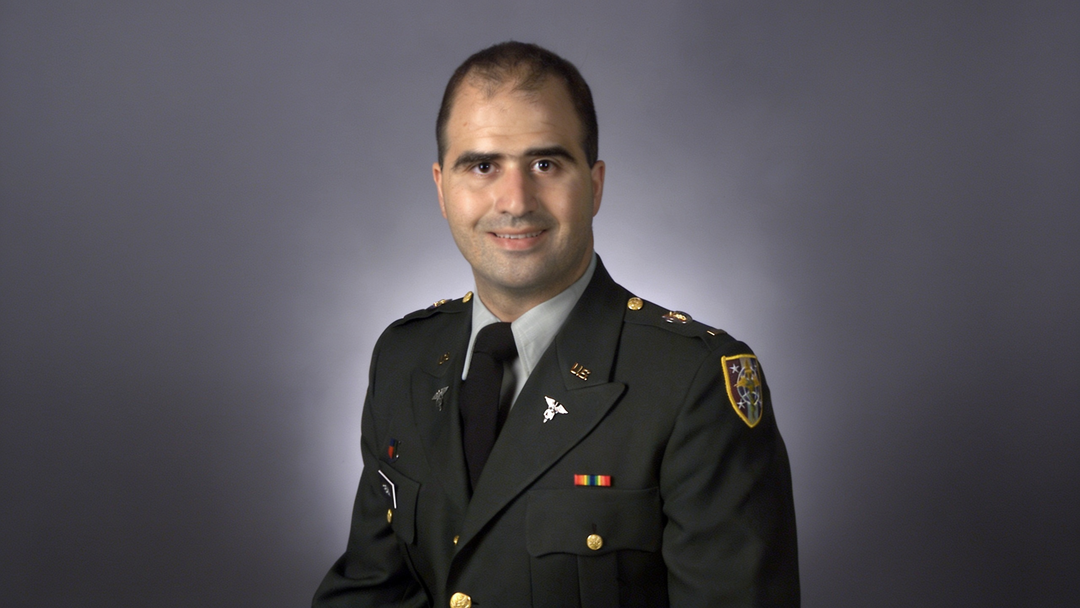
The Pentagon says the execution of Nidal Malik Hasan, the former Army psychiatrist convicted of killing 13 people in the 2009 Fort Hood shooting, is planned for December 3. But the decision to broadcast it has triggered a question that goes far beyond the death penalty: why does the government want an audience for an execution?
Even some supporters of capital punishment are recoiling at the prospect. Critics say the livestream risks turning the deliberate taking of a human life into a public spectacle, raising uncomfortable questions about what the state wants viewers to see and what watching such an event is supposed to achieve.
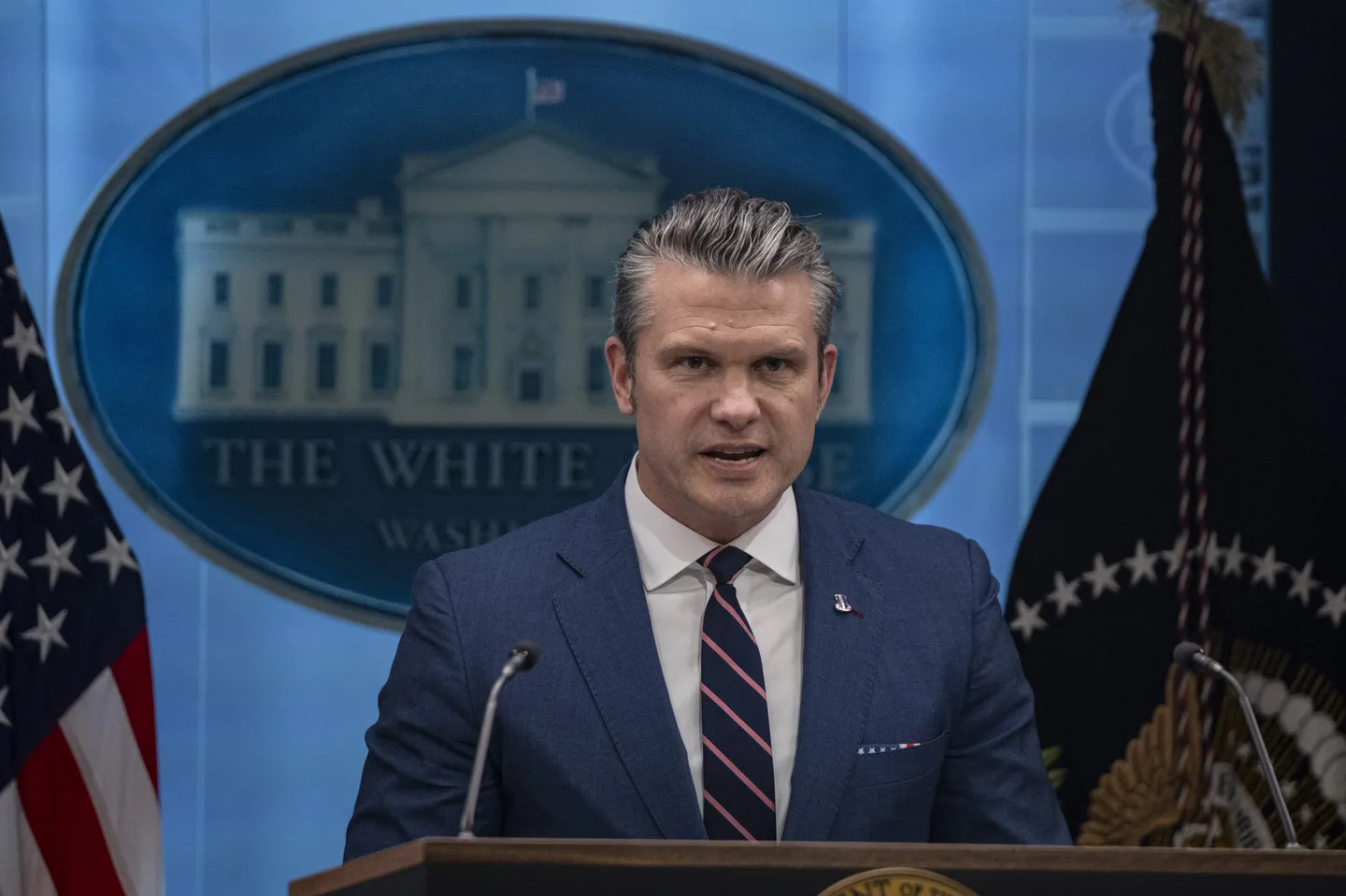
Defense Secretary Pete Hegseth has defended the decision as a way to demonstrate the serious consequences of such crimes.
One of the most striking reactions came from Alyssa Farah Griffin, a television host and former official of US President Donald Trump’s administration who has said she supports capital punishment.
Livestreaming an execution, she argued, however, was “toxic for society” and “bad for the human soul” of those watching.
This execution plan would represent a significant departure from modern US practice, in which executions have generally been conducted privately. The United States has not held a public execution since 1936.
The planned firing squad would be the first US military firing-squad execution since 1945.
Actor Henry Winkler also expressed disbelief at the announcement, writing on X: “Live execution?? Is this where we are now?”

Novelist Joyce Carol Oates raised questions about the consequences for viewers, particularly children, and the lasting effect of witnessing a person being killed by the state.
Democratic lawmakers have also questioned the decision.
Representative Betty McCollum argued that Hasan should be held accountable for his crimes but that turning the execution into a media spectacle was inappropriate for the US military. Senator Patty Murray similarly distinguished between accountability and broadcasting a person's death for public consumption.
Much of the criticism focuses on why the government would want an audience for an execution in the first place.
Senator Thom Tillis called public executions “beyond disgusting” and likened them to practices in dictatorships, Senator Chris Murphy said it was “disgusting” and asked if America was “mimicking ISIS (Daesh).”
Legal questions remain
The proposal has also drawn scrutiny from legal experts, who distinguish between the military's authority to carry out an execution and its authority to broadcast one.
Other experts have pointed to the possibility of further legal challenges. Eugene Fidell, a Yale Law School lecturer specialising in military law, has said Hasan could pursue federal habeas corpus proceedings challenging the legality of his detention or execution.





Attorney John Galligan, long involved with Hasan, called the Fort Hood location and public angle “political theater” not great for confidence in the justice system. He also raised concerns about notification and access to legal counsel in connection with the presidential approval of the execution.

When many states have had setbacks carrying out lethal injections due to difficulty accessing drugs or finding medical professionals willing to participate in executions, firing squads are coming to be seen as a less inhumane alternative, said Brenner Fissell, a professor at Villanova Law and vice president of the National Institute of Military Justice.
The risks of lethal injection were underscored by the case of Christa Pike, a Tennessee death-row inmate who survived two doses of the execution drug pentobarbital during a botched execution attempt just last week, suffering serious injuries.
“Firing squads can be a quicker, cleaner, more precise way to execute a prisoner,” he said. “I don’t think that’s what’s motivating this. There’s a perceived masculinity and military-ness to firing squads that is part of the aura Hegseth is trying to emphasise — the ‘lethality culture.’”
Elisabeth Semel, co-director of the Death Penalty Clinic at UC Berkeley Law, said the announcement raises many legal and public policy questions, including concerns for the dignity of the defendant, who will be eligible to view the execution, and what the Trump administration has in mind in opting for an unusual spectacle.
“This is a president who’s about spectacle and that’s, I think, precisely the message that he intends to deliver,” Semel said, adding that she was skeptical that the administration had given a second thought to the legal and social questions being presented by the decision.
New Zealand’s concern
New Zealand's national censor, meanwhile, said on Friday it would not have the authority to block internet users in the country from accessing the livestream of the execution, as rights groups pressed governments to protest.
"The Classification Office cannot classify a livestream event as it is taking place, and we, nor any other body, has the authority to block access to a livestream event," a spokesperson for New Zealand's Classification Office said in a statement.
New Zealand Chief Censor Caroline Flora said the threshold for banning content under New Zealand law was high and required balancing freedom of expression with the likelihood of harm.
"Distressing as content may be, it is not always unlawful," she said, adding that she could not speculate on the likely classification of something before it exists.
Double standards
Trump, who approved Hasan’s execution, has previously been critical of public executions in Iran, at times using the possibility of protesters being killed by the Iranian government as a possible rationale for military action that preceded his ultimate choice to attack Iran on February 28.
“We’ve been told that the killing in Iran is stopping,” Trump told reporters on January 14. “It’s stopping, and there’s no plan for executions.”

In his State of the Union address just days before launching the Iran war, Trump reiterated, “We stopped them from hanging a lot of them with the threat of serious violence.”
The White House on Thursday referred questions about the plans for the livestreamed execution to the Pentagon.
Hegseth was asked on Wednesday if Hasan had made any final requests or reached out to the Trump administration. The Pentagon chief replied: “Don’t care. We’ll see him on December 3.”