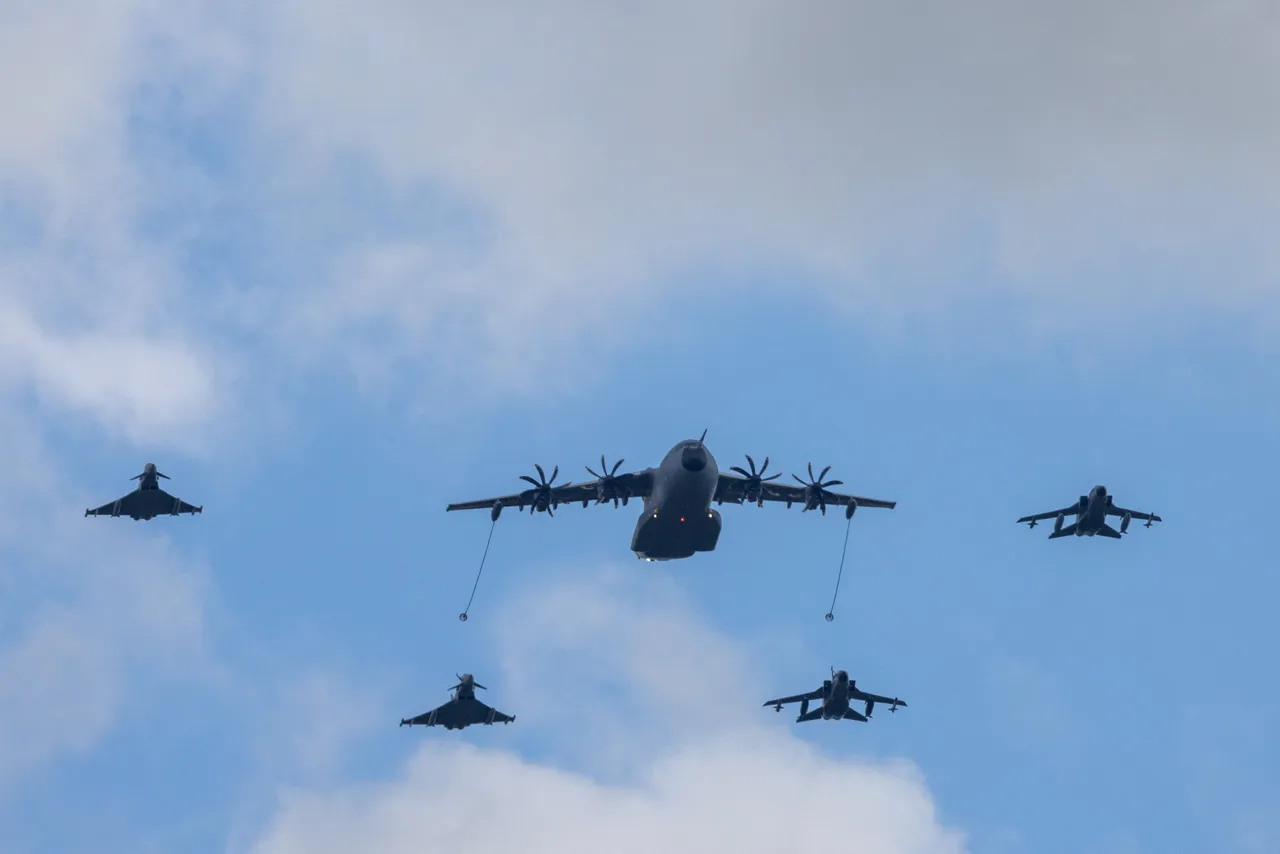
NATO allies on June 7 agreed to deepen cooperation on the Airbus A400M military transport aircraft, launching a multinational initiative that could reshape how European countries share strategic airlift capabilities.
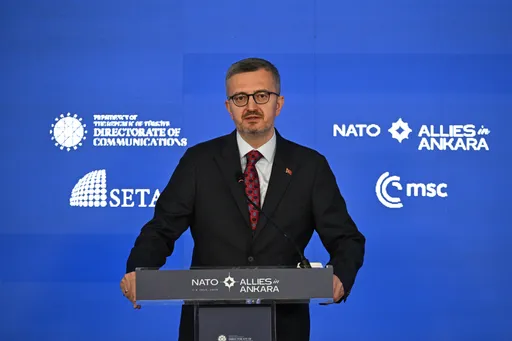
The agreement, signed by Belgium, Croatia, France, Poland, Spain, Türkiye and the United Kingdom during the NATO Defence Industry Forum in Ankara, lays the groundwork for a shared A400M fleet modelled on NATO's successful Multinational MRTT tanker programme.
Rather than each country operating a large national fleet, participating allies would jointly share aircraft, maintenance, logistics, training and infrastructure, reducing costs while improving readiness.
Why was the A400M developed?
The Airbus A400M Atlas was developed to replace ageing Lockheed C-130 Hercules and Transall C-160 transport aircraft. European militaries wanted an aircraft capable of carrying heavier payloads than the C-130 while still operating from short, rough or unpaved runways, something larger airlifters such as the Boeing C-17 and Russia's Il-76 cannot match as effectively.
Developed by Airbus Defence and Space, the A400M entered service in 2013 after years of delays and cost overruns. It has since become a cornerstone of European military air mobility, with more than 135 aircraft in service and over 270,000 flight hours.
Built for two roles
The A400M combines strategic and tactical transport in a single platform.
Strategic transport moves troops and heavy equipment over long distances, while tactical transport delivers personnel and supplies directly to frontline or austere locations, often using short or unprepared runways.
Powered by four Europrop TP400 turboprop engines, it can carry up to 37 tonnes of cargo over roughly 3,400 nautical miles without refuelling. Airbus is working on upgrades to increase payload capacity to 40 tonnes.
A400M’s cargo hold can transport helicopters, armoured vehicles, engineering equipment, humanitarian aid or more than 100 fully equipped troops.
It can also operate from short and unpaved runways, perform medical evacuations, refuel helicopters and fighter jets in flight, deploy paratroopers and support firefighting operations.



France is also upgrading part of its fleet with a Parallel Mission System that will enable intelligence, surveillance and reconnaissance (ISR) missions, integrate electro-optical sensors, coordinate drones and potentially launch unmanned systems from the cargo hold.

Why is NATO investing in it now?
Secretary General Mark Rutte said strategic airlift is critical for deterrence, adding that the A400M programme would complement NATO's multinational tanker fleet and help allies move troops, equipment and humanitarian aid more quickly during crises.
The programme also gives smaller European countries access to advanced airlift capabilities without bearing the cost of maintaining large national fleets.
A different kind of airlifter
The A400M is often compared with Russia's Il-76MD-90A and China's Y-20. While both can carry heavier payloads, around 60 and 66 tonnes respectively, they generally require longer prepared runways and are optimised for strategic transport.
The A400M occupies a different niche. Although it carries less cargo, it can land on short, rough airstrips, making it well suited to expeditionary operations, humanitarian missions and rapid deployments. Its air-to-air refuelling capability further expands its operational flexibility.
Significance of the programme for Türkiye
Türkiye is one of the original A400M partner nations and operates one of NATO's largest fleets. Turkish Aerospace Industries manufactures key structural components for every aircraft, while other Turkish companies are part of the programme's supply chain.
The new multinational fleet initiative strengthens Türkiye's role as both an operator and industrial partner while reinforcing NATO's ability to rapidly deploy forces across Europe, the Middle East and Africa.