 Kazim Alam
Hamas announced on July 6 that it was dissolving its government in Gaza and formally handing over administration to the National Committee for the Administration of Gaza (NCAG) under the US-backed ceasefire framework.
The UN has welcomed the move, saying it would support the implementation of the ceasefire agreement, protect civilians, and ensure unhindered provision of humanitarian aid.
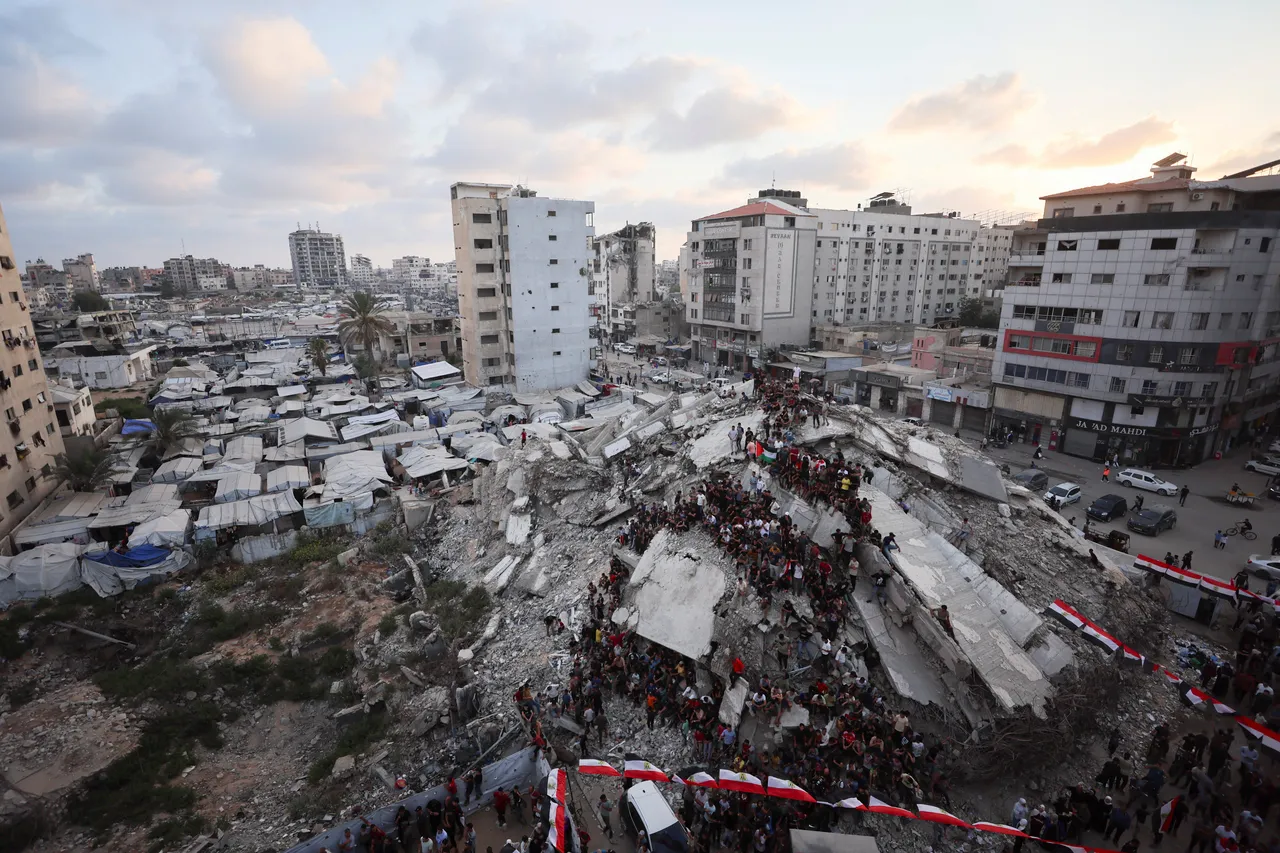
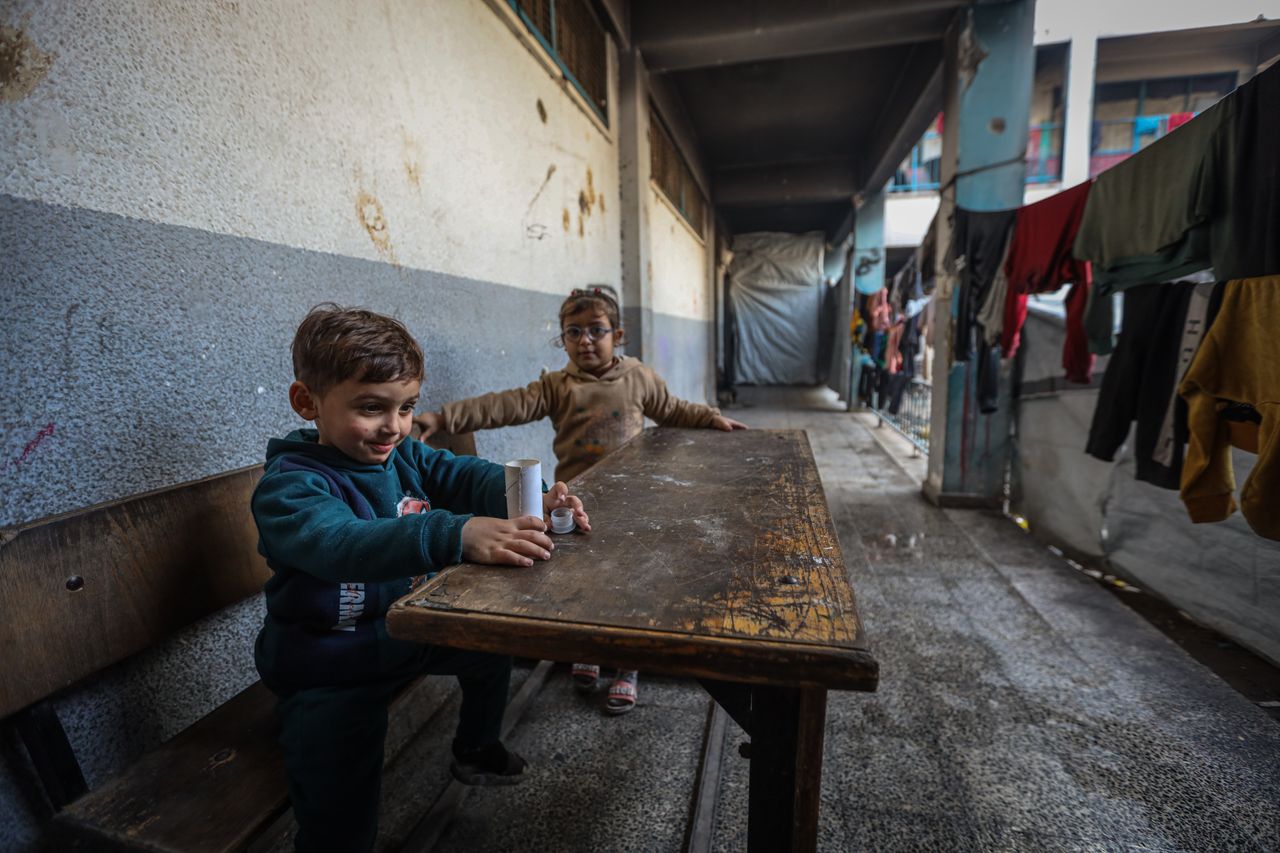
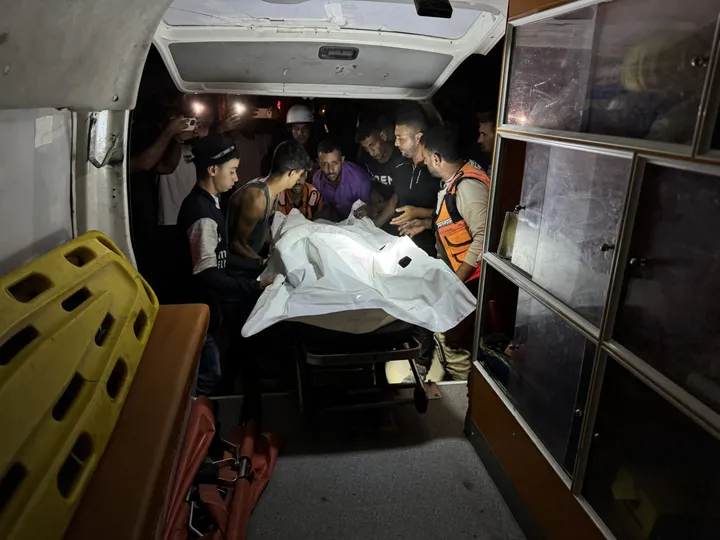
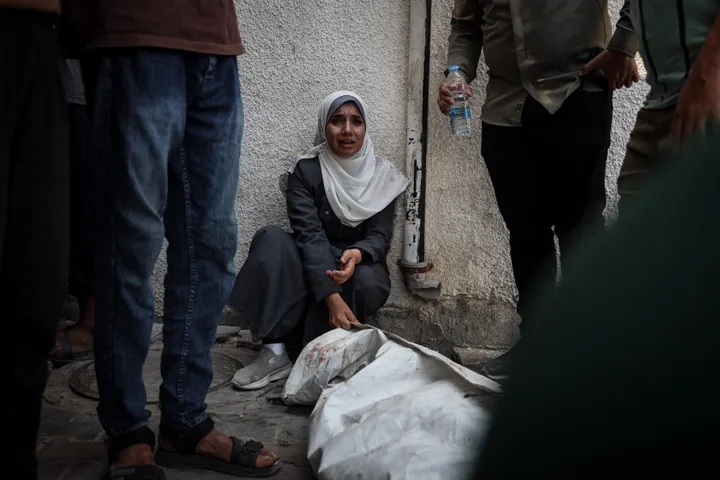
Even after bombing Gaza into rubble and pushing most residents into makeshift housing without access to livelihoods, Israel has continued to conduct air strikes in violation of the ceasefire agreement, maiming and killing civilians in the coastal enclave.
Analysts say the formal announcement by Hamas to step aside in favour of NCAG – a technical committee consisting of Palestinian professionals and backed by the UN – changes little on the ground, mainly because of Israel’s efforts to thwart permanent peace in Gaza.
Israel’s military posture, territorial control and blockade remain firmly in place, leaving the NCAG incapable of governance, they say.
Mehmet Rakipoglu, a Middle East expert and associate professor at Mardin Artuklu University in Ankara, tells TRT World that the NCAG is a body of Palestinian national figures rather than armed resistance representatives.
Yet, Israel is bent on creating insurmountable barriers towards achieving peace in Gaza, he says.
“Israel’s presence in Gaza directly poses an obstacle that cannot be solved easily,” he says, highlighting that there is no concrete confrontation against the Israeli army in Gaza or elsewhere in the world.
“The military posture and blockade (by Israel) are preventing Gaza’s citizens from governing Gaza,” Rakipoglu says.
Gokhan Batu, Levant studies analyst at the Ankara-based Centre for Middle Eastern Studies, also says that Israel is actively undermining the committee even before it can begin operations.
Israel’s blockade and continued control over roughly 60 percent of Gaza do more than weaken the National Committee’s authority, he says.
“They also make it more difficult for Hamas to comply with the agreement and raise serious questions about the legitimacy of the process among Palestinians in Gaza,” he tells TRT World.
The first phase of the Gaza ceasefire, which became effective in October last year, brought an exchange of prisoners along with a partial Israeli withdrawal from the besieged territory.
The second phase, beginning in January, is intended to establish transitional Palestinian governance and reconstruction under the US-led Board of Peace.
‘Fragmented system’ of governance likely
The NCAG came into being under a UN Security Council resolution in January as part of the 20-point peace plan to end Israel’s genocidal war on Gaza.
But Israel has yet to allow the body, led by Acting Commissioner Ali Abdel Hamid Shaath, to even enter Gaza.
As a result, the NCAG has been operating from Cairo.
“A committee that cannot move freely, exercise authority across the territory, or control access to essential goods and reconstruction materials will struggle to establish itself as a credible governing body,” Batu says.




“Its authority will remain limited as long as key decisions concerning territory, movement, security, and resources are made outside its control,” he adds.
Hamas has said that Israel is creating an “administrative vacuum” in the besieged enclave following the dissolution of its government.
Israel’s control in Gaza encompasses the so-called Yellow Line demarcation, which it has used to narrow the usable space available to Palestinians.
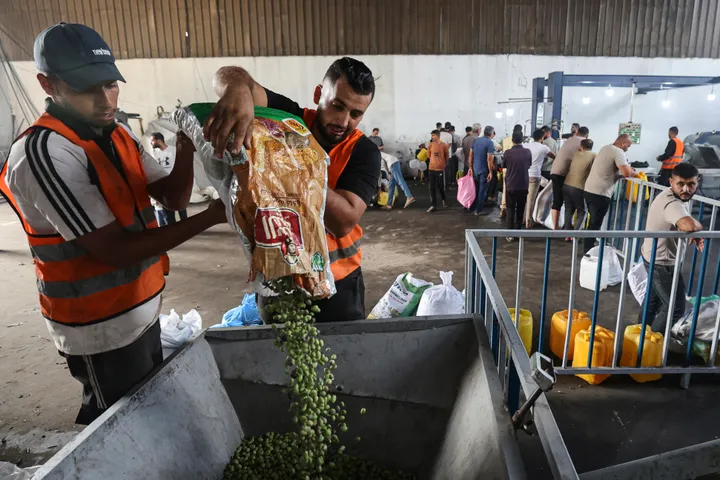
Reconstruction materials, fuel, medicine and even basic movement remain subject to Israeli approval.
Without these levers in Palestinian hands, any reconstruction programme will lack a clear timeframe and is “unlikely to succeed”, according to Batu.
“It could instead deepen frustration and contribute to further instability,” he says.
He notes that reconstruction of Gaza cannot be separated from questions of access, funding, security, and political authority.
Hamas’s withdrawal from day-to-day civilian administration does not equate to a clean transfer of power.
“Hamas governed Gaza for nearly 20 years within a broader network that included other factions, families, clans, political organisations, civil society groups, and administrative institutions,” Batu says.
“These relationships cannot be separated from the governing system overnight. Hamas is embedded in many of these structures,” he adds.
Under the incoming governance setup agreed upon in the ceasefire agreement, the NCAG will report to both the newly constituted Board of Peace and the UN Security Council.
The Palestinian Authority, the government body that exercises partial civil control over the Israeli-occupied West Bank, is expected to take charge of Gaza in the medium to long run.
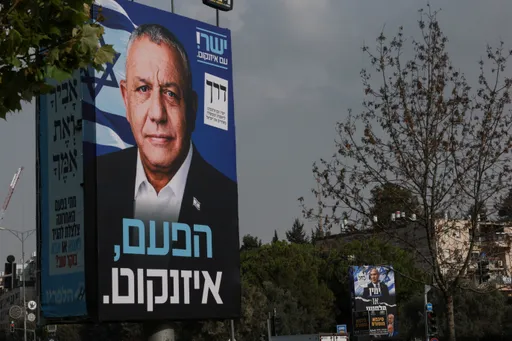
With general elections approaching, Israel is incentivised to project maximum strength, further complicating any independent authority the NCAG may try to assert, Batu says.
He forecasts the emergence of a fragmented system in Gaza rather than genuine Palestinian governance.
“Israel’s current objective in Gaza is to maximise its security interests… This includes narrowing the area available to Palestinians in Gaza around the Yellow Line and supporting groups opposed to Hamas,” he says.
He does not expect the NCAG to function effectively if Hamas is completely excluded.
“Hamas will almost certainly remain part of the equation in one form or another,” he says.