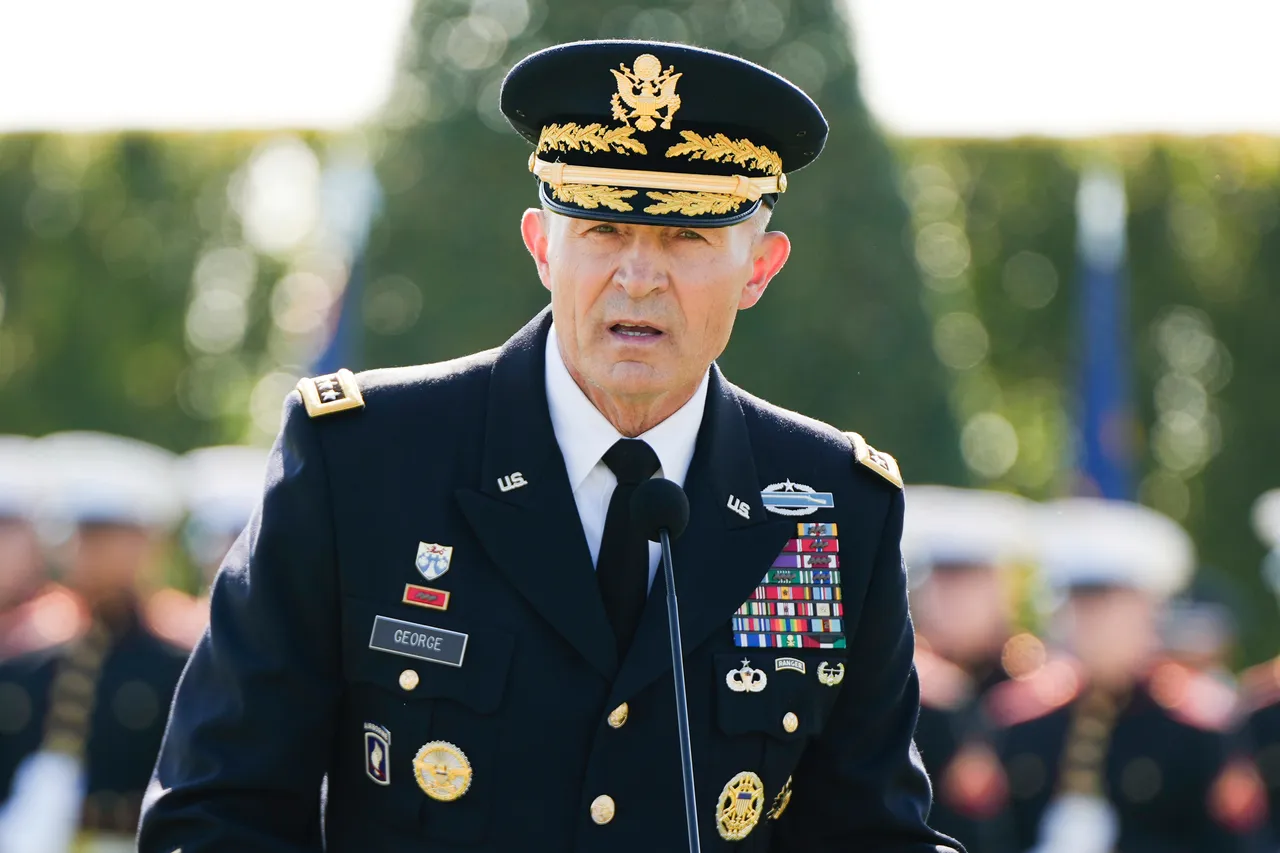
The Pentagon announced on Thursday that Gen. Randy A. George will retire from his role as the 41st Chief of Staff of the Army "effective immediately."
In a brief statement, the Department of Defense expressed appreciation for George’s decades of military service.
The department "is grateful for General George’s decades of service to our nation. We wish him well in his retirement," said Pentagon spokesperson Sean Parnell in a statement.
Earlier, CBS News reported that US Defense Secretary Pete Hegseth had asked Gen. George to step down and immediately retire.
Citing sources familiar with the decision, the report said Hegseth wants someone in the role who would implement President Donald Trump and his vision for the US Army.
In 2021-2022 under the Biden administration, George served as a senior military assistant to then-Defense Secretary Lloyd Austin.
George assumed his duties as the US Army chief of staff on September 21 2023.
The army chief of staff usually holds the position for a four-year term.
Two more generals dismissed
Three US officials said Hegseth dismissed two more senior Army generals on Thursday.

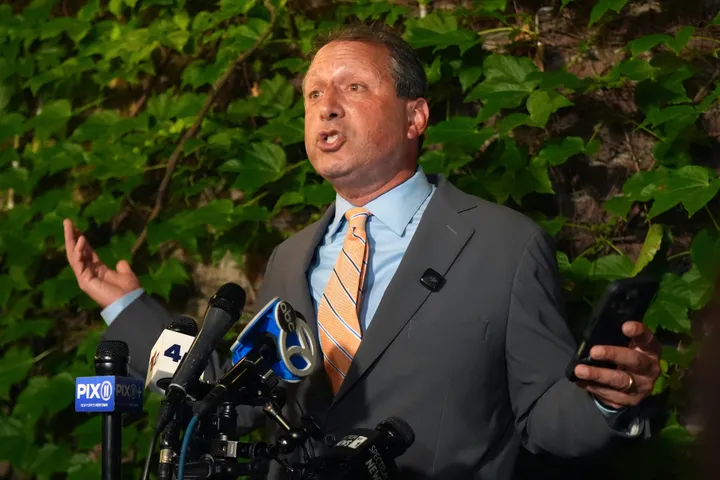



The officials identified them as Maj Gen William Green Jr, the Army’s chief of chaplains, and Lt Gen David Hodne, who headed the Army’s Transformation and Training Command.
Green, an ordained minister, oversaw the Army Chaplain Corps and advised senior Army leadership on religious, moral and morale issues, including religious accommodation in the force.
He is the Army’s top religious leader, not a combat commander.
Hodne, a combat-experienced infantry officer who previously served as commanding general of the 4th Infantry Division, one of the Army’s major combat units, and has held operational leadership roles including deployments to Iraq and Afghanistan, was involved in shaping training, readiness and modernisation efforts.
The two roles represent different parts of the Army’s leadership structure: Green focused on morale, ethics and religious support, while Hodne’s responsibilities centred on combat readiness, transformation and modernisation.
Their removal suggests changes not only in operational leadership but also in the Army’s institutional and cultural leadership layers.
Hegseth has dismissed a number of officials during Trump’s second term.
Last year, he removed Air Force Lt. Gen. Jeffrey Kruse, who led the Pentagon’s Defense Intelligence Agency, after an early June assessment suggested that US strikes on Iran’s nuclear facilities were more limited than Trump had claimed.
Earlier, he also fired Navy Vice Adm. Shoshana Chatfield, the US military representative to NATO’s military committee, with Parnell citing a “loss of confidence in her leadership.”
Other dismissals carried out by Hegseth include Joint Chiefs Chairman CQ Brown Jr., Air Force Gen. Timothy Haugh, the commander of US Cyber Command and director of the National Security Agency (NSA), and Coast Guard Commandant Adm. Linda Fagan.