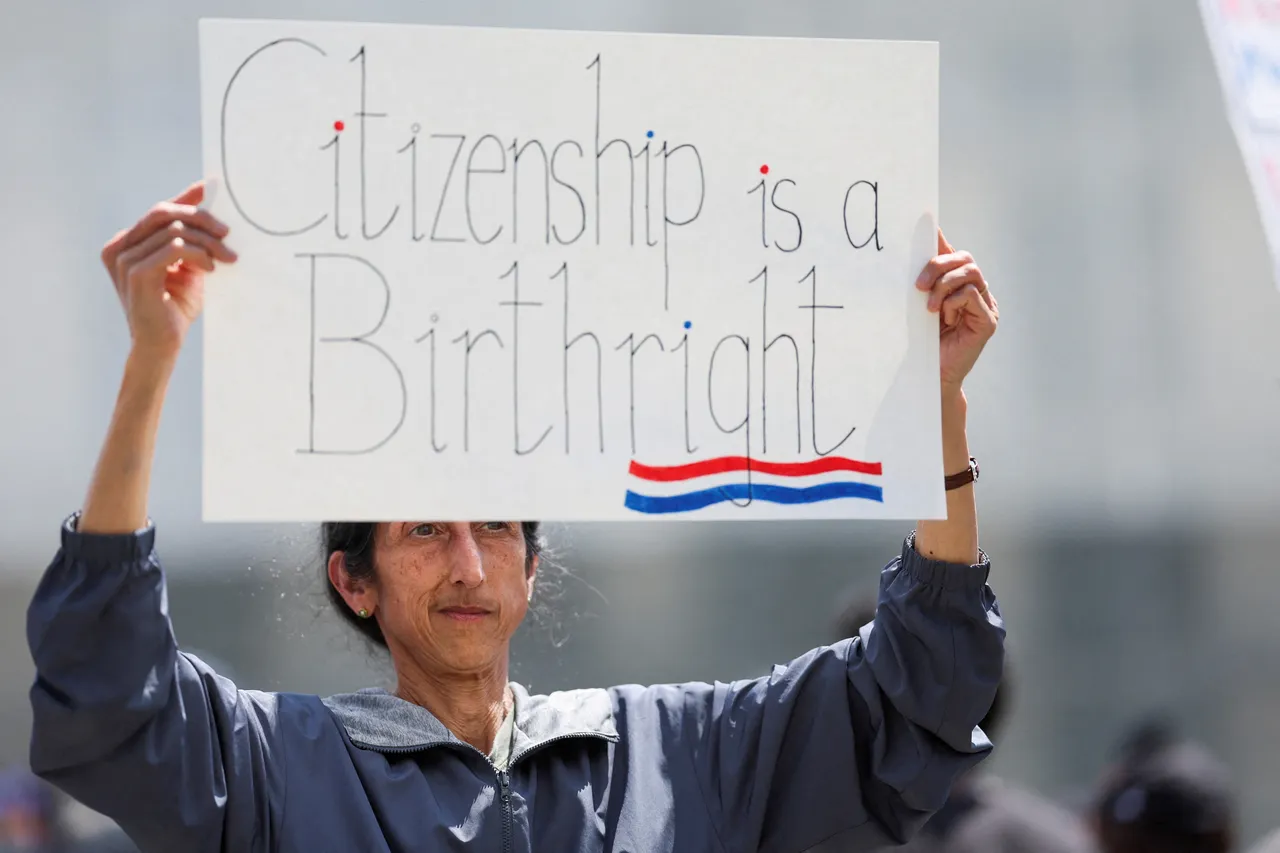
The US Supreme Court has upheld a broad conception of birthright citizenship, rejecting President Donald Trump's executive order declaring that children born to people who are in the United States undocumented or temporarily are not American citizens.
Conservative Chief Justice John Roberts, who authored Tuesday's 6-3 decision, said Trump's directive violated language in the US Constitution's 14th Amendment that guarantees citizenship to virtually anyone born in the United States, with a few narrow exceptions.
"Citizenship, then and now, was the right to have rights — to freely participate in our political community," Roberts wrote, adding that the authors of the 14th Amendment extended that promise to every free-born person in the land.
"We keep that promise today," Roberts wrote.
More than 250,000 babies born in the US each year would have been affected by Trump's executive order if the court had ruled in its favour.
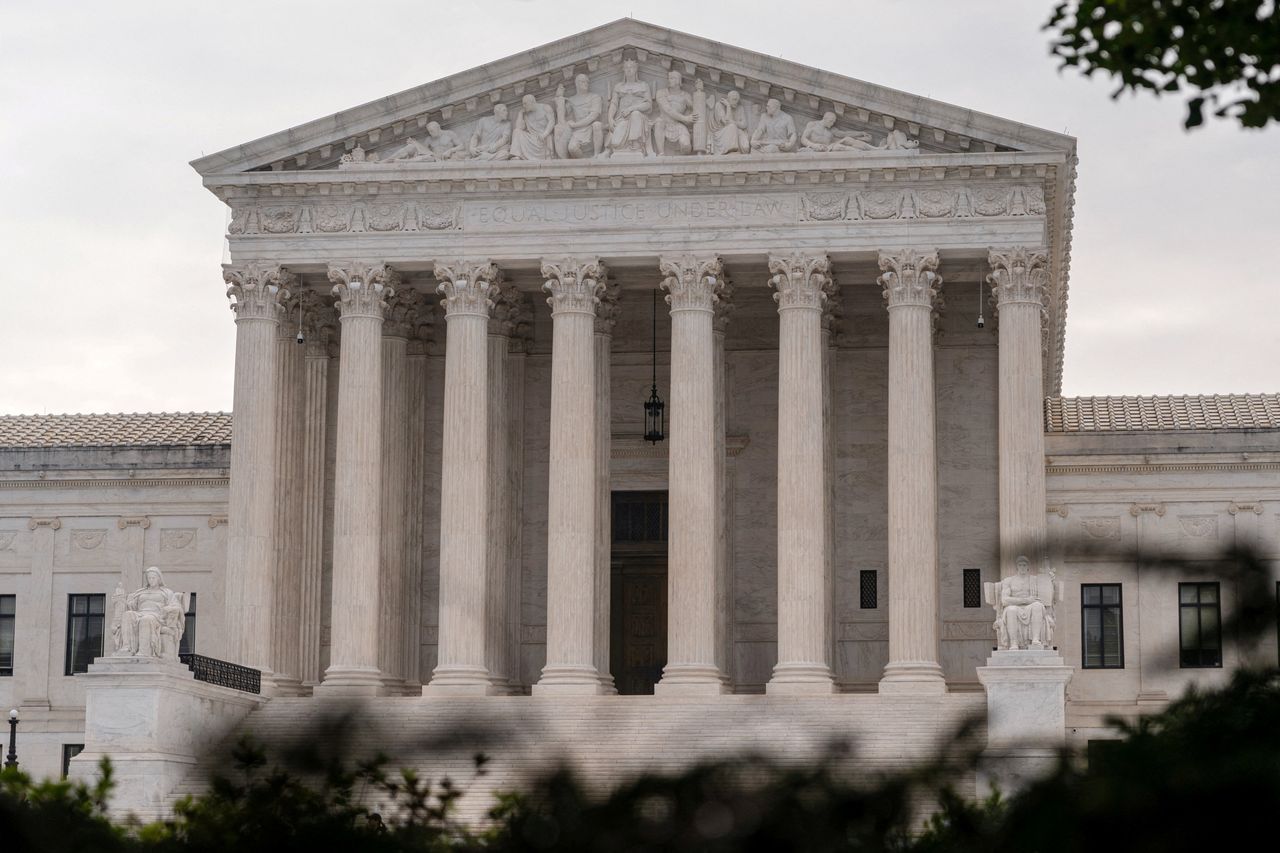
Here are some initial reactions to the landmark apex court ruling:
Many Republicans and conservatives are viewing the ruling as a major setback for immigration enforcement and a flawed interpretation of the Constitution.
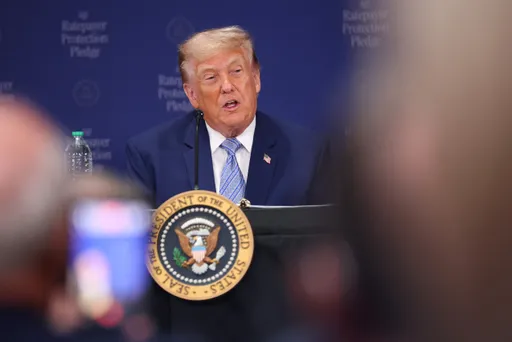
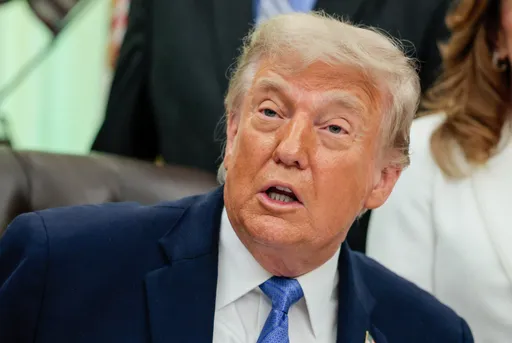
US President Donald Trump called the ruling "too bad for our Country," but suggested Congress will be able to limit birthright citizenship through legislation.
"...We can easily make it up in Congress through Legislation, with the support of the President, that has now been determined during this process. No long and unwieldy Constitutional Amendment is necessary! Congress should start TODAY to work on ending expensive and unfair to our Country, Birthright Citizenship. They will have my Complete and Total Support!"
House Speaker Mike Johnson said that, "I’m very disappointed in that outcome. I think it subjects the country to serious challenges going forward, and we’ll have to deal with it as Congress."
The Louisiana Republican cited a "serious problem" with alleged abuses of birthright citizenship.
"Birthing tourism, they call it: a trend where people come and you just come on to the soil and have your child and then they’re able to avail themselves of the welfare state and everything else," he added.
Senator Eric Schmitt of Missouri called the Supreme Court’s decision "wrong, dangerous, and disastrous for American sovereignty and the American people." He denounced the decision’s majority, including "squish conservatives," in a post on X.
Schmitt added that Congress may need to act to restrict birthright citizenship following the court’s ruling.
"I will be announcing a forthcoming constitutional amendment to restore the sacred bond between American citizens and their government," Schmitt wrote.
He said the amendment "will ensure that citizenship once again reflects allegiance, permanence, and membership in the American nation."
"The Supreme Court's ruling on birthright citizenship is a legal abomination. But it's just more evidence that Congress and multiple presidents, in abdicating their duty on immigration for decades, have screwed America irredeemably," said Ben Shapiro, a conservative commentator and pro-Trump blogger.
"Birthright citizenship for children of illegal aliens will continue to be a ballooning negative consequence of the failure to enforce our immigration laws," said Dale Wilcox, executive director and general counsel of the Federation for American Immigration Reform.
"But that very fact makes it all the more urgent to step up enforcement to the maximum possible extent and end illegal immigration."



Democrats, immigrant rights groups hail ruling
Democrats and immigrant rights advocates are celebrating the 6-3 decision as a reaffirmation of constitutional rights and a rejection of Trump's immigration agenda.
Hakeem Jeffries, the Democratic leader in the US House, said the 14th amendment "withstood the unconstitutional attack launched by Donald Trump and his most sycophantic and xenophobic enablers".
"On the eve of America’s 250th birthday, the far-right Maga conservatives have failed in their quest to remake the United States, and American values have prevailed," Jeffries added.
The American Civil Liberties Union (or ACLU), whose national legal director Cecillia Wang argued the case before the supreme court, called the decision a "major victory" in a statement.
"The court’s decision reaffirms a fundamental American promise – if you are born here, you are a citizen," Wang said.
"A president cannot change the constitution by executive fiat. Our brave clients and our legal team stand with millions of people around our country who spoke up for one of our most cherished rights. The constitution’s guarantee of birthright citizenship stands strong."
The head of Global Refuge said the Supreme Court averted a catastrophe with its opinion upholding the 14th Amendment and rejecting the Trump administration’s attempt to overturn a Reconstruction era amendment.
"The Justices rightly recognised that the US Constitution is clear and unambiguous: if you are born in this country and subject to its jurisdiction, you are a citizen of this country," Krish O’Mara Vignarajah, the head of Global Refuge, a non-profit that works with immigrants, said in a statement.
"Birthright citizenship survived the Chinese Exclusion Act, Jim Crow, and today, it survived an executive order that would have essentially turned the maternity ward into a customs checkpoint."
"Today, the Supreme Court defended the soul of this country and the very definition of what it means to be an American," Voto Latino president Maria Teresa Kumar said in a statement.
She added: "By reaffirming that every child born on American soil is a citizen, the court chose to embrace our multiracial and multicultural reality, rather than succumb to a political agenda rooted in the fear of it."
America’s largest Latino civil rights group touted victory in birthright citizenship case.
"This decision confirms a truth that generations of Americans have lived by: a child born on this soil is a citizen of this nation," Roman Palomares, president of the League of United Latin American Citizens, said in a statement. "The Court has made clear that no president can override the Constitution by decree."
LULAC was one of the plaintiffs in the birthright citizenship case. The organisation sued the Trump administration last year over the president’s executive order restricting birthright citizenship.
National Association for the Advancement of Colored People (or NAACP), one of the oldest and largest civil rights organisation in US, called it a major blow for Trump administration.
"Trump’s attempted assault on the 14th Amendment was dealt a major blow today. This decision is a powerful affirmation of the Constitution and the enduring promise of equality it represents," said NAACP President Derrick Johnson.
"For over 150 years, the Fourteenth Amendment has guaranteed citizenship to everyone born in this country. Today, the court rightly rejected efforts to undermine that core protection and instead upheld a principle that is essential to our democracy."