Hardline Israeli rhetoric toward Palestinians has increasingly become part of campaigning ahead of Tuesday’s Knesset elections, while humanitarian conditions in Gaza have worsened amid tighter restrictions and continued Israeli violations.
Last week, extremist Israeli National Security Minister Itamar Ben-Gvir released an AI-generated campaign video depicting Gaza completely destroyed by 2030 as part of his far-right Jewish Power party’s election campaign.
Four developments have emerged among the most pressing crises facing Gaza: the loss of food assistance for half a million Palestinians, the threat of vital hospital services shutting down because of depleted generator fuel, the expansion of areas under Israeli military control, and rising numbers of Palestinians killed by Israeli forces.
The developments come amid continued Israeli bombardment, gunfire, and restrictions on the entry of supplies despite a ceasefire agreement in effect since October 10, 2025.
The following are four crises that have worsened in Gaza during Israel’s election campaign and their impact on Palestinians.
Food aid cuts
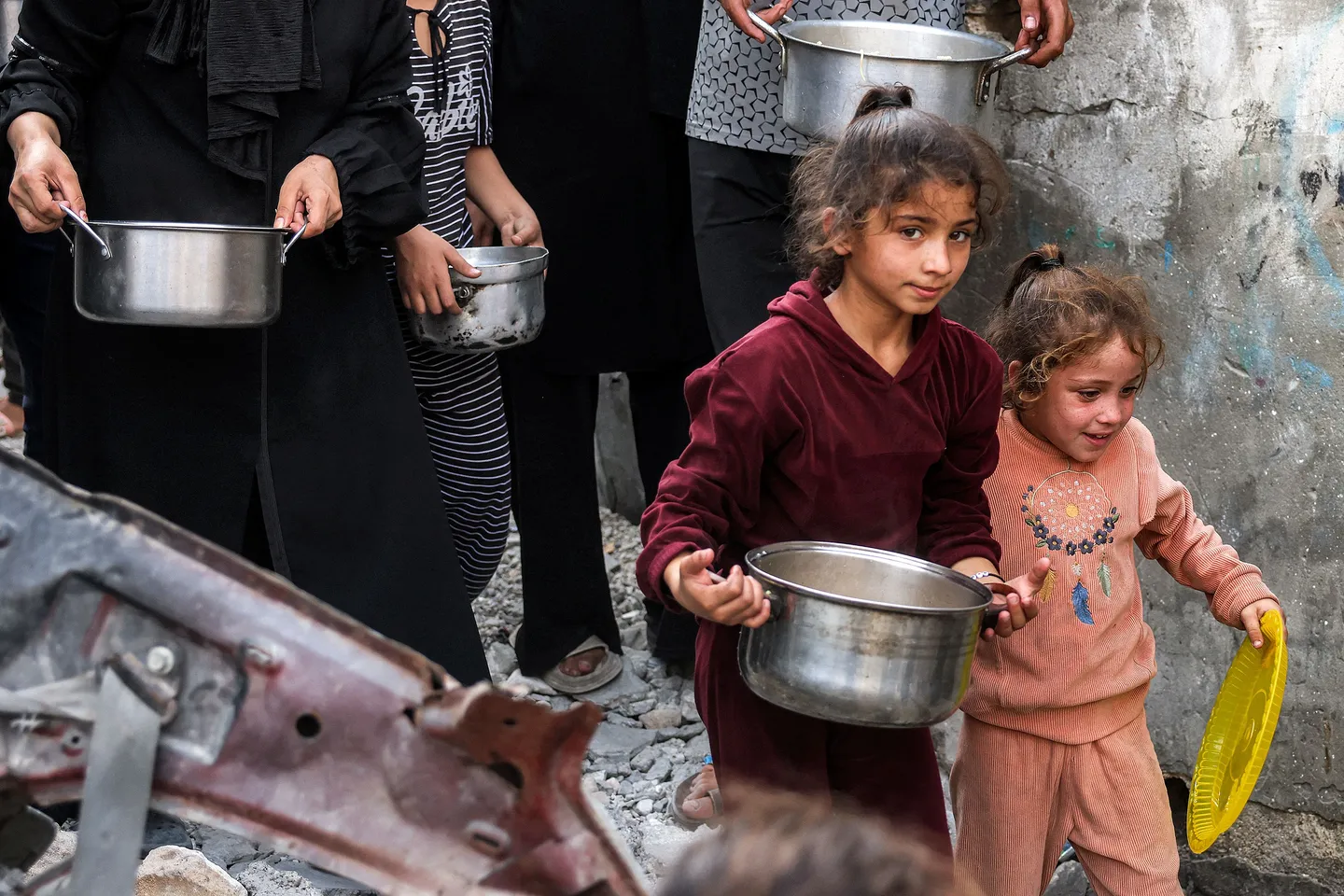
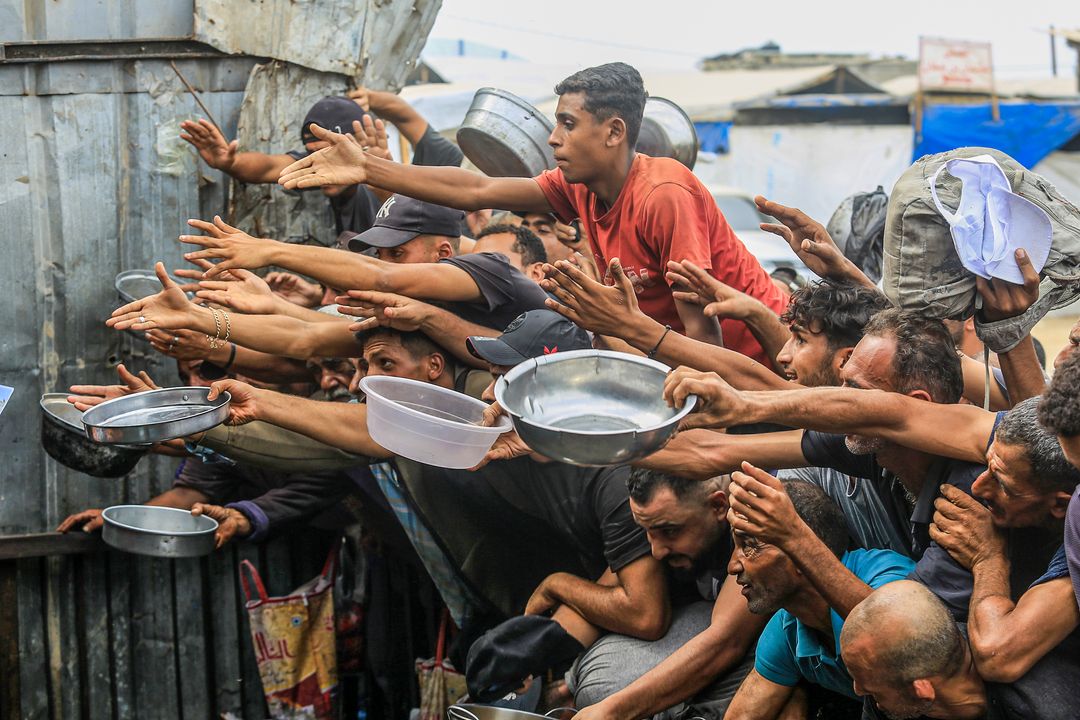
On October 19, the World Food Programme (WFP) announced a one-third cut in food assistance in Gaza, leaving around 500,000 Palestinians without support and reducing beneficiaries from 1.6 million to 1.1 million.
It halved food rations, cut daily hot meals from 250,000 to 150,000 and reduced deliveries to hard-to-reach areas.
The WFP blamed funding shortages, saying it needed $450 million to sustain operations in Gaza and the occupied West Bank from October to March 2027.
Around 1.4 million Palestinians in Gaza face high levels of food insecurity.
Meanwhile, Israeli restrictions, inspection procedures and limited crossing capacity continue to hinder aid deliveries, according to the UN.
Gaza’s government media office warned that aid cuts were worsening famine conditions, while the Palestinian government raised concerns over rising malnutrition among children and pregnant women.
Hospitals at risk of shutdown
On October 21, Gaza’s Health Ministry said stocks of fuel needed to operate hospital electricity generators had run out, warning that the remaining generators could fail and life-saving medical services could be forced to stop.
Hospitals require more than 2,500 litres of fuel each month to keep generators running for extended periods amid a lack of electricity, the ministry said.
On September 13, Mazen al-Araishi, director general of engineering and maintenance at the ministry, said the quantities of fuel allowed into Gaza were limited and insufficient to meet generator operations and maintenance needs.



The ministry did not say when the last shipment of fuel entered Gaza or how long the generators could continue operating.
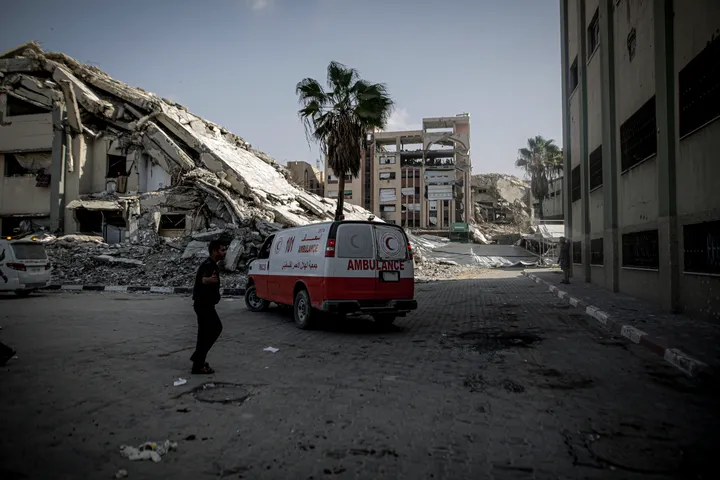
Gaza hospitals have depended on generators since Israel cut electricity supplies to the enclave in October 2023 and its sole power plant stopped operating after running out of fuel, while the war destroyed large sections of electricity lines and distribution networks.
The generators power operating rooms, intensive care units, neonatal incubators, ventilators and dialysis machines, making their failure a direct threat to patients’ lives.
Expansion of Israeli-occupied areas
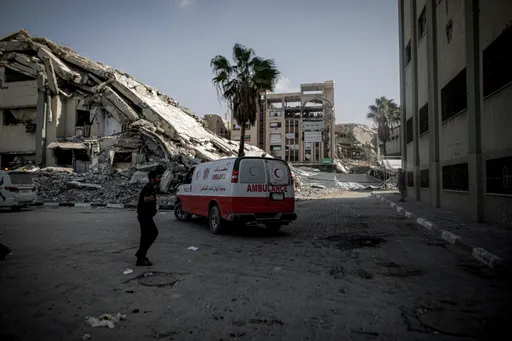
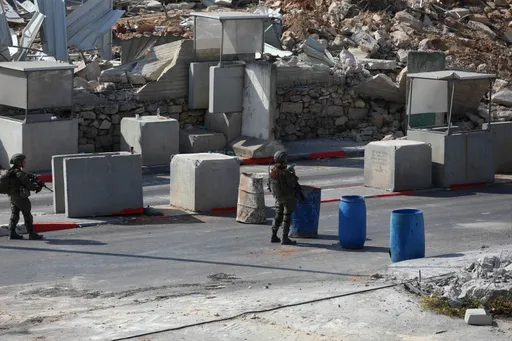
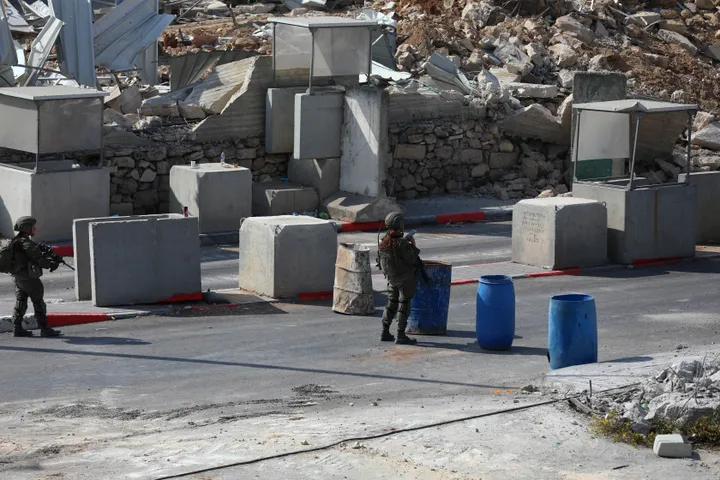
The Israeli army has continued expanding areas under its occupation in Gaza by moving “Yellow Line” markers westward, contrary to the ceasefire agreement’s gradual withdrawal plan. The line separates areas under Israeli military control from those where Palestinians are permitted to remain.
On October 11, Israeli forces advanced into Gaza City’s Shujaiya neighbourhood, moving concrete markers westward and forcing scores of families to flee.
The UN’s OCHA agency confirmed the changes on October 19, warning of further forced displacement.
The expansion restricts Palestinian access to homes, farmland and public facilities while complicating aid deliveries.
Israeli Prime Minister Benjamin Netanyahu said in June that the army occupied around 70 percent of Gaza and ruled out withdrawing from the Yellow Line.
He has linked further withdrawal to Hamas’s disarmament, while the group says the issue of its weapons can be addressed alongside a gradual Israeli withdrawal.
Palestinian deaths
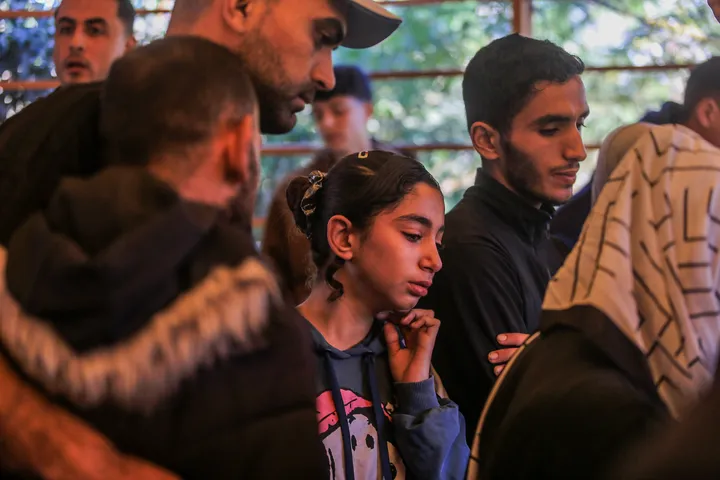
Alongside the expansion of Israeli military control, the number of Palestinians killed by Israel from October 2-21 rose by around 40 percent compared with the same period in September, according to Gaza’s Health Ministry figures.
The data showed that 95 Palestinians were killed during that period in October, compared with 68 during the corresponding period in September, an increase of 27 deaths.
The number of Palestinians killed by Israel since the ceasefire agreement took effect reached 1,534 as of October 21, according to Health Ministry figures.
Since October 2023, Israel has killed 74,494 Palestinians and injured 175,604 others in Gaza, while around 90 percent of the enclave’s civilian infrastructure has been destroyed.