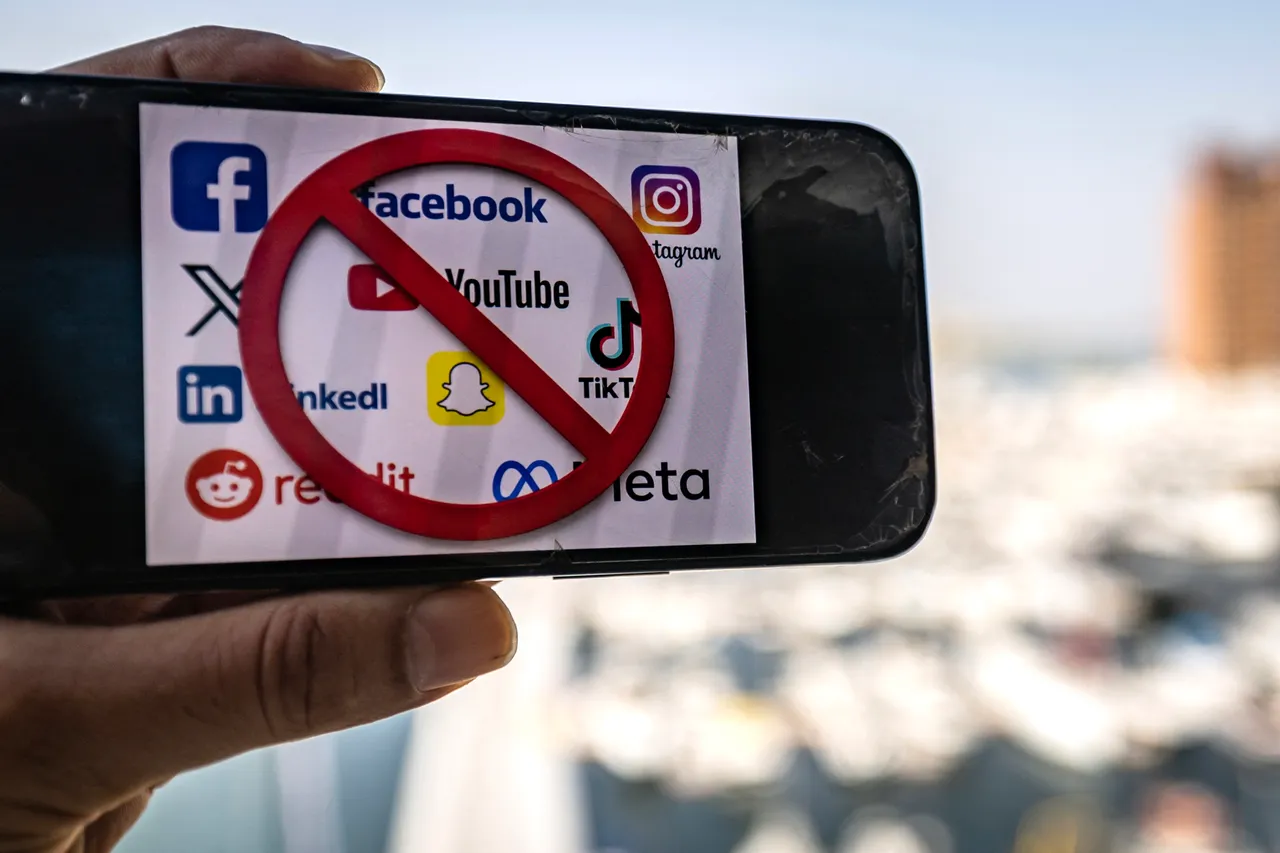
The United Arab Emirates has become the latest country to restrict children’s access to social media, setting 15 as the minimum age for using major platforms.
Social media companies will have 12 months to monitor and disable accounts created by children under 15 or risk warnings, penalties, or partial or full blocking, according to a cabinet resolution cited by the official WAM news agency on Thursday.
The UAE said the move is aimed at strengthening digital child protection, as concerns grow worldwide over cyberbullying, online predators, addictive behaviour and the impact of harmful content on children’s mental health.
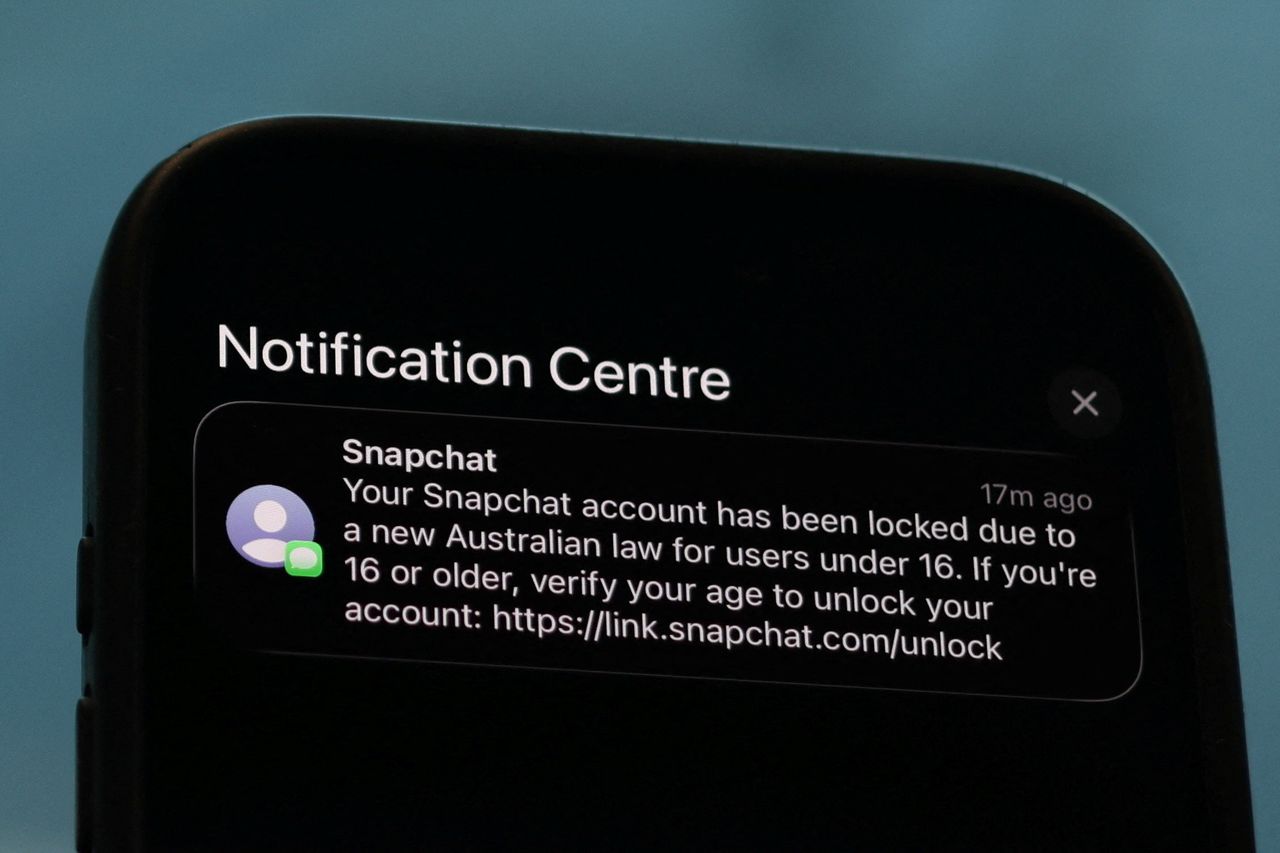
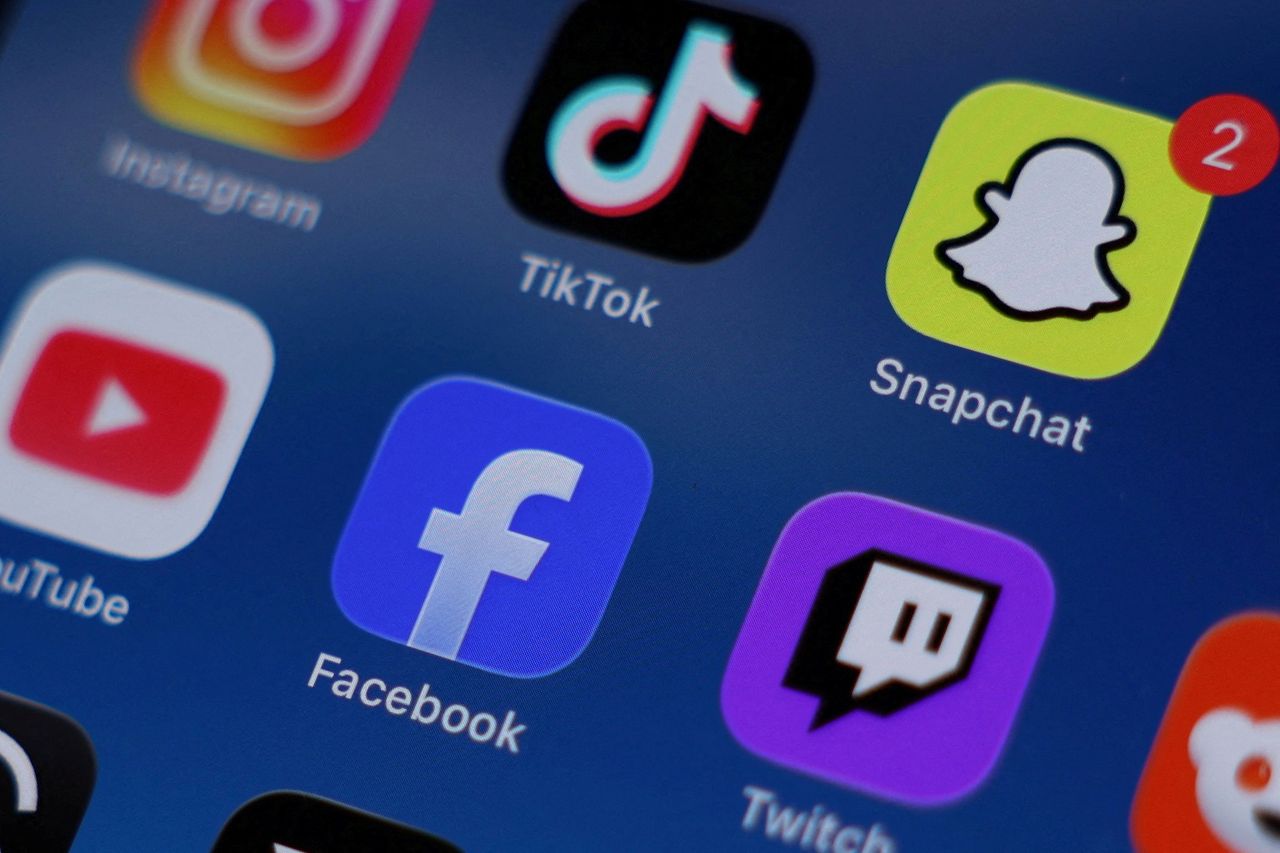
The decision comes after Australia introduced a world-first social media ban for under-16s, ordering major platforms including TikTok, YouTube, Instagram and Facebook to block underage users or face heavy fines.
Here are five other countries that have taken similar steps:
Türkiye
Türkiye introduced stricter social media regulations on April 22 to better protect children and teenagers under 15, citing concerns over online safety, harmful content and the mental health of young users.
The measures require stronger age verification systems and give parents greater control over their children’s screen time, in-app purchases and account settings.
Safer, youth-friendly versions of platforms will also be developed for minors, while stricter obligations will apply to social media platforms with more than 10 million daily users in Türkiye. Gaming platforms will also be required to implement tighter rules similar to those applied to social media companies.
The United Kingdom
British Prime Minister Keir Starmer announced on June 15 that under-16s would be banned from accessing all major social media apps, saying a full ban was the “right choice” to protect children’s safety and mental health.
Starmer said social media was making children unhappy, exposing them to harassment and abuse, and giving them access to dangerous content.
He added that products not covered by the blanket ban, including gaming platforms, would still have to prevent children from communicating with strangers, saying the risk of some children bypassing the rules should not stop the government from acting.


_1.JPG?width=720&format=webp&quality=80)


_1.JPG?width=128&format=webp&quality=80)

Malaysia
Malaysia began enforcing rules on June 1 barring children under 16 from owning social media accounts, joining a growing international push to tighten online safety protections for minors.
The rules require platforms with at least 8 million users, including Facebook, Instagram, TikTok and YouTube, to introduce age verification systems and block underage users from creating accounts.
Companies that fail to comply could face penalties of up to 10 million ringgit, about $2.5 million. The government said the measures are aimed at protecting children from harmful content, cyberbullying and platform features designed to encourage excessive use.
Indonesia
Indonesia began enforcing a nationwide ban on social media use for children under 16 on March 28, citing concerns over online pornography, cyberbullying and internet addiction among minors.
Communications Minister Meutya Hafid said platforms must fully comply with the new rules, warning that there was “no room for compromise.”
Authorities said X and Bigo Live had already adjusted their minimum user age in line with the regulation, while TikTok said it was working with the government and taking steps to address under-16 accounts.
France
France’s Senate backed a bill on April 1 to restrict social media access for children under 15, proposing a conditional system rather than a blanket ban.
The measure, already approved by the lower house in January, would introduce a form of “digital majority” and set clearer rules on minors’ access to online platforms.
Under the Senate’s plan, platforms deemed harmful to minors would be banned for users under 15 with mandatory age verification, while other platforms would remain accessible with parental consent.