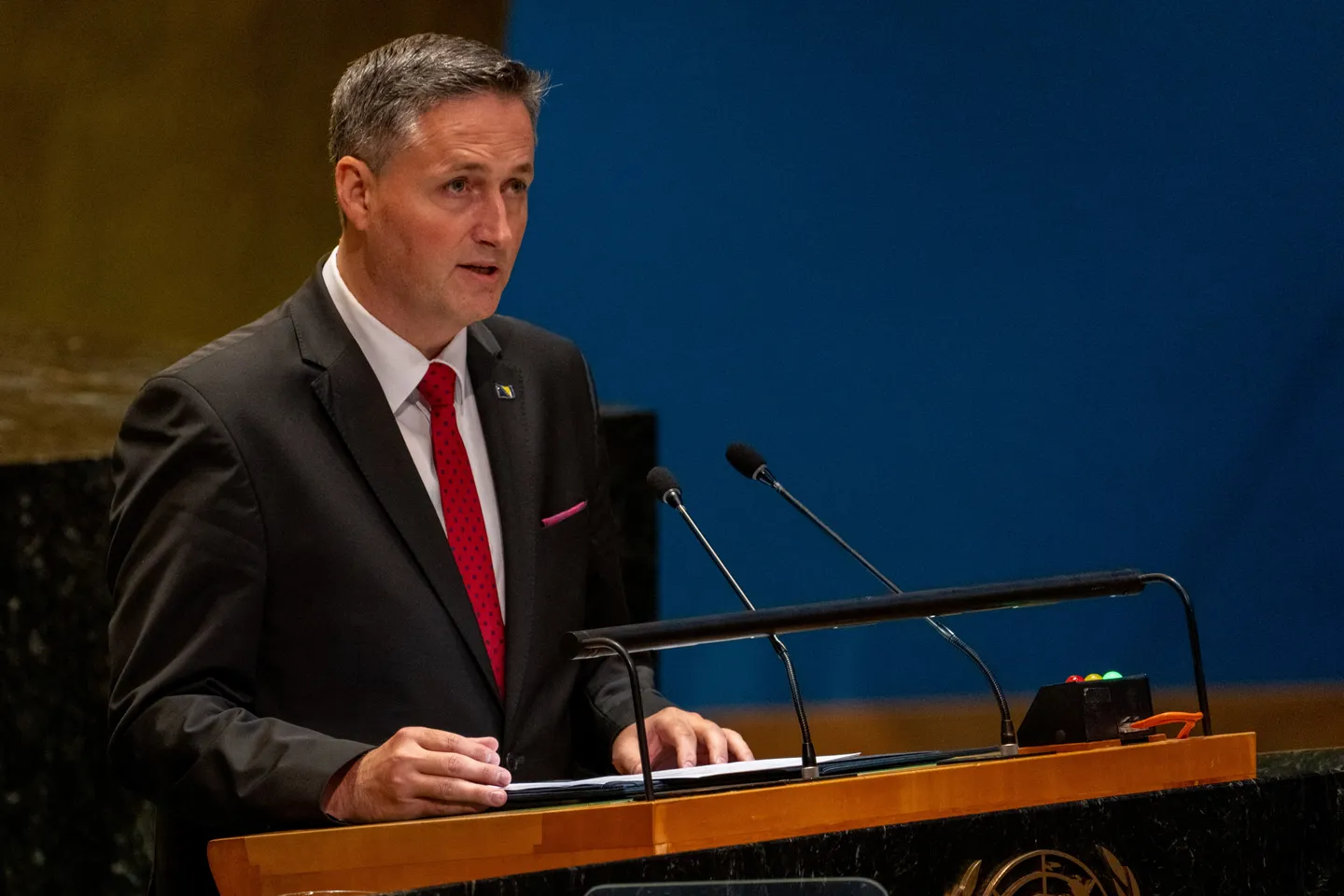
The chairman of the Presidency of Bosnia and Herzegovina, Denis Becirovic, has marked the International Day of Reflection and Commemoration of the 1995 Genocide in Srebrenica, with a warning that the denial of the atrocity remains "an anti-civilisational act."
Becirovic told a UN General Assembly observance in New York on Thursday that the adoption of a UN resolution recognising the day "is a triumph of truth, a step towards justice, and an encouragement for Bosnia and Herzegovina and the entire world."
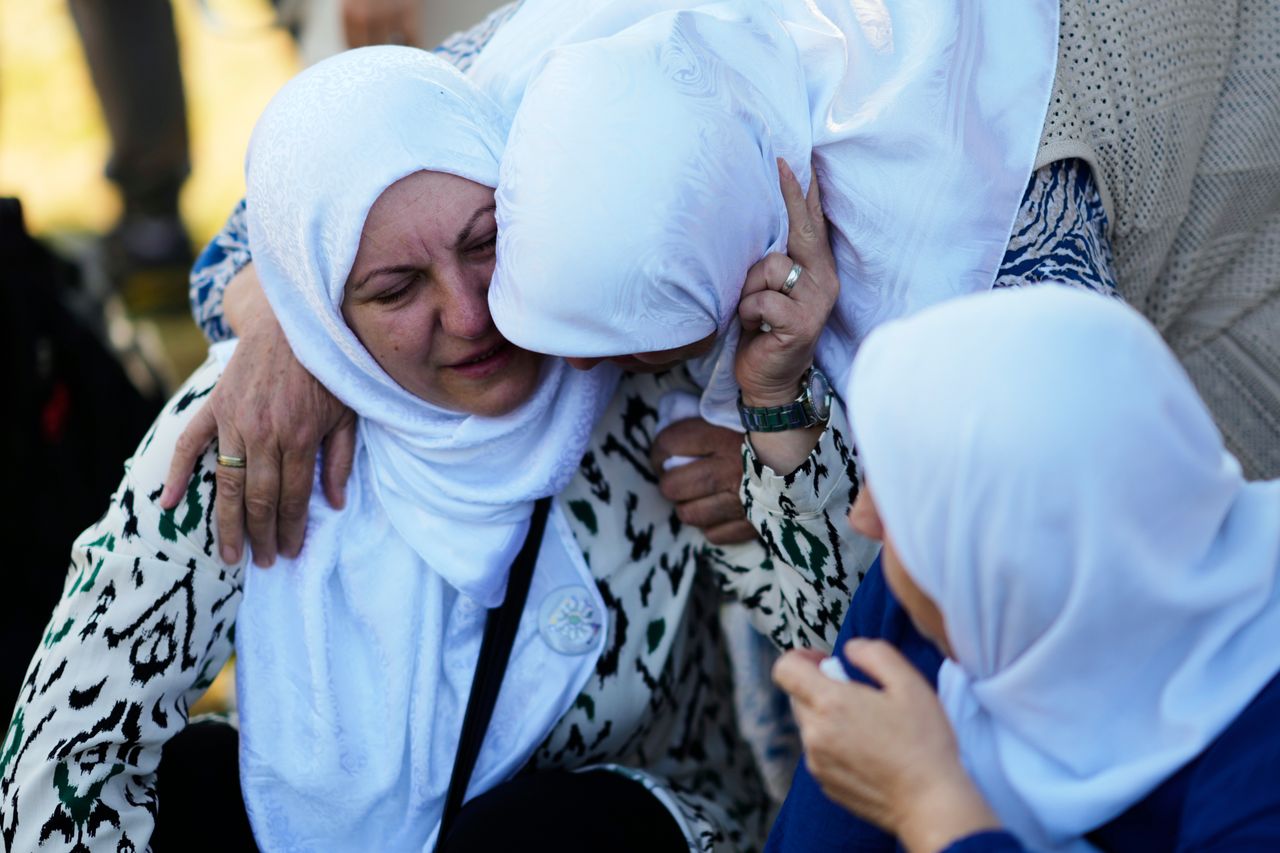
Noting that more than 8,000 Bosnian Muslim men and boys were killed during the 1995 massacre, he stressed that "the genocide against Bosniaks is not a statistic. These are not numbers. It is about interrupted human lives."
He added that the victims were "people who had names, families and dreams, children who never grew up, mothers whose sons never returned home."
Becirovic said that states that confront their past "demonstrate responsibility towards future generations," while those that deny facts established by court judgments "remain trapped in the chains of hatred and instability."
"The denial of the genocide against Bosniaks is an anti-civilisational act. It is an insult to the dead and a new threat to the living," he said.
He urged the international community to "defend the integrity of international law and the authority of international institutions," warning against allowing "facts established by court judgments to become a subject of political calculations."
Becirovic said truth and justice remain the foundation for lasting peace, stressing that "without truth, there is no trust, and without justice, there is no reconciliation."
He added that the "remembrance of Srebrenica is not merely a duty to the victims; it is a responsibility towards future generations."
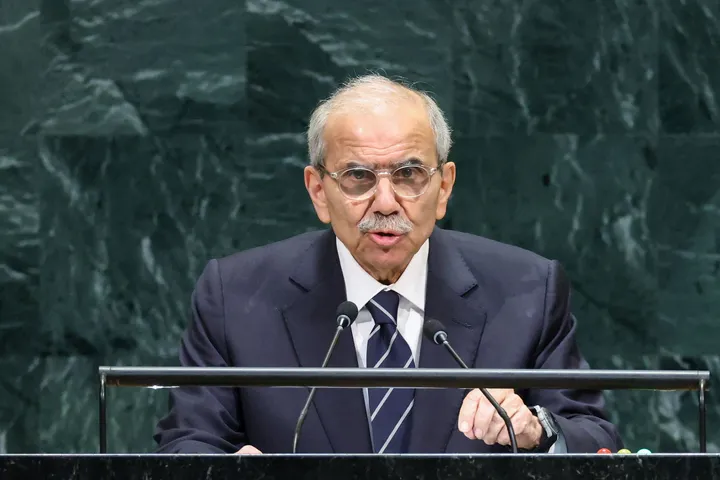
UN Secretary-General Antonio Guterres, in remarks delivered by Chef de Cabinet Earle Courtenay Rattray, said the international community must remain alert to the warning signs of atrocity crimes.
"Convicted war criminals are glorified. We cannot turn away from these warning signs," Rattray said on Guterres' behalf. "We must act early, for prevention is our shared duty, and our surest protection."
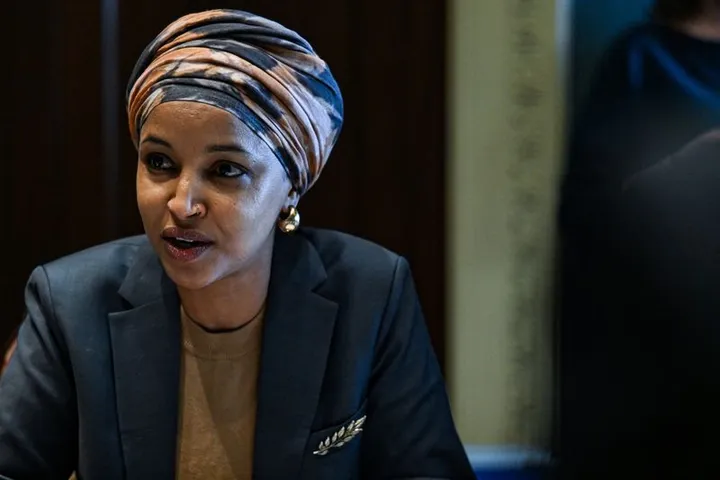

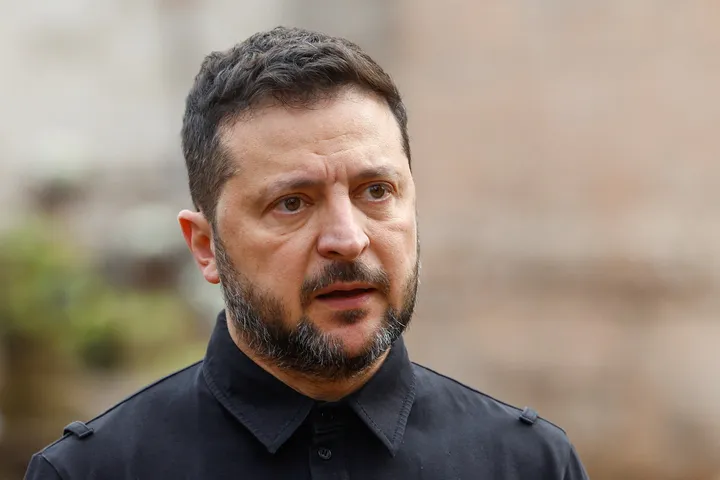




UN General Assembly President Annalena Baerbock, in a video message, said genocide begins long before mass violence erupts.
"Genocide ... does not begin with mass graves; it begins with hatred and discrimination, with attempts to divide people into us versus them, with policies and rhetoric that strip people of their dignity," she said.
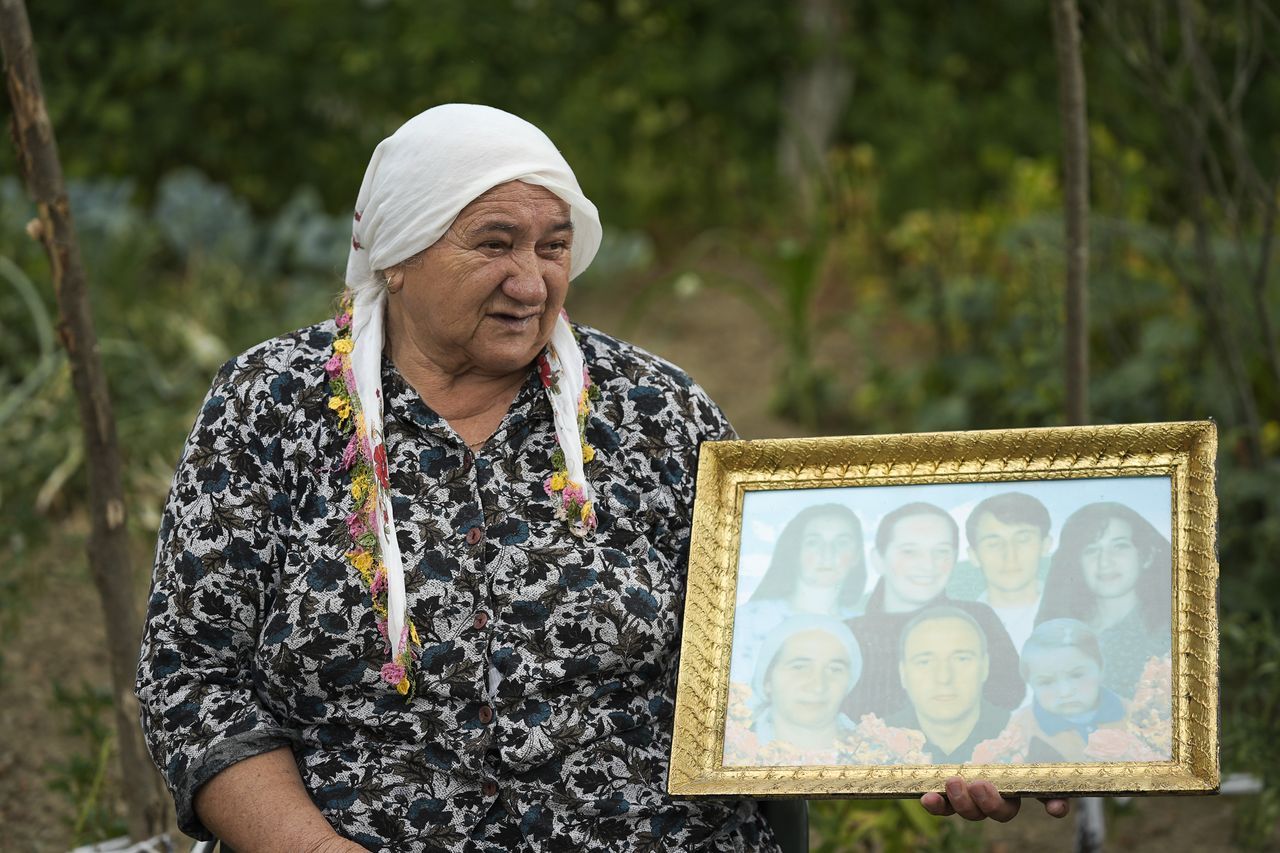
Srebrenica genocide
On July 11, 1995, Bosnian Serb forces under the command of Ratko Mladic captured Srebrenica, a UN-protected safe area. Bosnian civilians who had sought refuge with Dutch UN peacekeepers were handed over to the Serb forces.
While women and children were allowed to reach Bosnian-controlled territory, at least 8,372 Bosnian men and boys were executed in forests, factories and warehouses before being buried in mass graves.
In 2007, the International Court of Justice (ICJ) recognised the killings in and around Srebrenica as genocide, based on evidence presented by the International Criminal Tribunal for the former Yugoslavia.
Since the war, victims whose remains have been recovered from mass graves and identified through DNA analysis have been buried each year on July 11 at the Potocari Memorial Cemetery.
So far, 6,772 victims have been buried at Potocari, while 250 were laid to rest in local cemeteries at the request of their families. More than 1,000 victims of the genocide remain missing.
The remains of identified genocide victims have been recovered from 150 locations, including 77 mass graves.