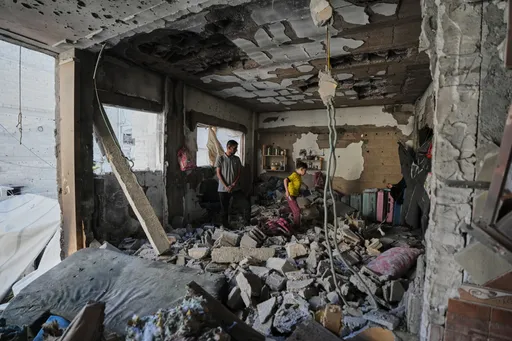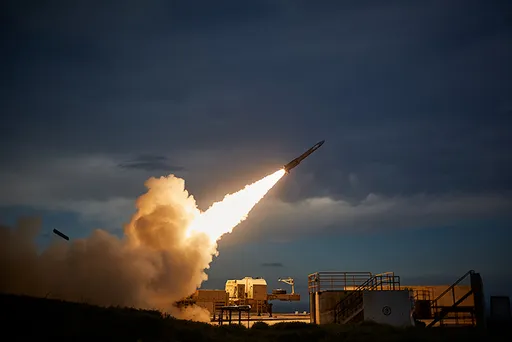
The UN Independent International Commission of Inquiry on Syria on Tuesday expressed “deep concern” over Israeli attacks on southern Syria, saying they violate the country’s sovereignty and territorial integrity and “may amount to war crimes.”
The commission made the call during a briefing to the UN Human Rights Council, whose 63rd regular session began in Geneva on Monday and runs through October 7.
“We are deeply concerned about the Israeli attacks on southern Syria and affirm that they constitute a violation of its sovereignty and territorial integrity,” the commission said, according to Syria’s SANA news agency.
“This is unacceptable and must stop,” it added.
Fionnuala Ni Aolain, a commissioner with the Independent International Commission of Inquiry on Syria, warned that such acts “may amount to war crimes.”
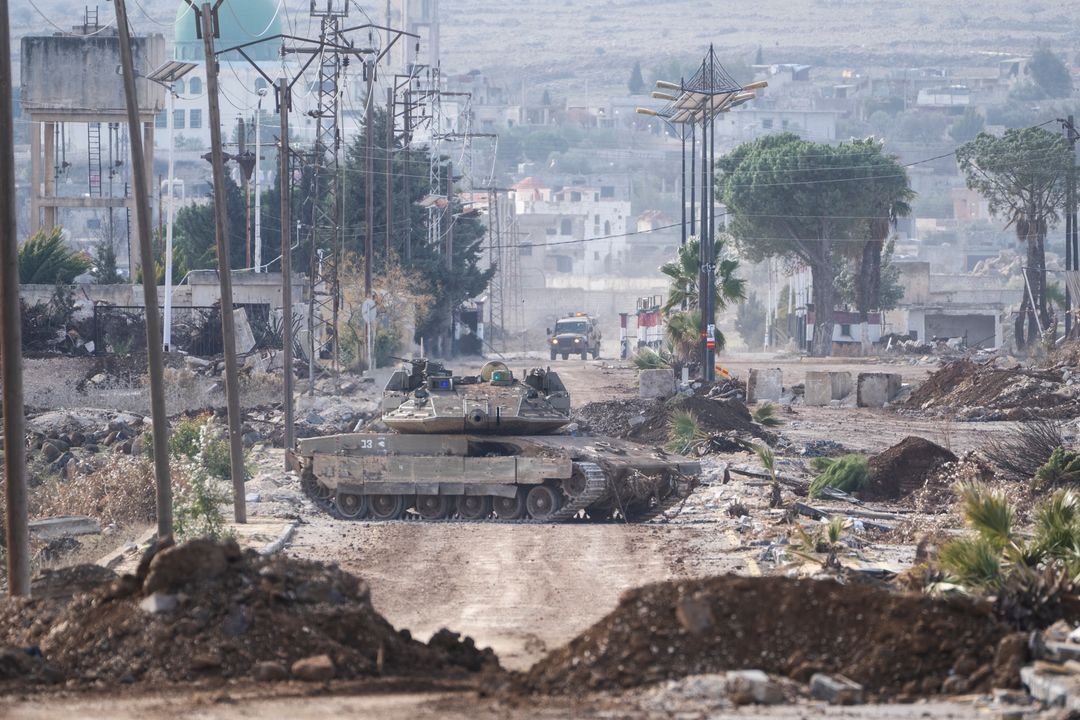
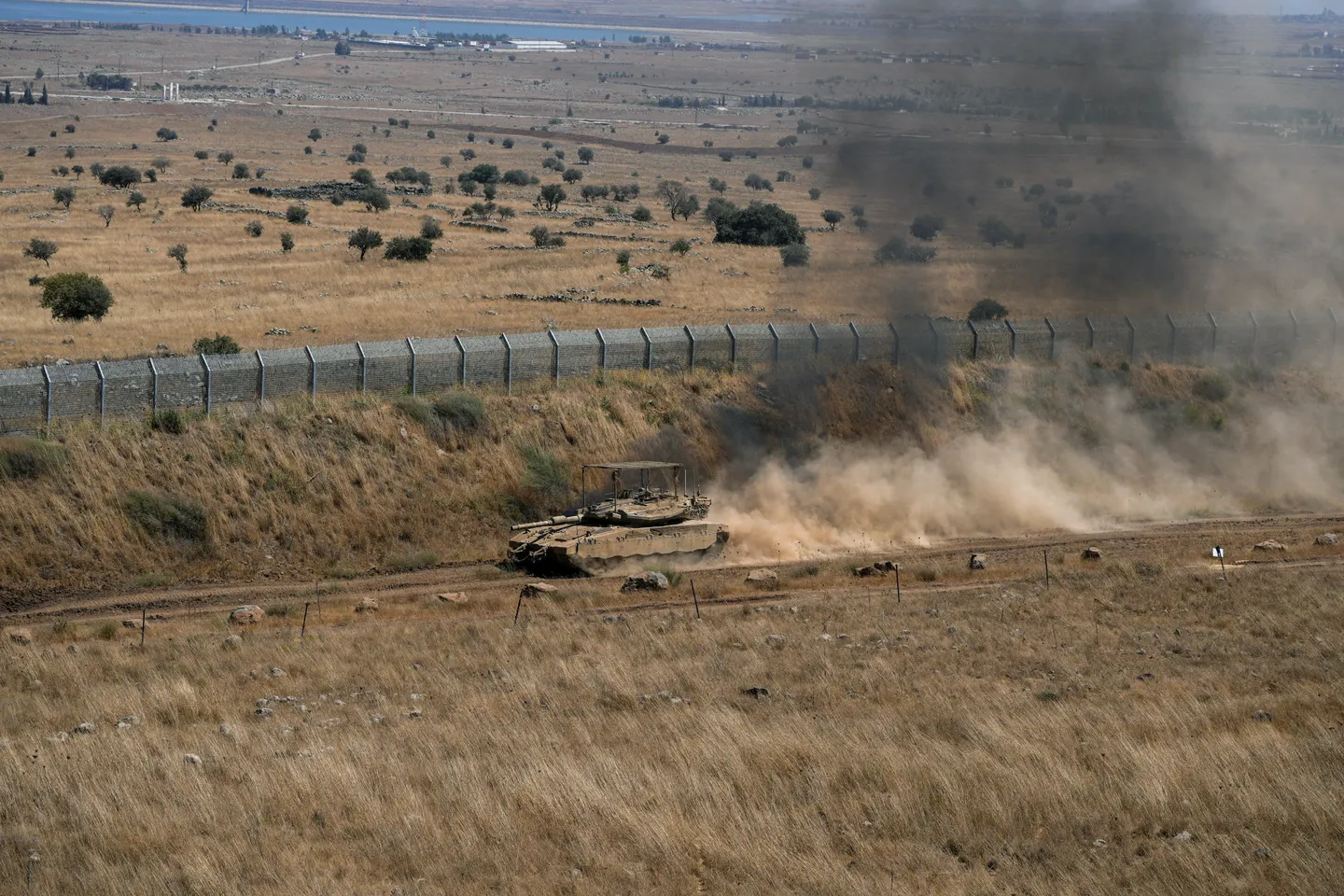
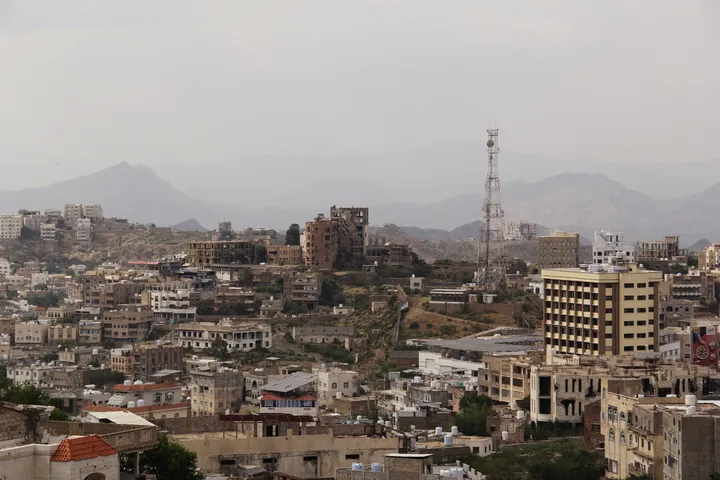
Areas of southern Syria, particularly Quneitra and Daraa provinces, have witnessed repeated Israeli military incursions, including raids on homes, the establishment of checkpoints and arrests, as well as shelling.
Israel has occupied most of the Syrian Golan Heights since 1967.

Following the fall of the Bashar al Assad regime on December 8 2024, Israel declared the 1974 Separation of Forces Agreement collapsed and occupied the demilitarised buffer zone and other positions, including the Syrian side of Mount Hermon (Jabal al-Sheikh).
On developments inside Syria, the commission said it was witnessing an acceleration in reconstruction and progress in efforts to build accountability institutions.
It stressed that “accountability is an essential element for the success of the transitional justice process in Syria.”
The commission also welcomed the renewal of its mandate and thanked the Syrian government for enabling it to carry out its work.
The UN Human Rights Council established the Independent International Commission of Inquiry on Syria in August 2011 to investigate alleged violations of international human rights law since March that year and identify those responsible where possible.
For years, the commission conducted its investigations from outside Syria because it lacked access to the country, relying on interviews with victims and witnesses as well as documents, photographs, videos and satellite imagery.