 Murat Sofuoglu
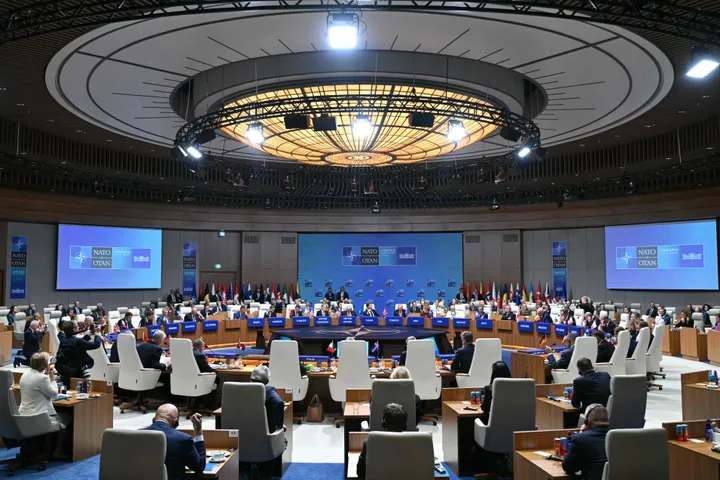
Türkiye will host one of NATO’s most important summits in early July, as Western divisions from Ukraine to Iran cast a dark shadow over the world’s most powerful military alliance.
Amid regional and global crises, Ankara has stood as a shining beacon of deft diplomacy and pragmatic policy, placing Türkiye on a unique platform among a few trusted nations that serve as mediators and peacemakers.
With the second-largest army in NATO, Türkiye has always been vital to the security of the alliance’s southern flank. Now, Ankara commands respect for its nimble diplomacy as well.
Ankara has established its credentials as both a rational political actor and a reliable partner in several key conflict theatres – from the Black Sea escalations amid the Ukraine conflict to the Hormuz tensions during the US-Israel attacks on Iran – by positioning itself as a mediator between warring sides.
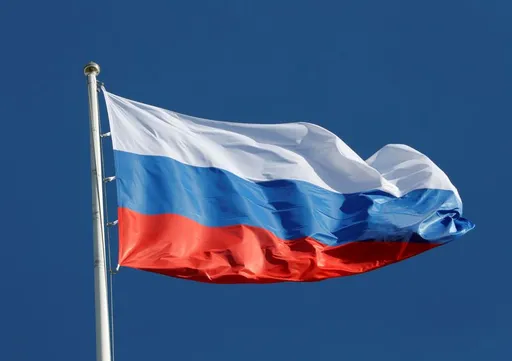
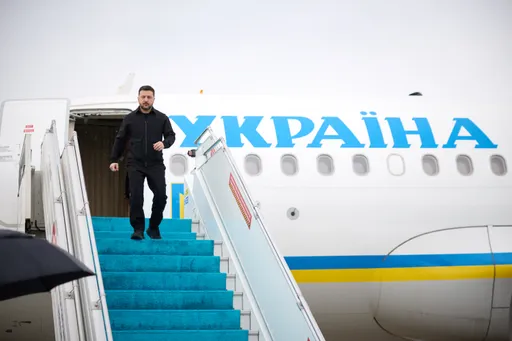
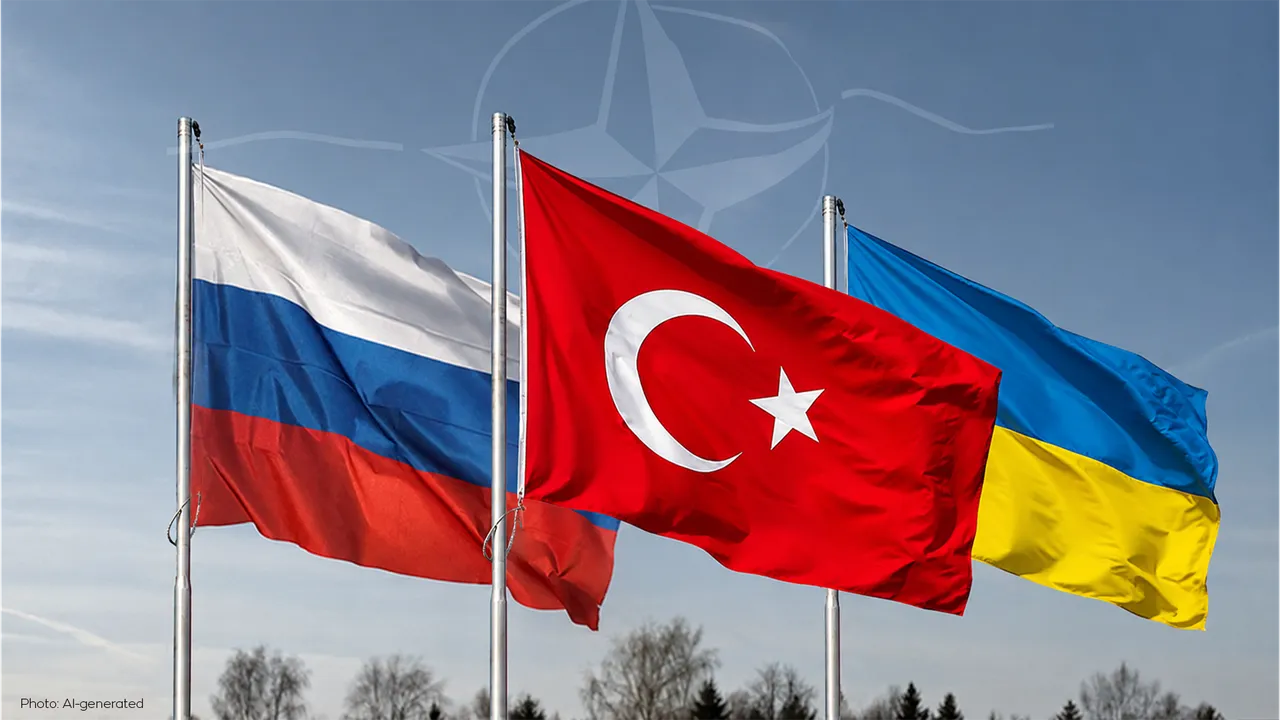
In the Ukraine conflict, Ankara has played a positive role in de-escalating tensions between two Orthodox Christian Slavic nations, hosting peace talks and coordinating prisoner exchanges thanks to Turkish President Recep Tayyip Erdogan’s access to both Russian and Ukrainian leaders.
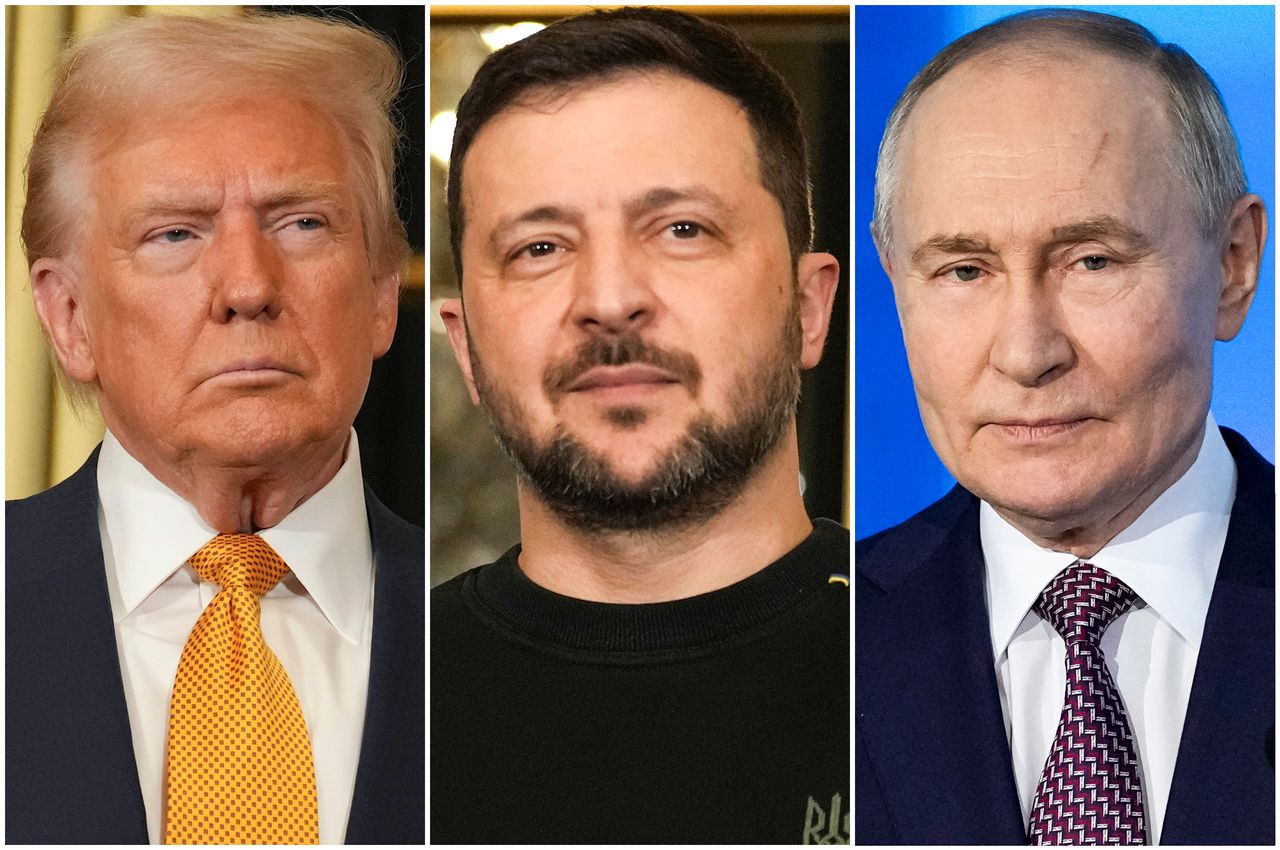
Erdogan's relationship with US President Donald Trump, together with his longstanding ties to Russian President Vladimir Putin and Ukrainian President Volodymyr Zelenskyy, has strengthened Türkiye's position as one of the few countries able to engage with all sides of the conflict, according to analysts.
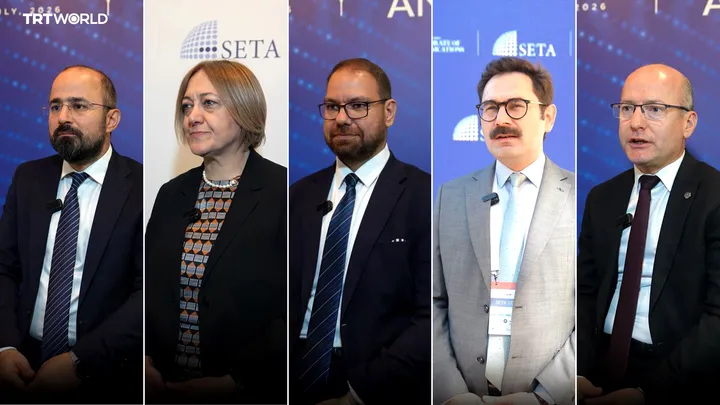
"Türkiye is one of the most realistic venues for a possible meeting between Zelenskyy and Putin. It has strong relations with Ukraine, working ties with Russia, and the added significance of being a NATO ally," says Ali Mammadov, a PhD researcher in political science at George Mason University's Schar School of Policy and Government.
"That combination gives Ankara a diplomatic position that very few actors have," Mammadov tells TRT World.
That assessment is shared by a source with close ties to NATO circles, who requested anonymity because of the sensitivity of his work.
"Turkish mediation has a high chance of success due to Trump's faith in Erdogan, who also has strong connections with Putin," the source says, adding that this dynamic could become more visible during the upcoming NATO summit.
Turkish mediation
From the very beginning of the conflict, Ankara hosted high-level talks between the two sides.
In March 2022, Russian and Ukrainian foreign ministers met on the grounds of the Antalya Diplomacy Forum, an event organised by the Turkish foreign ministry.
Three years later, they sat at the negotiating table again in the Dolmabahce Palace in Istanbul.
According to Mammadov, “Turkish mediation has helped preserve communication channels and create practical mechanisms in a war that could otherwise become even more dangerous and uncontrolled,” referring to measures such as Ankara’s brokering of the landmark Black Sea Grain Initiative, which ensured global food security by establishing a safe corridor at a crucial time.
He also emphasises that the value of mediation should not be measured solely by whether it immediately produces a final peace agreement.
“In a long war, limited arrangements can still shape behaviour, reduce uncertainty, and keep pressure on both sides to remain engaged with diplomatic processes,” he says.
“Türkiye’s role has been visible in prisoner exchanges, the Istanbul talks, and the Black Sea Grain Initiative, which helped maintain some degree of order around the conflict. Türkiye’s mediation has helped manage the war’s consequences and has prevented diplomacy from disappearing completely.”
The grain initiative has also shown that even during a major war, Türkiye could help create “a narrow but functional zone of cooperation,” allowing nearly 33 million metric tons of grain and foodstuffs to leave Black Sea ports, both reducing pressure on global food markets and helping manage tensions around commercial shipping, according to Mammadov.

Watch on the Black Sea
Beyond mediation, Türkiye has also sought to contain the conflict by implementing the 1936 Montreux Convention, which allows Ankara to restrict the passage of warships belonging to belligerent states through the Turkish Straits during wartime.
Ankara’s balancing act across Black Sea waters, which have witnessed fierce drone warfare between Ukraine and Russia targeting assets from warships to commercial ports and energy facilities as both countries have tried to gain an upper hand in the strategic region, has helped prevent the conflict from spreading to other areas.



This balancing act has emerged since Türkiye’s decision, at the start of the war in February 2022, to close its straits, which connect the Black Sea to the Mediterranean, to warships belonging to belligerent states, including Russia and Ukraine, in line with the Montreux Convention.
While the maritime agreement guarantees free passage for civilian vessels in peacetime, it also grants Ankara the right to regulate and limit military traffic during wars against both belligerent sides and other powers involved in the conflict, thereby endangering Turkish security.

“Türkiye’s proper legal guardianship across its straits through its obligations under the Montreux Convention and international law has largely ensured Black Sea security, preventing the war from reaching regional proportions,” Teoman Ertugrul Tulun, an Ankara-based political analyst at Eurasian Research Center, a Turkish think tank, tells TRT World.
Since 2022, Türkiye has not allowed Ukrainian and Russian military assets to pass through its straits, which has naturally prevented both sides from reinforcing their naval assets, particularly warships, in the Black Sea, thereby helping de-escalate tensions.
Türkiye, a NATO state, has also not allowed Western military assets to pass through its straits into the Black Sea to reduce potential risks.
“We are ensuring the establishment of relative security in the Black Sea by minimising the harm inflicted by the warring parties on each other as much as possible,” Tulun says.
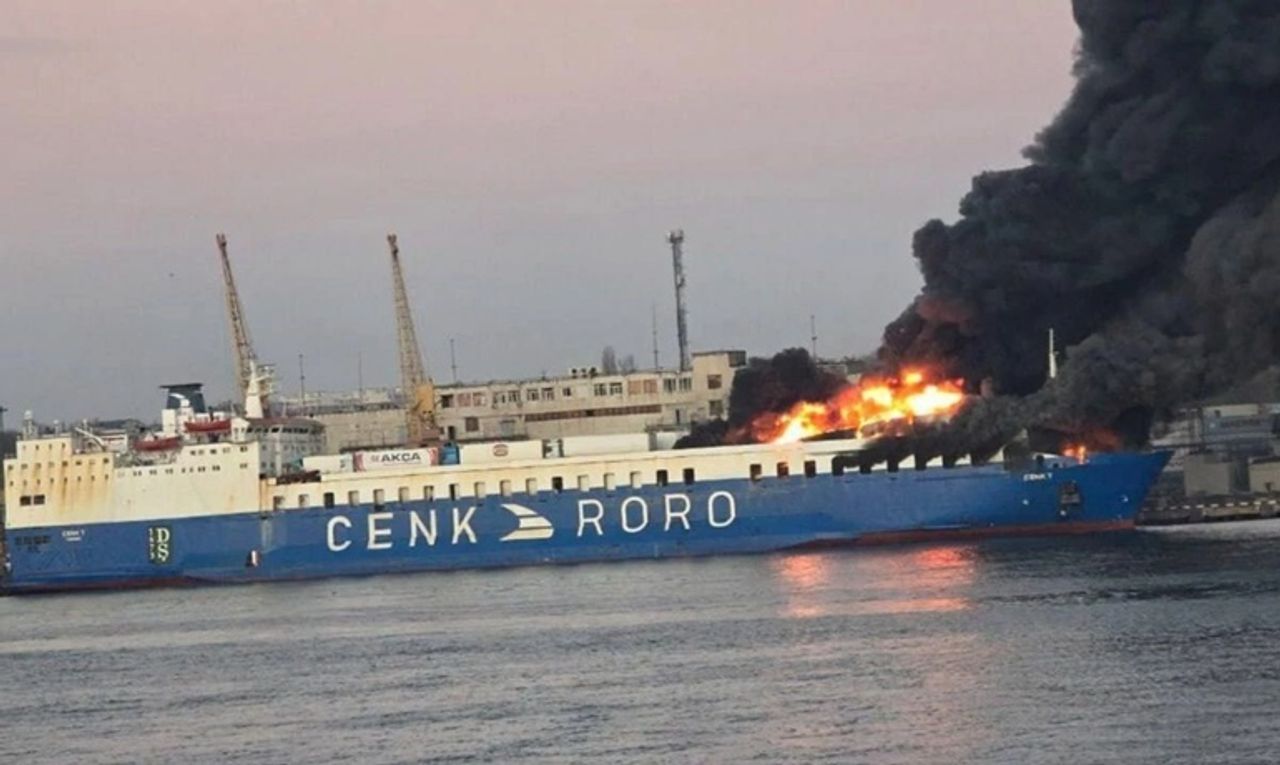
Türkiye, as a significant naval power with substantial military capabilities, is also instrumental in fostering regional cooperation between the two non-warring littoral states, Bulgaria and Romania, to stabilise the Black Sea region, according to Tulun.
In 2024, when sea mines became a real threat to commercial shipping in the Black Sea, Türkiye, Bulgaria, and Romania, three NATO states, formed MCM Black Sea (Mine Countermeasures Black Sea Task Group) to eliminate drifting naval mines in the region.
Since then, the task force has operated relatively smoothly, ensuring the safe passage of civilian vessels.
Mammadov agrees with Tulun, saying that Türkiye’s role in the Black Sea is diplomatic as well as geographic and military, as Ankara “remains essential to any serious discussion of maritime stability in the region.”
Strategic balancing
Türkiye's balancing strategy has been recognised by both Western governments and Russia, with Ankara emerging as one of the few credible venues for potential talks between Putin and Zelenskyy.
“Türkiye’s position in the Ukraine war is best understood as strategic balancing with a clear interest in regional stability,” says Mammadov,
“Ankara has supported Ukraine’s sovereignty and territorial integrity, refused to recognise Russia’s annexation of Crimea, and maintained important defence cooperation with Kiev. At the same time, Türkiye has kept diplomatic channels open with Moscow and avoided fully joining the Western sanctions strategy,” he adds.
Mammadov draws attention to the fact that Ankara does not want a Russian victory that would “embolden” Moscow across areas from the Caucasus to Central Asia, a Turkic region, in which Türkiye has recently increased its influence while the Kremlin has lost considerable ground in countries like Armenia to Azerbaijan.
But Türkiye, which has strong energy and economic ties with Moscow, also wants “to preserve space for a durable settlement that reduces future escalation risks” with Russia, the analyst says.

“That is why Türkiye occupies a distinctive position as a NATO ally with credibility in Kiev, working ties with Moscow, and direct security interests in the outcome of the war.”
Tulun echoes Mammadov's comment.
“Türkiye, which has played a balancing role between Ukraine and Russia in the Black Sea region, has gained the trust of both warring sides, which understand our neutral position and positive behaviour aiming to stabilise tensions,” says the analyst.