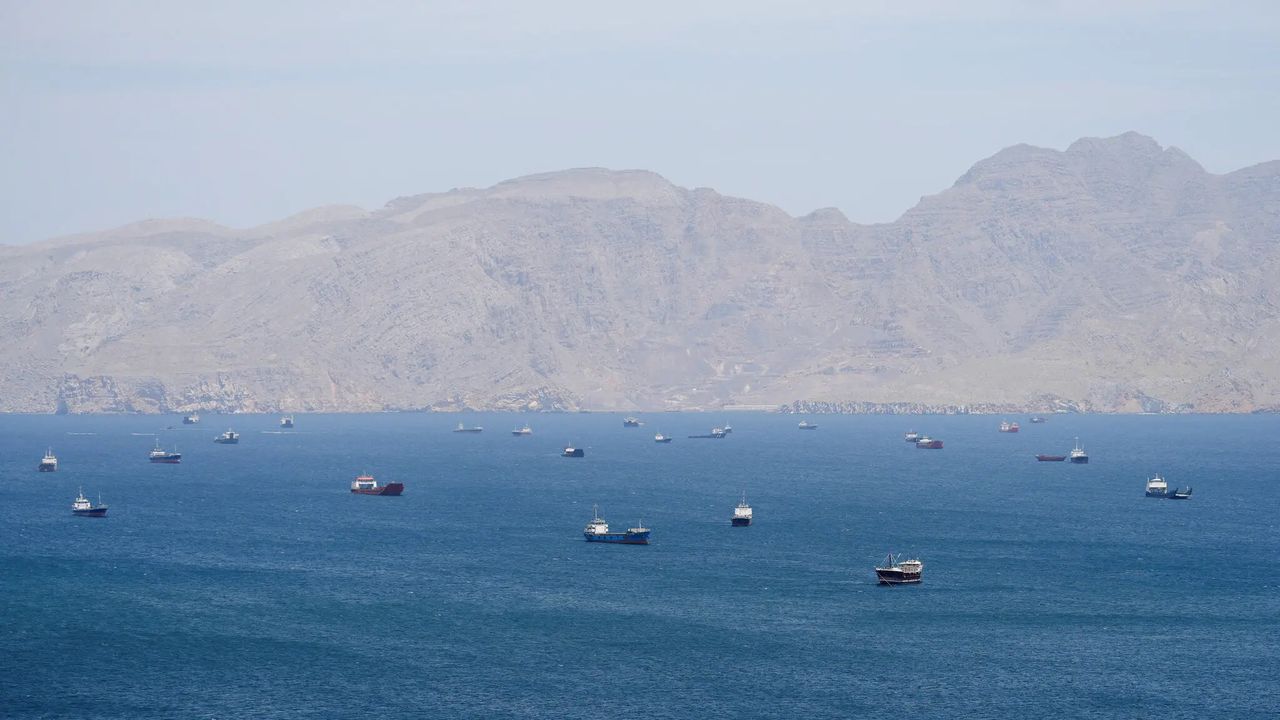
Iran’s supreme leader has said that the future of the Gulf will unfold “without US presence,” stressing that new legal and management frameworks for the Strait of Hormuz will enhance stability and economic prospects.
In a written statement released on Thursday by his office to mark Persian Gulf National Day, Mojtaba Khamenei said the presence of foreign powers, particularly the United States, has been a source of instability in the region, adding that a “new phase is emerging.”
He described the Gulf as central to regional identity and global trade, stressing the strategic importance of the Strait of Hormuz and the Sea of Oman.
Khamenei said Iran would ensure security in the Gulf through what he described as new management of the Strait of Hormuz, including updated legal frameworks.
“These frameworks will bring stability, progress and economic benefits for all nations in the region,” he added.
The supreme leader said regional countries share a common destiny in the Gulf and that external actors “from thousands of kilometres away” have no place in their future.
The message also referred to what it described as a “new regional order” emerging from recent developments.
Fragile ceasefire
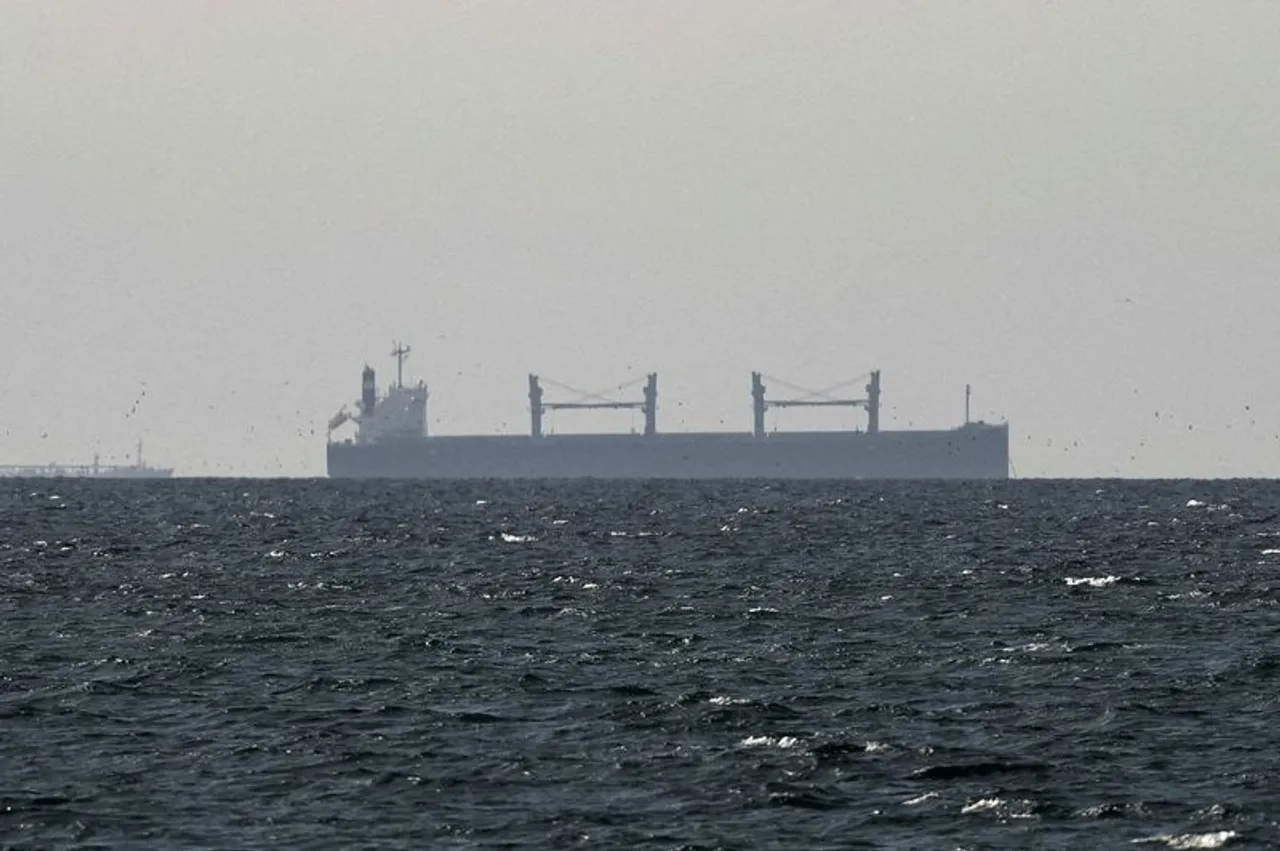
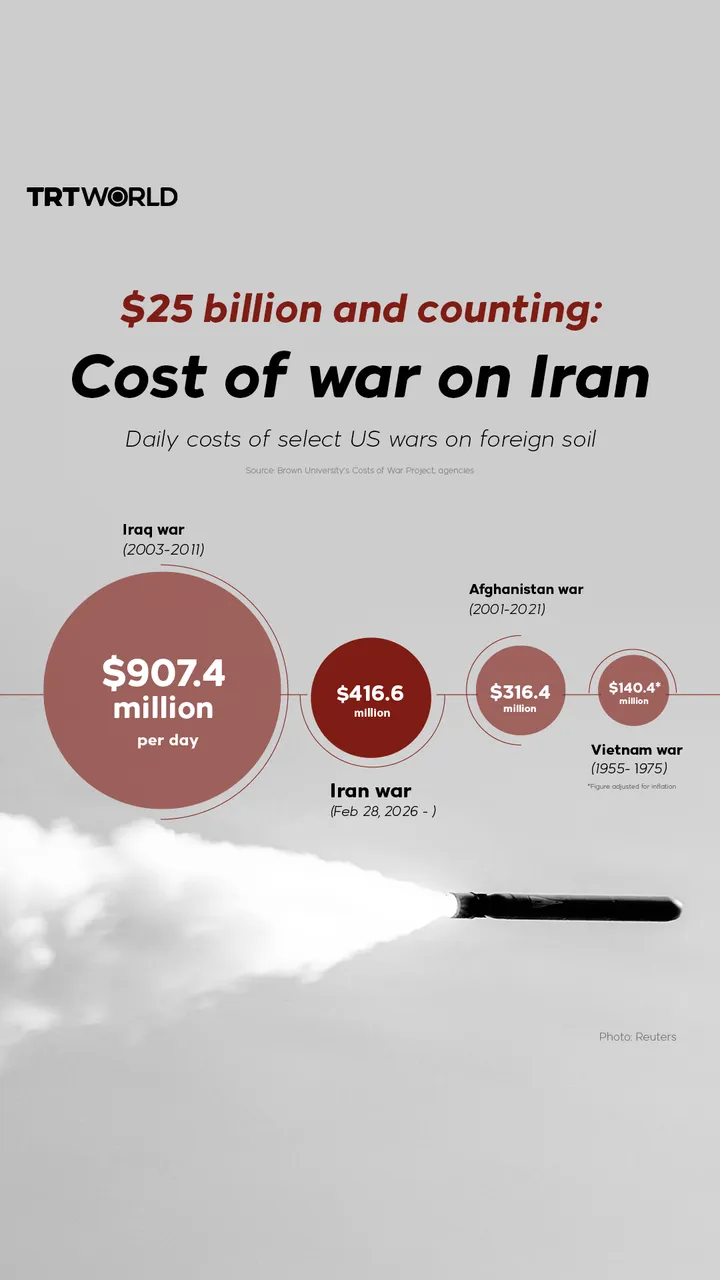
The statement comes amid heightened tensions following the war that began on February 28 between Iran and the United States and Israel, which disrupted shipping and energy flows through the Strait of Hormuz.
A ceasefire announced on April 8 has so far held, while diplomatic efforts continue to reach a broader agreement, including discussions over maritime access and security in the Strait of Hormuz.
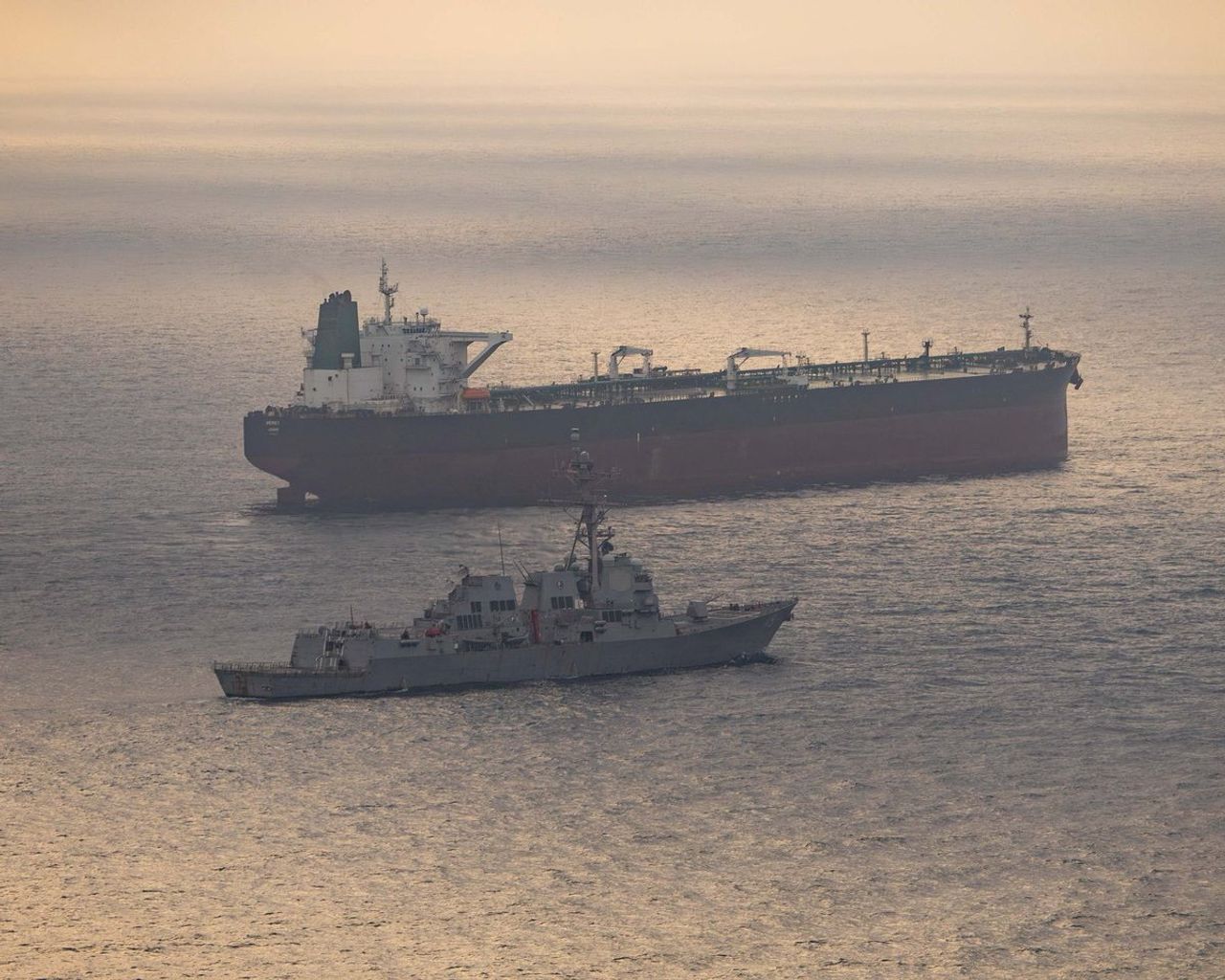
Following the deadline of the ceasefire talks, the parties maintained an open-ended truce. However, the US imposed a naval blockade on Iranian ports and shipping, enforced by the Navy, to further restrict oil exports and economic lifelines as leverage in negotiations.
Iran designated April 30 as Persian Gulf National Day in 2005, commemorating the expulsion of Portuguese forces from the Strait of Hormuz during the Safavid era.
Mojtaba Khamenei was selected as the supreme leader on March 9 following the killing of his father, Ali Khamenei, in US-Israeli strikes on February 28.
Since taking office, he has communicated only through written statements.