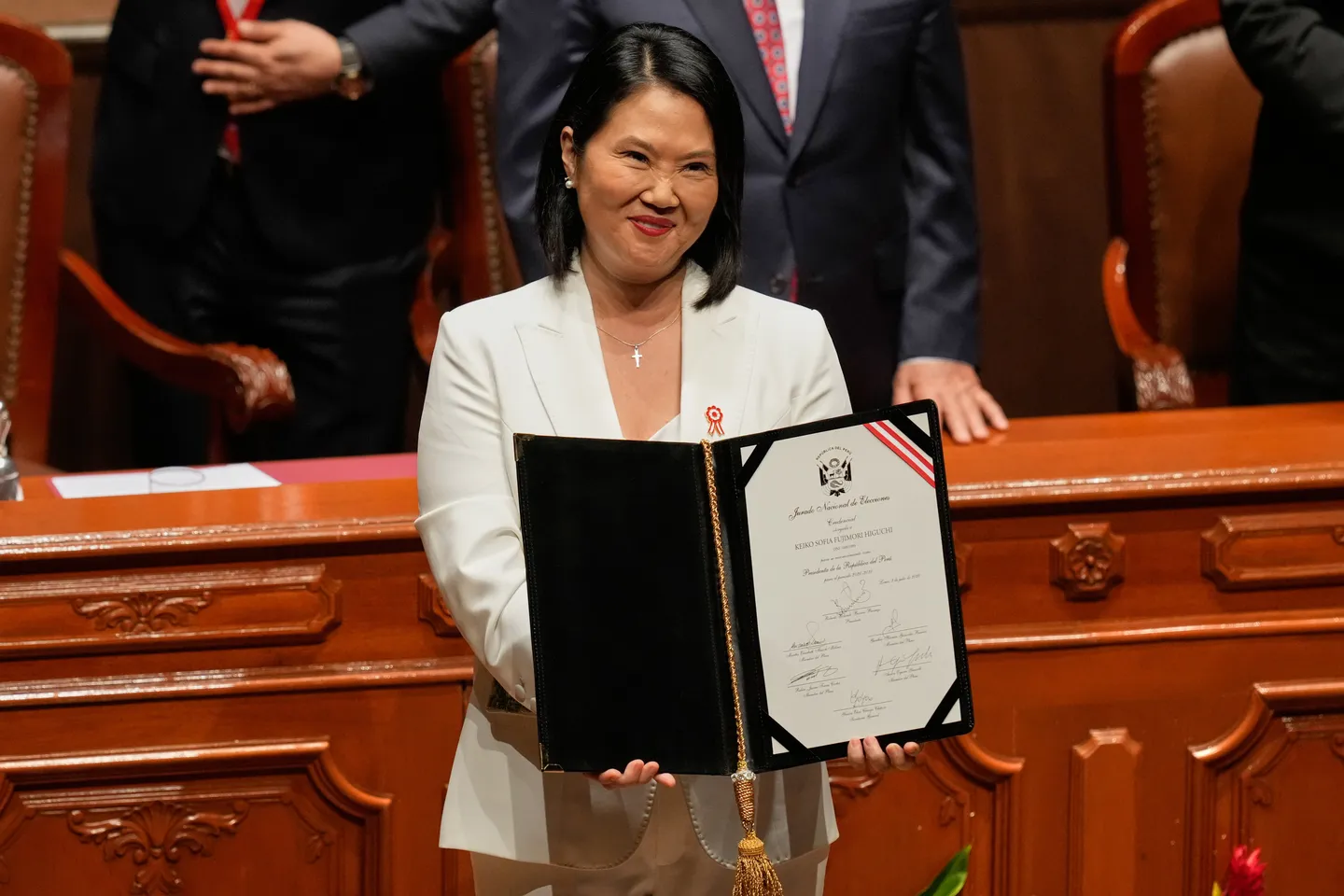
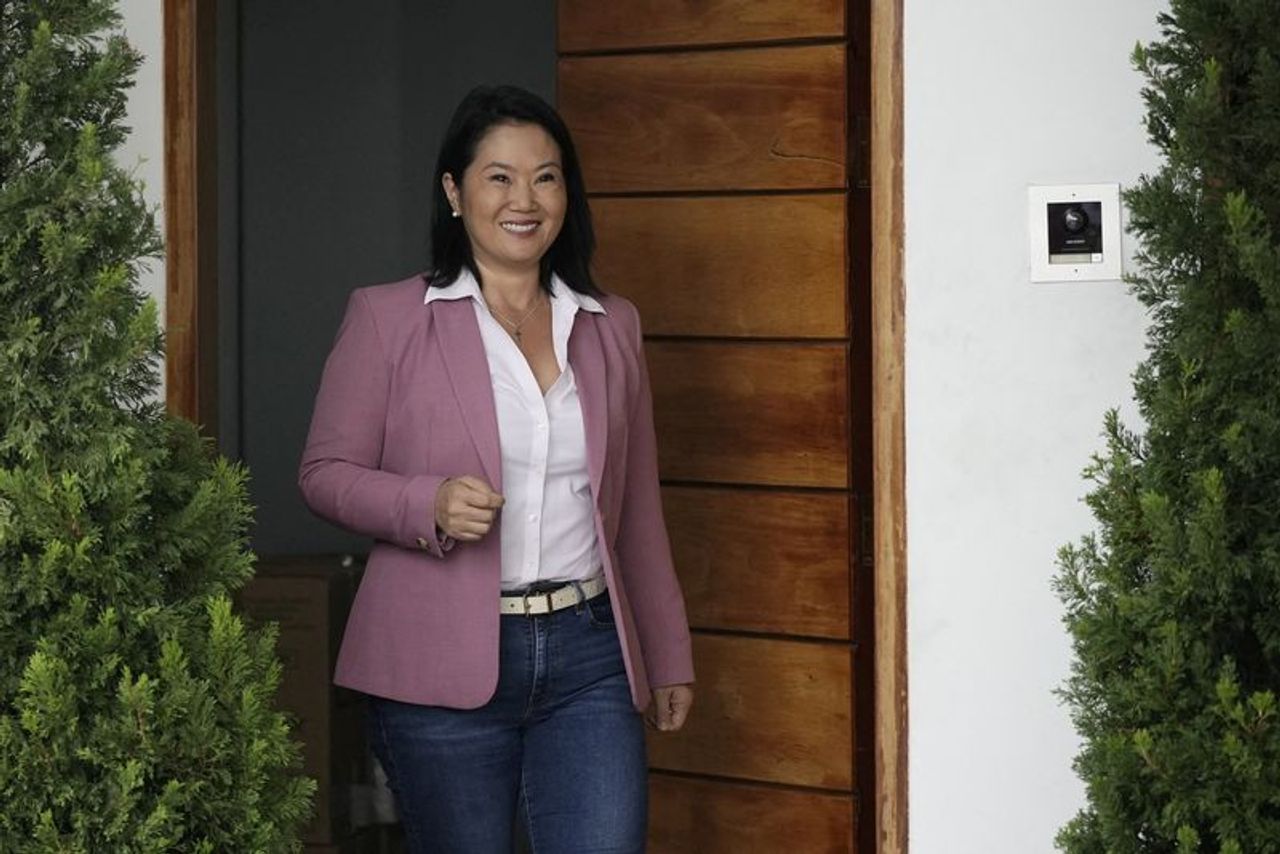
Set to be sworn in as Peru’s first female president, 51-year-old Keiko Sofía Fujimori Higuchi will take office under the weight of history and a deeply divided nation.
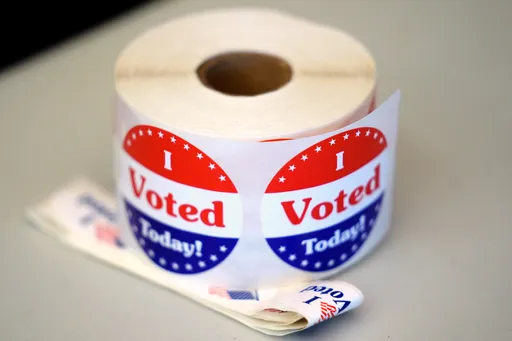
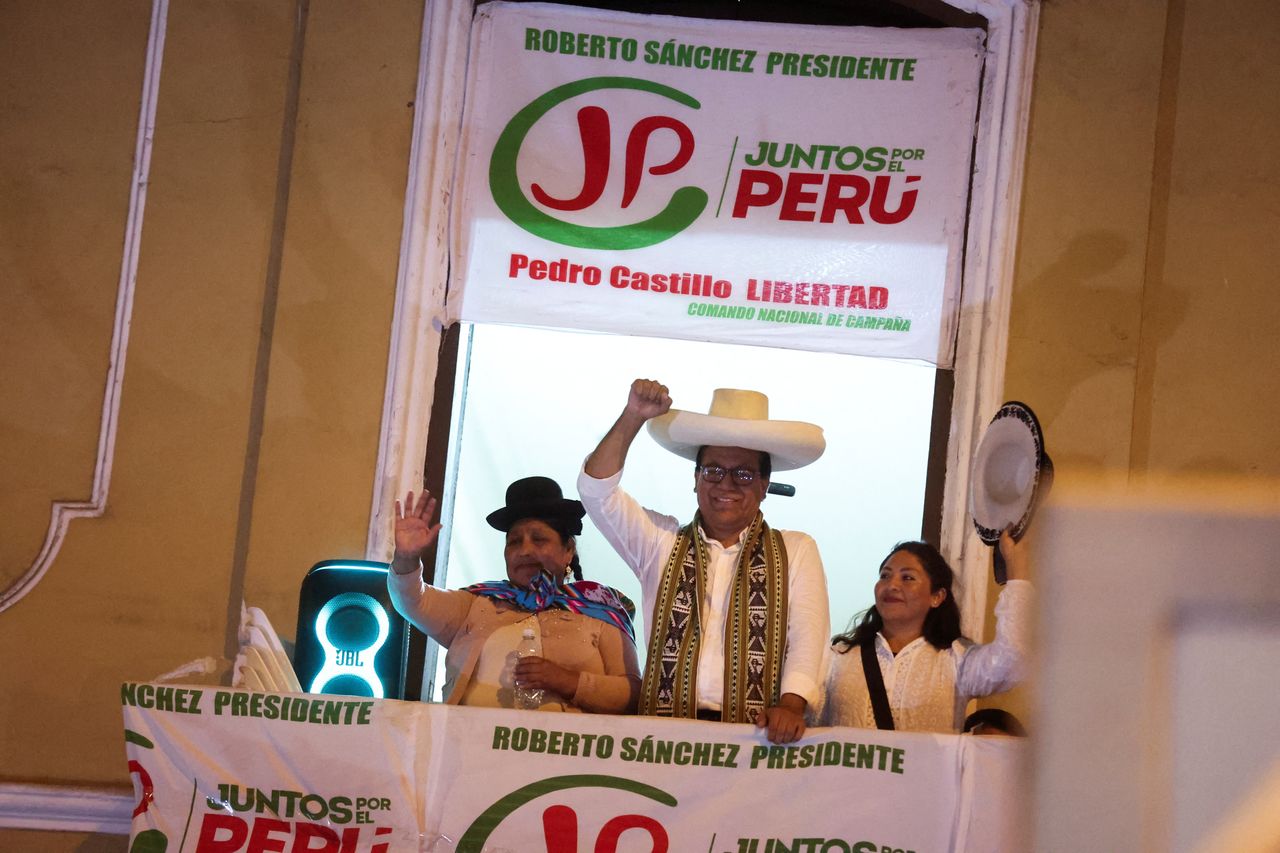
Her inauguration marks the end of a dramatic political saga. On July 4, after nearly a month of painstaking vote counting and tense legal challenges, Fujimori was formally declared president-elect, edging out candidate Roberto Sanchez by a razor-thin margin of 50.1 to 49.8 percent to claim the presidency on her fourth attempt.
While Sanchez drew massive support across the impoverished southern Andes, Fujimori propelled her victory by dominating the vote in the densely populated capital of Lima and securing a wide margin among Peruvians living abroad.
The official declaration marked the culmination of one of the most polarised elections in the South American country’s history.
For decades, the phenomenon known as antifujimorismo, a persistent bloc of voters who would align with almost any rival to keep her out of power, seemed an insurmountable wall.
But on her fourth attempt following losses in 2011, 2016 and 2021, Fujimori finally chipped away at that resistance, capitalising on a nation exhausted by rampant crime and institutional paralysis.
Born in a polarising dynasty
Fujimori’s political trajectory was forged in the midst of a crisis. In 1994, at just 19 years old, she was thrust into the public eye as First Lady of Peru following the bitter separation of her parents, Susana Higuchi and then-President Alberto Fujimori.
That early exposure tied her permanently to her father’s authoritarian legacy, a polarising history marked by economic stabilisation on one hand and severe corruption and human rights violations on the other, for which the patriarch served 25 years in prison.
The weight of that legacy frequently tore through her personal life. During her father’s imprisonment, Keiko famously broke with her younger brother, Kenji, when he sought a political deal with then-President Pedro Pablo Kuczynski to secure a pardon, directly defying Keiko’s strategy to force Kuczynski from office.
Educationally and politically, however, she carved her own path. Born in Lima on May 25, 1975, Fujimori earned a degree in business administration from Boston University and an MBA from Columbia University.
Entering Congress in 2006, she made history by garnering 602,869 individual votes, the highest tally recorded for a legislator up to that point.
In 2009, she founded Fuerza Popular, converting her father's movement into a disciplined party.
But controversy trailed her closely: she spent 13 months in pre-trial detention amid allegations of illicit campaign financing linked to Brazilian construction giant Odebrecht, charges she has steadfastly denied.
The quest for the presidency



For 15 years, the presidency remained tantalisingly out of reach for Fujimori. In 2011, at age 36, her first presidential bid ended in a narrow run-off loss to Ollanta Humala.
In 2016, entering as the overwhelming favourite with nearly 40 percent of first-round votes, she was defeated in the second round by banker Pedro Pablo Kuczynski by a mere 41,000 votes. By 2021, battered by the "Cocktails" campaign finance trial, she scraped into the run-off with just 13 percent of the vote before losing to rural teacher Pedro Castillo by a fraction of a percentage point.
It was only in 2026, after running on an aggressive platform centred on public safety, organised crime crackdowns and free-market revival, that Fujimori managed to push past the finish line.
Her economic promises immediately reassured international markets, unlocking delayed mining investments in the world's third-largest copper producer after fears of a leftist victory subsided.
A new chapter in a politically unstable country
When Fujimori takes the oath of office at the Palace of Congress on July 28 — coinciding with Peru’s 205th anniversary of independence — she will become the nation’s ninth president in just 10 years.
She inherits a country deeply traumatised by political turbulence. The cycle of instability began in 2018 with Kuczynski’s resignation amid allegations of vote-buying. His successor, Martin Vizcarra, was impeached by Congress for "moral incapacity" in 2020, sparking protests that brought down interim leader Manuel Merino in just five days.
Interim President Francisco Sagasti stabilised the country briefly until the 2021 election of Pedro Castillo, who was removed in late 2022 after attempting to dissolve Congress. Castillo's successor, Dina Boluarte, was herself impeached in late 2025 as gang violence and extortion spiked across Peruvian cities.
New rules for a frail democracy
To break this pattern of perpetual conflict between the executive and legislative branches, the incoming administration will operate under a newly reformed constitution. Congress has transitioned from a unicameral assembly back to a bicameral legislature, reinstating a 60-seat Senate for the first time since 1992.
Under the new rules, Fujimori’s Fuerza Popular and Sanchez’s Juntos por el Peru will divide power across both chambers alongside smaller conservative and populist factions.
Crucially, any future attempt to impeach the president will require a rigorous two-thirds majority vote in both the Chamber of Deputies and the Senate, a structural safeguard intended to prevent the rapid legislative coups that defined the past decade.
A regional shift
Fujimori’s victory coincides with a broader ideological realignment across Latin America. Her election mirrors conservative momentum across the hemisphere, where leaders like El Salvador's Nayib Bukele, Argentina's Javier Milei, Chile's Jose Antonio Kast, Colombia’s Abelardo de la Espriella and Ecuador's Daniel Noboa have forged strong ties with Washington.
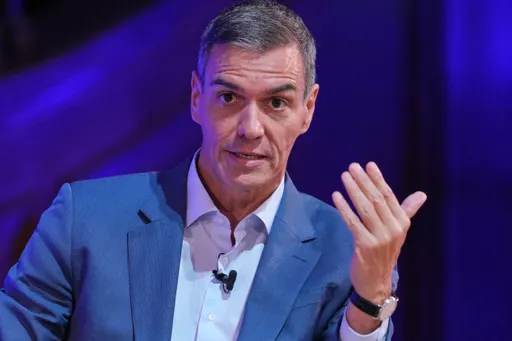
As international dignitaries, including King Felipe VI of Spain and eight Latin American heads of state, gather in Lima for Tuesday's swearing-in, all eyes remain on whether she can deliver lasting stability.