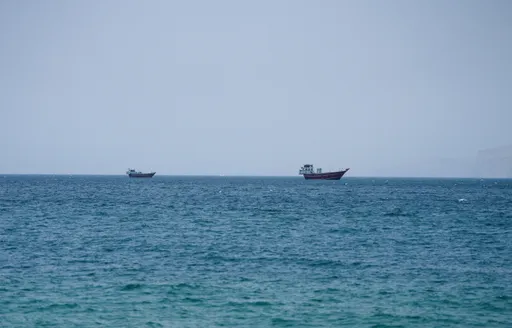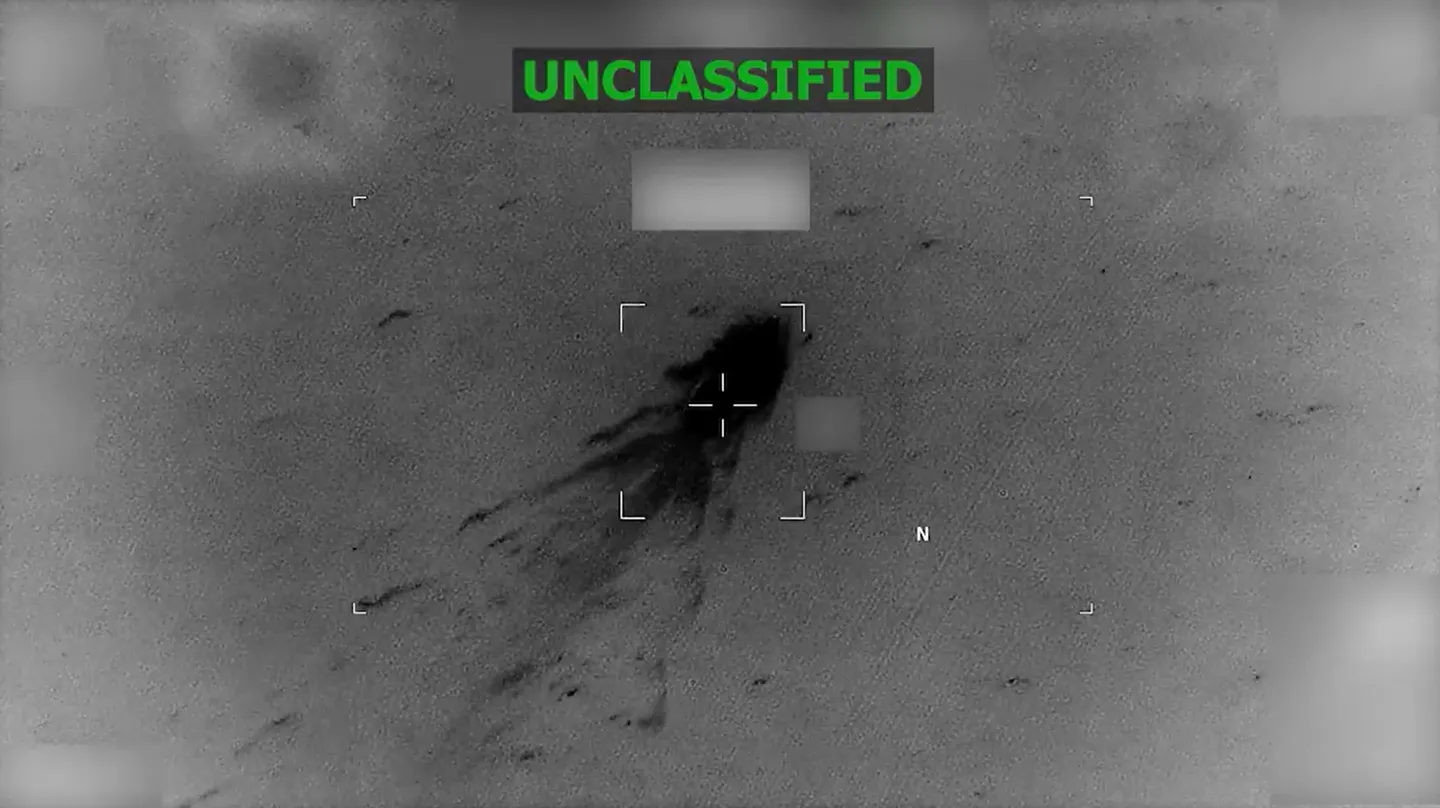
A US Drug Enforcement Administration (DEA) assessment has found that the US administration's months-long military campaign against alleged drug trafficking boats has failed to reduce the supply of cocaine entering the US, according to a report.
According to the Washington Post, DEA analysts have found the deadly strikes on small boats in the Caribbean and the Eastern Pacific Ocean, which began last September, did not reduce the supply of cocaine in the US, but instead led traffickers to adapt to larger boats and routes closer to coastlines, where US forces are less likely to open fire.
"When you squeeze the balloon on one side, it always expands on the other side," one anonymous DEA official was quoted as saying.
"They always find the weak spots and exploit them," the official added.
Pentagon officials told the Senate Armed Services Committee last month that cocaine seized in the operation's target areas continues to show high purity levels, an indicator that supply has not meaningfully declined, it reported, citing a congressional aide familiar with the briefing.
The White House defended the operations, saying the measures "have not only eliminated narcoterrorists themselves, but also discouraged bad actors from trying to smuggle drugs," according to the Post.







'Detect, disrupt and dismantle'
Chief Pentagon spokesman Sean Parnell said Operation Southern Spear was doing "exactly what it was designed to do: detect, disrupt and dismantle designated terrorist organisations and the networks they rely on to traffic narcotics, generate illicit revenue, and threaten the security of the United States and the Western Hemisphere."
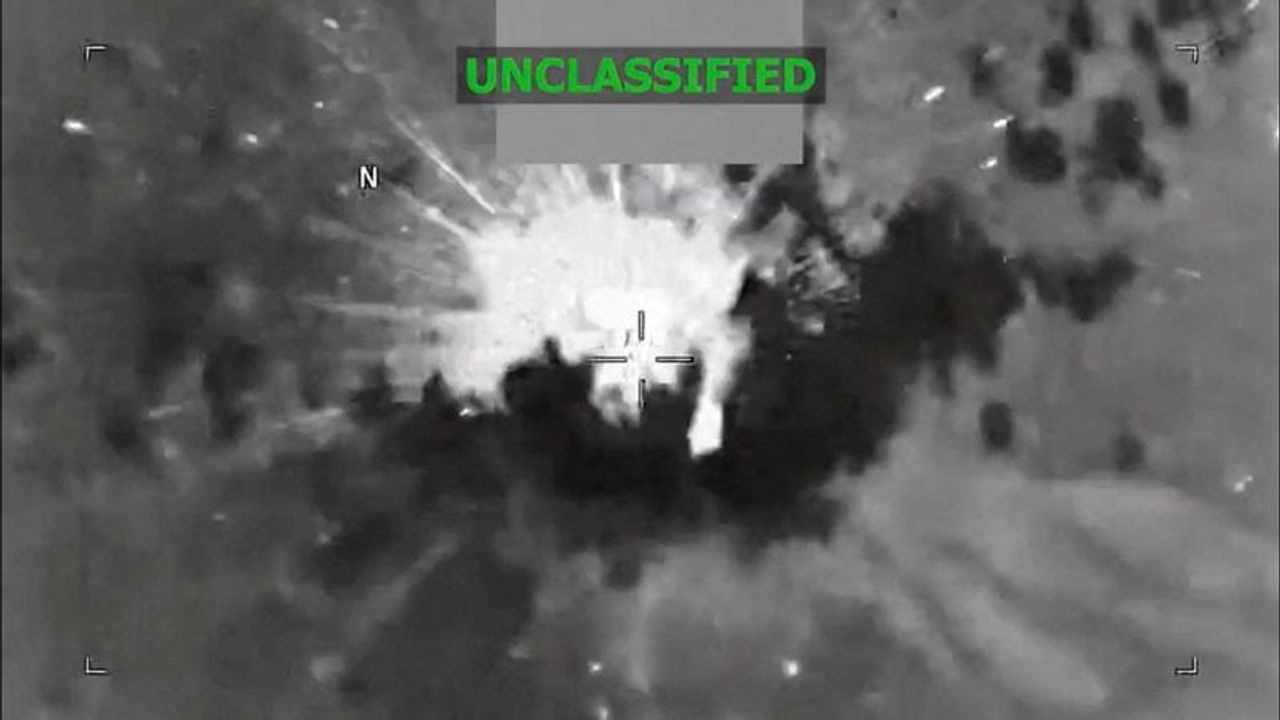
US forces have struck at least 67 boats and killed at least 221 people since the campaign began in September 2025.
In addition to questions about their efficacy, human rights groups, US Democratic lawmakers, international bodies, and South American countries have voiced concerns about whether the strikes are illegal or amount to extrajudicial murder.