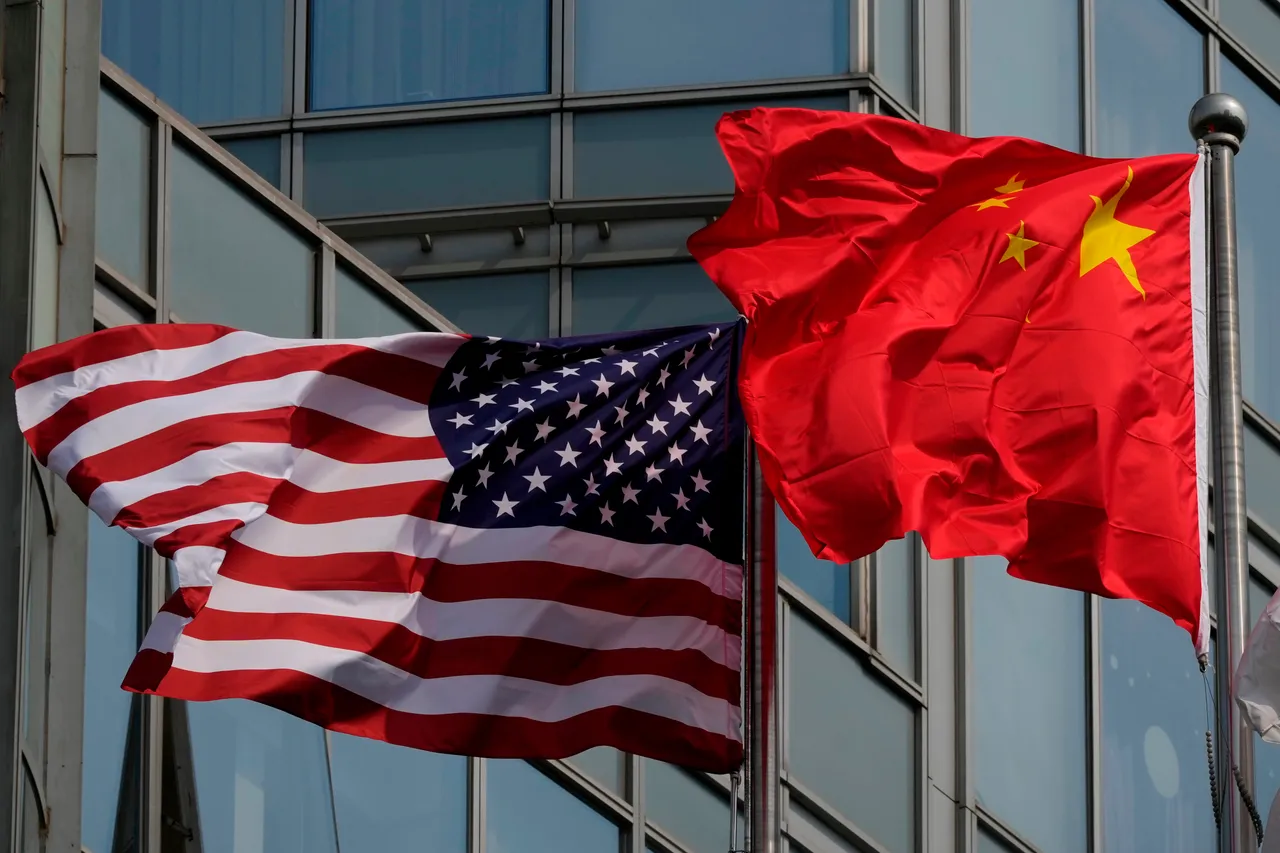
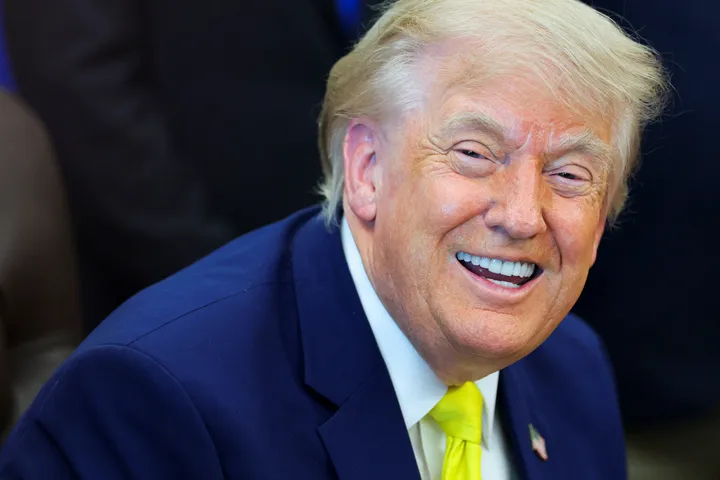
US President Donald Trump is in China this week from May 12-15 for one of the most consequential foreign visits of his second term, as Washington and Beijing try to manage deep divisions over trade, technology and global security.
The summit with Chinese President Xi Jinping comes at a volatile moment, with the Iran war reshaping diplomatic priorities, economic tensions still simmering and both powers seeking leverage in an increasingly fractured world order.
The visit also follows years of tariff battles between the world’s two largest economies, with Trump’s 2025 trade war still shaping talks on technology and market access.
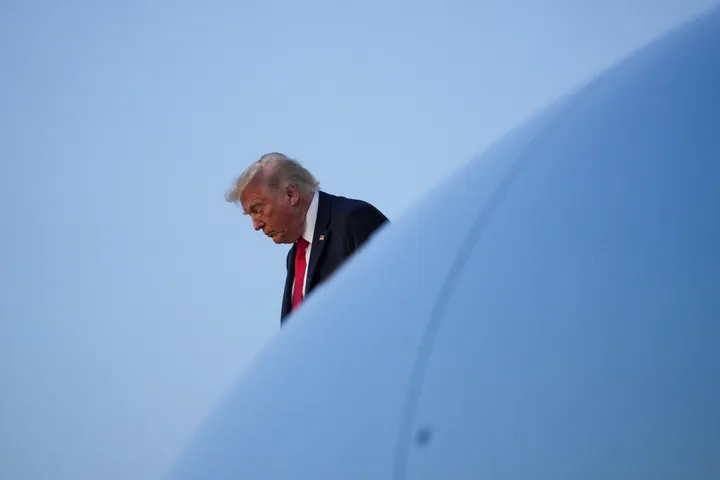
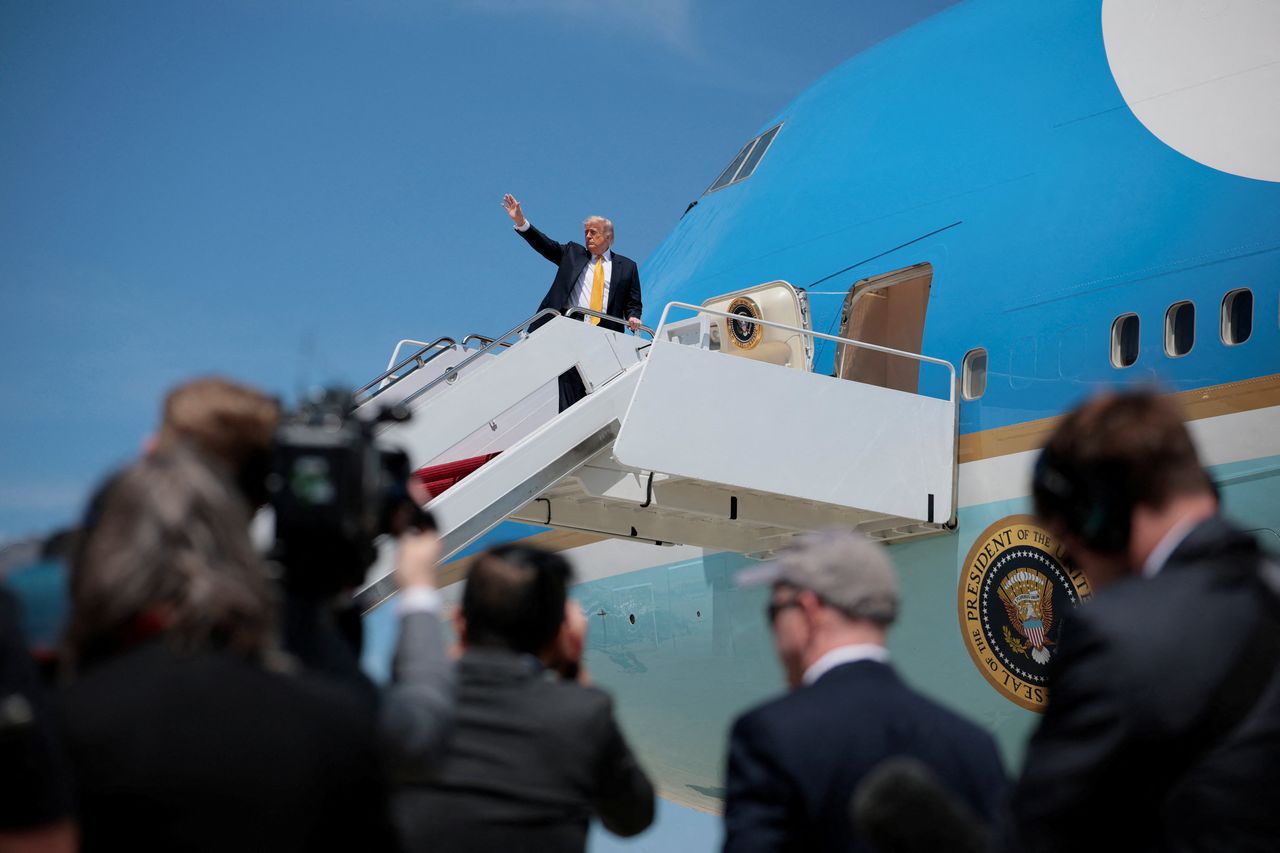
Trump departed Washington on May 12 and is expected to arrive in Beijing on May 13, with key meetings on May 14–15. Both sides have emphasised stabilising bilateral ties, though expectations remain focused on pragmatic deals rather than major breakthroughs.
Here are five key things to know about Trump’s visit to China.
It’s the first US presidential visit to China in nearly a decade
Trump's visit to Beijing this week for a high-stakes summit with Chinese President Xi Jinping marks the first visit by a sitting US president to China since Trump’s own 2017 trip.
Before Trump’s 2017 visit, former president Barack Obama travelled to China in 2016 for the G20 summit, while George W Bush visited in 2008 for the Beijing Olympics.
Such visits remain relatively rare because of the complexity of US-China ties, where trade cooperation often overlaps with deep rivalry over security, technology and regional influence.
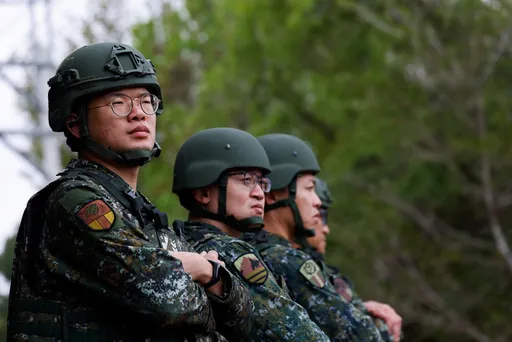
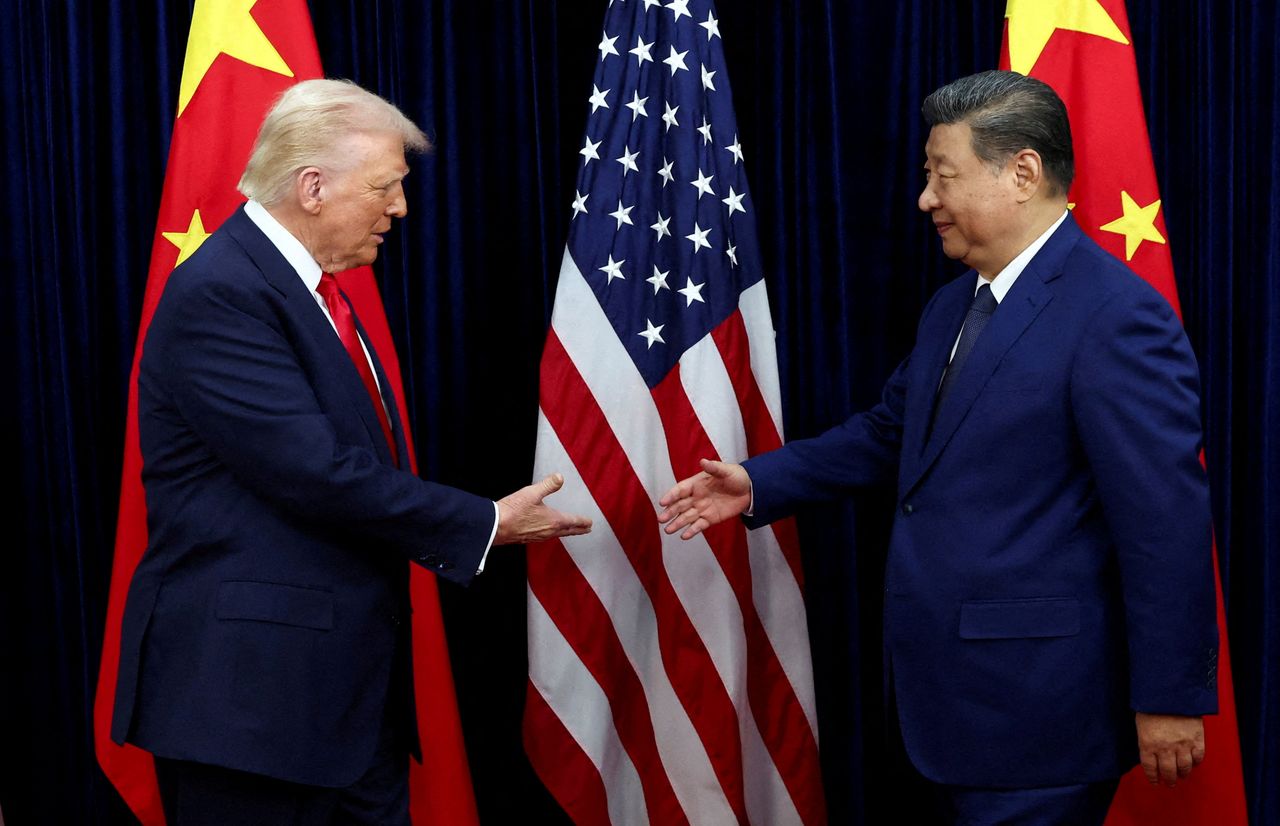
The meetings meetings between Trump and Xi are scheduled for May 14-15 and are being framed by both sides as an effort to stabilise ties after years of trade friction, technology disputes and tensions over Taiwan.
Big US business leaders are traveling with Trump
The US delegation includes a heavyweight corporate lineup.
Executives linked to companies including Nvidia, Apple, Boeing, Goldman Sachs, Tesla and BlackRock are accompanying Trump, including Elon Musk and Tim Cook.
The trip is being pitched partly as an effort to reopen opportunities for American firms in the Chinese market, particularly in technology and manufacturing.
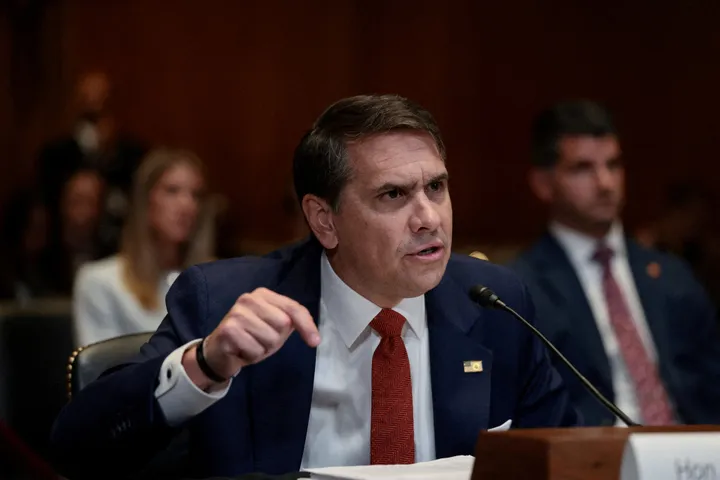
The CEOs accompanying Trump are drawn mainly from companies seeking to resolve business issues with China, such as Nvidia, which has struggled to get regulatory permission to sell its powerful H200 artificial intelligence chips there.



"I will be asking President Xi, a Leader of extraordinary distinction, to 'open up' China so that these brilliant people can work their magic," he said in post on Truth Social, referring to the CEO delegation.
Trade, not tariffs alone, is back at the centre
The White House is pushing for expanded Chinese purchases of US goods, especially soybeans, beef, energy products and Boeing aircraft, while Beijing wants relief from US semiconductor restrictions.
Analysts quoted by Reuters say expectations for a major breakthrough are modest, with both governments instead aiming to preserve a fragile trade truce reached last year.
The Iran war is looming over the summit
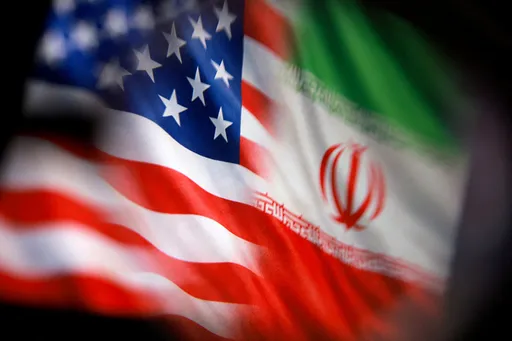
Even though trade dominates the agenda, the ongoing Iran conflict is expected to shape nearly every major conversation.
Trump has said he will have a “long talk” with Xi about it and China’s influence with Tehran, including the Strait of Hormuz.
Trump is seeking Beijing’s help in pressuring Tehran and preventing wider regional escalation, while China has criticised some US actions tied to the conflict.
Taiwan is another flashpoint, with US arms sales likely to come up. Other topics may include fentanyl, critical minerals, and regional stability.
The war has weakened Trump politically at home and increased China’s diplomatic leverage ahead of the talks, AP reported.
Symbolism and ceremony matter as much as policy
Chinese officials are staging an elaborate diplomatic reception, including events tied to Beijing’s historic Temple of Heaven.
AP reported that the choreography of the visit is itself a political signal: Beijing wants to show respect for Trump while also projecting confidence that China now approaches Washington from a stronger position than during Trump’s first presidency.