 Abhishek G Bhaya
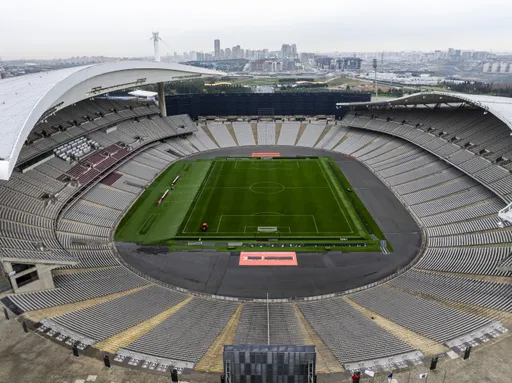
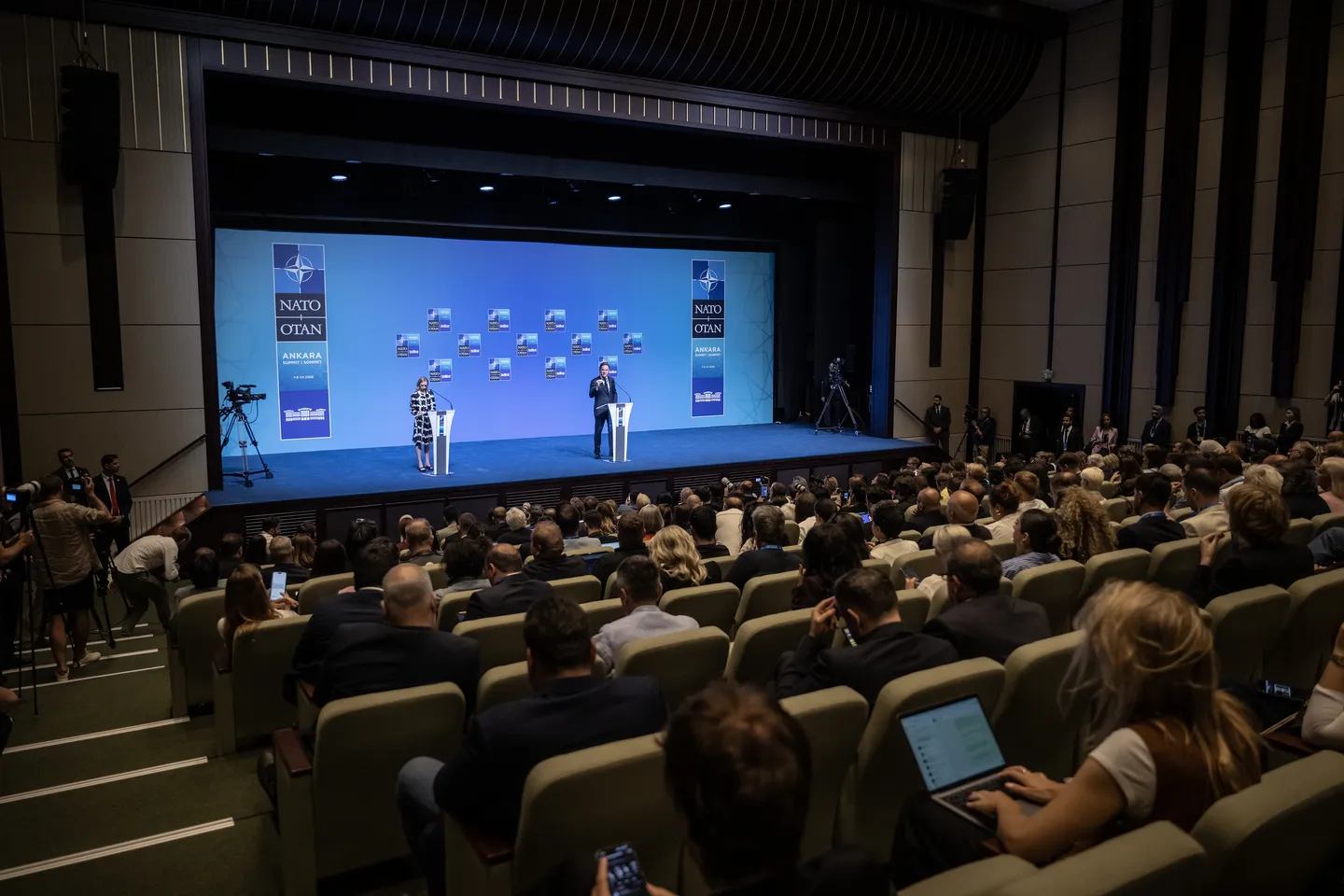
As NATO leaders converge on Türkiye's capital for the alliance's 36th summit, Ankara is emerging as much more than the venue for a gathering of military allies.
The two-day summit comes at a time of heightened geopolitical uncertainty, with Russia's war in Ukraine, instability across the Middle East and renewed debates over transatlantic burden-sharing reshaping NATO's priorities. Against that backdrop, the Turkish capital is set to host not only formal alliance meetings but also a series of high-stakes bilateral engagements that could influence the course of regional and global diplomacy.
Following his arrival in Ankara on Monday, NATO Secretary General Mark Rutte met President Recep Tayyip Erdogan at the Presidential Complex to review the summit agenda and discuss regional and global developments.
Erdogan said Türkiye had completed all preparations for the summit and voiced hope that it would "produce positive results" for the alliance. He also stressed that discussions should span "from collective defence to strengthening defence industry cooperation among allies," highlighting the growing importance of NATO's industrial capacity alongside its military capabilities.
Defence industry in the spotlight
The emphasis on defence production reflects one of the defining themes of this year's summit. Even before leaders formally convene, governments are using the NATO Defence Industry Forum in Ankara to unveil new investment plans and industrial partnerships aimed at strengthening the alliance's long-term deterrence.
Among the first announcements, Dutch Defence Minister Dilan Yesilgoz told reporters in Ankara that the Netherlands will unveil more than €3 billion worth of new defence projects and procurement plans, including air-defence cooperation with Belgium and naval programmes with the United Kingdom. "We need each other for our own safety and security," she said, adding that Europe should continue investing in its defence industry regardless of political changes in Washington.
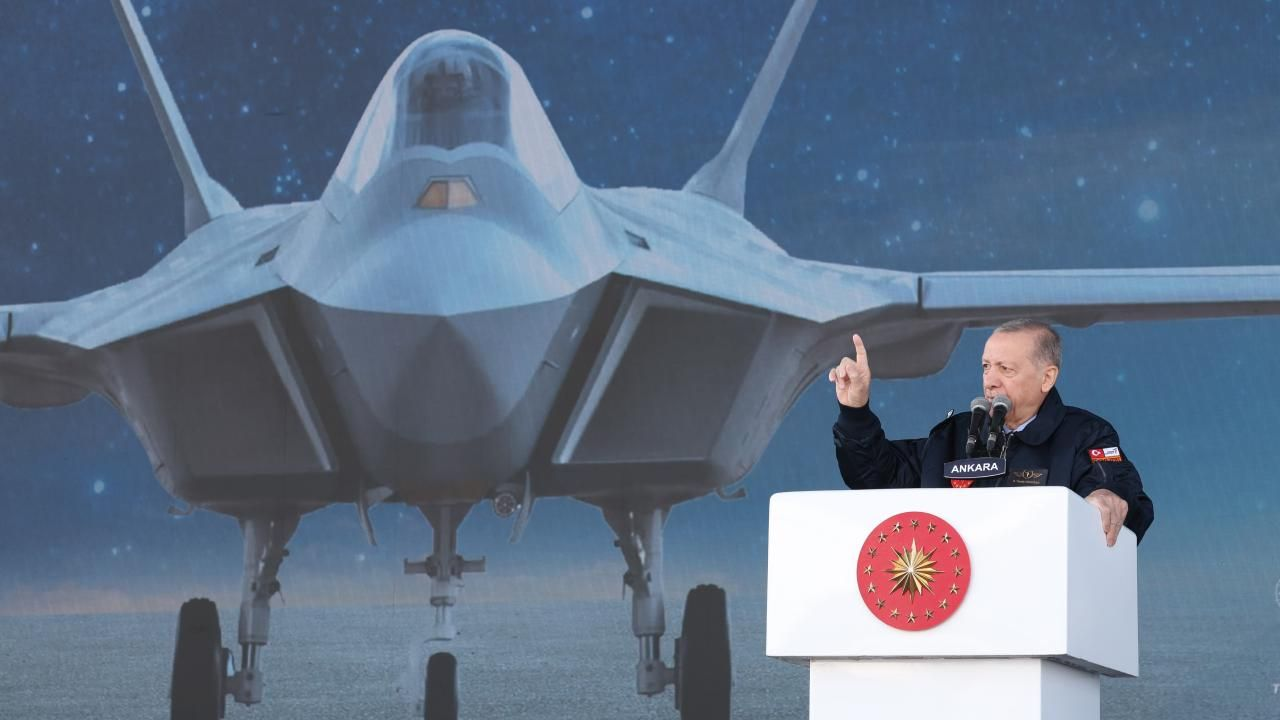
The summit is also expected to reinforce Türkiye's own ambitions as a defence manufacturing hub. Turkish officials have repeatedly pointed to the Defence Industry Forum as one of the signature events of the week, with Erdogan saying it is expected to attract significant international attention.
Türkiye's role as host reflects more than symbolism, according to Mehmet Ozkan, Professor of International Relations at the Joint War Institute at the Turkish National Defence University.
"As NATO increasingly prioritises defence production, supply chains and industrial resilience, Türkiye's expanding defence-industrial capacity becomes a significant asset," he told TRT World. "Ankara's role therefore extends beyond geography; it represents NATO's effort to integrate capable defence producers into its emerging industrial architecture."
Ankara’s diplomatic moment
Beyond defence, diplomacy is likely to dominate the margins of the summit.
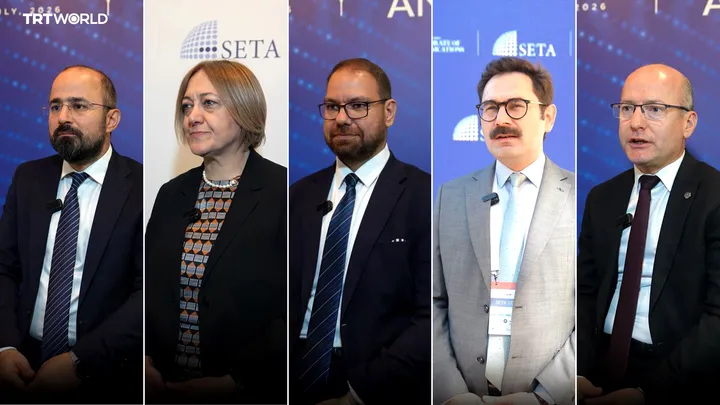
Marian Duris, a foreign policy expert at the European Parliament, believes the significance of the Ankara summit extends well beyond defence spending targets. "Security cannot be reduced only to the area of defence spending," Duris told TRT World.
"It must reflect geography, industrial capacity and the identification of real threats." He said Türkiye's strategic position at the intersection of Europe, the Black Sea, the Mediterranean and the Middle East makes it uniquely relevant across multiple security theatres, adding that Ankara's role as host reflects its growing geopolitical weight within the alliance.
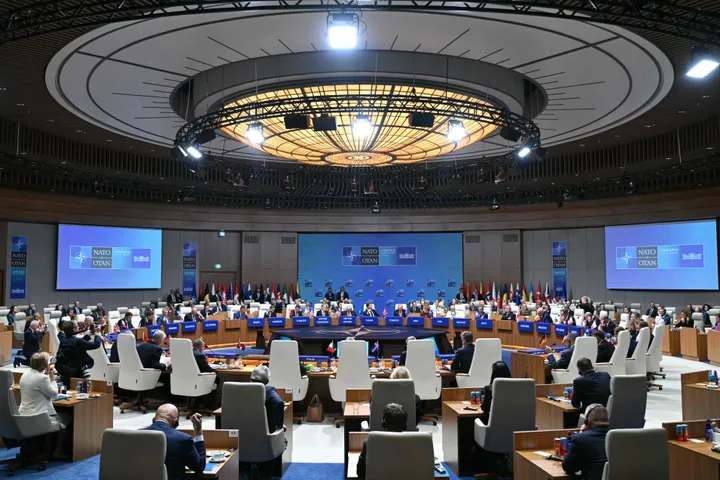


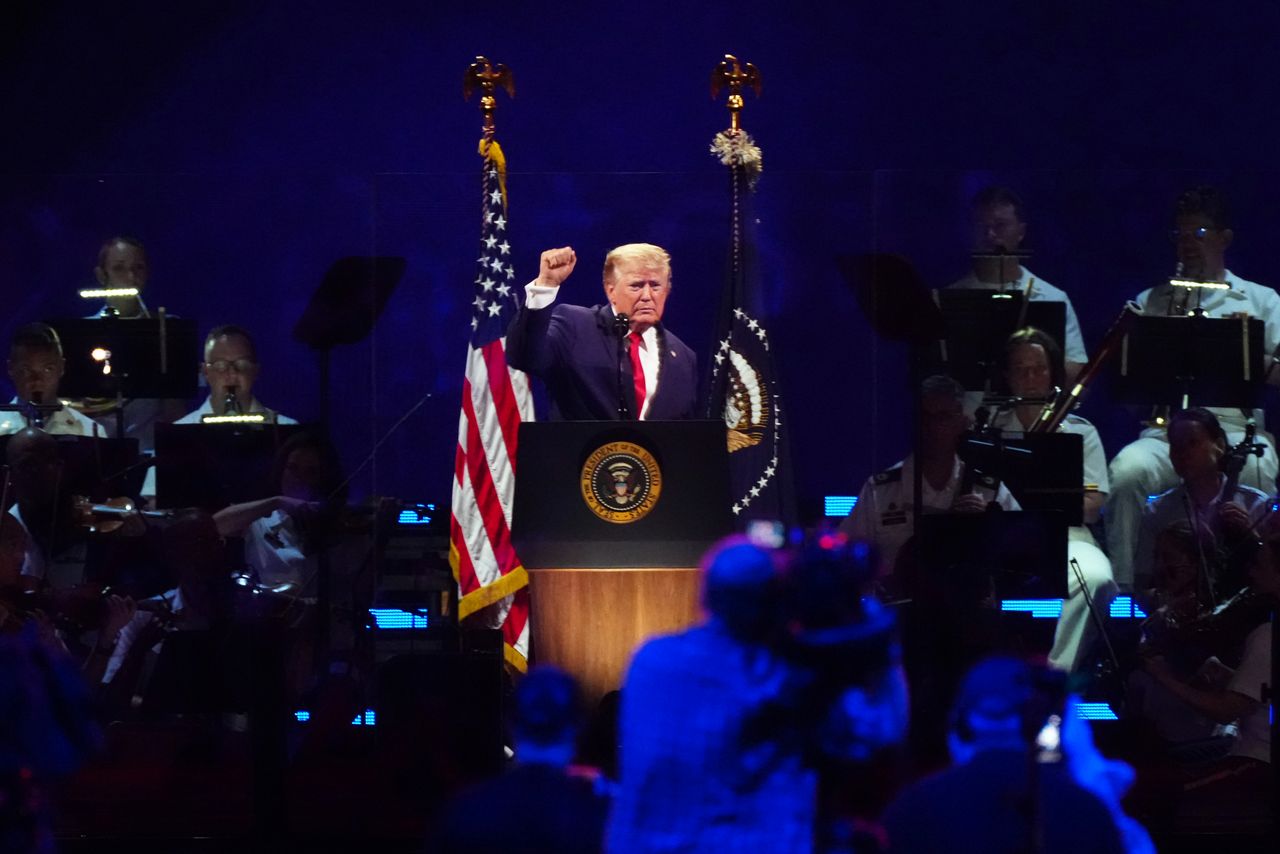
That growing diplomatic role is expected to be on full display during the summit. President Erdogan is scheduled to hold a series of bilateral meetings with allied leaders, including US President Donald Trump, as Ankara looks to inject fresh momentum into Türkiye-US ties. Turkish officials hope the discussions will advance cooperation on defence, regional security and long-standing issues such as defence procurement and industrial collaboration.
Trump, meanwhile, is expected to hold several other high-profile bilateral meetings, including talks with Ukrainian President Volodymyr Zelenskyy, as leaders seek to navigate the future of military assistance to Kiev, prospects for diplomacy with Russia and broader regional security challenges.
The diplomatic activity, however, extends well beyond Europe. According to officials, Trump is also expected to meet Syrian President Ahmad al Sharaa during his visit to Ankara, underscoring how developments in Syria and the wider Middle East have become increasingly intertwined with NATO's security agenda following the recent Iran conflict.
For Ankara, hosting these meetings reinforces Türkiye's role as a country capable of maintaining dialogue across multiple geopolitical fault lines — from the Black Sea to the Middle East — while remaining a key NATO ally.
Washington’s message and NATO’s wider agenda
The summit is also drawing significant political attention from Washington beyond the White House. A bipartisan US congressional delegation led by Senator Jeanne Shaheen is attending the summit and the Defence Industry Forum, underscoring continued bipartisan support in Congress for NATO and Ukraine. According to Shaheen's office, the delegation will emphasise the alliance's role in collective defence, encourage allies to sustain higher defence spending and advocate keeping Ukraine at the forefront of NATO's agenda.
Turkish Vice President Cevdet Yilmaz has described the Ankara gathering as a "historic" summit taking place during "a critical period when the world is undergoing a major transformation." He said allied leaders would examine deterrence and defence "from a 360-degree perspective" while evaluating further increases in defence investment, expressing confidence that the meeting would produce positive outcomes for Türkiye, the wider region and global stability.
The summit itself reflects NATO's increasingly global outlook. Alongside leaders from all 32 member states, Ankara is hosting partners from the Indo-Pacific, the European Union and the Istanbul Cooperation Initiative, highlighting the alliance's efforts to strengthen partnerships beyond its traditional Euro-Atlantic focus.
Decisions behind closed doors
While Wednesday's North Atlantic Council meeting will produce the summit's formal decisions, many of the week's most consequential developments may emerge from the conversations taking place behind closed doors.
As leaders confront the wars in Ukraine and the Middle East, the future of transatlantic security and the rapid expansion of defence industrial cooperation, Ankara has become one of the world's principal diplomatic stages this week.
The summit is expected to demonstrate that NATO's future will be shaped not only by defence spending targets and military capabilities, but also by diplomacy, industrial resilience and the geopolitical realities that increasingly stretch well beyond Europe.