 Noureldein Ghanem
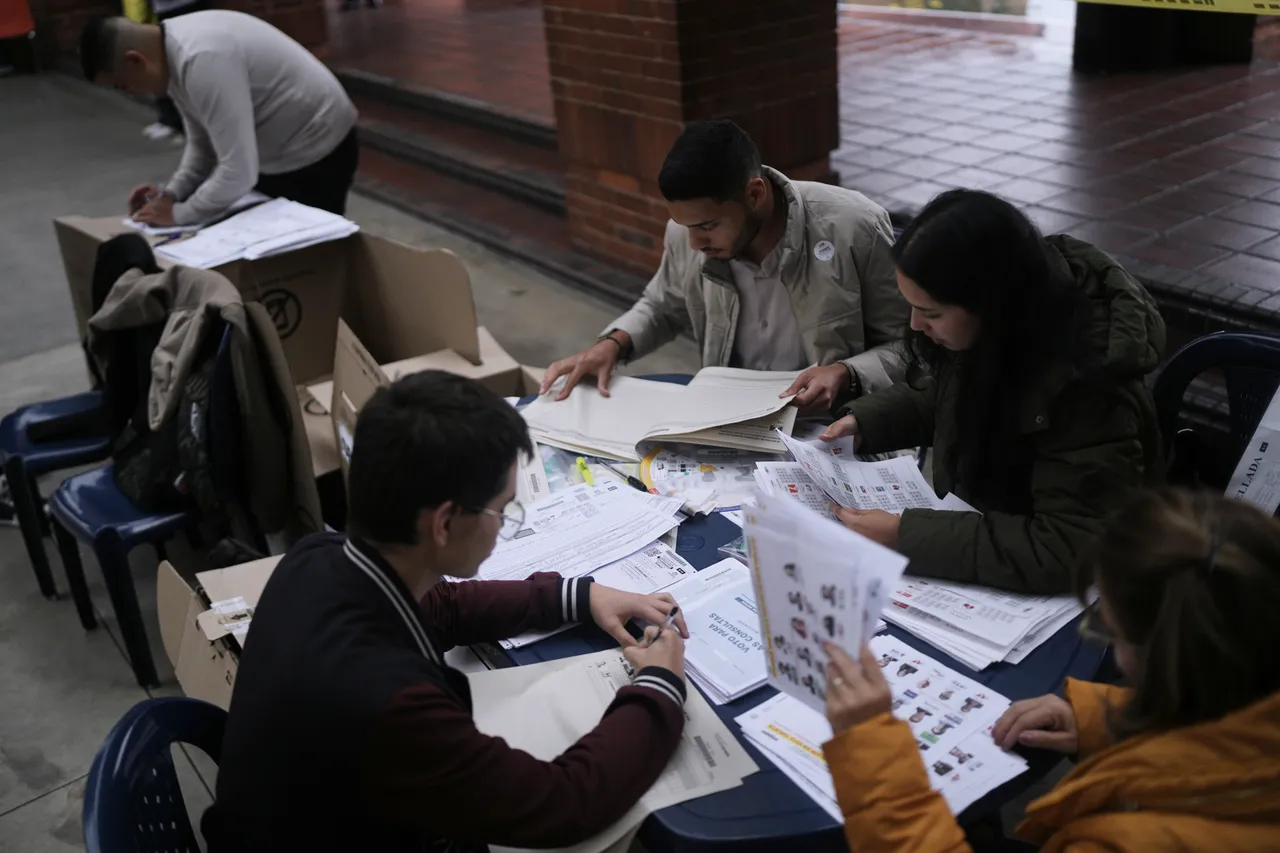
Washington, DC — As Colombia approaches its May 31 presidential election, the campaign has laid bare a sharply polarised electorate, with divisions deepening over security, the economy, social reforms, and the legacy of President Gustavo Petro.
More than 41 million Colombians are eligible to vote, and analysts say the race has evolved into a contest between rival visions for the country’s future, rather than a traditional party battle.
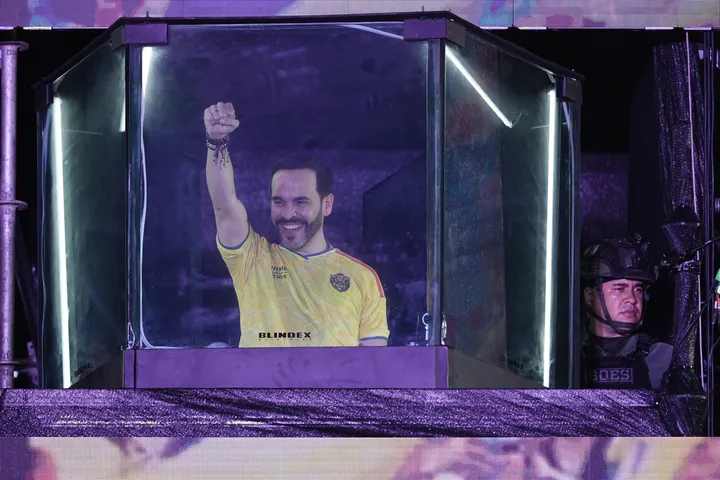
The campaign has been marked by large rallies, heated rhetoric, and an intensifying push to win over undecided voters.
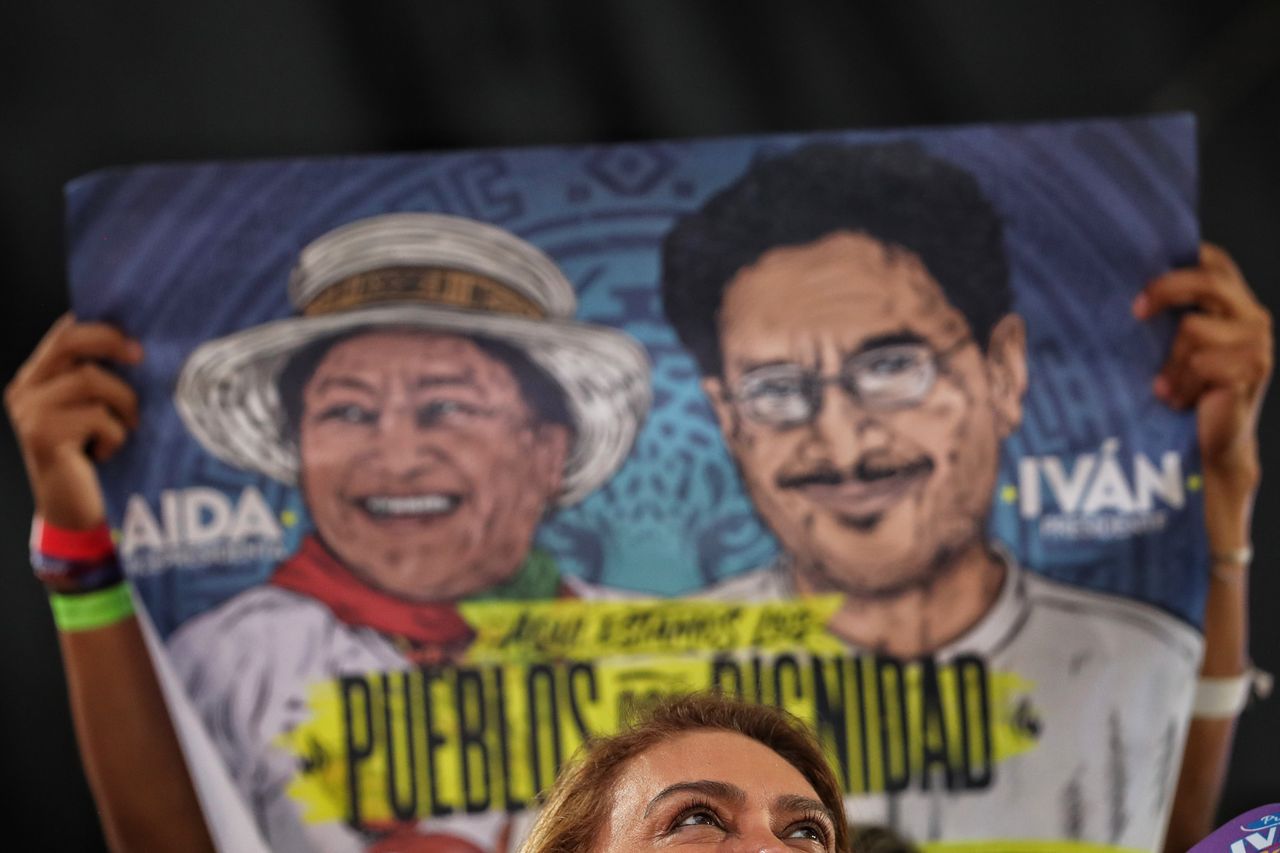
Although left-wing candidate Ivan Cepeda, backed by Petro, is ahead in several polls, Colombia’s electoral history suggests the race is likely to head to a run-off.
Candidates from the left and right have focused heavily on mobilising their bases while also trying to appeal to moderate and politically disillusioned voters.
Voter concerns span a wide range, from the economy and social programmes to inflation and unemployment.
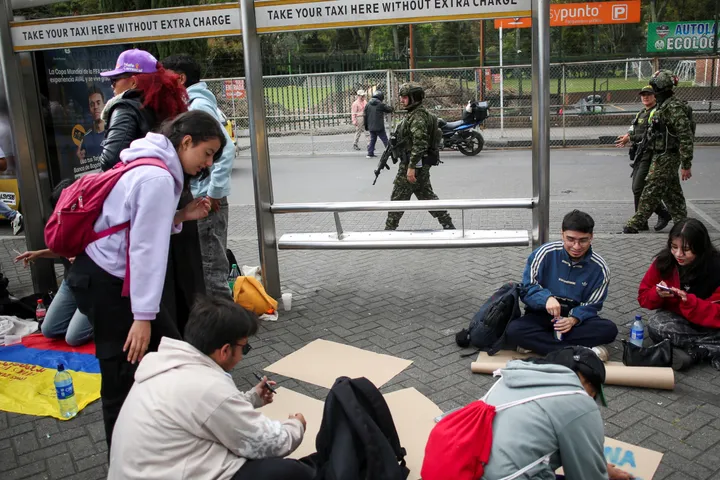
Yet for many Colombians, security remains the defining issue. Peace deals with guerrilla groups, including FARC, have been signed, but large parts of the countryside still live with violence and organised crime.
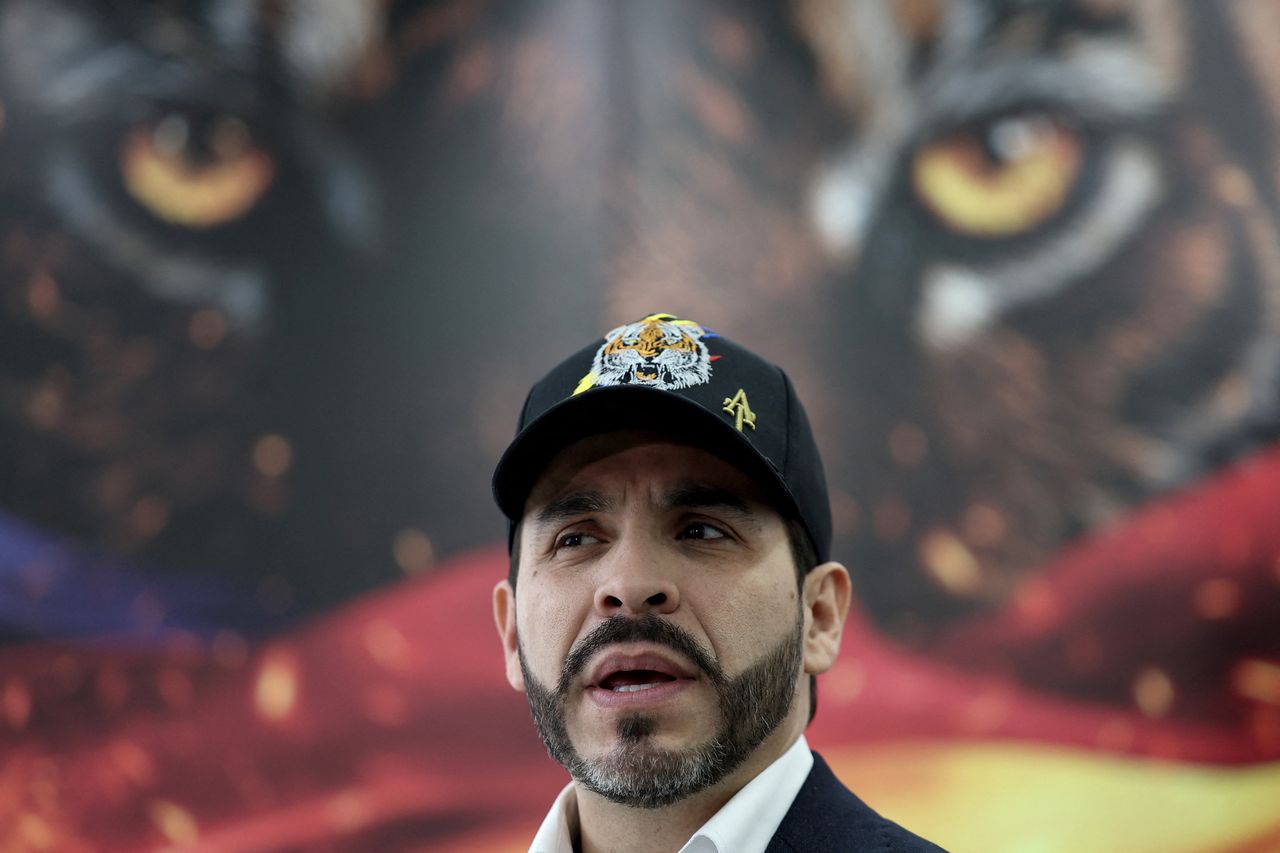
Recently, two staffers from presidential candidate Abelardo de la Espriella, who calls himself El Tigre (The Tiger), have been killed. De la Espriella blamed a dissident faction of the former Revolutionary Armed Forces of Colombia (FARC) rebels.
Another issue that could play a smaller role in the background is Colombia's ties with the US.
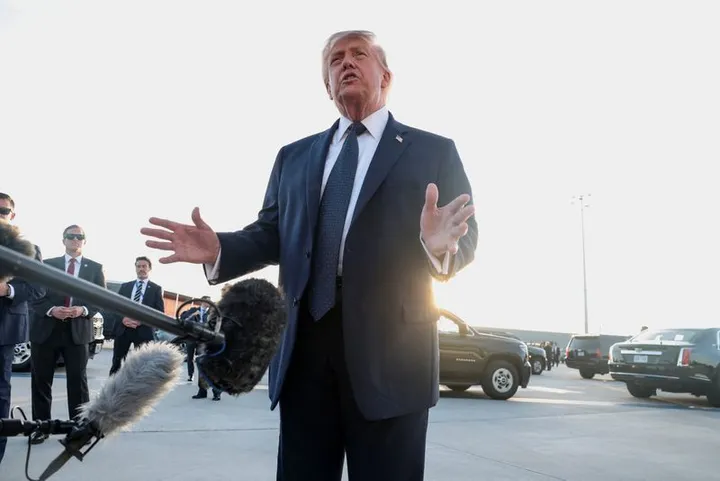
Experts previously told TRT World that the US, under President Donald Trump's administration, serves as a model of governance for right-wing candidates in the country.
Who are Colombians voting for?
Marcela Torres, a 27-year-old university lecturer from Cali, says she plans to vote for Sergio Fajardo, the former mayor of Medellin.
“From an economic standpoint, I think the debate shouldn’t be between state intervention and the free market; both have a role to play. What Colombia truly needs is investment in education and infrastructure that reaches every region, so that growth isn’t concentrated in the big cities,” she tells TRT World.
She stresses the importance of social programmes, but adds, “They have to be accompanied by institutional strengthening so they don’t become tools for political clientelism.”
On security, Torres argues that neither hardline force nor open-ended dialogue offers a solution.
“Pure military force hasn’t worked historically, but neither has unconditional dialogue. What’s needed is a serious, structured peace process with real verification mechanisms and consequences for non-compliance, while at the same time the state builds real presence in the abandoned territories,” she says.
Fabio Arias, a 42-year-old security escort from Bogota, also points to the importance of social programmes, but says he will vote for Cepeda.




“We hope that the social programs aimed at the countryside continue to bear fruit with new proposals for the peasant farming community, in order to turn Colombia into an agri-food pantry for the region, and in this way, those remote areas that have social problems can benefit from social and economic progress,” he tells TRT World.
He says security remains a complex issue, with many questioning whether armed groups are genuinely committed to peace.
“The groups outside the law have expressed willingness to engage in dialogue with the state, but this process has been suffocated by their lack of commitment since they claim to want peace, yet at the same time commit acts of terrorism, affecting the civilian population above all,” Arias says.
“This is why the Colombian people’s concern is whether the commitment is real, whether it truly is a pursuit of peace and an end to a conflict that has been weighing down the most remote regions for over 70 years, due to the lack of State presence, leaving those communities at the mercy of these groups, who use them for their own interests.”
'Widespread disappointment' with left-wing
By contrast, people who are casting their vote for right-wing candidates, de la Espriella, cite their disappointment with left-wing candidates over security and the economy.
For example, Carlos Mendoza — a 34-year-old merchant from Medellin — says he will cast his vote for de la Espriella, arguing that Colombia needs to attract serious investment and stop scaring off the private sector.
"The past few years have shown us that ideological experiments don't feed families or create jobs. We need a government that gives certainty to businesses, both national and foreign, so that real employment is generated, not subsidies that create dependency without building a future," Mendoza tells TRT World.
He also criticised the current government over its approach to security, saying negotiations with armed groups have been a failure as they continue to extort and kill civilians.
"The state cannot keep showing weakness in front of organisations that don't respect any agreement. We need a firm hand, a strengthened military and police presence in the territories, and a clear message that the rule of law is not up for negotiation," Mendoza says.
"The Colombian people are tired of being held hostage by groups that use peace talks as a shield to keep operating. We need results, not more endless dialogue."
Andrea Moreno, a 46-year-old international logistics coordinator from Bogota, says she will vote for “El Tigre”, pointing to what she describes as broad dissatisfaction with the current government.
“I will cast my vote for Abelardo de La Espriella,” Moreno tells TRT World. “I believe the core issue is that we are currently under a left-wing administration, which has led to widespread disappointment.”
She adds that “the majority of the population wants a change in leadership.”
Moreno says Cepeda’s main advantage lies in his backing from the current president, and raises concerns about electoral transparency outside major cities.
“While there is a left-wing candidate running, their strength relies solely on being a handpicked successor. Furthermore, although there is an election observation mission sent by the United Nations, it cannot guarantee transparency in small municipalities or remote regions,” she says.