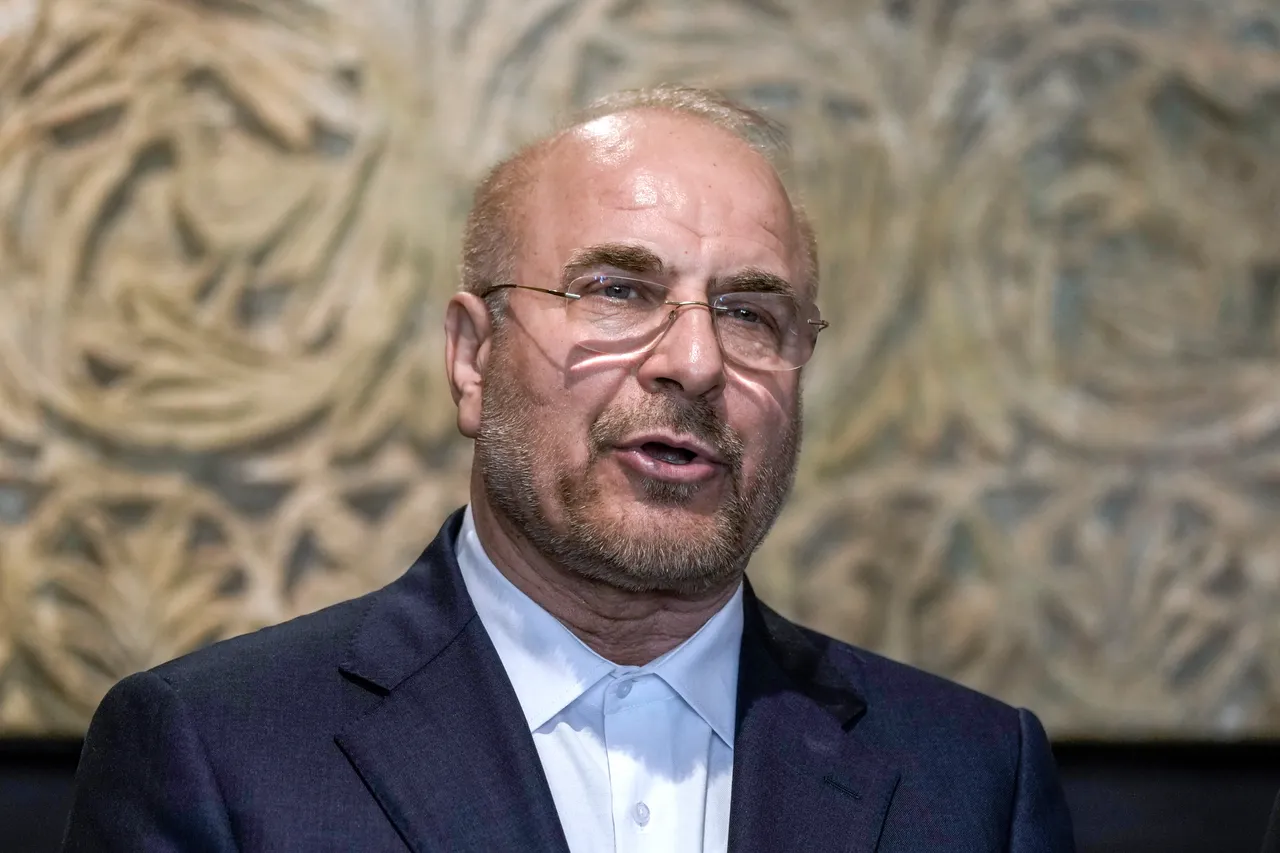
Iran’s Parliament Speaker Mohammad Bagher Ghalibaf has said that Tehran is continuing negotiations with the US but remains ready to take “necessary measures” amid fears of renewed escalation.
“We do not trust the enemy. At any moment, it may escalate the war,” Ghalibaf said in televised remarks, according to Iran’s semi-official Mehr News Agency.
“We are negotiating, but we are prepared for the necessary measures,” he added.
He said Iran had learned from the 12-day war last June and remained prepared for any future confrontation.
Ghalibaf also said the ongoing conflict with the US and Israel began “through American deception in the middle of negotiations.”
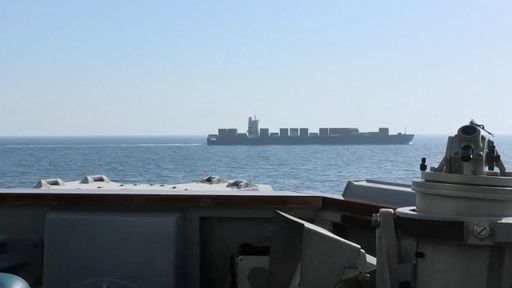
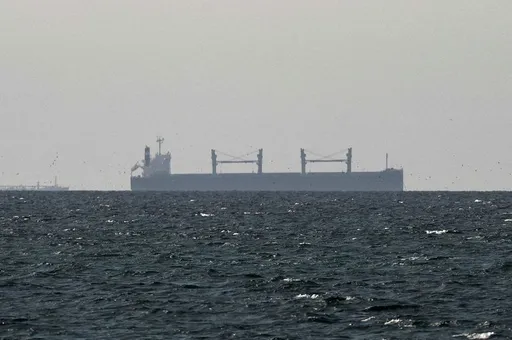
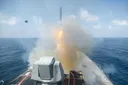
The statement followed US military's Central Command (CENTCOM) post that confirmed that American naval forces “intercepted” and “disabled” an Iranian-flagged cargo ship in the Gulf of Oman.
“US forces operating in the Arabian Sea have enforced naval blockade measures against an Iranian-flagged cargo vessel attempting to sail toward an Iranian port,” CENTCOM posted on X.
Iran's Khatam al-Anbiya military headquarters also confirmed the attack by the US military on a ship in a statement carried by the semi-official Tasnim news agency.
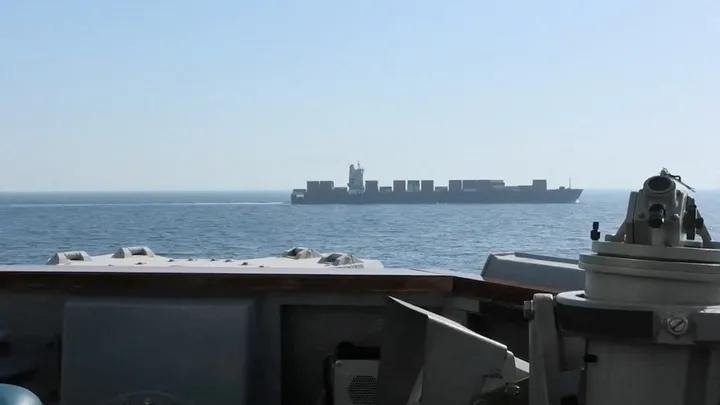
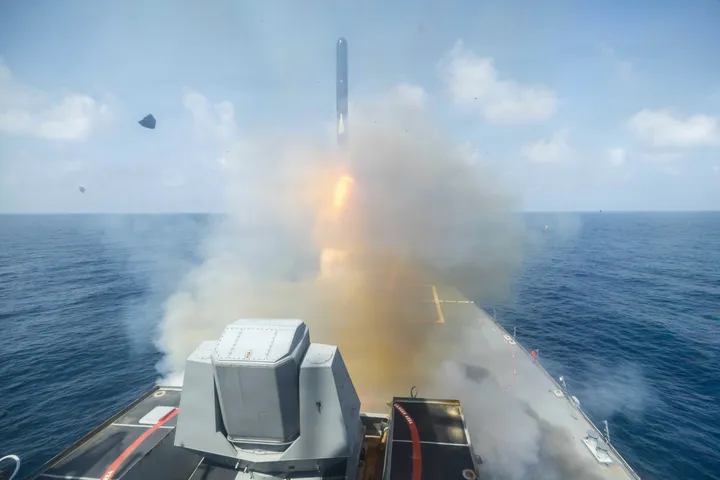



Tehran has vowed to retaliate "soon" against what it describes as "maritime piracy" following the seizure of the Iranian-flagged vessel.
"The aggressive America, by violating the ceasefire and committing maritime piracy, attacked one of Iran's commercial ships in the waters of the Sea of Oman by firing upon it and disabling its navigation system," the military headquarters said.
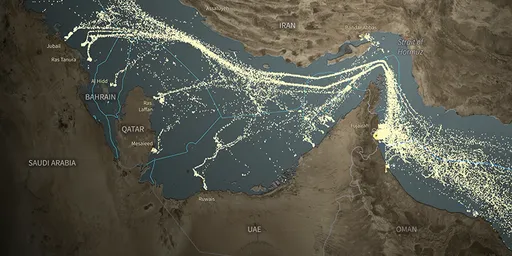
“Strait of Hormuz not free”
Iran’s First Vice President Mohammad Reza Aref also warned that security in the Strait of Hormuz cannot be guaranteed if Iran’s oil exports remain restricted.
“No one can restrict Iran’s oil exports while expecting free security for others,” Aref said on the US social media company X’s platform.
“The security of the Strait of Hormuz is not free,” he added.
Aref said the world faces a choice between “a free oil market for all” or “significant costs for everyone.”
He also said that stability in global fuel prices depends on “a guaranteed and lasting end to the economic and military pressure against Iran and its allies.”
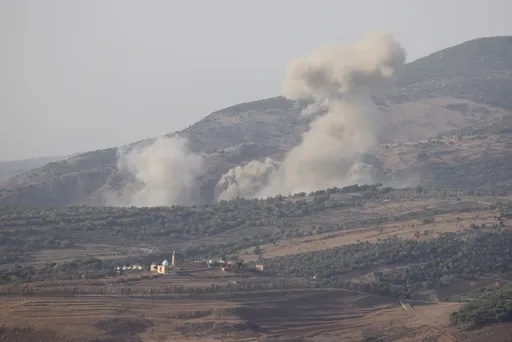
On February 28, the US and Israel launched a joint attack on Iran, which retaliated with strikes on Israel and other regional countries hosting US assets.
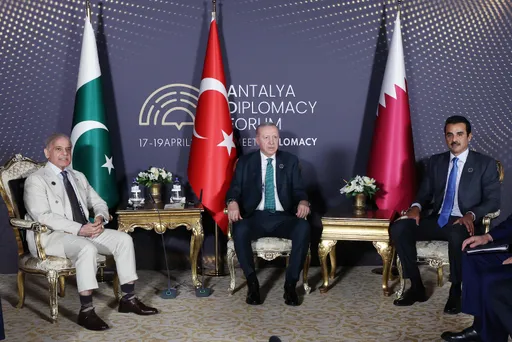
The war has been on hold since April 8, when Pakistan mediated a two-week ceasefire.
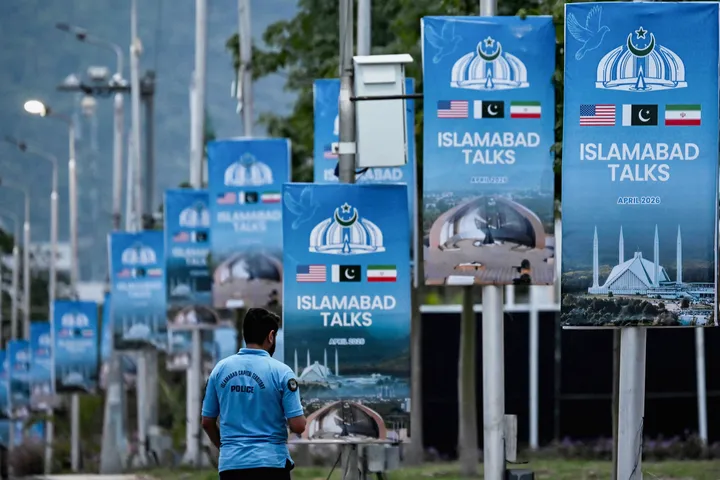
The US and Iran held talks in Pakistan earlier this month towards a lasting peace, and efforts for another session in Islamabad are underway.