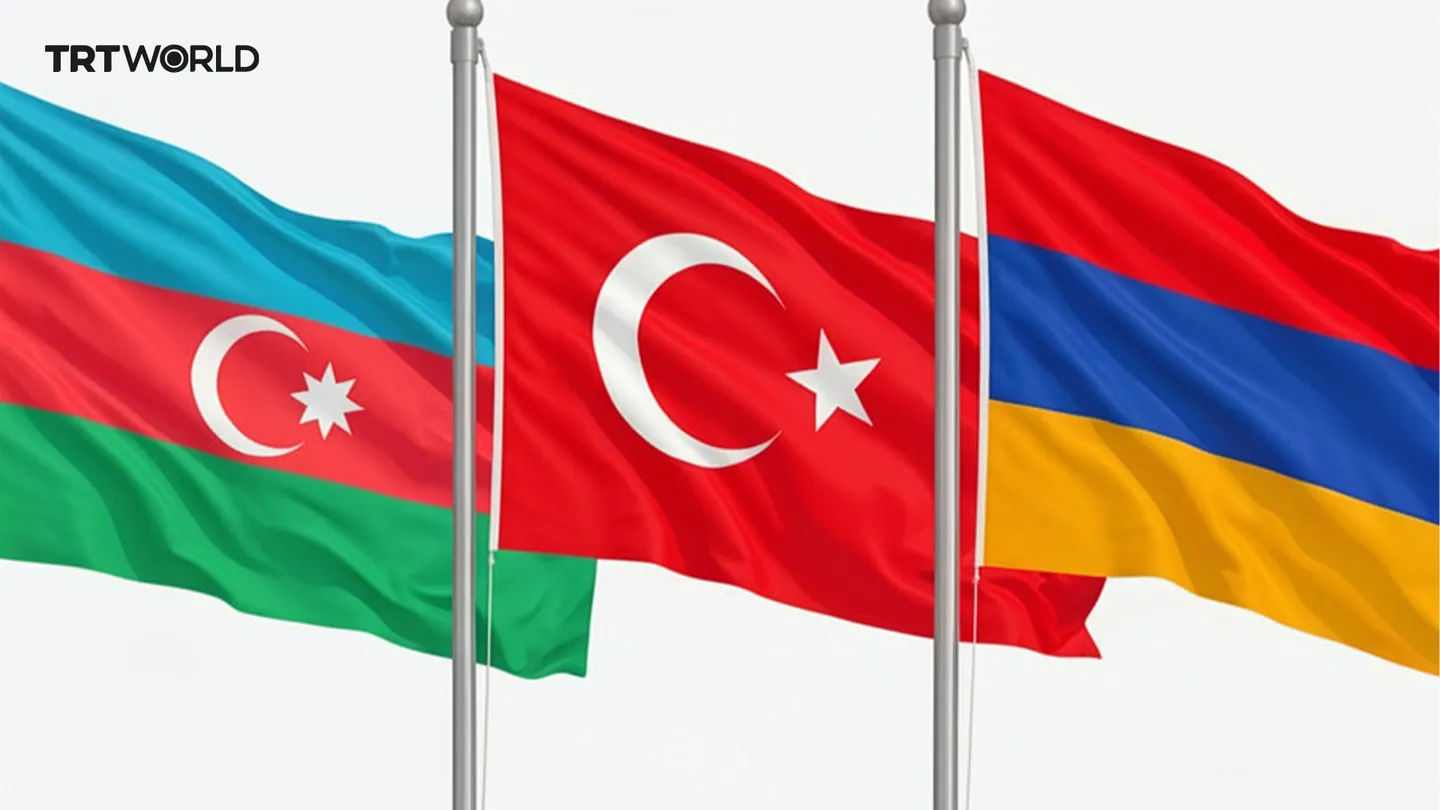
The Israeli cabinet approved last Sunday a proposal designating the 1915 events between Ottoman Turks and Armenians as "genocide," a historically contested term Türkiye has long rejected.
Ankara says the period was a mutual tragedy in which both communities suffered, not a one-sided campaign, and has repeatedly proposed a joint commission of Turkish, Armenian and international historians to examine the events.
Israel, which is facing international backlash for the genocide of Palestinians in Gaza, decided to insert itself into the complex issue just so it could get back at Ankara, which has emerged as a leading voice against Tel Aviv’s expansionist agenda in the Middle East.
The timing was telling. It came as Israel faces genocide proceedings at the International Court of Justice over its brutal war in Gaza, and as Israeli Prime Minister Benjamin Netanyahu remains subject to an International Criminal Court arrest warrant.
Critics across the region were quick to note the irony of a government accused of genocide deploying the same label as a diplomatic weapon against a NATO ally.
Failed attempt to provoke Ankara
Türkiye's foreign ministry gave a strongly worded response. It said Israel was using the 1915 designation to deflect from its own crimes against Palestinians while under ICJ scrutiny.
Ankara has been one of the most vocal critics of Israel's war on Gaza, repeatedly demanding accountability over what it calls Tel Aviv's "expansionist and destabilising policies" in the region.
With Netanyahu's government isolated diplomatically and legally cornered, the 1915 recognition reads less like genuine historical reckoning and more like retaliation against the country leading calls for Israel's accountability. It is a move designed to provoke Ankara rather than honour Armenians, observers say, weaponising a century-old tragedy to punish Türkiye for its Gaza stance.

Azerbaijan criticises Israel over the move
Perhaps the most striking reaction came from Baku. Azerbaijan, a close Israeli partner on energy and defence, publicly called on Israel to reconsider its decision to recognise the 1915 events.
The rebuke signals just how reckless Israel's move was perceived to be. Baku has invested in its strategic partnership with Ankara, particularly since the Second Karabakh War, and has no interest in seeing a minor dispute, century-old dispute reignite tensions in the South Caucasus.
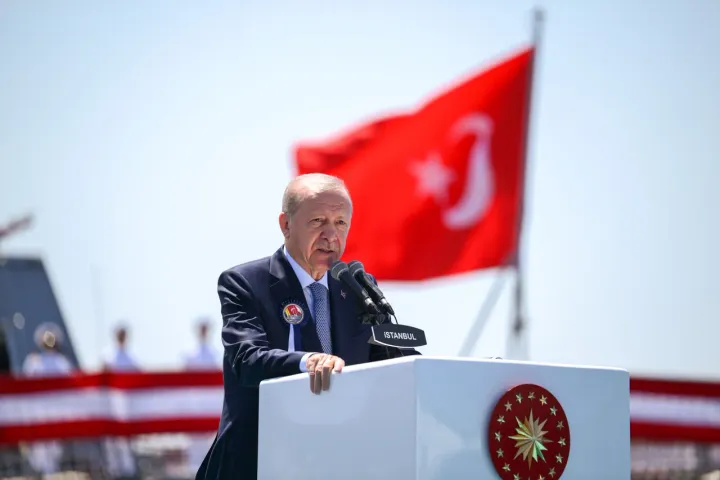


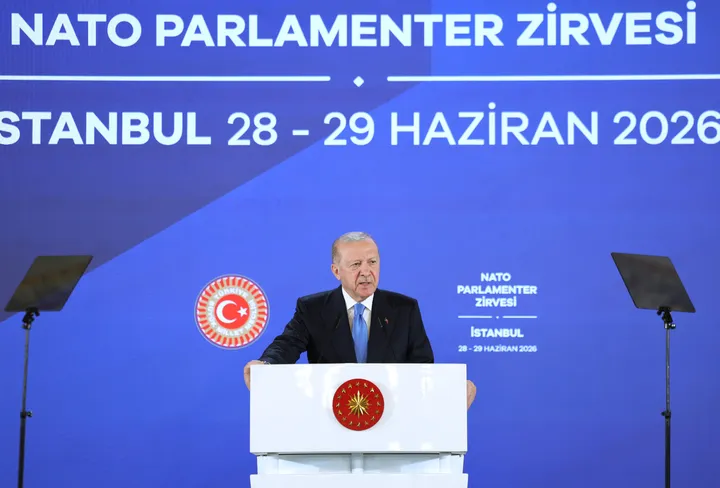


Despite maintaining close ties with Israel, Azerbaijan criticised the move, suggesting Tel Aviv miscalculated the political cost among its closest Muslim partners.
Armenia says move is pointless
But the most telling response came from Yerevan itself. Armenian Prime Minister Nikol Pashinyan said Armenia saw no need to respond to Israel's recognition, arguing that avoiding the "weaponisation" of the issue was in the country's own interest, telling reporters at a briefing, "We see no need to respond."
Armenia, the supposed beneficiary of Israel's gesture, effectively distanced itself from the move.
After years of painstaking normalisation efforts with both Türkiye and Azerbaijan, Yerevan has little appetite for a symbolic gesture that could reopen old wounds and undo recent progress.
Pashinyan's government appears to understand what Israel apparently did not: dragging 1915 back into geopolitical games serves no one's interests, least of all Armenia's.
Pashinyan reaffirmed after his election win in June 2026 that securing lasting peace with Azerbaijan remains his government's strategic priority. He argued normalising ties with Baku is essential for Armenia's long-term security, economic growth and regional stability.
Resetting Türkiye-Armenia ties
Israel's move lands at an awkward moment. Türkiye and Armenia have spent the past year cautiously rebuilding ties, with normalisation talks, border discussions and people-to-people initiatives gradually chipping away at decades of frozen relations.
Türkiye and Azerbaijan, meanwhile, have only deepened their alliance, particularly through joint defence cooperation, regional connectivity projects and shared positions on Gaza, where both have condemned Israeli actions.
Against this backdrop of cautious regional diplomacy, Israel's unilateral 1915 designation looks increasingly isolated.
Rather than driving a wedge between Ankara, Baku and Yerevan, the move appears to have done the opposite, drawing criticism from Azerbaijan and a cold shoulder from Armenia, while reinforcing Türkiye's narrative that Israel is using historical grievances to dodge accountability for its ongoing atrocities in Gaza.