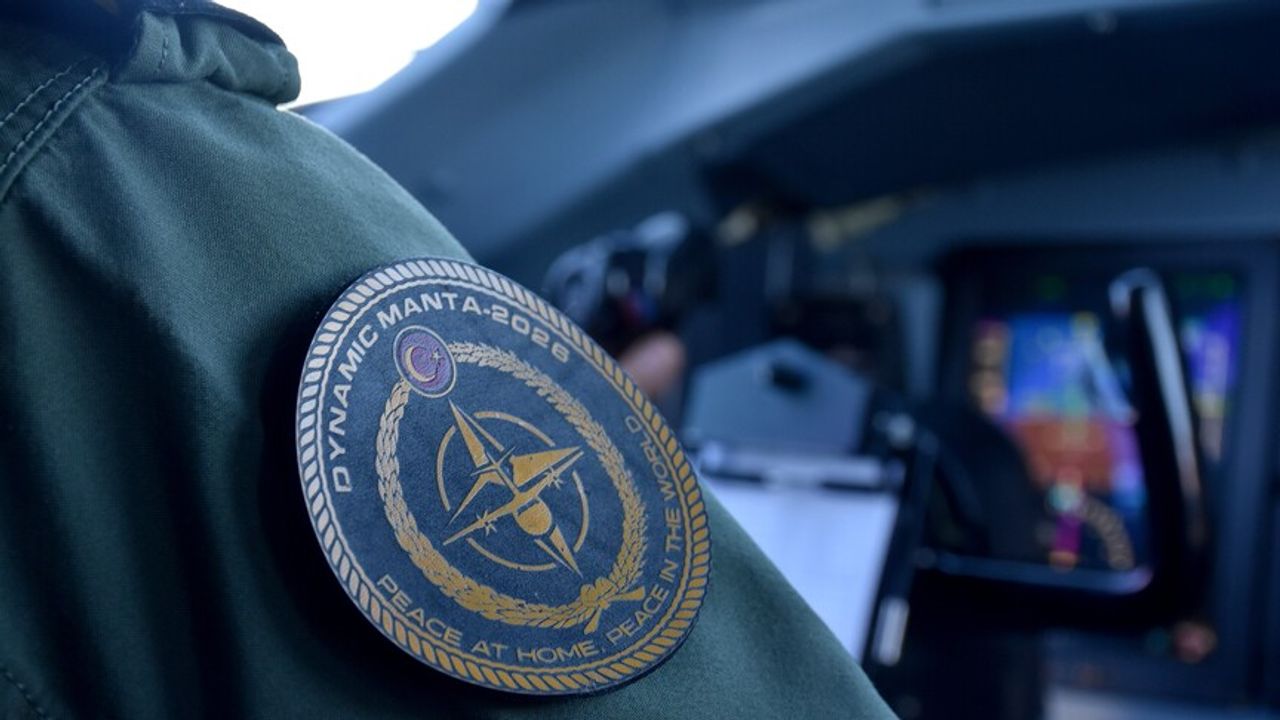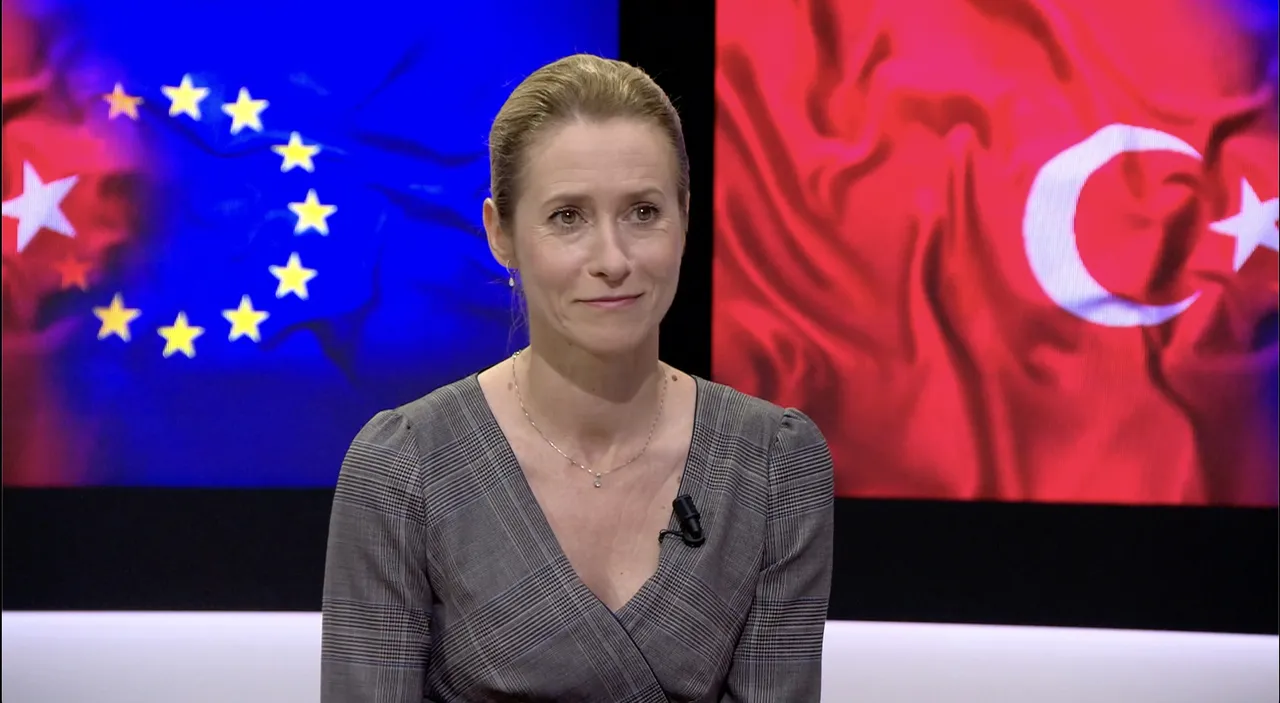
EU foreign policy chief Kaja Kallas has said that the NATO summit in Ankara is crucial as the defence alliance faces significant challenges, and that unity among allies is more important than ever.
"Well, of course, before every summit it is said that this is a historical (sic) one, but it's true that right now I think what is very important, as you mentioned, the transatlantic relations have also been under some heavy strain, and that's why showing unity is extremely important, not only for the alliance, but also our adversaries," Kallas told Anadolu in an interview on Monday, ahead of her June 29-30 visit to Türkiye.
Kallas said she would travel with European commissioners responsible for enlargement and migration, given the country's central role in a range of geopolitical issues.
She said key issues on NATO's agenda include increasing defence production, strengthening deterrence capabilities and examining “what more can we do for Ukraine.”
Rejecting suggestions for a separate European army, she said EU members already have national militaries that form part of NATO's broader defence structure.
“It is impossible for every EU member state to create another army that is then subject to European leadership,” she said.
“The threats are regional, so the response should also be regional,” Kallas added, calling for increased investment in defence and closer coordination among European countries.
She said the EU and NATO remain in close contact to avoid duplication and are focused on strengthening the European pillar within the alliance.
According to Kallas, members are being encouraged to pursue joint procurement programs because certain capabilities are too expensive for individual countries to acquire alone.
She also highlighted lessons learned from the war in Ukraine, particularly in areas such as drone defence and emerging military technologies.
“We have a lot to learn from Ukraine when it comes to the capabilities, new capabilities like drone defence,” she said.
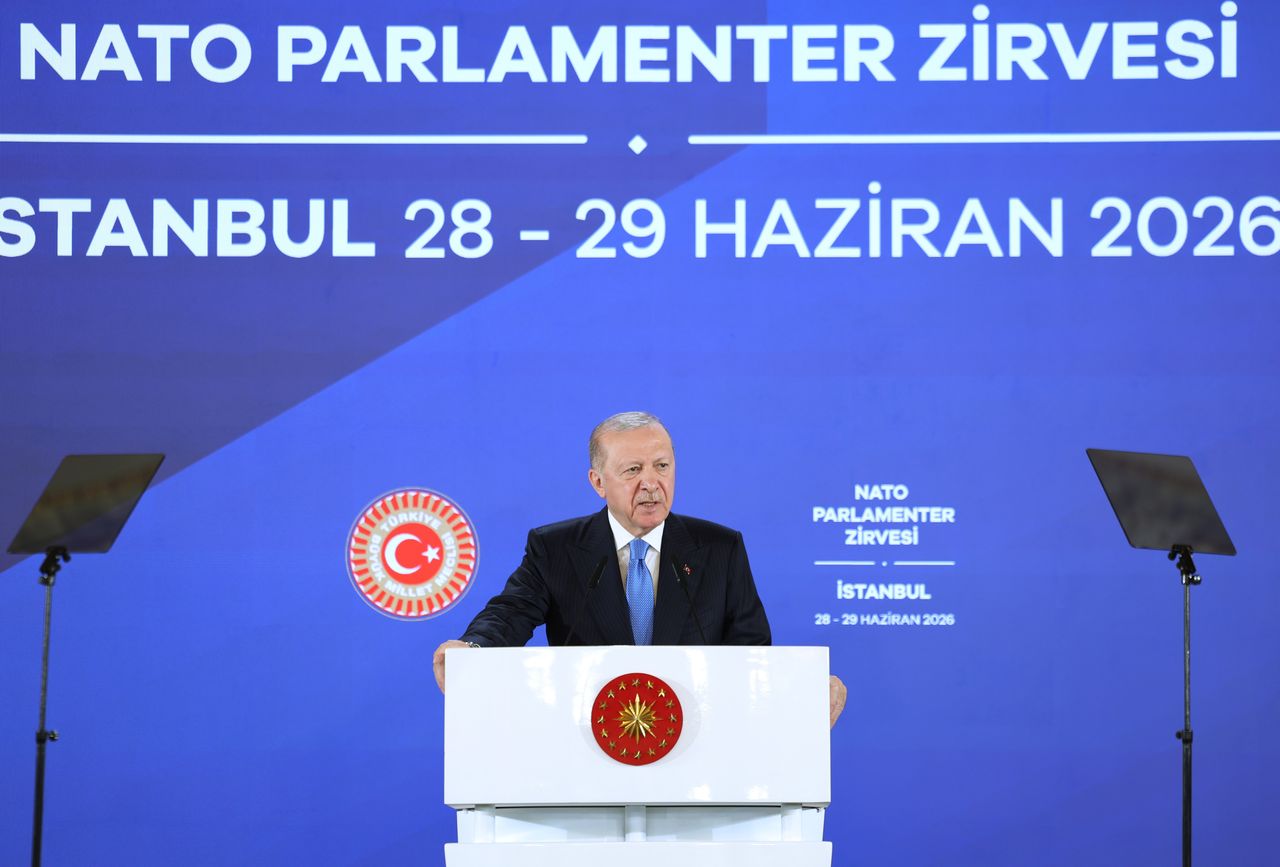
Türkiye has prominent role in peacebuilding
Kallas described Türkiye as “the second biggest army in NATO” and said the country has “a very strong defence industry.”
She added that Türkiye has “a very, very prominent role” in European security and regional stability.
“Definitely we need to have the talks with Türkiye,” she said in reference to developments in the Caucasus and the broader security environment.
At the same time, Kallas said, the Cyprus issue remains an important topic in relations between Ankara and Brussels.
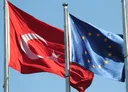
She expressed support for efforts by UN Secretary-General Antonio Guterres to promote dialogue between the parties.
“I think it would unlock a lot of issues if there is a peaceful settlement,” she said.
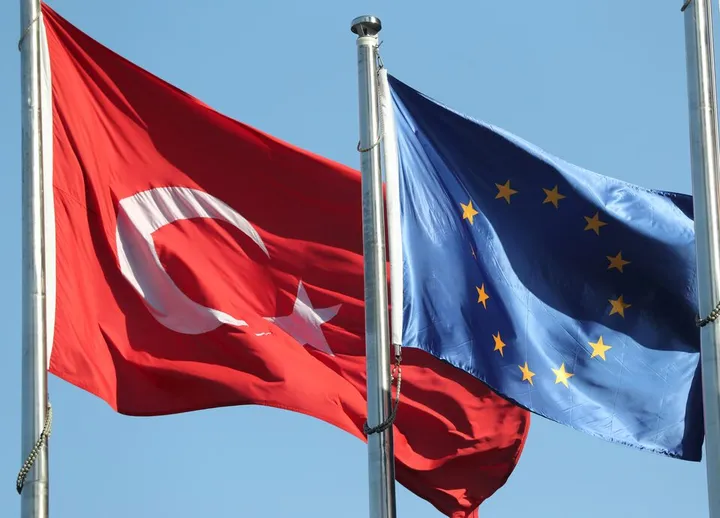
“Türkiye is a partner of strategic importance,” she said, citing cooperation on migration, regional stability and security.
Kallas said the country also plays an important role in the Middle East and the Caucasus and is an essential partner on connectivity and broader regional issues.
“If we think about what is happening in the Middle East, also Türkiye has a role there,” she said, adding that the visit aims to explore “what we can do together.”
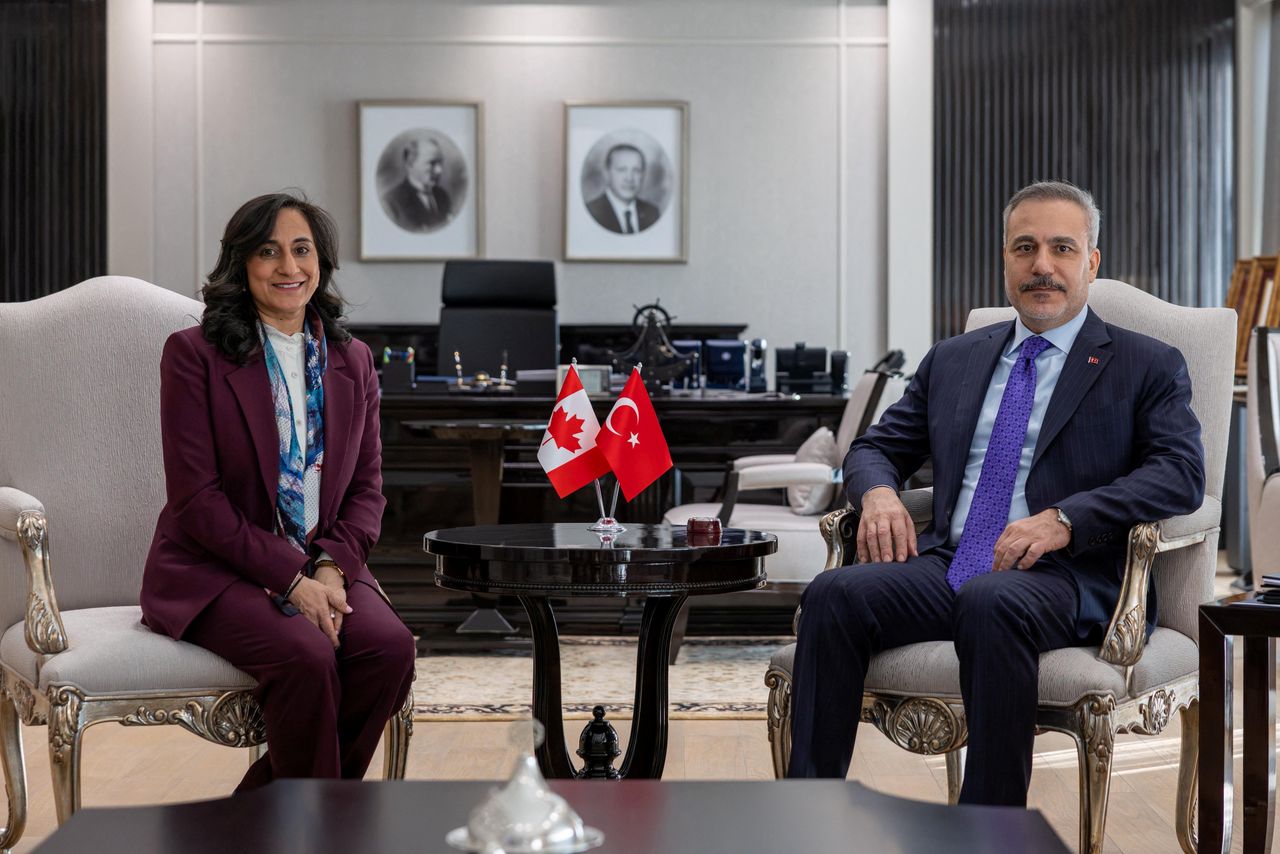
Illegal Israeli settlers make two-state solution difficult
In the Middle East, Kallas said Europe remains a strong supporter of both Palestinians and a two-state solution.
“What we see, the violent settlers and settlements are actually making it impossible to have the two-state solution,” she said.
She added that the EU has consistently raised these issues with Israel and continues to advocate dialogue despite disagreements.
Asked about reported comments by Israeli Foreign Minister Gideon Saar indicating he would not engage with her, Kallas said dialogue remains necessary.
“You know, this is a difficult question,” she said. “But I think it's not the right response if you are not able to take criticism.”
She stressed that dialogue remains the best way to raise concerns and “make our voice heard.”
Kallas said the international environment is becoming increasingly complex and requires close cooperation among partners, making engagement with countries such as Türkiye more important than ever.
“The stability in the region,” she said, is one of the reasons why continued dialogue between the EU and Türkiye remains essential.
Israeli actions and settlement activities are making the two-state solution increasingly difficult to achieve, she said, underlining Türkiye's strategic importance in regional security, migration and defence cooperation.