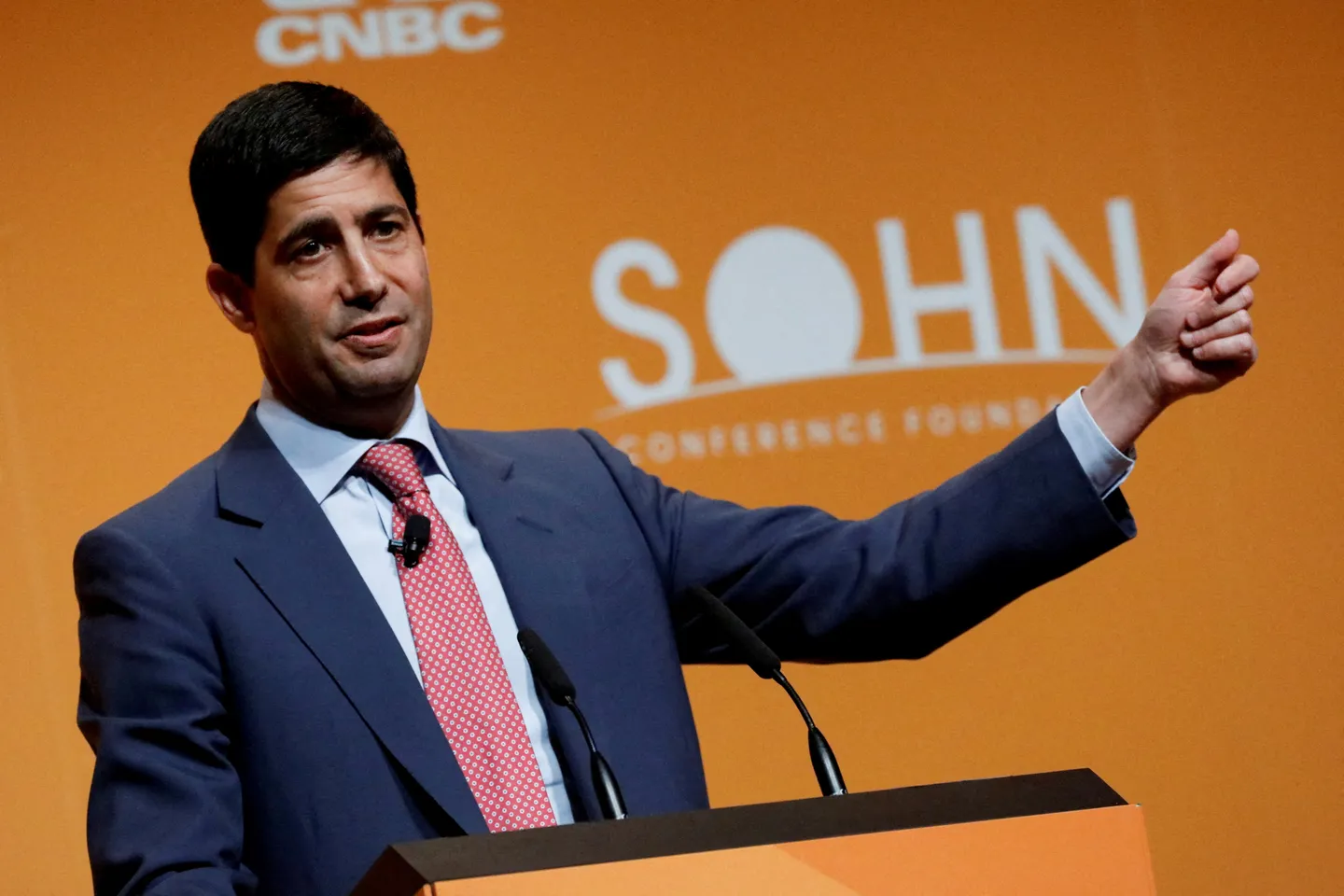
US Federal Reserve (Fed) Chairman Kevin Warsh has said inflation remains too high, despite a resilient economy and growing investments in artificial intelligence.
Speaking at the Jackson Hole Economic Symposium on Friday, Warsh evaluated the current economic landscape and monetary policy.
He noted that while labour markets remained stable and output was solid, the inflation rate was still concerning.
The chairman emphasised that the Fed's preferred measure of inflation stood at 3.7% over the past 12 months.
He added that the six-month change was even higher at 4.1%, well above the central bank's firm 2% target.
Warsh stressed that policymakers must be confident that underlying inflation is clearly moving toward their objective at a sufficient speed.
"While this summer's personal consumption expenditures and consumer prices index readings were better than expected, they do not tell me that underlying trends have meaningfully improved," he said.
He warned that if this was not the case, the central bank still had work to do to achieve price stability.
On the employment side, he described labour markets as consistent with full employment, citing a historically low jobless rate of 4.1%.







“Work to do”
The chairman also addressed the transformative potential of AI for the broader economy.
He stated that progress in this general-purpose technology had been faster than experts predicted just two years ago.
The central bank watched these developments attentively, as artificial intelligence could become a new factor of production, he said.
Warsh’s statement is closely followed by the markets because the Fed sets interest rates.
Warsh “opened the door to a Fed rate hike. A hike probably won’t come in September, but it will by October or December,” said Heather Long, chief economist at Navy Federal Credit Union.
“Warsh explicitly said this summer’s encouraging inflation readings don’t indicate ‘meaningful’ improvement on inflation. Bond markets reacted swiftly by pricing in a hike.”
If officials decide they still have “work to do” on prices, borrowing costs for homes, cars, and businesses could stay high or even rise.