Iran’s economy is coming under mounting pressure from the US naval blockade which has sharply reduced oil exports, restricted hard-currency inflows and deepened financial strains after decades of sanctions.
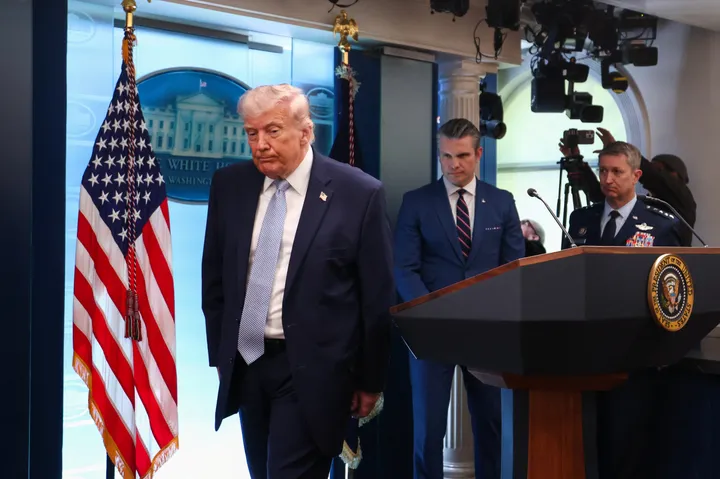
US President Donald Trump claimed earlier this week that Iran was in a "state of collapse" financially.
US Treasury Secretary Scott Bessent piled on, writing on X, “Iran’s creaking oil industry is starting to shut in production thanks to the US BLOCKADE. Pumping will soon collapse. GASOLINE SHORTAGES IN IRAN NEXT!”
There have been no immediate signs of any gasoline shortages in Iran.
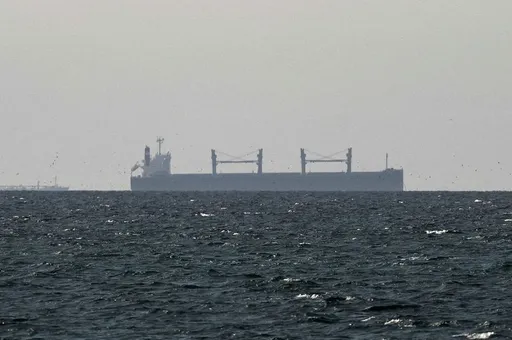
However, exports have fallen dramatically since the blockade began on April 13, by as much as 80 percent in recent weeks, leaving tens of millions of barrels of oil stranded in floating storage and bringing Iran close to a production crunch as capacity fills up.
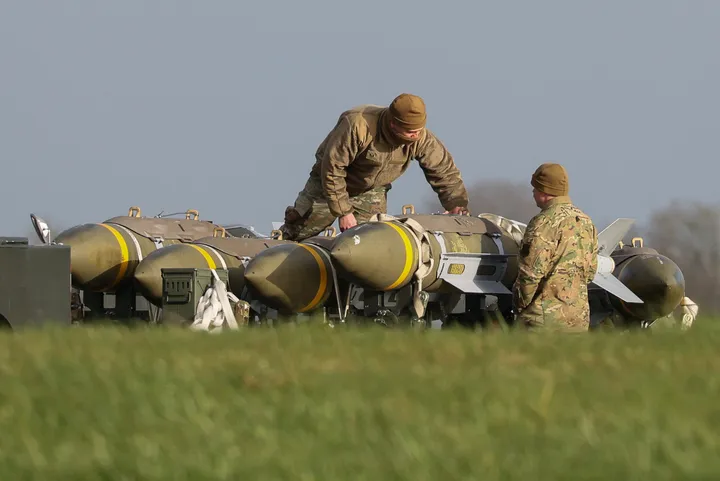
The US military has turned back dozens of vessels, boarded suspects, and enforced the measure globally, including interceptions in Asian waters. Iran has used its "shadow fleet" tactics such as fake flags, ship-to-ship transfers to try bypassing restrictions, with mixed success, some vessels reportedly crossed, but overall flows are significantly reduced.
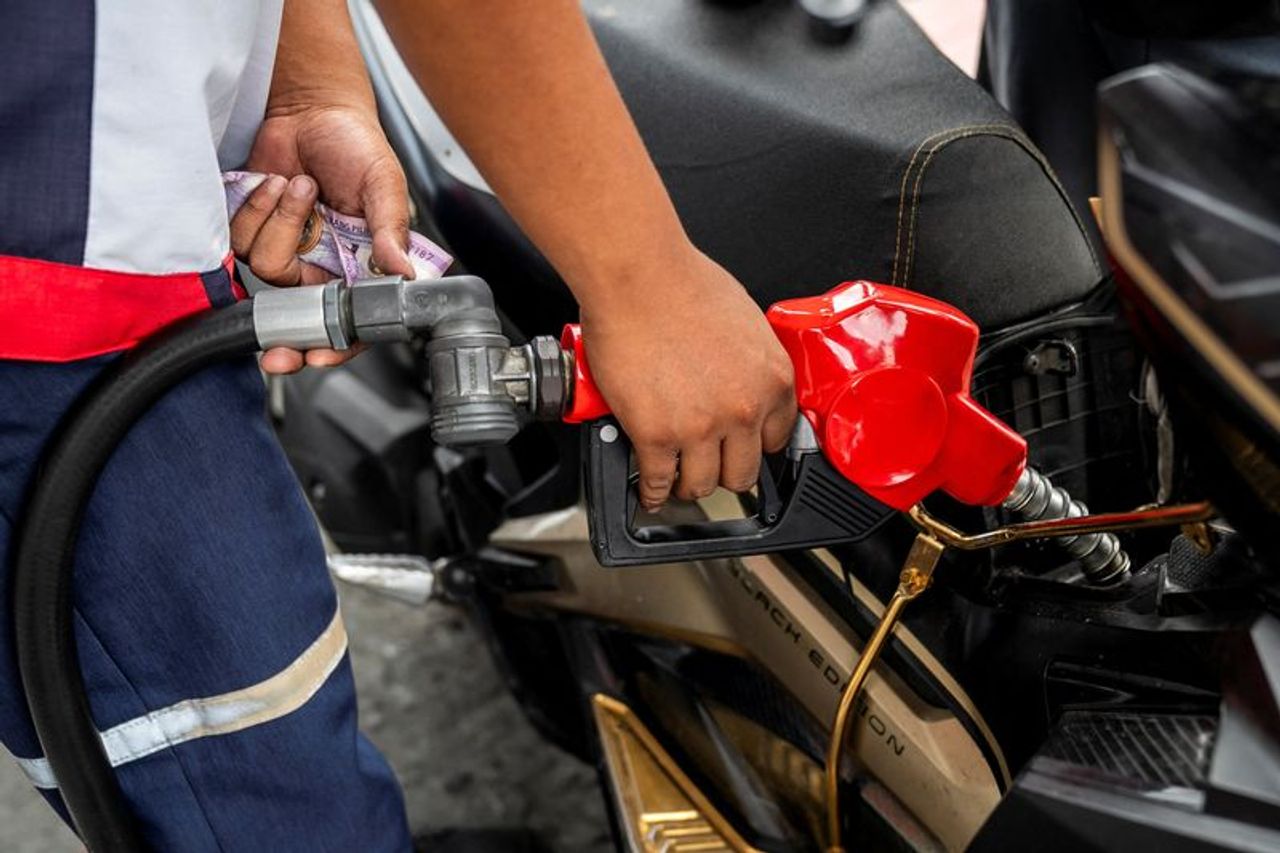
Exports fall, storage crisis builds
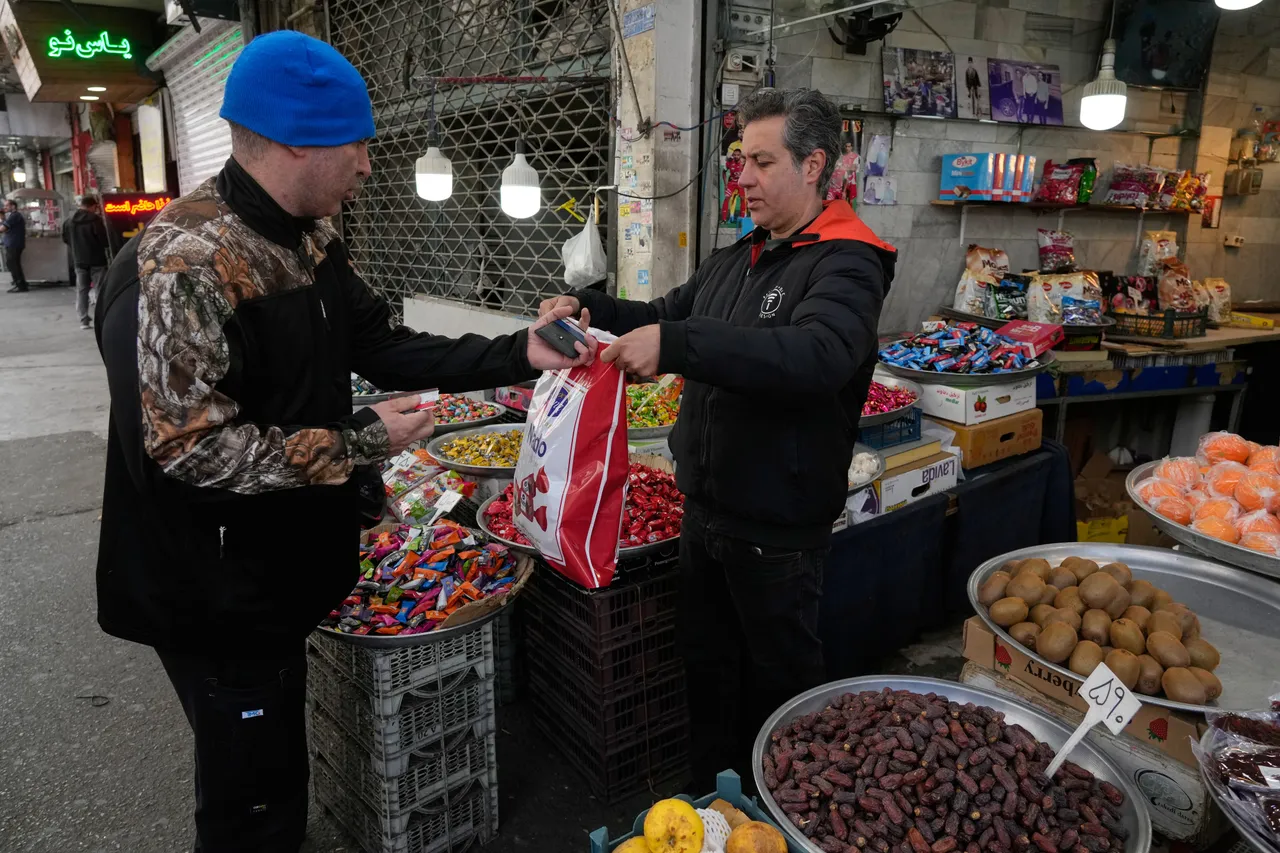
The loss of oil revenue, which underpins Iran’s economy, is now feeding through to the broader system. The rial has plunged to record lows of around 1.8 million to the dollar and foreign reserves are estimated to cover only a few months of imports.
"The US blockade has cut Iran's financial lifeline and strains are growing in its balance of payments," Jason Tuvey, the deputy chief emerging markets economist at Capital Economics was quoted as saying by Business Insider.
Tuvey noted that Iran was estimated to have only enough reserves to cover around three months of what it imported before the war.
Iran has become heavily reliant on China as its economic lifeline, with Beijing now accounting for nearly all of its remaining oil sales.
Currency plunge and inflation surge
At the same time, the loss of export revenues has sent inflation soaring above 50 percent, with projections nearing 70.



The blockade has also affected Iran’s ability to sell crude even through workaround networks, effectively stopping most shipments and disrupting up to 90 percent of its shipping capacity, the Wall Street Journal reported, while worsening unemployment and shortages at home.
Oil industry under threat
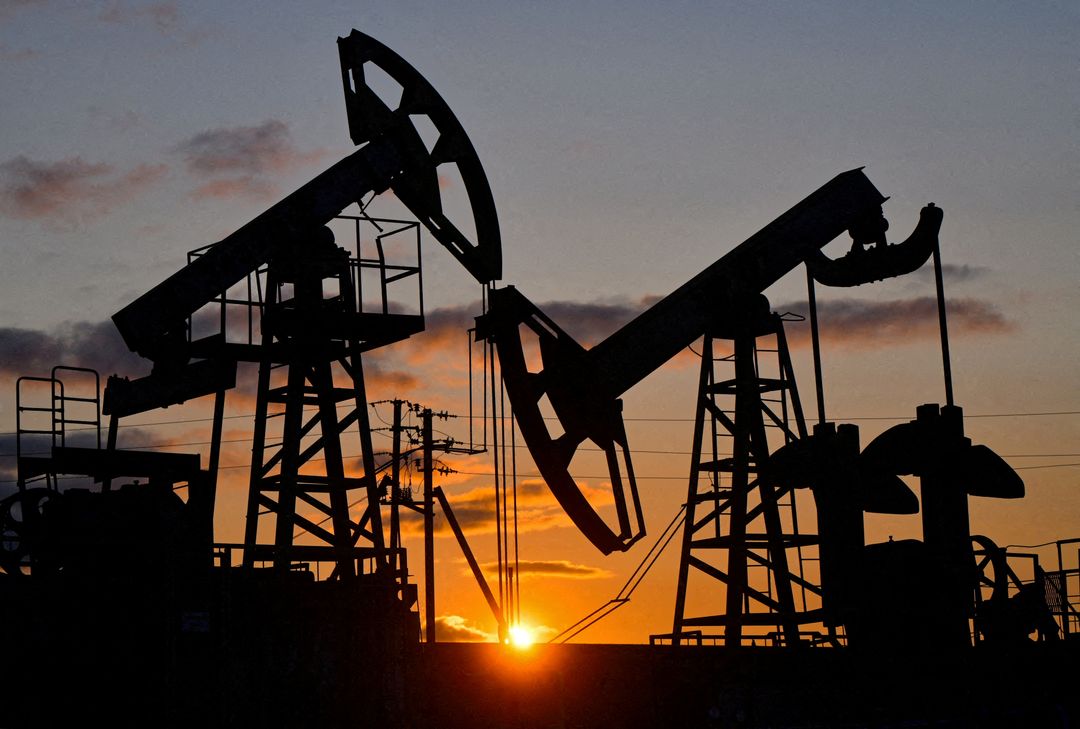
Iran had been pumping over 3 million barrels of crude oil a day before the war, with a little more than half going towards its domestic market. But since the American blockade began on April 13, ships have been filled with oil and unable to get out.
With exports constrained, hard currency inflows are drying up into an economy already battered by weeks of conflict, prior unrest, and decades of sanctions.
Kpler, a firm monitoring commodities markets, said it believes Iran has enough capacity left to store about two weeks worth of oil production, even after reducing output.
“While the immediate revenue impact is limited, operational constraints are now forcing production cuts and setting up a delayed but significant financial squeeze,” wrote Homayoun Falakshahi, an analyst at Kpler.
Wood Mackenzie, another oil analysis firm, estimates Iran will run out of storage capacity in about three weeks.
Iran seems to be acknowledging some of the impacts of the blockade indirectly.
A segment on state TV included journalists discussing the possibility of an oil storage crisis. One noted that if empty tankers get blocked from returning to Iran, “we won’t be able to export.”
Iran's leaders “are really resisting” shutting down oil wells because of how painful that would be long-term, Miad Maleki, a former sanctions expert at the US Treasury who is now a senior fellow at the Washington-based Foundation for Defence of Democracies, told AP.
“They’ve been under sanctions, they’ve been isolated for 47 years now. Those oil wells are not maintained well. Their machinery is not maintained well," Maleki said. Once shut off, he added, the wells won't easily "snap back after a few months.”