 Murat Sofuoglu
"Pride goes before destruction, a haughty spirit before a fall,” says the Book of Proverbs in the Bible.
For some, it might offer an insight into the US decision to launch an ill-timed war against Iran, and that too at the advice of Israel’s Benjamin Netanyahu.
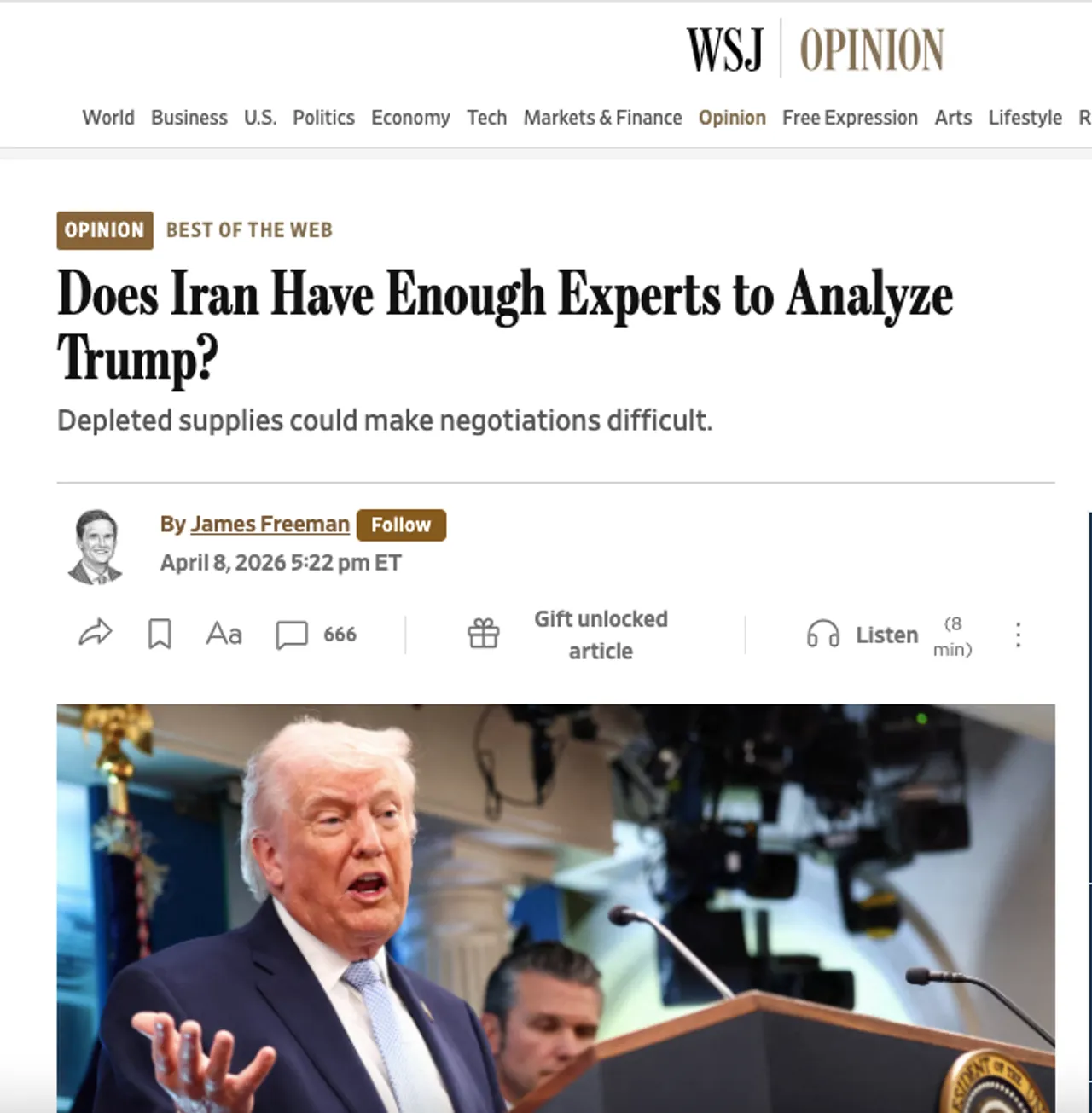
A recent article in the US media outlet, the Wall Street Journal, has once again exposed the sheer lack of understanding about Iran in particular among the American leadership and intelligentsia.
The article by WSJ’s long-term columnist James Freeman, titled Does Iran Have Enough Experts to Analyse Trump?, runs contrary to the ground situation, as exemplified by Iran’s defence against a far bigger military power.
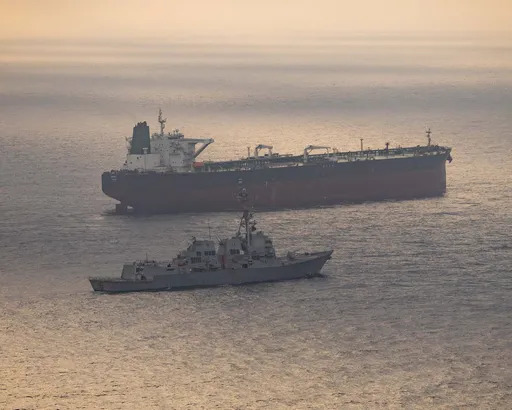
“After more than a month of war against the US and countries around the Middle East, the Iranian regime now enters peace negotiations with fewer ships, missiles and austere religious scholars than it had in February,” Freeman wrote.
“This last category of depleted supplies could be most significant as whoever is now running the murderous regime in Tehran tries to assess the man who was elected to run the American government. Right now, he still seems to be keeping everyone guessing,” he added.
Freeman’s assessment that Tehran initiated the war – halted for the time being – is a classic example of the Western media obfuscating the truth.
In the face of constantly changing dynamics in the Middle East, Freeman’s assumption that Iranians might not have “enough experts to analyse Trump” is not only an insult to the intelligence of Iranians but also reeks of American media arrogance.
He “insults the intelligence of not only Iranians but also his readers,” Gregory Simons, an academic specialising in communication sciences, tells TRT World. “It sounds like an unsupported assertion.”
Who needs to analyse whom?
Despite Freeman’s confidence in the superiority of American political judgement, the current war situation does not reflect the writer’s portrayal of the Iranian political and intellectual capabilities.
An analyst says that what is true is actually the opposite of the WSJ’s analysis.
“Actually, it is the United States and Israel which did not have enough experts to analyse Iran, and that’s why they attacked and failed,” says Mohammed Eslami, a political scientist at the European University Institute, referring to the current battlefield deadlock.
Eslami was referring to Israeli and some pro-Israeli US assessments that Iran’s post-1979 revolutionary state would collapse under American military pressure, helped by an internal rebellion that would topple the current government in Tehran.
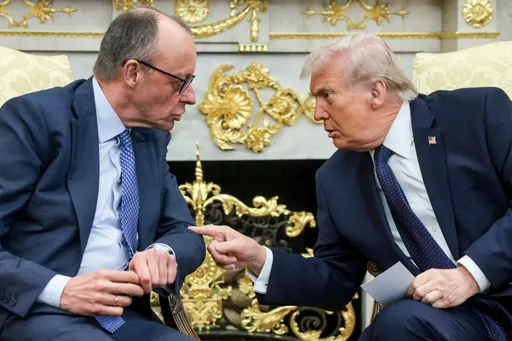
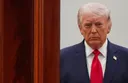
A recent New York Times article suggested that during a secret Situation Room meeting, Netanyahu promised Trump a quick victory against Iran.
“Even though they might have enough experts, they did not listen to them,” adds the Iranian professor, referring to recent American media revelations indicating that some top American officials disagreed with Netanyahu’s assertions of a quick victory.
CIA Director John Ratcliffe called Netanyahu’s assertion “farcical”, while Secretary of State Mike Rubio used a slang word to dismiss it. Gen. Dan Caine, chair of the US Joint Chiefs of Staff, said that Israelis always “oversell” their war plans’ possible results.
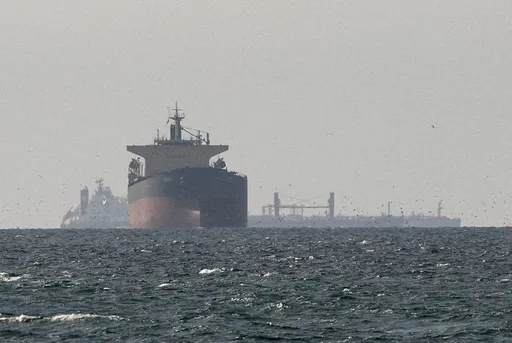
“I argued that Iran actually studied and analysed Trump perfectly…that they could resist 40 days against the largest army in the world,” Eslami adds, referring to Tehran’s resistance in the face of military pressure and the country’s blockade of the strategic Strait of Hormuz against oil vessels aligned with American and Israeli interests.
‘Farcical’ argument
Beyond the obvious, WSJ’s Freeman’s assessment is flawed on multiple fronts.
First of all, not Iran but the US and Israel launched a war against Tehran in the first place. There is also emerging evidence that the US pushed for a ceasefire with Iran, setting up Pakistan to arrange negotiations, not the other way around.
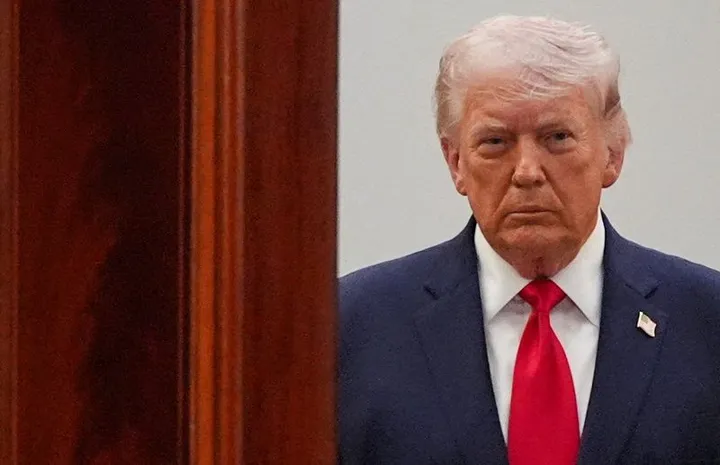
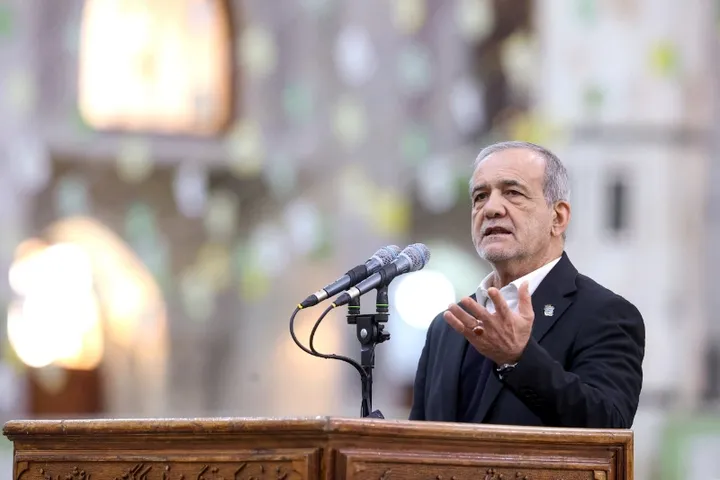
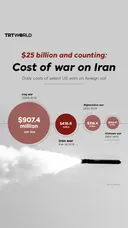
Second, if Iran has been reduced to a weak power with fewer military capabilities, as Freeman suggests, why is the White House negotiating a ceasefire with the Iranian leadership?
“If this is the case, and if Iran was so defeated and weak, why did not Trump put an end to the Islamic Republic once and for all and establish a reasonable victory?” says Eslami.
“If victory on the battlefield were possible, the US would never ever suggest negotiations with Iran,” which the president called a terrorist regime in an expletive-laden social media post.
Additionally, Freeman’s claim on the Iranian leadership fails to grasp the country’s political and social dynamics.
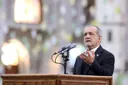
Iran has a clerical leadership led by a supreme leader, who is elected by the Assembly of Experts, a constitutional religious institution whose members are elected by the people. However, the country also has a political leadership elected by citizens.
Freeman derides the Assembly of Experts, whose expertise can not extend “beyond the beating of women and the execution of political dissidents”, according to him.
“Lately, there are also new questions about their management expertise given that recently they seem to have chosen a new supreme leader who may not even be conscious,” he wrote, referring to Iran’s new Supreme Leader Mojtaba Khamenei’s election.
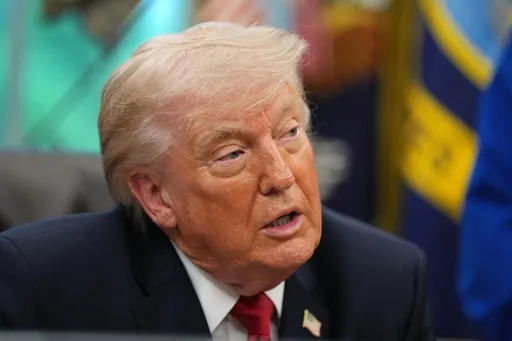
“Is this the crew to figure out Donald Trump?” he confidently asked.
Analysts based in the West and in the Middle East - as well as top American and European intelligence officials – believe that the war and numerous assassinations have turned not the Assembly of Experts but the Iranian Revolutionary Guards Corps (IRGC) into the country’s most powerful decision-making authority.
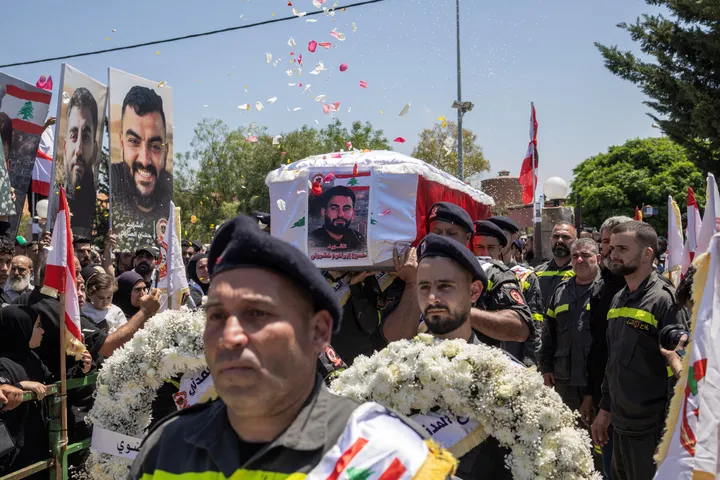
Israeli assassinations killed Supreme Leader Ali Khamenei, Ali Larijani, the president of the country’s security council, Kamal Harazi, a former Reformist foreign minister, who was in contact with mediators to reach a peaceful resolution with the US prior to an Israeli attack on his residence, and many others.
All these mean that IRGC generals and not “austere religious scholars” now seem to have more authority over the state’s decision-making process, as thousands of American and Israeli missiles and bombs were raining on Iranian cities in the last 40 days.
‘Global arrogance’
Experts believe that within a section of American political and intellectual circles, there is a stubborn reluctance to recognise the diminishing prospects for US global power projection in a multipolar world, insisting that Washington can do whatever it wants around the globe.
“I rather believe that this analyst is one of those people who is brainwashed and is really thinking that the greatness of the US still remains as it was in the good old days,” says Eslami.
He calls Freeman one of the victims of “global arrogance” led by the US, who continue to live in an illusion that has nothing to do with the newly emerging geopolitical realities.
Ironically, the term "global arrogance" was put forward by Iranian analysts in the late 1990s to refer to the hegemonic actions of the US and its Western allies, which seek to impose their will on smaller and weaker nations.
Freeman’s analysis makes “a great case for US projection of their own intellectual inadequacies,” says Simons.
Despite WSJ’s favourable coverage of the Trump administration during and before the military conflict, the US president was not happy about the newspaper’s editorial board’s approach towards his ceasefire with Iran. Freeman is an assistant editor on WSJ’s editorial board.
“The Wall Street Journal, one of the worst and most inaccurate “Editorial Boards” in the World, stated that I “declared premature victory in Iran,” Trump wrote on Truth Social, saying that time would prove that he made the right decision by reaching a deal with Tehran.
“The Wall Street Journal will, as usual, live to eat their words. They are always quick to criticise, but never to admit when they’re wrong, which is most of the time!”