The US Supreme Court has let President Donald Trump's administration resume deporting migrants to countries other than their own.
The court granted the Justice Department's emergency request to put on hold Boston-based US District Judge Brian Murphy's ruling that the Department of Homeland Security's policy to remove migrants to third countries is unlawful.
The court also agreed to hear arguments in the dispute in December, with a formal ruling on policy to follow.
Murphy's ruling came in a class-action lawsuit filed by immigrant rights groups on behalf of migrants seeking to prevent the US government from sending them to third countries without notice and a chance to assert the harms they could face.
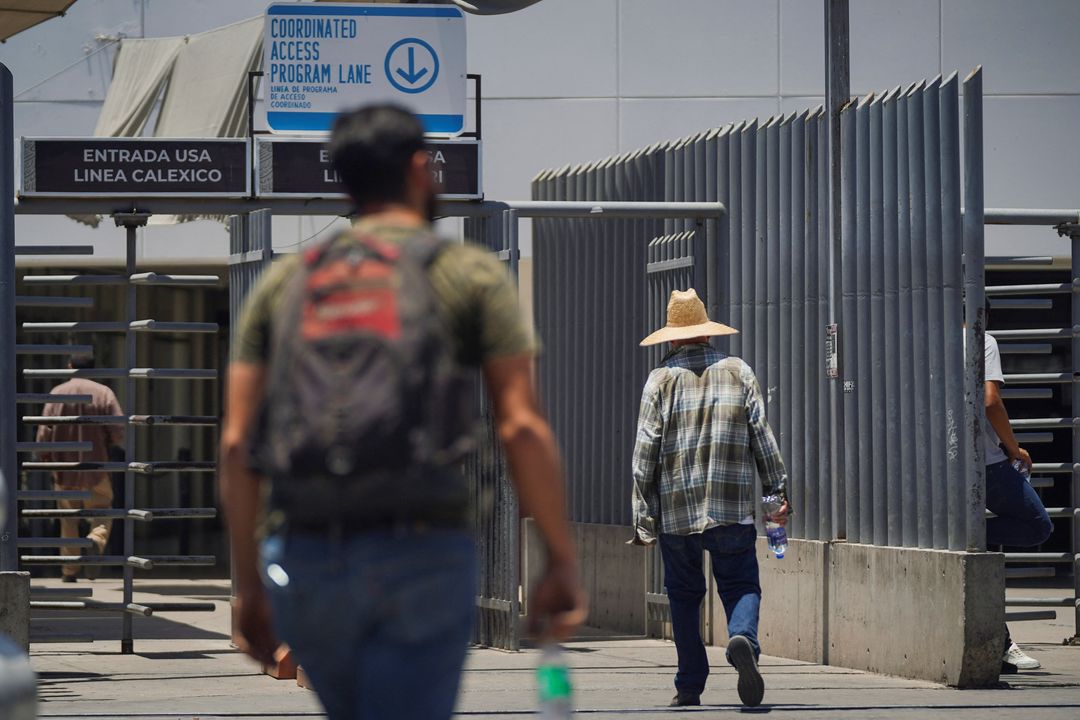
More than 25,000 migrants have been deported to 29 countries under the policy implemented last year, according to a tally by human rights groups, with the vast majority going to Mexico.
The administration has carried out third-country deportations to South Sudan as well as Uganda, Equatorial Guinea, Liberia, the Central African Republic, and other nations.
The Supreme Court previously sided with the administration in the legal challenge, suspending a preliminary order that Murphy issued earlier in the case halting the removals.






Swiftly removed
The policy provided that migrants could be swiftly removed without notice to third countries that have provided credible diplomatic assurance that they will not persecute or torture the individuals.
For countries that have not provided such assurance, deportees would be notified of their destination, and US authorities would assess the likelihood of persecution or torture only if the individual raises such fear on their own.
In February, Murphy ruled that the policy violates immigration law procedures and due process protections under the US Constitution's Fifth Amendment.
Due process generally requires the government to provide notice and an opportunity for a hearing before taking certain adverse actions.
In its emergency filing to the Supreme Court, the Justice Department said third-country deportations are "an essential tool to remove certain aliens, including some of the worst criminal aliens."
More than a dozen UN rights experts have written to the US government urging a halt to policies that they said on Monday were putting migrants at heightened risk of abuse, including torture and persecution, by deporting them to third countries.