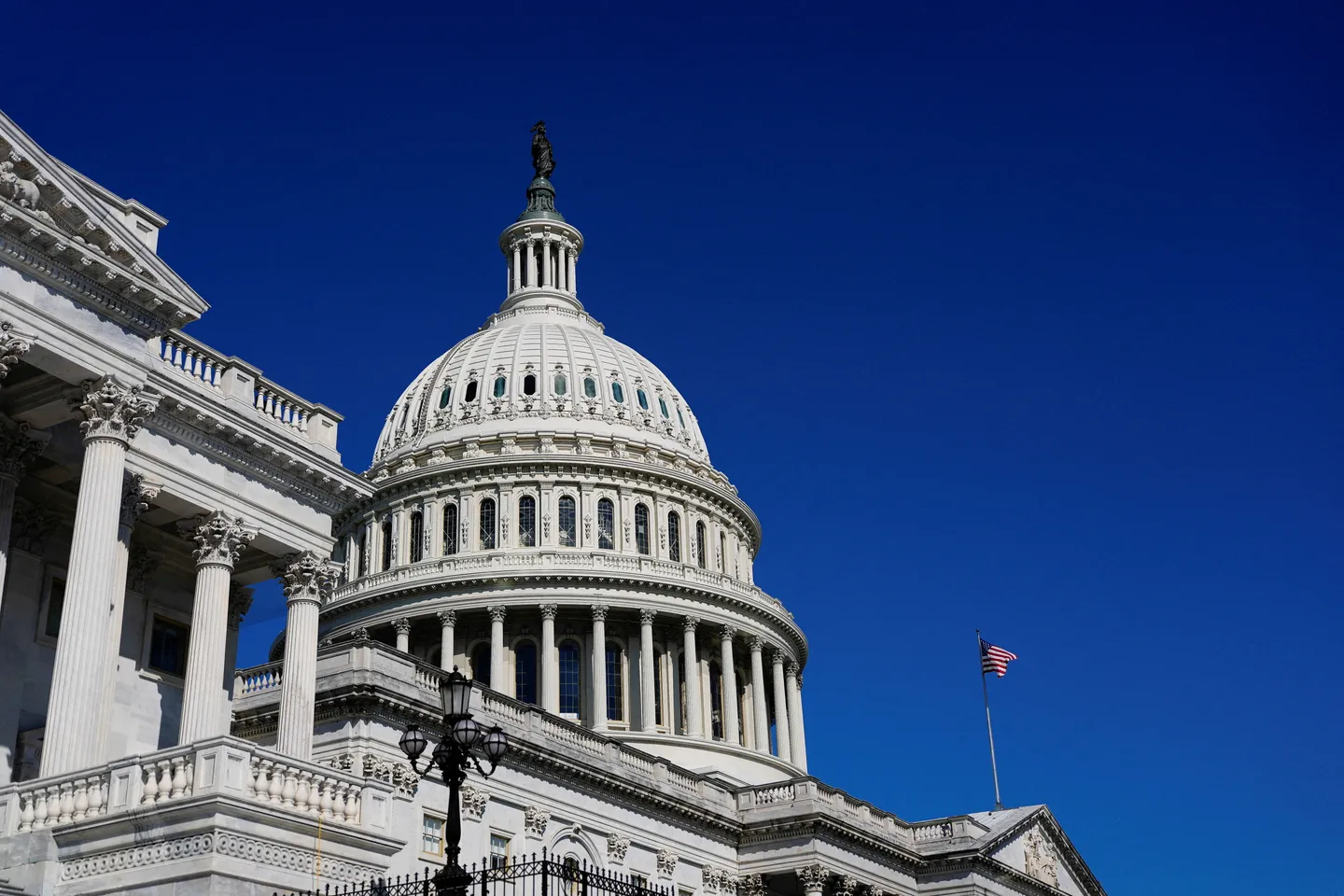
The US House of Representatives passed a war powers resolution on Tuesday directing President Donald Trump to remove American forces from hostilities with Iran.
The lower chamber approved H. Con. Res. 93 by a vote of 220–204. Seven Republicans voted in favour of the measure, which was sponsored by Democratic Representative Seth Moulton.
It marked the third time the House had approved a similar war powers resolution.
Representative Gregory Meeks, the ranking Democrat on the House Foreign Affairs Committee, criticised the Trump administration’s military campaign against Iran after the resolution was passed.
Meeks said the US had been involved in the conflict for nearly 200 days and argued that the administration had failed to achieve its stated objectives.
He cited higher petrol prices and mortgage rates, inflation, billions of dollars in government spending and US military casualties as costs of the conflict.
So far, 19 US service members have been killed and more than 750 wounded since the US and Israel launched strikes against Iran on 28 February.
“This is now the third War Powers Resolution that has passed the House to end this war, including my own resolution which passed both chambers. The president must end this failed war and appoint real diplomats, not real estate developers, to work multilaterally on a diplomatic solution that opens the Strait (of Hormuz) and reduces tensions,” he said.
The vote is likely to be the House’s final action on the war before the midterm elections, in which the nearly seven-month conflict is playing a prominent role.
Trump launched the joint war with Israel on February 28, triggering intermittent but deadly missile exchanges that have caused widespread disruption across the region.

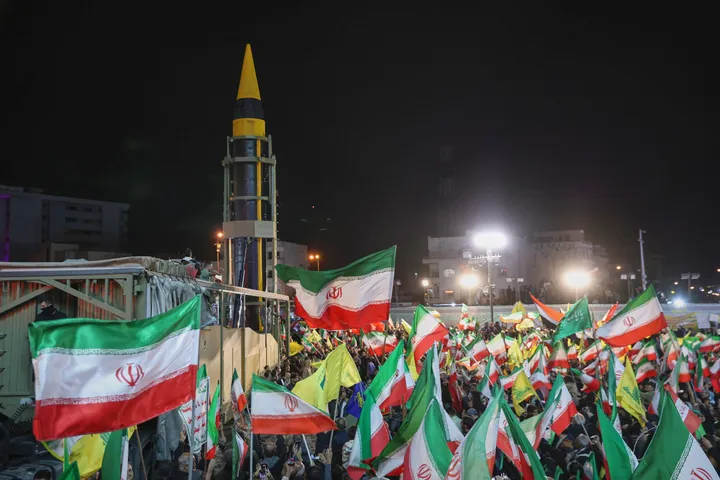




The conflict has disrupted oil shipments through the Strait of Hormuz, driving up fuel prices and adding to the cost-of-living pressures facing US voters.
The Congressional Budget Office said on Tuesday that the war had cost more than $38 billion as of August 1 and was expected to cost between $2 billion and $3 billion a month, depending on the intensity of the fighting.
It projected that inflation would be 0.5 percentage points higher than previously forecast heading into 2027 because of the conflict.
Trump had promised to keep the US out of foreign wars during his campaign for a second term, and the Iran conflict has put pressure on the Republican Party, which controls both the House and Senate.
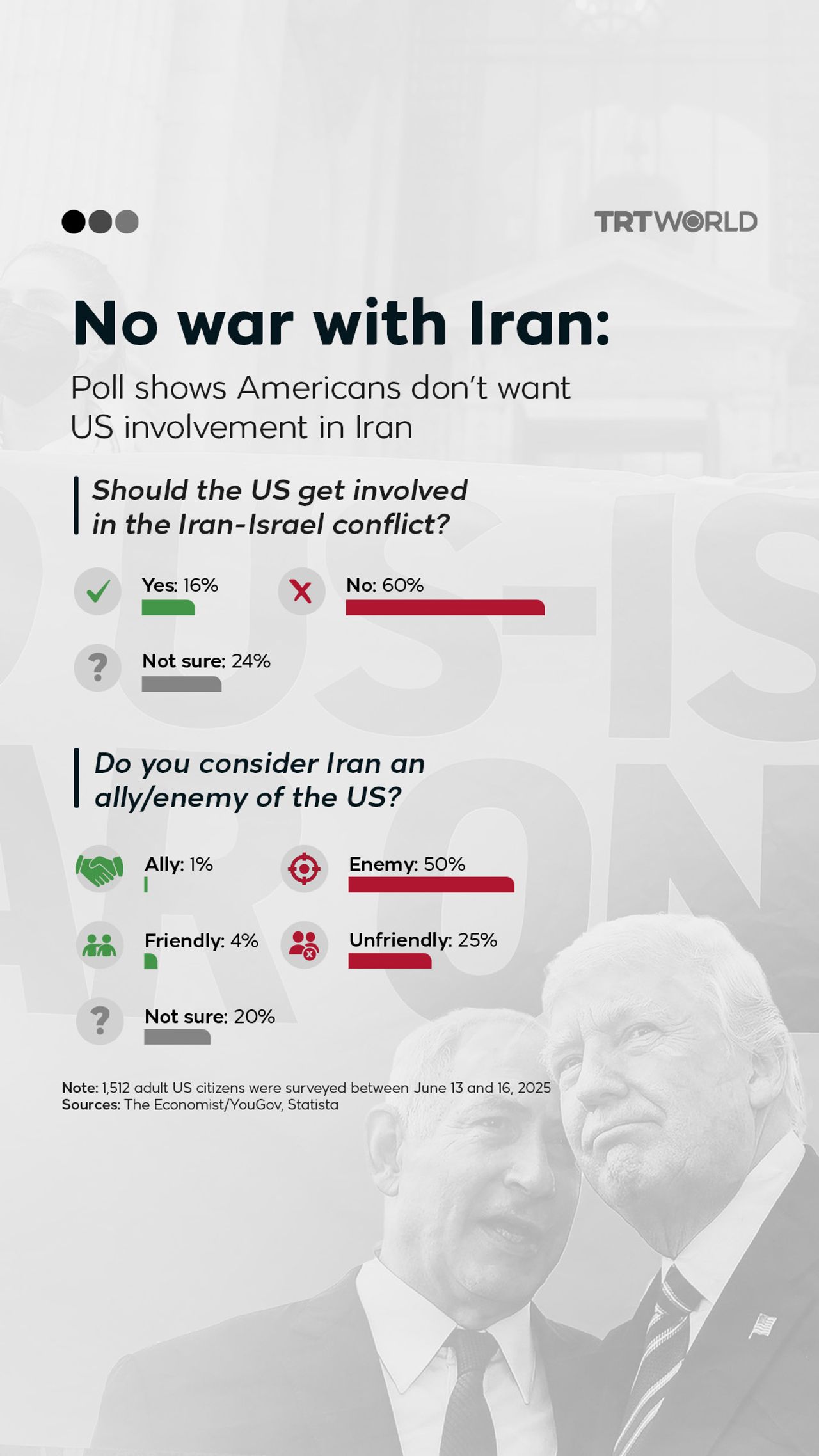
Most Americans believe the war has not been worth fighting, according to an AP-NORC poll conducted in July.
Congress has repeatedly sought to restrict the Trump administration’s military actions, but such efforts remain unlikely to succeed while the president can veto the measures.
The House first approved a war powers resolution in June and passed another in July. The Senate also approved a resolution on its 10th attempt, but Republican senators reversed course the following day after Trump criticised them during a closed-door lunch.
The US Constitution grants Congress the authority to declare war while designating the president as commander-in-chief. The War Powers Resolution, adopted after the Vietnam War, requires congressional approval for military action lasting beyond 60 or 90 days.