 Ahmed Najar
Three years is long enough for a child to learn to speak, to walk and to begin discovering the world.
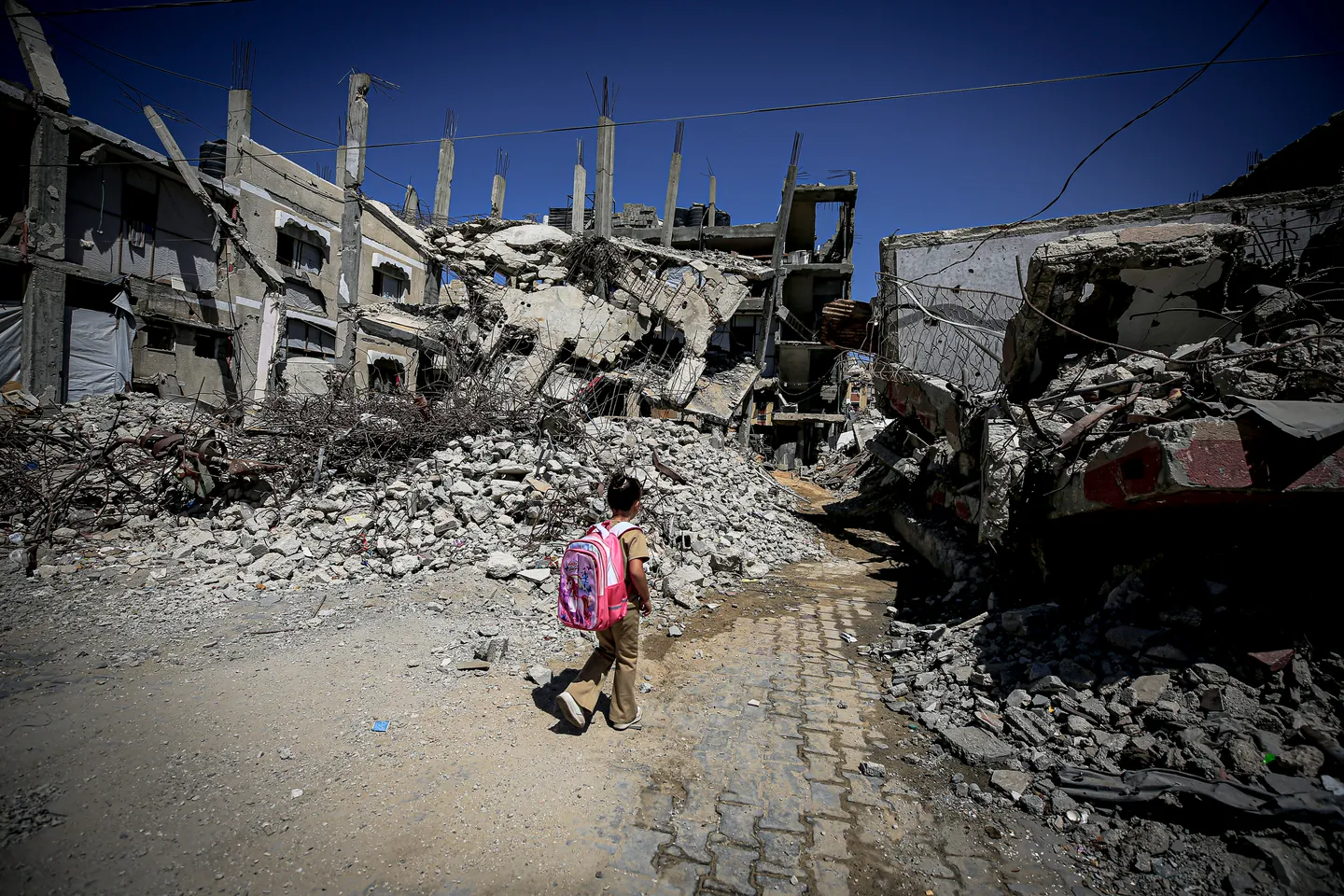
In Gaza, three years have instead been measured in children killed before they could grow, families erased from the civil registry and neighbourhoods reduced to landscapes of dust.
On October 7, the world marks three years since the Hamas-led blitz on Israel and the beginning of Israel’s genocidal war on Gaza.
For Palestinians, however, this date does not mark the beginning of their suffering. It marks the moment when decades of occupation, siege and dispossession erupted into a campaign to make Gaza unliveable—and when much of the world chose to watch it happen.
For three years, Palestinians in Gaza have been subjected not merely to bombardment but to the systematic destruction of the conditions required for collective life.
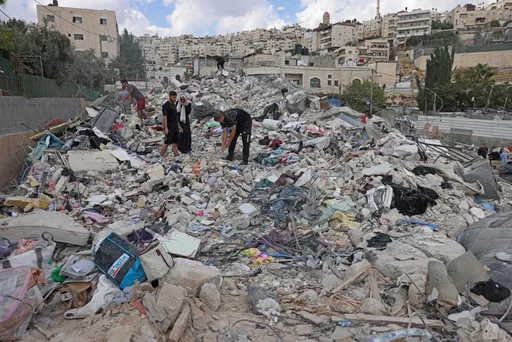
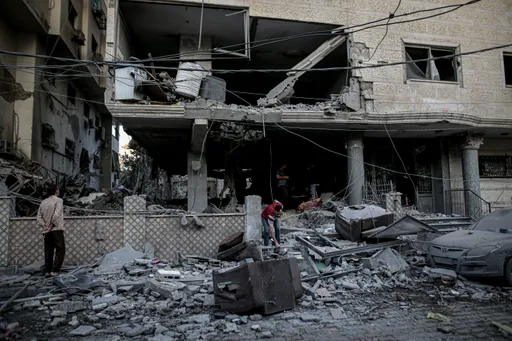
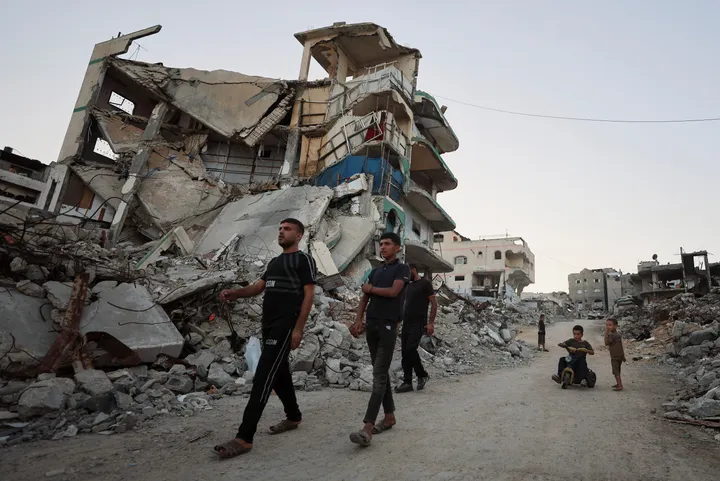
Homes, hospitals, universities, schools, bakeries, water networks, farmland and places of worship have been reduced to rubble. Entire families have been killed together.
An overwhelmingly displaced population has been repeatedly ordered from one supposedly safe area to another, only for those places to be attacked too.
By rough estimates, over 74,000 Palestinians have been reported killed. More than 21,000 of them are children.
The true toll will be higher: bodies remain buried under collapsed buildings, while deaths caused by hunger, disease and the destruction of healthcare are harder to count.
Around 1.9 million people have been displaced, many repeatedly.
More than 371,000 housing units have been damaged or destroyed, nearly every school has been struck, and more than half of Gaza’s hospitals are no longer functioning.
A joint UN, EU and World Bank assessment says Gaza’s human development has been set back by 77 years.
The violence has not been confined to Gaza.
Since October 2023, Israel has sharply intensified its attacks across the occupied West Bank, including occupied East Jerusalem.
More than 1,100 Palestinians, including over 240 children, have been killed by Israeli forces and illegal settlers.
Military raids, home demolitions, illegal settler attacks, illegal settlement expansion and land seizures have all accelerated, forcing thousands of Palestinians from their homes and communities.
While the world’s attention remained fixed on Gaza, Israel used the moment to tighten its control over the occupied West Bank and push forward its illegal annexation.
Gaza and the occupied West Bank face different forms of Israeli violence, but the objective is the same: to erase Palestinians from their land.
Names behind numbers
Numbers of this magnitude can make horror feel abstract. But every statistic was a person with a name, habits, arguments, ambitions and people who loved them.
The dead must not be reduced to evidence of a catastrophe the world already understood and repeatedly chose not to stop.
Nor did the announcement of a ceasefire deal in October 2025 bring safety. More than 1,400 Palestinians have been killed since then.
Israeli occupation forces still control about two-thirds of Gaza, while Palestinians are confined to an overcrowded fraction of their own land.
Reconstruction has barely begun. Restrictions continue to obstruct building materials, medical supplies, clean water and the machinery needed to clear the mountains of rubble.
A ceasefire agreement under which Palestinians continue to be killed, displaced and denied the ability to rebuild is not peace. It is violence managed at a tempo the international community finds easier to ignore.
Throughout these three years, Palestinians have repeatedly been praised for their “resilience”.
It is usually intended as admiration. But the word has become increasingly uncomfortable.
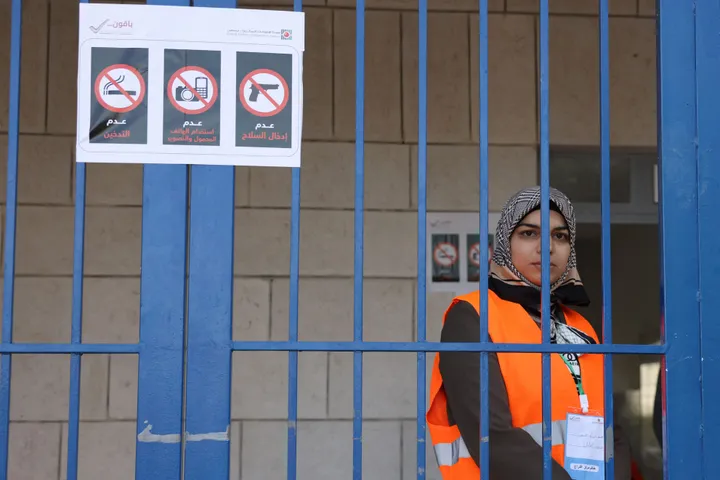


Too often, celebrating Palestinian resilience allows the world to marvel at how much a people can endure without asking why they are still being forced to endure it.
The language of resilience can also depoliticise what is happening. It recasts a people confronting military occupation, apartheid and genocide as recipients of humanitarian sympathy.
It turns rights into needs, political responsibility into tragedy, and crimes with identifiable perpetrators and enablers into an unfortunate disaster without an author.
The focus shifts from the machinery producing Palestinian suffering to the ingenuity with which Palestinians survive it.
That framing is convenient for governments that issue statements of concern while continuing to arm, trade with and diplomatically protect Israel.
Images of Palestinians cooking beside ruined homes or holding lessons in tents are offered as uplifting proof that life continues.
Yet the celebration of their resourcefulness can obscure the central fact: those homes should never have been destroyed, and those children should be learning in schools, not beneath sheets of plastic surrounded by rubble.
Resilience is a mother packing what remains of her life and fleeing for the seventh time.
It is a father searching through rubble for a photograph, a birth certificate or the body of his child.
It is doctors operating without anaesthetic, teachers gathering children inside tents, and families making meals from almost nothing.
These acts are extraordinary, but Palestinians should never have needed such extraordinary strength merely to remain alive.
Beyond October 7
Palestinian steadfastness—sumud—is not a picturesque quality for outsiders to praise. It is a political refusal to disappear.
Palestinians rebuild because Israel destroys. They teach because Israel has damaged or destroyed almost every school. They plant because land is being seized. They tell the names and stories of the dead because erasure is part of the crime.
But resilience must never be used as a substitute for justice.
Survival does not absolve those who armed Israel, protected it diplomatically or continued trading with it while Gaza was being starved and destroyed.
Nor can expressions of sympathy erase three years of deliberate political choices.
In September 2025, a UN Commission of Inquiry concluded that Israel had committed genocide in Gaza.
The international community can no longer claim that the nature of the crime is unclear. Yet accountability remains absent, and impunity has allowed the destruction to continue even under the language of a ceasefire.
The appropriate response is not another speech honouring Palestinian courage. It is an arms embargo, sanctions and prosecutions for those responsible.
It is unrestricted humanitarian access and Palestinian-led reconstruction.
It is ending the occupation and apartheid, protecting the right of Palestinian refugees to return, and allowing Palestinians to determine their own future rather than having another political arrangement imposed upon them.
Three years on, Palestinians are still alive, still speaking and still refusing to surrender their claim to their land and their humanity. That endurance is powerful. But it should not comfort the world.
Palestinian survival is not the conclusion of this story. It is an accusation against everyone who made such resilience necessary.