 Murat Sofuoglu
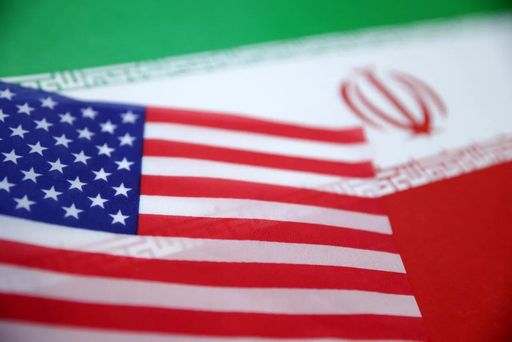
While the US and Iran reached a fragile ceasefire this week, Israel, which many analysts argue pushed the Trump administration towards an unnecessary war with Tehran, launched fresh deadly strikes on Lebanon.
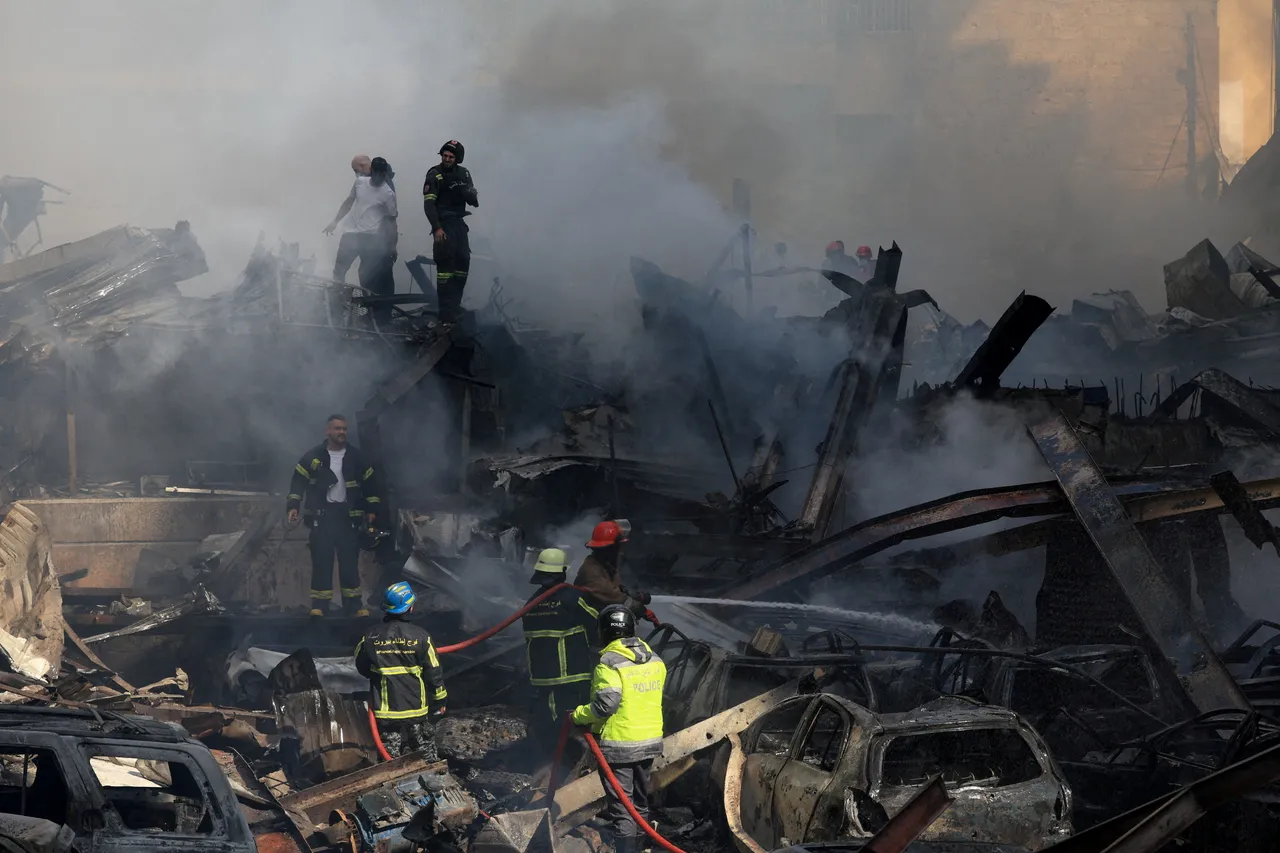
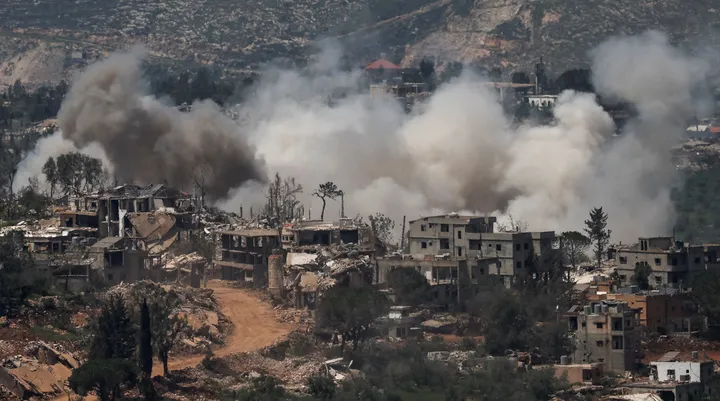
On Wednesday, Israel launched over 100 air strikes in 10 minutes in one of the bloodiest attacks on Lebanon, striking civilian areas from Beirut to Tyre, and killing hundreds, including many children.
Analysts warn that Israel’s strikes on Lebanon risk further inflaming tensions between the US and Iran, after Tehran responded by restricting traffic through the Strait of Hormuz, disrupting global flow.
“At the end of the day, Benjamin Netanyahu wants this war to continue. The continuation does serve his political career. There is a possibility that he wants to sabotage the US-Iran ceasefire,” Mahjoob Zweiri, a Gulf-based Middle East analyst, tells TRT World.
“The long war is helping him to gain more votes and to escape from the courts and other things, but I'm not sure that this helps the United States,” Zweiri says, pointing out how the Zionist state has conducted several wars from Gaza to Lebanon, Yemen and most lately Iran since October 7.
Netanyahu faces several corruption charges, Israeli prosecutors say, but ongoing military conflicts have helped shift public attention away from his legal troubles.
Other experts see an Israeli pattern in its ongoing attacks on Lebanon, beyond Netanyahu’s legal troubles, aimed at the destruction of Hezbollah.
Israelis want to make sure that Hezbollah can “no longer pose a threat to Israel”, including by weakening it enough that its Lebanese political adversaries can “outmanoeuvre it domestically,” Joost Hiltermann, a special advisor on MENA at the International Crisis Group, tells TRT World.
“But after the ceasefire, Israel wants to make sure to exploit the ambiguity in the US-Iran deal to gain maximum benefit before Trump tells them to stop.”
Increasing criticism
After the US-Iran ceasefire, Israeli opposition criticism of Netanyahu’s policies intensified, with his political rivals arguing that despite tactical successes, Tel Aviv has failed to achieve its strategic objectives, including eliminating its adversaries, from Palestinian resistance group Hamas to Hezbollah, and weakening Iran’s cleric-led government.
According to analysts, this could heighten Netanyahu and his allies' agitation and anxiety, potentially prompting calls for further military action on the belief that sustained pressure could weaken anti-Israeli forces across the region.
As a result, the Netanyahu government may seek to escalate tensions in Lebanon, a move that risks triggering renewed hostilities with Iran.
“In Israel, the Benjamin Netanyahu coalition government has failed to achieve its goals in three wars: Gaza, Lebanon, and most recently, Iran. Furthermore, it has been revealed that they were not consulted on the US ceasefire with Iran, giving the opposition a very serious argument,” Gokhan Batu, an Ankara-based expert on Israeli and Middle Eastern politics, tells TRT World.
“This argument is currently being heavily promoted in the Israeli press and social media, claiming that the government has failed to translate the gains of the Israeli military into strategic outcomes.”
A similar view is expressed by Tuba Yildiz, a political analyst of Lebanese politics.
“The initial reactions in Israel after the ceasefire were that Netanyahu and Israel had lost this war. Many of Netanyahu's strategic plans regarding Iran, such as regime overthrow and popular uprising, were not implemented.”



“Therefore, he vented his anger on Lebanon because he knows that Israeli society as a whole is opposed to Hezbollah, so any blow struck against Lebanon and Hezbollah works in suppressing Israeli societal aggression (against Netanyahu),” Yildiz adds.
The Netanyahu government’s decision to label its attacks on Lebanon as “Eternal Darkness” raised eyebrows worldwide, prompting observers to question the symbolism of the wording.
“It is clear that the label Eternal Darkness for this operation shows the extent of Israel's bellicosity and total disregard for human life. To kill a handful of Hezbollah's operatives, Israel did not mind killing more than 250 civilians and wounding more than 1,000 others,” Hilal Khashan, professor of political science at American University of Beirut, tells TRT World.
Sowing divisions
Netanyahu’s continued pursuit of genocidal campaigns across the Middle East, including large-scale destruction and killings in Gaza, Lebanon and Iran, reflects what experts describe as an increasingly confrontational Israeli posture, one that appears indifferent to international law and established human rights norms.
“Israel simply does not care because it views itself as above the law,” Khashan says, referring to ongoing attacks on Lebanese civilians.
“Israel is angry because the US agreed to the ceasefire with Iran without completing its objective of destroying its military and civilian industrial complex and paving the ground for an uprising against the regime in Tehran.”
By launching his war on Lebanon, Netanyahu may have calculated that the US-Iran ceasefire would offer little relief to Hezbollah, which is closely tied to the country’s Shia population, according to Khashan.
Such a move, he adds, could potentially alienate segments of Lebanon’s Shia community from the group.
Other experts also point out that Israel has long sought to sow divisions among Lebanon’s diverse sectarian and ethnic communities, launching several invasions and committing massacres.
“What Israel is doing in Lebanon is very clear, aiming to raise the cost of Hezbollah's action against Israel on the Lebanese people. The areas they hit yesterday are called mixed areas. It's not a Hezbollah area nor a Sunni area. Basically, they targeted areas with different communities identifying themselves with various sects,” Zweiri says.
According to Zweiri, Israelis are bombarding and killing people from different sectarian and religious backgrounds, aiming to create the perception among them that all these Zionist attacks are happening because of Iran-backed Hezbollah’s presence in Lebanon.
He also draws attention to the fact that Israel’s past attacks forced nearly one million people, who mostly identify as Shia Muslims, to move from southern Lebanon to other areas where Sunni, Druze and Christian populations live.
“With yesterday’s attacks, Israelis were targeting these displaced people who were basically trying to settle those areas. Israeli attacks aim to create hatred towards this displaced Shia population with Hezbollah connections, sowing more divisions in Lebanese society,” Zweiri tells TRT World.
Israelis aim to “not only weaken Hezbollah but also force its Shia base to replace the Iran-backed group as a representative of Shia with other faces that have more connection with the Lebanese agenda and without any connection to Iran.”