 Murat Sofuoglu
There has been an uneasy ceasefire between the US and Iran after heavy US-Israel strikes failed to produce a regime collapse in Tehran, leading to negotiations and exchange of peace proposals between the two sides since early April.
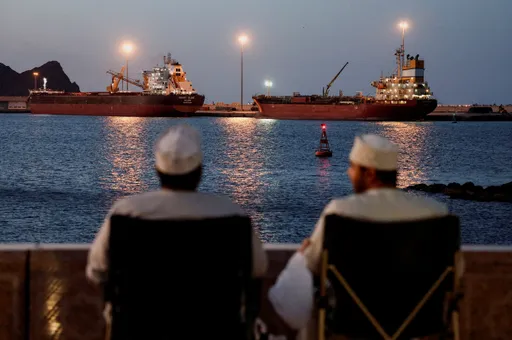
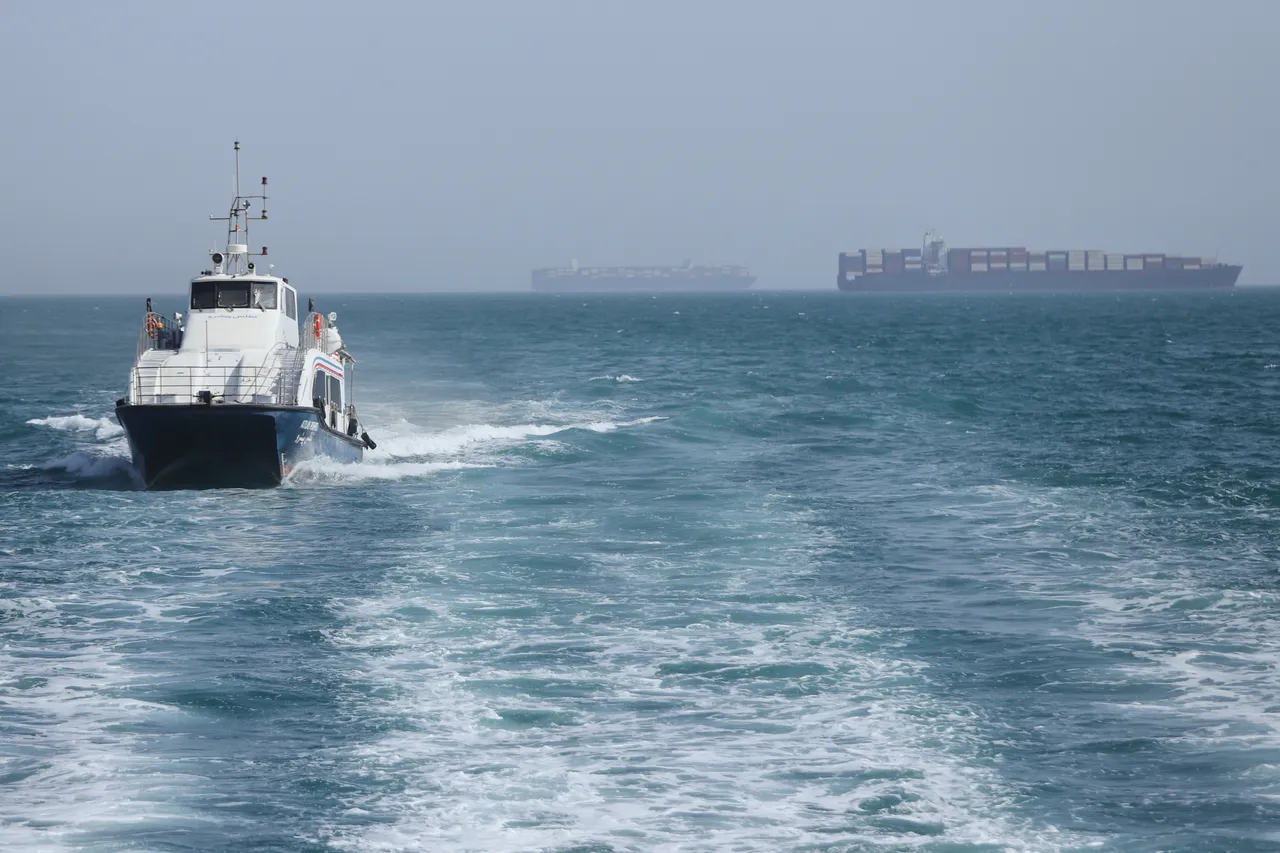
Through the ceasefire, the US government has effectively imposed a double blockade on the Strait of Hormuz, targeting Iranian oil-exporting ports in an attempt to inflict economic pain on Tehran and to force the oil-rich country back to the negotiating table.
Over the weekend, Trump also unveiled a new plan called Project Freedom, which aims to encourage commercial ships to sail through the Strait of Hormuz under the guidance of the American military.
But experts warn that the new plan may struggle to persuade shipping companies to operate in the dangerous waters of Hormuz, as Iran retains significant military capabilities, from its so-called Mosquito fleet of small boats to the ability to mine the Strait, all of which could disrupt commercial shipping across the region.
Dania Koleilat Khatib, a specialist in US-Arab relations and co-founder of the Research Center for Cooperation and Peace Building, a Lebanese non-governmental organisation, describes Trump’s new plan as “not sustainable, very expensive and not commercially viable”.
In a recent Truth Social post, however, Trump appeared optimistic that the plan could work, saying “for the good of Iran, the Middle East, and the United States,” the American army “will guide” commercial ships “safely out of these restricted waterways”.
Despite the US government’s confidence in the new plan's feasibility, military analysts note that America may not have sufficient assets to enforce a large-scale guidance mission across the Gulf.
Trump’s call for an international alliance to open the Strait of Hormuz has so far generated little enthusiasm among NATO allies.
“Project Freedom is more of a gimmick to calm energy markets after the price of crude oil has reached such a high level and is expected to rise more,” Khatib tells TRT World.
Then, can the US blockade—backed by the new “Project Freedom”—persuade the Iranian leadership to reach a deal with Washington?
“I doubt Iran will be persuaded. It’s looking for alternative routes like Pakistan to export its oil. Iran is quite resilient against a blockade because it has been under sanctions since 1979,” Khatib responds.
The US blockade will not be “a determining factor” in pushing Iran back to negotiations, she argues, because Iran has spent decades learning how to work around sanctions.
“Now the conflict has turned into a war of attrition in which both sides will try to maximise the other’s costs to force them to give up,” she says.
In such a war of attrition, time may favour Iran, she notes, particularly given US sensitivity to rising oil prices.
This could “put pressure” on the Trump administration ahead of the November midterms, especially as his approval ratings have recently hit new lows.
Like Khatib, Luciano Zaccara, a Gulf-based political analyst on Iran, has reservations about the blockade’s ability to revive talks. However, he suggests “it may eventually” push both sides back to the negotiation table.
“But Tehran will not negotiate from a position perceived as humiliation or capitulation,” Zaccara tells TRT World.
“Iran will seek talks that preserve some strategic leverage, especially regarding uranium enrichment and deterrence capacity. In that sense, the blockade can create incentives for diplomacy, but it can also harden Iran’s public negotiating posture at the same time.”
More isolated than before?
Experts are sceptical that a US blockade can persuade Tehran to return to the negotiating table, arguing that it may instead deepen Iran’s isolation compared to the period before the American-Israeli attacks and subsequent measures.
Iran has nearly 7,000 km of land borders with neighbouring countries, meaning “the importation of necessary goods will not be significantly impacted” by the blockade or the new “Project Freedom,” says Mohammed Eslami, a political scientist at European University Institute.
He adds that Iranian exports, particularly oil, are not limited to the Persian Gulf.
Iran operates several functioning ports along the Sea of Oman coastline and has recently expanded land routes through Pakistan, facilitating the import and export of oil and other goods, including trade with China, Eslami says.
“This is another miscalculation by Trump and his advisors, who are more of real estate agents than politicians and political analysts.,” Eslami argues.
“If a full-scale war that represents the most brutal air campaigns in the history of humanity has not forced Iran to surrender, how can a semi-functional sea blockade convince Iranian leaders to surrender?”
Other experts similarly note that although the blockade is imposing economic strain, reducing revenues and increasing internal pressure, there is little evidence that it is breaking the Iranian system's political resistance.
“Iran has decades of experience adapting to sanctions and external pressure, and historically these situations often strengthen hardline factions rather than produce immediate concessions,” Zaccara says.
“So the blockade is creating serious pressure, but pressure does not automatically translate into political surrender.”
There are also emerging signs that the US blockade might not be effective in preventing Iranian oil exports, as maritime traffic data indicate that more than 50 Iranian vessels crossed the blockade within a 72-hour period last week, according to Iran’s Fars News Agency.
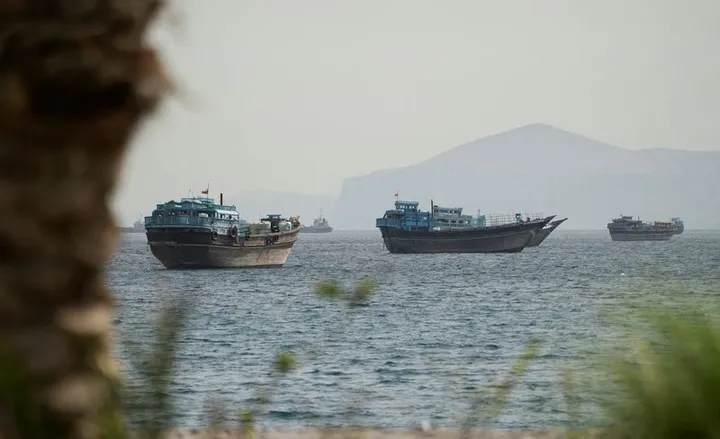

“I would not put too much credence in how effective this blockade really is, because the line the US Navy covers ranges from Ras al Hadd in Oman to the Iranian–Pakistani border; that’s roughly 650 nautical miles,” Victor Bruno, a geopolitical analyst, tells TRT World.
“Even if most tankers are eastbound, there’s plenty of room for maneuver.”
Bruno also notes that, historically, blockades have done “very little to coerce countries into submission”, pointing to examples ranging from the Continental System imposed by Napoleonic France on Great Britain to the German blockade of Great Britain during the two world wars — neither of which proved successful.
“We shouldn’t expect anything different from this war. Secondly, Trump expects that the blockade will cause energy shortages in Iran, which doesn’t make sense, since half of the country's oil extraction supplies domestic consumers,” Bruno tells TRT World.
Beyond its impact on Iran, the blockade is also affecting others.
“The US’s own supply lines to the Persian Gulf are compromised, as recent reports on ‘chow’ shortages on the USS Lincoln and the USS Tripoli denote. But the bottom line is, the US is hurting oil hauls, no doubt,” Bruno adds.
Is another escalation on horizon?
Some analysts warn that “Project Freedom” could fuel further tensions rather than create space for reconciliation. Tehran issued fresh threats that any US warships approaching the Strait of Hormuz or Iranian shores to implement Trump’s directive would be targeted by its armed forces.
Robert Pape, a leading expert on international security, describes Trump’s “Project Freedom” as a “major escalation”.
He characterises the commercial vessel guidance initiative as a “salami slicing” strategy, gradually intensifying tensions through incremental steps.
The move, he suggests, may aim to shift “the initiative to Iran to sink the ships” and their US Navy escorts, as he wrote in a recent LinkedIn post.
If the Islamic Revolutionary Guard Corps were to target both commercial and military vessels, the currently paused war could resume, with the US and Israel likely striking Iranian assets more forcefully in order to trigger institutional collapse.
Such a scenario would reflect what Pape terms an “escalation trap”, in which both sides are drawn back into the conflict. He also raises what he calls “the big question”: whether civilian tankers would be willing to risk transiting the Straits of Hormuz under these conditions.
“This is clearly a way Trump found to shift the attack initiative to the Iranians. America is protecting, if Iran attacks civilian vessels, so it is their fault—and American vessels were the target, which hypothetically would give him cause,” says Bruno.
“But Iran has targeted tankers since the beginning of the war. And with insurance prices at a premium, it is very unlikely most companies will take this risk.”
Among other analysts, Eslami also argues that Trump, aware of the blockade’s limited effectiveness, may be preparing for renewed military action as part of a broader maximalist strategy against Iran.
What kind of negotiation?
Despite the risks, some experts do not rule out the possibility that Iran and the US could still reach a settlement. However, they warn that the path to negotiations remains narrow and uncertain, particularly given Israel’s potential role as a spoiler.
“Iran is always ready for negotiations and has never left the negotiation table. But, they will definitely not accept to rush for a bad agreement,” says Eslami.
He adss that Tehran has clear red lines, including rejecting a “fast and incomplete agreement” and refusing to negotiate over its defence capabilities.
Iran is also unlikely to accept a process “that dictates the outcome before talks even begin.”
At the same time, internal political pressures in both the US and Israel could shape Tehran’s calculations. Some analysts suggest Iran may seek to prolong negotiations, betting that time works in its favour.
“Tehran surely knows that the clock is ticking in Washington—the midterms are quickly approaching, and the Trump administration’s situation will deteriorate very rapidly if he doesn’t have anything to show for the war,” says Bruno.
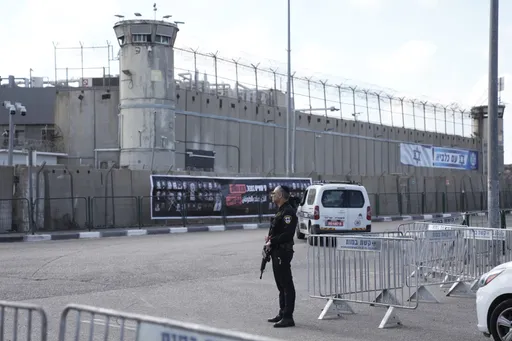
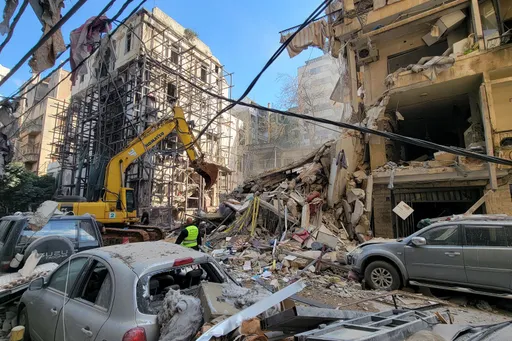
Israel too faces electoral pressure, with Benjamin Netanyahu and his hardliner coalition potentially vulnerable if they cannot demonstrate military success across multiple fronts, from Gaza to Lebanon and Iran.
In Europe, opposition to the war remains uneven. While Pedro Sánchez has been among the most vocal critics, most governments—including those led by figures such as Giorgia Meloni—have largely sought to avoid deeper involvement in the conflict.
“As long as Tehran can withstand the pain—which I believe it can for a very long time—I don’t see why it would be in the regime’s interest to rush into peace talks,” says Bruno, adding that seismic geopolitical shifts across Eurasia, from Ukraine to the Pacific, also help Iran increase its cooperation with countries from Russia to China.
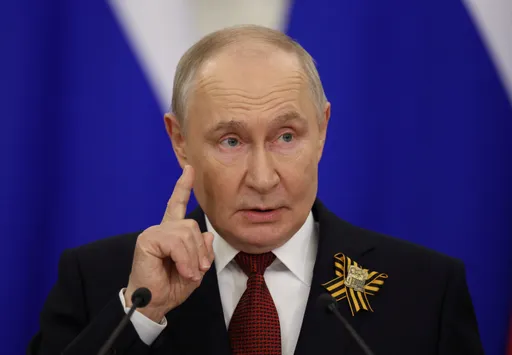
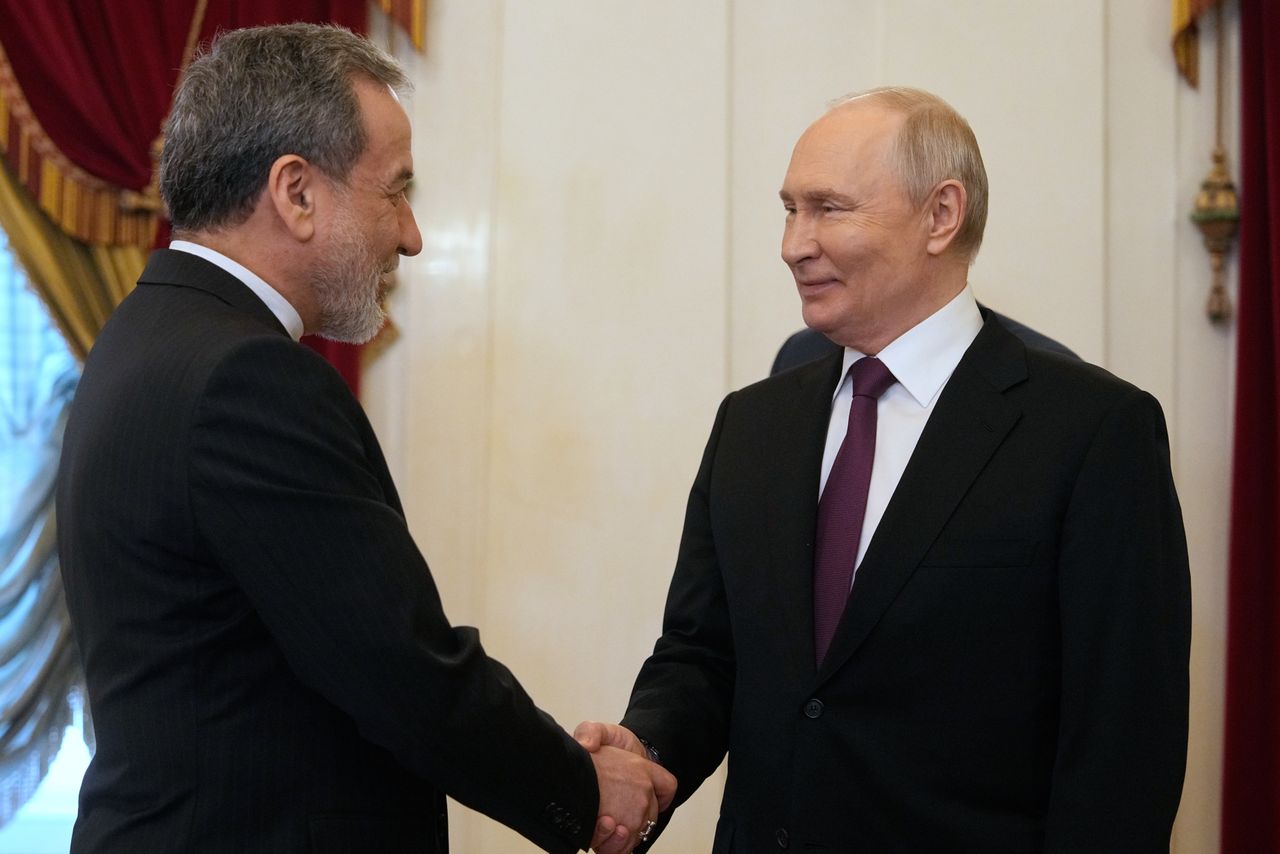
“I have no doubt that Abbas Araghchi’s meeting with Putin in St. Petersburg covered these issues, and perhaps the broader strategic gain (for Russia, Iran, and naturally China): a US military embarrassment in this operation means a stronger strategic hand for these countries over Western Eurasia.”