 Jawad Khalid
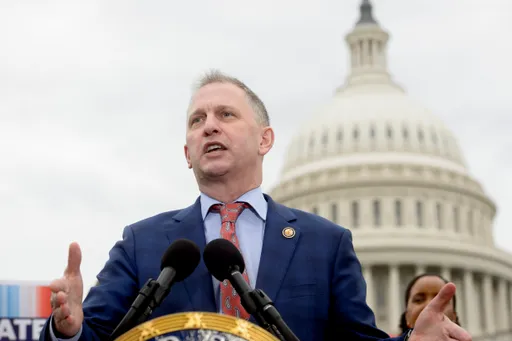
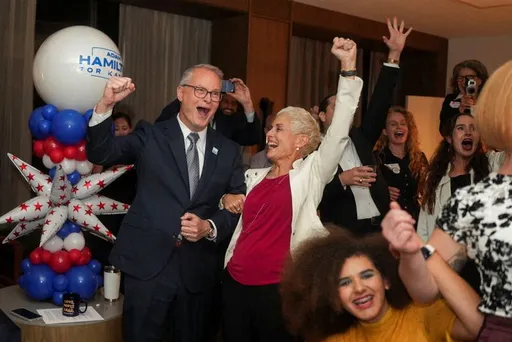
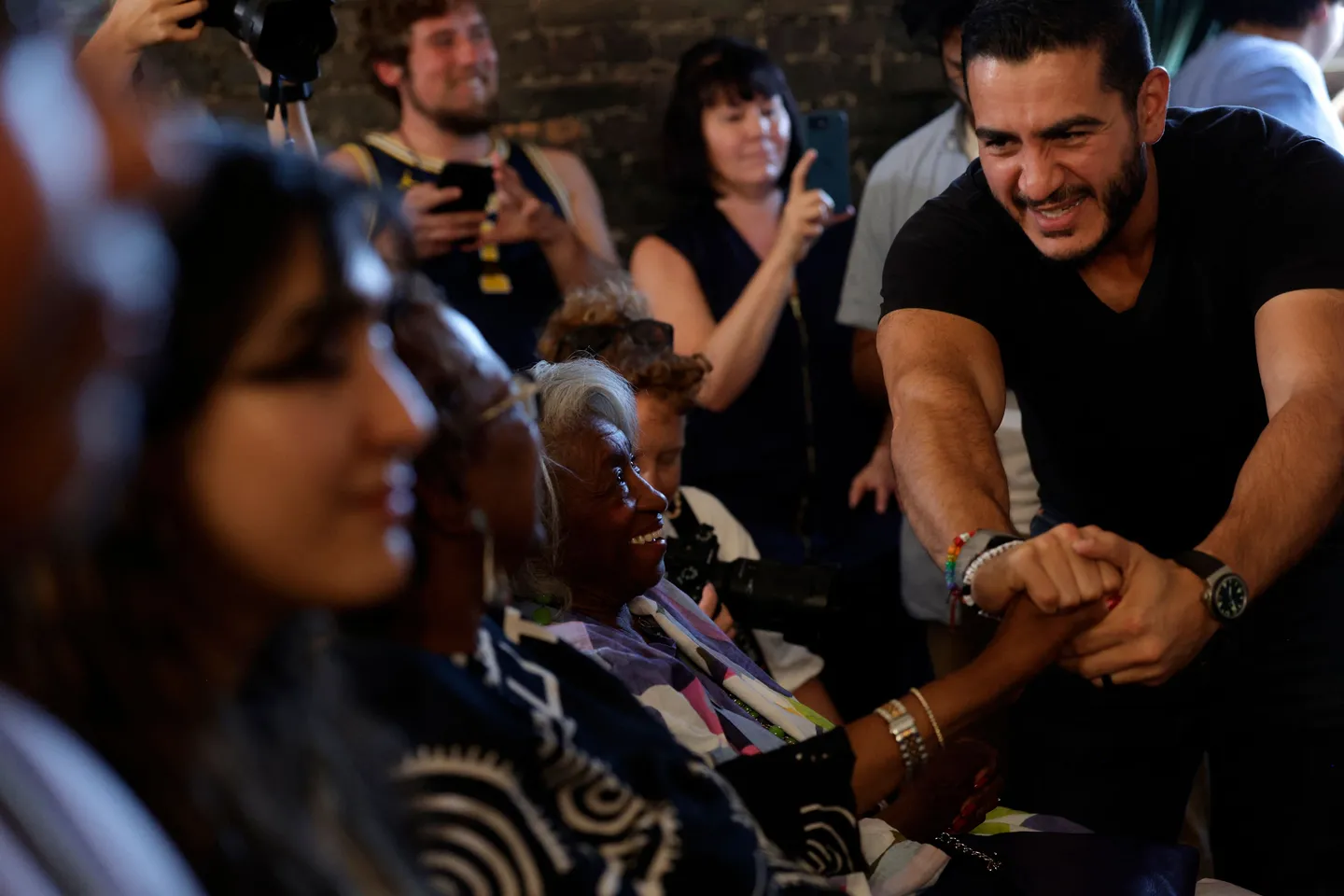
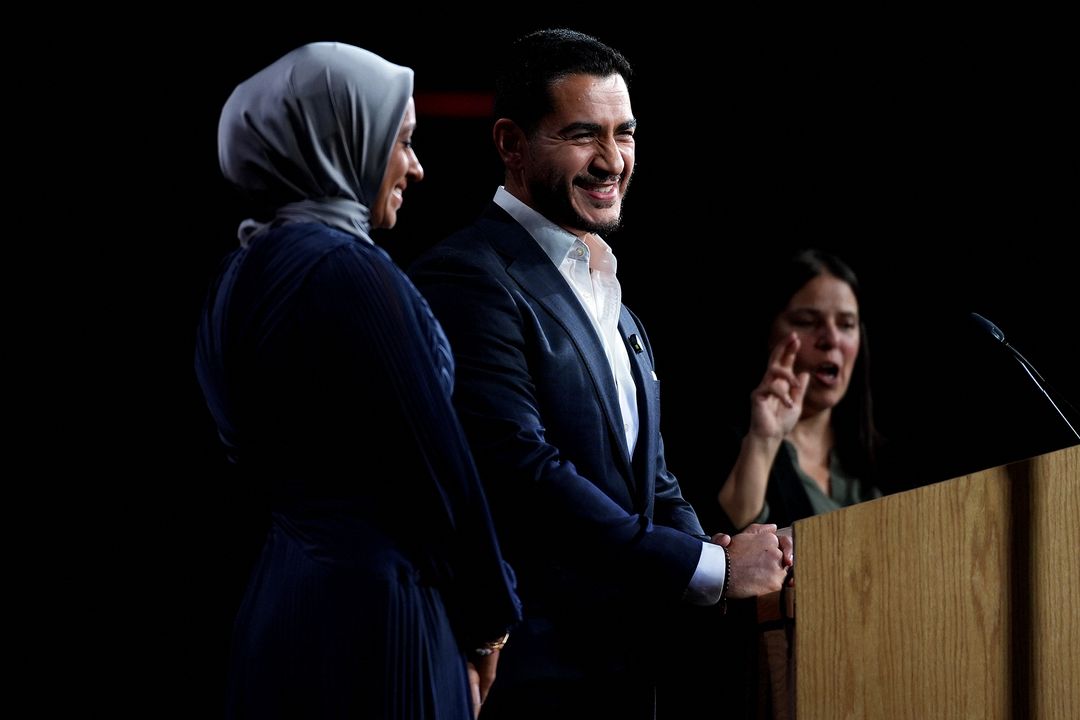
The United States is set to have its first Muslim senator. Abdul El-Sayed, a Michigan-born Arab American physician and former public health official, has defeated Republican Mike Rogers in Michigan's Senate election.
He campaigned on affordability, Medicare for All and reducing corporate influence in politics, relying largely on small grassroots donations.
On November 1, two days before the election, his campaign reported raising more than $2.4 million in a single day from over 65,000 individual donations, with an average contribution of $36.74. Nearly 30,000 of those donors contributed to his campaign for the first time.
But his path to victory was far from smooth. As an Arab American Muslim, El-Sayed faced a wave of Islamophobic attacks during his campaign.
The Trump administration called him a “terrorist sympathiser” whose history “goes back to the days of the Jihad”. Rogers falsely claimed El-Sayed had said America deserved the September 11 attacks and tried to link him to the Muslim Brotherhood.
Researchers counted more than 38,000 Islamophobic posts naming him in the first eight months of the year.
The hostility also came from within his own party. Haley Stevens, whom he defeated in the Democratic primary, endorsed Rogers two days before the election.
Such attacks are nothing new. Zohran Mamdani faced similar hostility when he ran for mayor of New York. The Trump administration called him a “100% Communist Lunatic”, while Senator Ted Cruz labelled him a jihadist.
Ilhan Omar, the Somali-born congresswoman, remains one of the Trump administration’s frequent targets. Last month, he said she could face jail.
The attacks echo those directed at Barack Hussein Obama, the first Black US president, who spent years confronting false claims that he was secretly Muslim and had been born outside the United States.
As Obama told a rally for El-Sayed in Detroit: “We have seen this movie before. I starred in it”.
For El-Sayed, however, the challenge goes beyond attacks on his Muslim identity. His political positions have also drawn opposition.
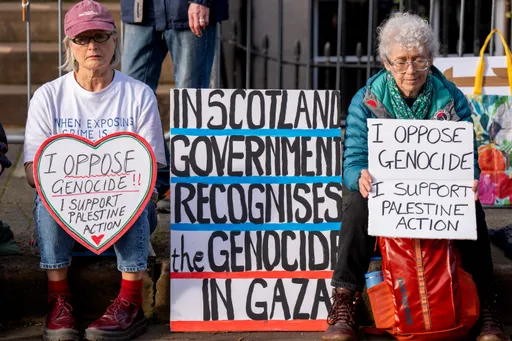
He has described Israel's war on Gaza as genocide and supported ending US weapons sales to Israel.
Perhaps this explains why the American Israel Public Affairs Committee (AIPAC) spent nearly $30 million trying to defeat him in the Democratic primary, which he won despite the campaign against him.
His positions on Israel, alongside his faith and ethnicity, may also help explain why the party's centrist establishment backed Stevens.
Amid the jubilation surrounding El-Sayed's historic victory and the Democrats' wider electoral gains, it is easy to lose sight of the bigger picture.
Representation and political power

Obama himself offers a clear example. Elected on a promise of change, he raised expectations that he would reset America's relationship with the Muslim world.
His administration negotiated the 2015 nuclear agreement with Iran, but it also maintained Washington's longstanding military commitment to Israel.
During his presidency, the United States provided more than $26 billion in military assistance to Israel. In 2016, his administration also signed a $38 billion military aid agreement, the largest such pledge in US history.
His two terms also saw 563 drone strikes and other airstrikes in Pakistan, Yemen and Somalia, ten times as many as under George W. Bush, killing an estimated 384 to 807 civilians.
Herein lies a fundamental problem with American democracy: interest groups wield enormous influence, and those with the most money often shape the political agenda.
Grassroots donors can help candidates win local and even statewide races. At the national level, however, corporate donors and political action committees (PACs) wield considerable power, shaping political priorities and the candidates they support.
Nor is this machinery limited to targeting Muslim candidates on the basis of their faith or their positions on Israel and Iran. Democratic socialists face similar obstacles.
They can mobilise at the local and state levels and bring change within their jurisdictions. Candidates backed by the Democratic Socialists of America (DSA) won 123 of 282 primaries through August this year. The November midterms also brought at least five DSA-endorsed candidates into the House of Representatives.
But organising as a national force capable of winning the presidency or reshaping Congress means confronting a political establishment deeply influenced by corporate interests.
Take Mamdani. His appointees to New York City's rent board froze rents for about a million rent-stabilised apartments. Yet where authority lies beyond his office, his ability to deliver change has been limited.
He has retained Jessica Tisch, the pro-Israel police commissioner he inherited, despite calls from his socialist allies to dismiss her.
And when he promised to arrest Netanyahu under the International Criminal Court's warrant, he lacked the authority to act. Netanyahu travelled to New York for the UN General Assembly in September, and Mamdani acknowledged that the city had no power to detain him.
Muslims and progressives may be gaining electoral representation in the United States. But whether that growing presence can bring about a fundamental shift in national policy remains an open question.
The challenge for Muslims, immigrants, socialists and their elected representatives is no longer simply whether they can win office. It is whether they can challenge the status quo and exercise meaningful political power.
For Abdul El-Sayed and his allies, ending unconditional US military aid to Israel is an ambitious goal. Yet under Biden, his own party's administration provided Israel with a record $17.9 billion in military aid in a single year, twice bypassed Congress to approve emergency arms sales and vetoed four UN ceasefire resolutions.
Representation matters. But the real test is what those elected can do with it.