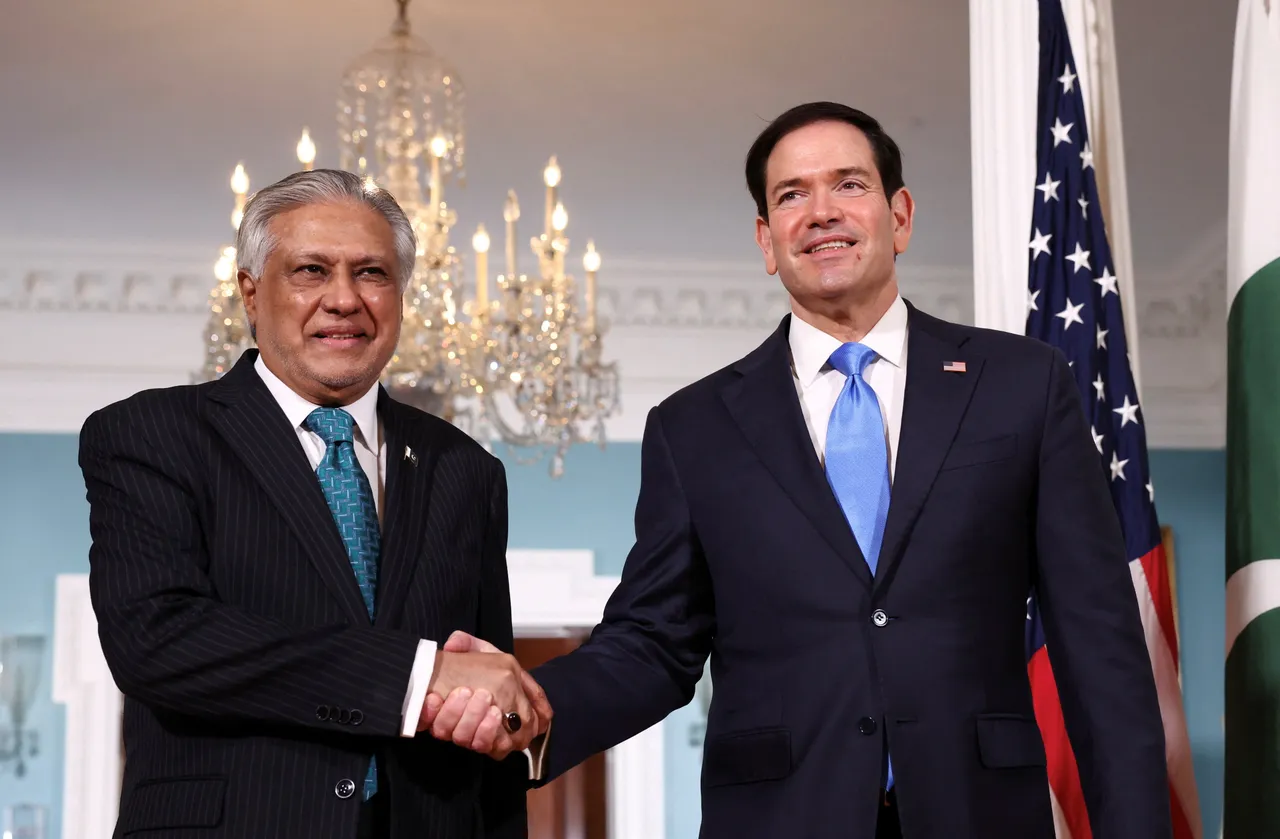
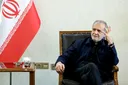
Pakistan will not change its position on Israel and Abraham Accords unless there is progress towards an independent Palestine, Deputy Prime Minister and Foreign Minister Ishaq Dar has said after meeting with US Secretary of State Marco Rubio in Washington DC.
Speaking at the Pakistani Embassy on Friday, Dar said Islamabad remained committed to its long-standing policy on Palestine and besieged Gaza.
"There are a lot of rumours going on related to the Abraham Accord, let me clear that Pakistan's stance is very clear and consistent on that. Until Palestine is recognised with the pre-1967 model with Quds Al Sharif (Occupied East Jerusalem) as its capital, there will be no flexibility," Dar said while addressing the media at the embassy.
"Pakistan remains steadfast in its position on Palestine and Gaza," he said, adding that Israel "must move towards the establishment of a Palestinian state" before there could be any change in Pakistan's stance towards Israel.
Role in US-Iran talks
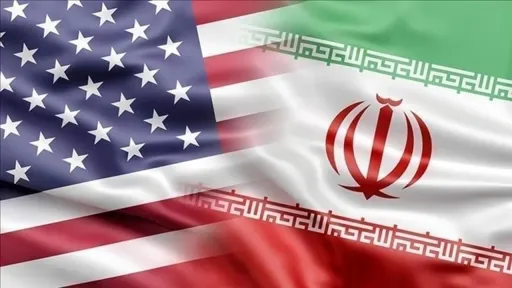
Earlier, Rubio thanked Dar for Islamabad's efforts to mediate an end to the US-Israeli war with Iran.
During a meeting in the US capital, Rubio "thanked the minister for the constructive role Pakistan continues to play in realizing President Trump’s vision for peace in the Middle East and its mediation efforts with Iran," spokesperson Tommy Pigott said in a statement.




"The secretary and deputy prime minister agreed upon the importance of working together to further strengthen a meaningful partnership that fosters security and prosperity for both Americans and Pakistanis," he added.
Pakistan's Foreign Ministry separately said the top diplomats "appreciated the positive trajectory of Pak-US bilateral relations over the past year. They discussed wide-ranging issues of mutual interest and agreed to and strengthen economic and trade relations, cultural cooperation as well as partnership in counter-terrorism and security domains."
"Secretary Rubio acknowledged Pakistan's diplomatic and mediatory efforts. He also commended close engagement and continued coordination between Pakistan's leadership and the US Administration. The DPM/FM expressed confidence that Pakistan's continued sincere efforts for peace and stability in the region and beyond, with the support of friendly countries, will yield positive results," it said in a statement that used an acronym to refer to Dar.
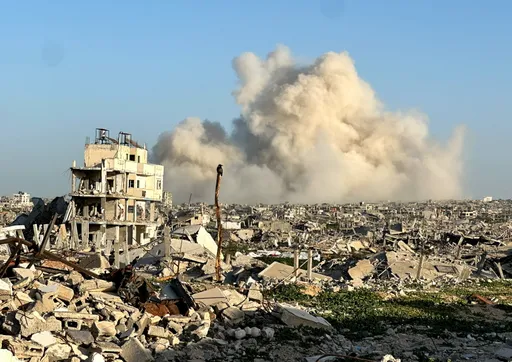
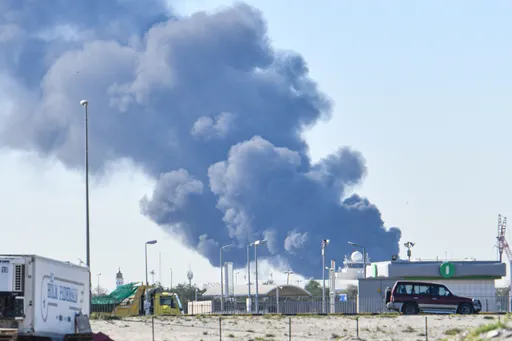
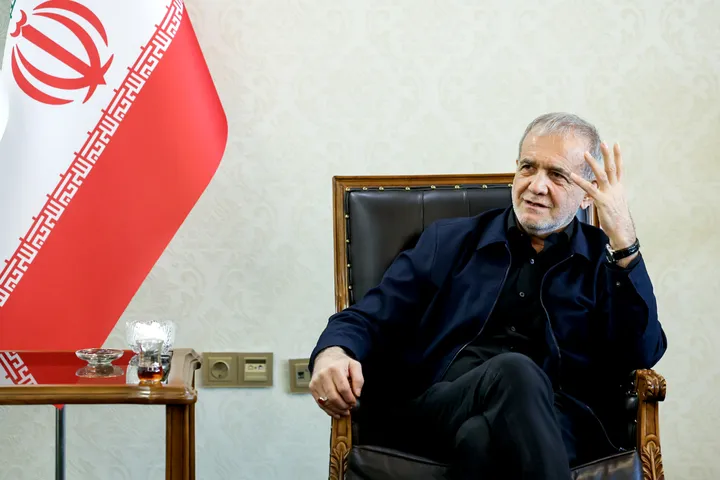
Tensions in the Middle East have escalated since the US and Israel launched attacks against Iran in late February. Tehran retaliated with attacks targeting Israel as well as US allies in the Gulf while closing the Strait of Hormuz.
A ceasefire took effect April 8 through Pakistani mediation, but subsequent talks in Islamabad failed to produce a lasting agreement. Trump later extended the truce indefinitely.
The two sides have since continued exchanging proposals and counterproposals in an effort to resume direct talks and end the conflict.
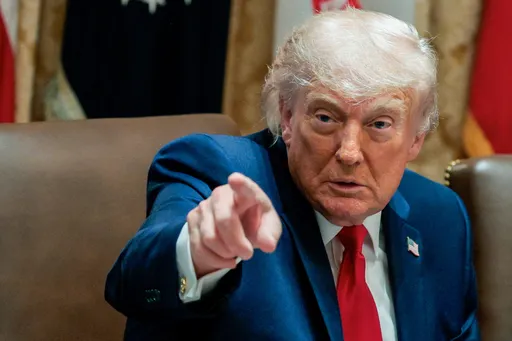
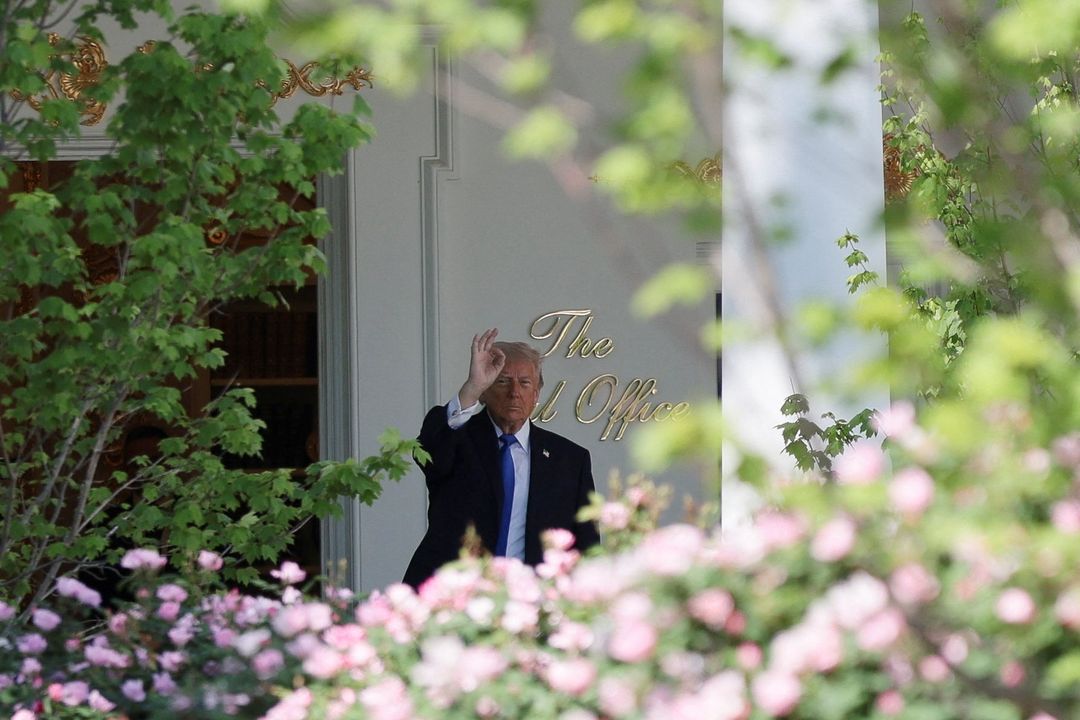
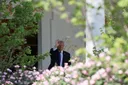
On Friday, Trump said he would meet officials to make a "final determination" on the proposal, which he claimed would include an Iranian commitment never to obtain a nuclear weapon and the reopening of the Strait of Hormuz to unrestricted commercial shipping.
Following a two-hour meeting with his aides at the White House, Trump reportedly held off on giving his final approval to the deal.