 Zeynep Gizem Ozpinar
The Turkish Republic of Northern Cyprus (TRNC) has rejected the so-called ‘Cyprus solution’ – a controversial plan allegedly put forward by UN Secretary General's Personal Envoy for Cyprus Maria Angela Holguin – saying that the official is “exceeding her authority and mandate”.
According to the Greek Cypriot newspaper Politis, Holguin’s proposal calls for the handover of Maras, Guzelyurt and Mesarya – three strategically important areas in the Island of Cyprus – to the Greek Cypriot administration.
In return, the Turkish Cypriot side would gain functional political equality and partial recognition under the alleged proposal.
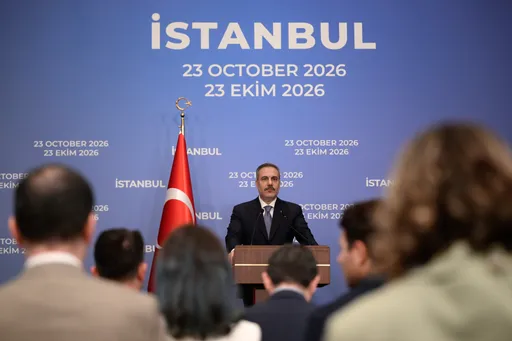
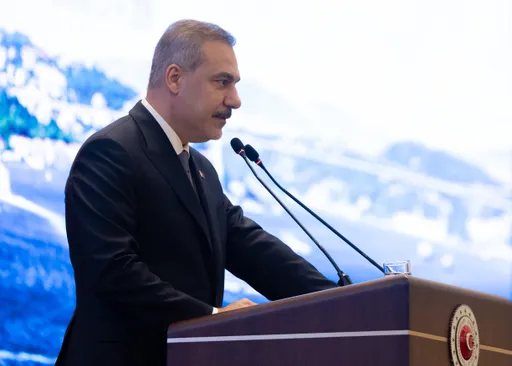
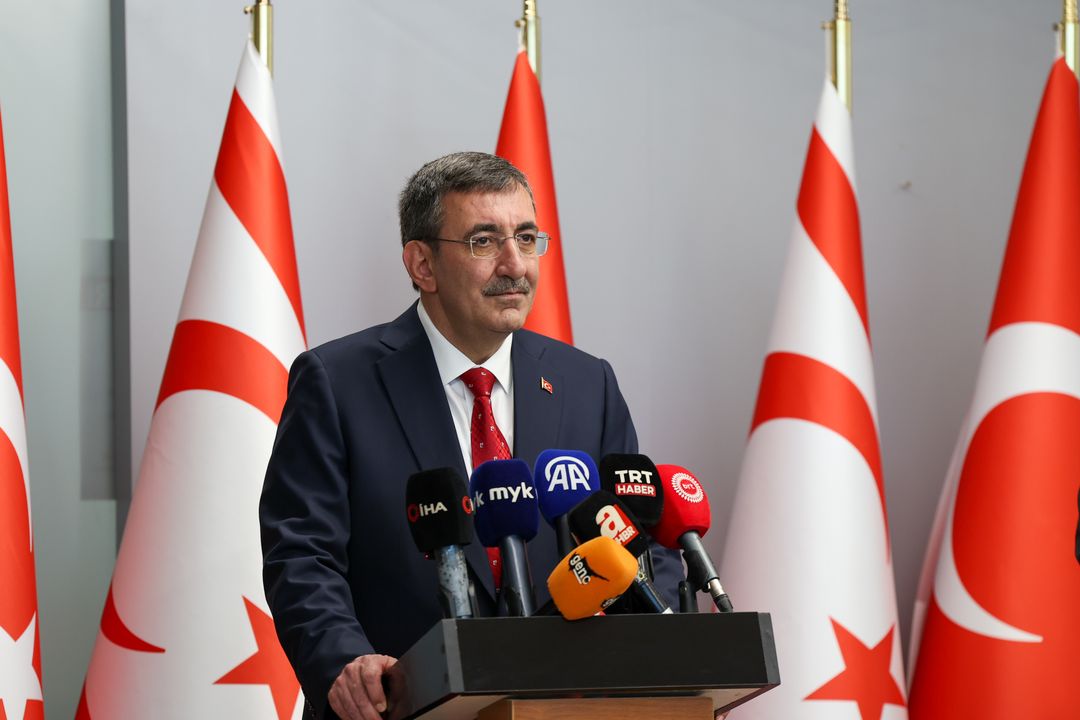
TRNC Foreign Minister Tahsin Ertugruloglu tells TRT World that the solution to the Cyprus issue does not lie in a so-called partnership with the Greek Cypriot side.
Rather, the solution lies in maintaining good neighbourly relations between the two sovereign and equal states, he says.
“We are observing that a dangerous process is being engineered in Cyprus through unrealistic scenarios and perception operations,” Ertugruloglu says.
Holguin is acting “almost like a mediator” by taking on tasks that are not her responsibility, he adds.
Roots of the Cyprus issue
A geographic extension of the Anatolian peninsula, the Island of Cyprus is home to two distinct peoples: the Turkish Cypriots and the Greek Cypriots.
Ethnic attacks starting in the early 1960s forced Turkish Cypriots to withdraw into enclaves in the northern parts of the island for their safety.
In 1974, a Greek Cypriot coup aimed at Greece’s annexation of the island led to Türkiye’s military intervention as a guarantor power to protect Turkish Cypriots from persecution and violence.
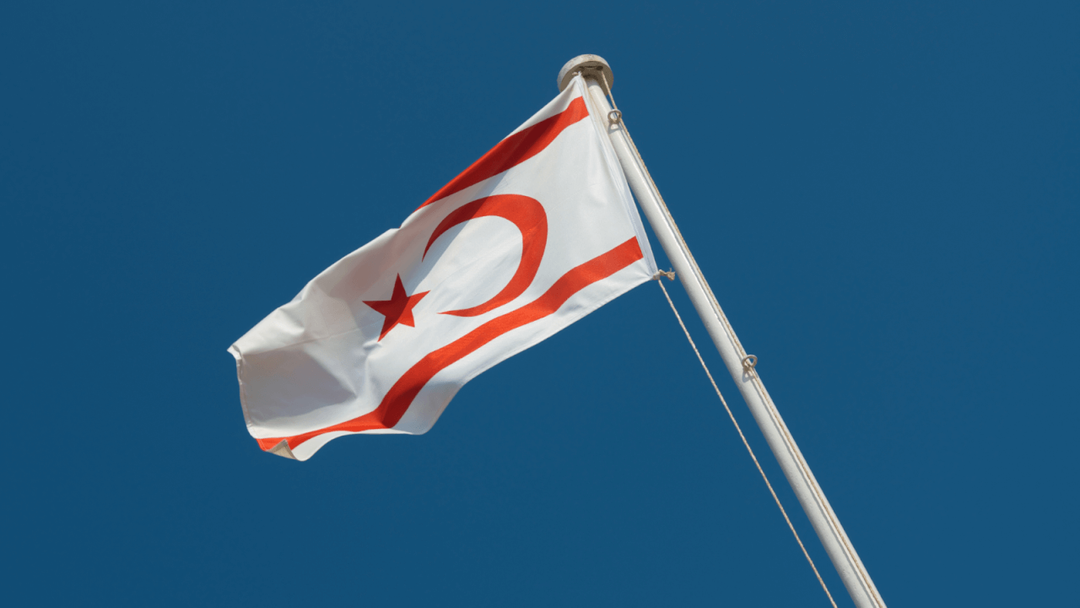
As a result, the Turkish Republic of Northern Cyprus (TRNC) was founded in 1983.
Under Holguin’s alleged plan, the 1960 Treaties of Guarantee and Alliance would reportedly be dissolved and replaced with a multinational architecture based on Cyprus’s NATO membership, with Turkish troops gradually withdrawing from the island during a transitional period.
Holguin's office has neither officially confirmed nor denied these claims.
The fact that the alleged plan was leaked to the public via the Greek Cypriot press before it was brought to the negotiating table has raised questions about its objectives.
“If the territories demanded in this imaginary scenario were to be given up in violation of our Constitution, we would be left with no homeland territory to hand over. No territorial concessions,” Ertugruloglu says.
A heavily skewed proposal


Analysts say the alleged proposal is a mere repackaging of the parameters of Crans Montana, a Swiss alpine resort where the two sides met in 2017 under a UN-backed initiative to reunify the island as a “loose federation”. The reunification talks ended without agreement at the time.
A close reading of the alleged proposal shows that it’s built on deliberate ambiguity: the Greek Cypriot side could take it as a move towards federation, while the Turkish side could view it as a step towards confederation.
The plan envisions a joint council of ministers limited to five or six ministries, and a shared international identity under the EU umbrella.
The alleged plan tries to create the impression of gains to both communities, even though it contains a deep-rooted asymmetry: the Greek Cypriot side would obtain sole international personality, territorial gains and the withdrawal of Turkish troops.
Meanwhile, the Turkish Cypriots would have to entrust their sovereignty to a vaguely defined promise of equality and their security to a multilateral NATO umbrella.
Therefore, Türkiye's effective and de facto guarantorship would reportedly be replaced by a multinational NATO presence, which also includes troops from the US, France, Greece and the UK.
Analysts say that replacing the deterrent role that Turkish troops have played since 1974 in preventing armed conflict on the island with a remotely managed structure is strategically inconsistent as well as legally questionable.
Türkiye’s guarantor rights on the island stem from international treaties. As such, Anakara’s guarantor status is not something that can be shelved at the initiative of any single party or a UN representative.
“The effective and de facto guarantorship of the motherland Türkiye is indispensable for the Turkish Cypriot people and is our red line,” Ertugruloglu says.
“NATO or other alternative guarantorship scenarios are meaningless and non-functional. We will not be deceived by, and will not accept, so-called guarantorships,” he adds.
The Greek Cypriot administration has in recent years signed comprehensive defence agreements with France and Israel and has been rapidly expanding its armament capacity.
Therefore, agreeing to a formula that weakens security guarantees is unacceptable for the Turkish Cypriots.
Ertugruloglu says a permanent, just, and sustainable solution on the island is only possible on the basis of a two-state solution founded on the confirmation of the sovereign equality and equal international status of the Turkish Cypriot people.
“The will and stance of the Turkish Cypriot people are clear, and there is no question of stepping back,” he says.
“We invite international actors to correctly read the existing realities on the island and to respect the sovereign equality and equal international status of the Turkish Cypriot people.”