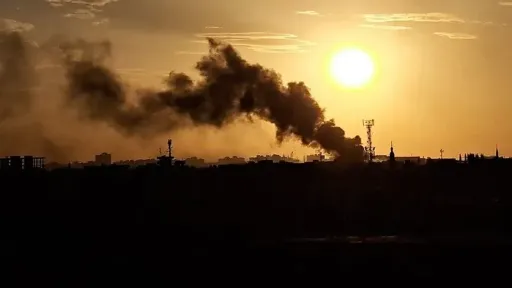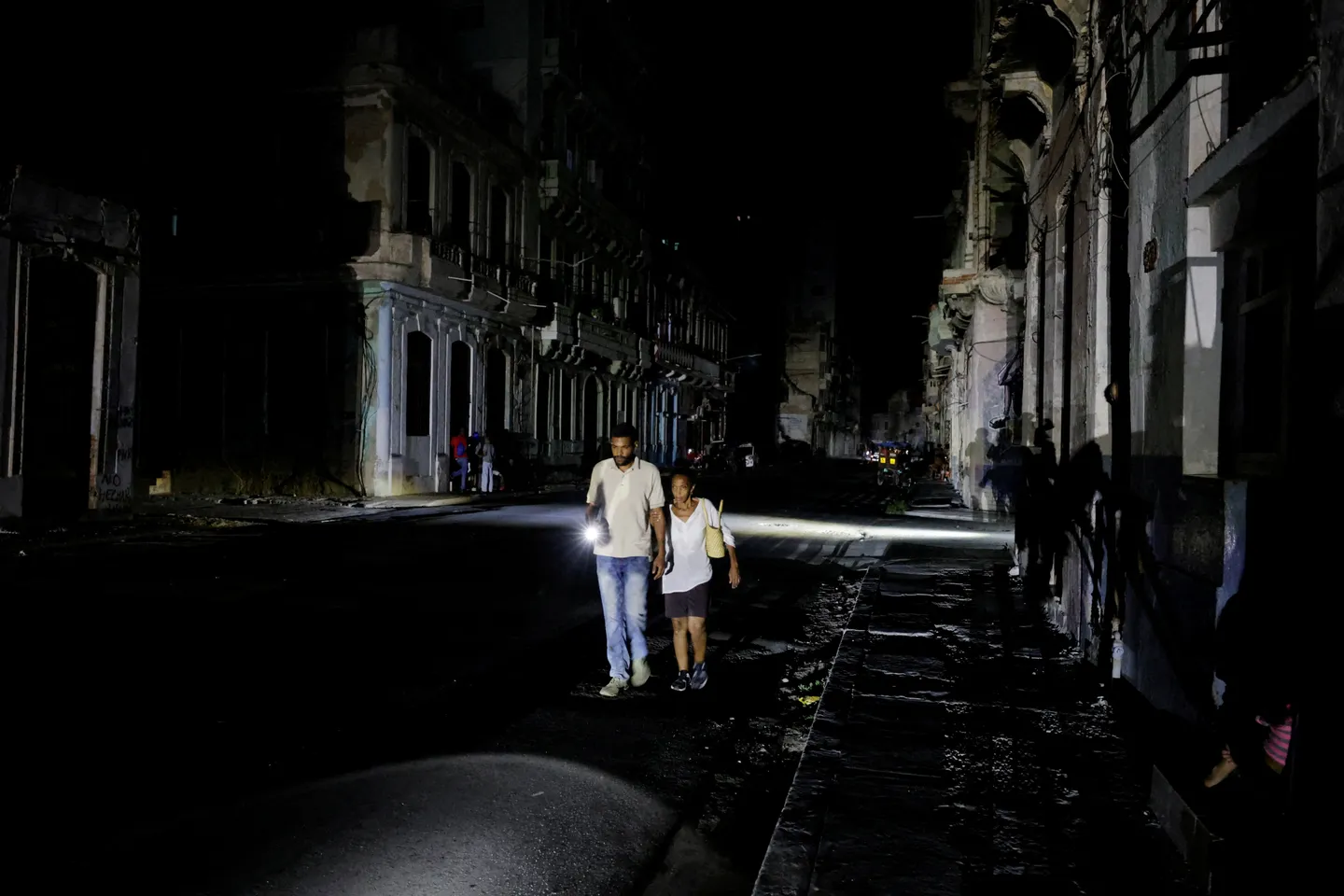
Cuba's electricity grid collapsed late on Sunday, the state-owned grid operator Union Electrica de Cuba said, plunging the island of about 10 million people into darkness as blackouts become more frequent.
Pressure on the ageing power system has mounted as Cuba struggles to secure fuel imports.
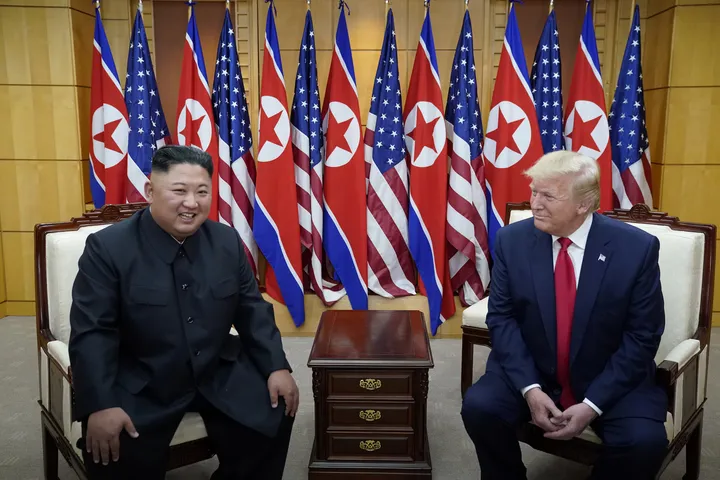
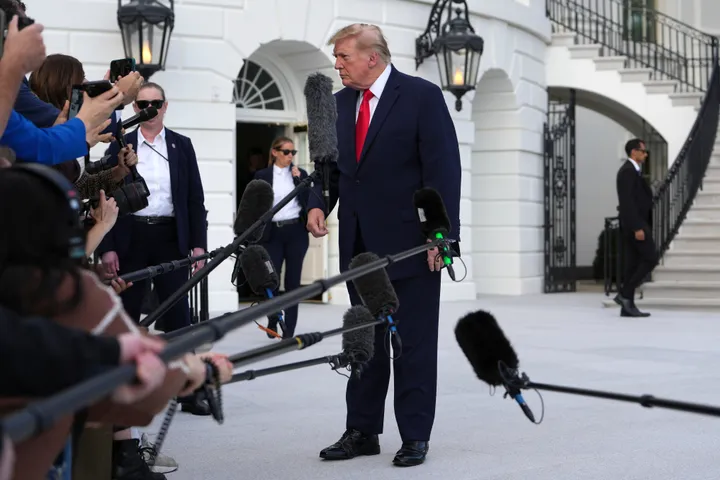
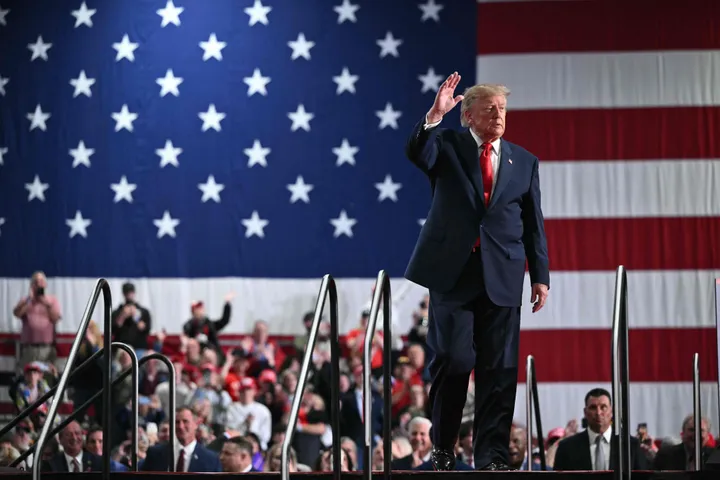
It lost a key source of fuel after an oil blockade imposed by US President Donald Trump, following Washington's January 3 ouster of Venezuelan President Nicolas Maduro.
Venezuela had long been Cuba's primary oil supplier, with imports from Mexico also halted amid increased US pressure.
Many households have installed solar panels and portable battery systems to cope with the outages, while electric motorcycles and tricycles powered by photovoltaic energy have become a common form of transport.
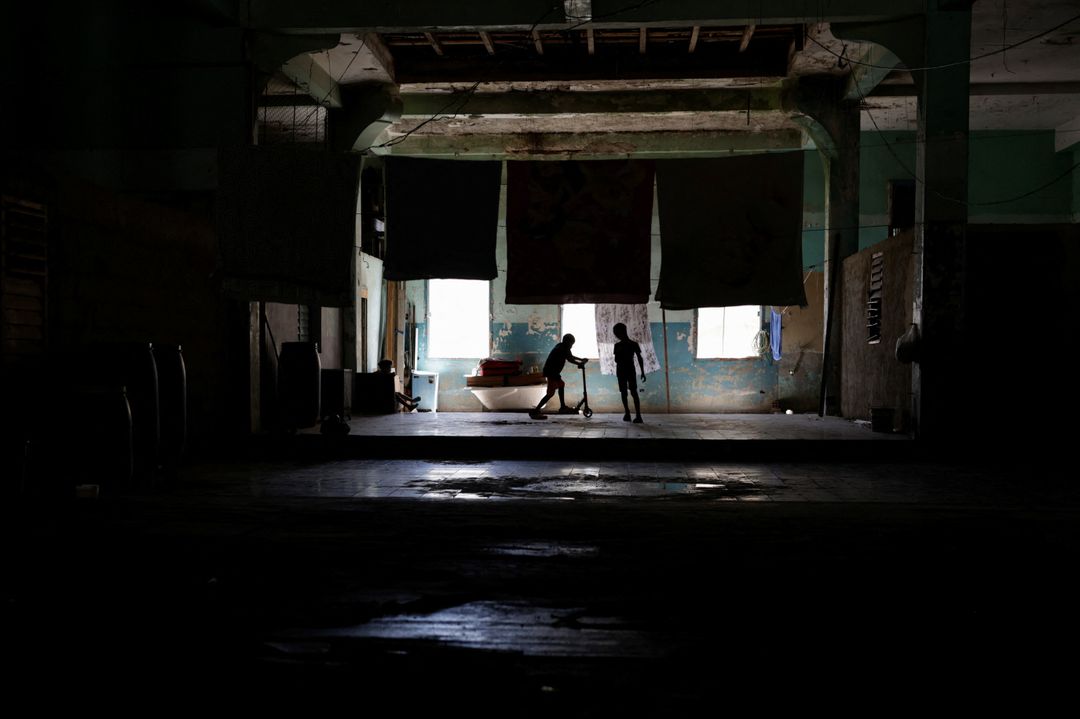
The power crisis coincides with a cautious opening of Cuba's tightly controlled energy sector, driven by fuel shortages and severe US sanctions.
At a two-day National Assembly that concluded on July 30, Havana announced new details of its plans to open up key sectors of its state-run economy to private industry.
Economic changes included easing restrictions on land use, allowing businesses to import fuel and medications, and authorising private tourist companies to operate on the island.
Cuban President Miguel Diaz-Canel said the reforms were not being implemented to please the US and key sectors of the economy would not be privatised.
"We are not going to implement predatory capitalism or carry out a massive privatisation of national assets, as some fear,” he said.
"There will be no, and this must be made very clear, privatisation of healthcare, science, culture, or services that are strategic to the nation.”
Cuba had authorised the first foreign investment venture to import and sell fuel, and nearly 200 Cuban businesses have already received permission to engage in wholesale fuel distribution on the island.
Lawmakers, however, reiterated that the implementation of these sweeping economic proposals would take time.