 Onur Dogan
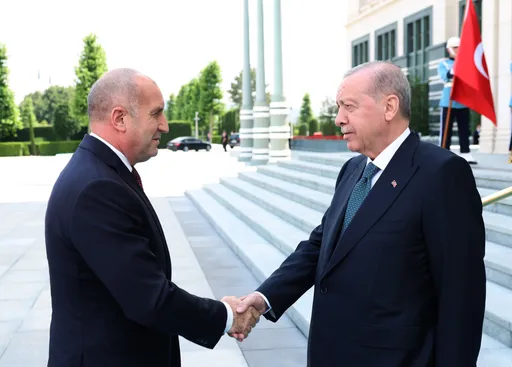
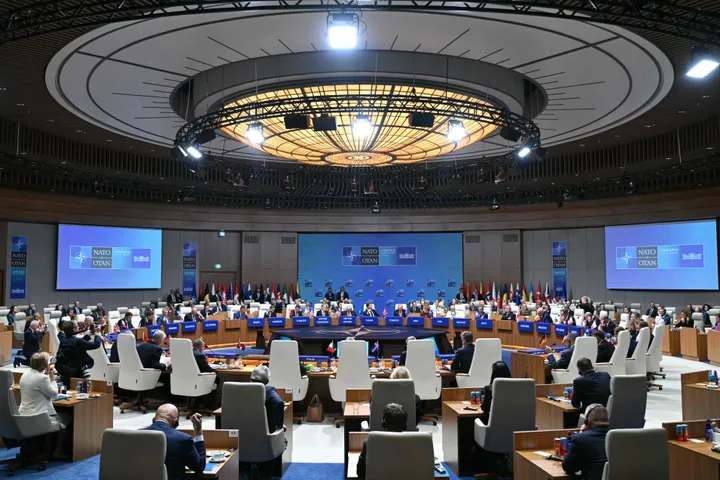
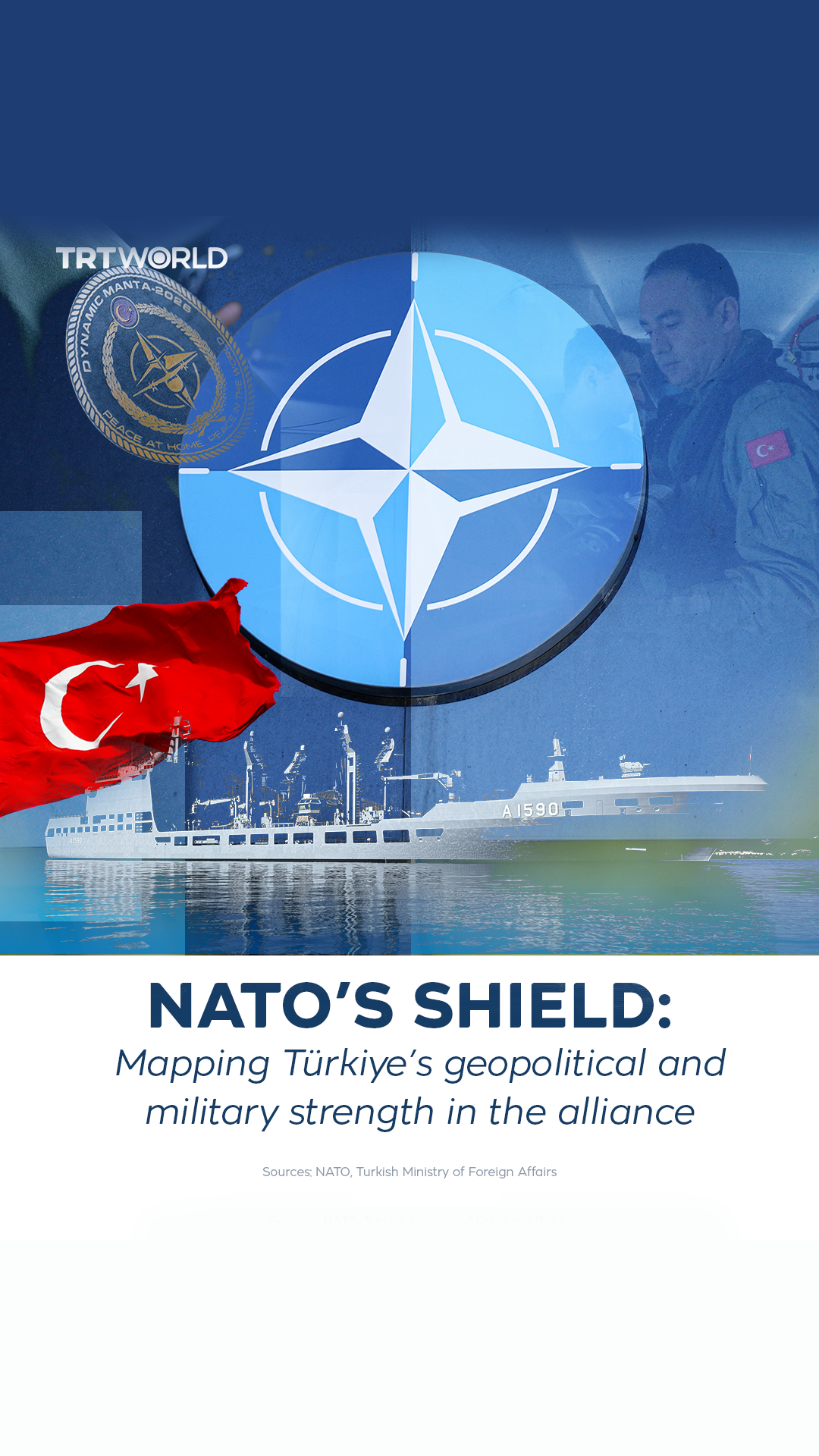
As heads of state and government gather in Ankara for the NATO Leaders' Summit on July 7-8, much of the focus will centre on defence spending targets, drone capabilities, missile defence systems and Türkiye's emergence as a major producer of advanced military technologies.
That story is important and deserves the attention it receives.
However, it represents only one dimension of Türkiye's growing international role.
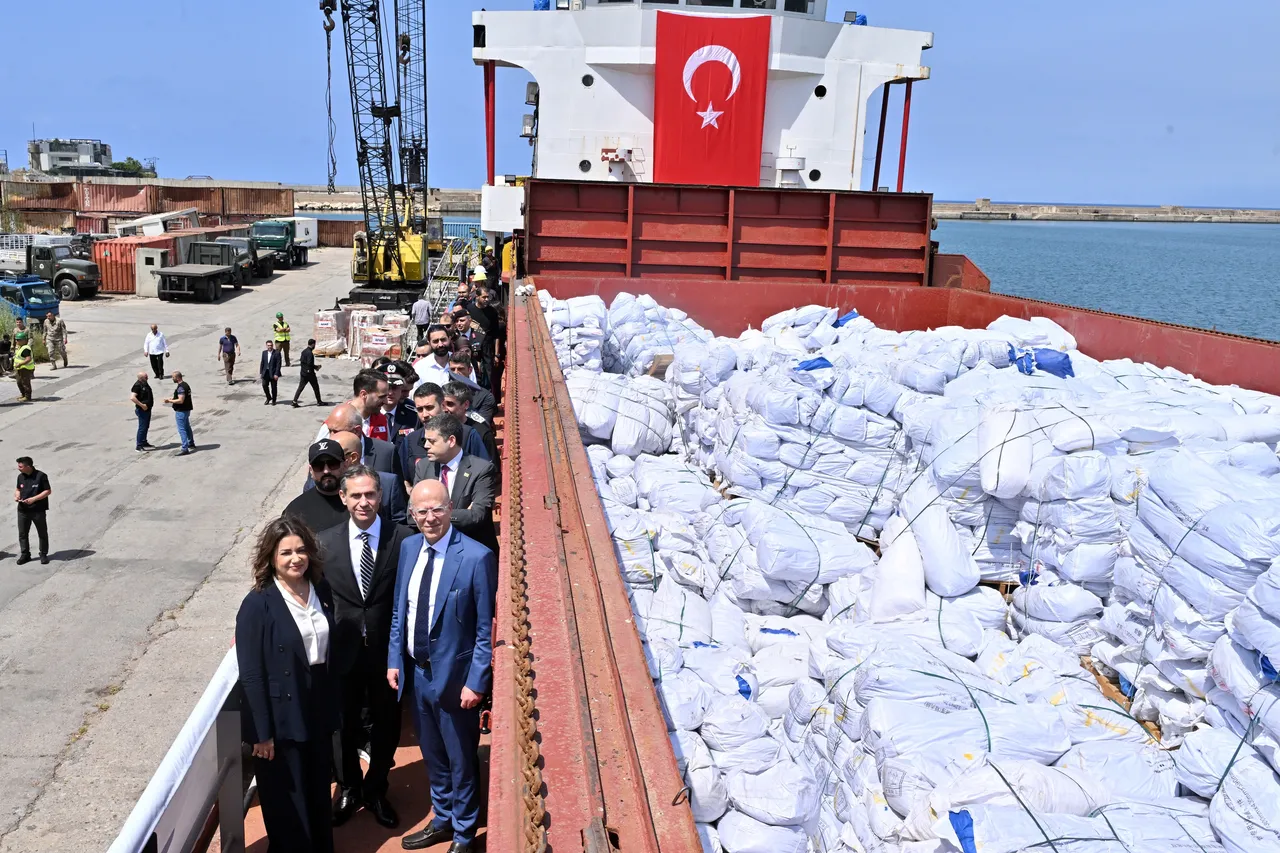
Over the past decade, Ankara has expanded its presence far beyond the defence sphere, reaching refugee camps in Bangladesh, field hospitals in Mogadishu, earthquake-stricken communities in Venezuela and even NATO allies facing crises of their own.
Taken together, Türkiye's investments in defence, humanitarian assistance, healthcare, development and education reveal a broader strategy.
Rather than choosing between hard and soft power, the country has sought to develop both simultaneously, building a global footprint that extends well beyond the battlefield.
Through institutions such as Kizilay, AFAD, TIKA, the Ministry of Health and the Maarif Foundation, Türkiye has become one of the few countries able to combine a growing defence-industrial base with an active humanitarian and development agenda.
This dual approach offers an important lens for viewing Türkiye's role ahead of the alliance summit in Ankara.
Leading the world in reach
The numbers from Kizilay's 2025 activity report, presented by President Fatma Meric Yilmaz, are striking in their own right.
Over the course of the year, the organisation reached a combined 32.9 million people—approximately 21.6 million in Türkiye and 11.3 million abroad.
Total donations reached 12.6 billion Turkish lira, supporting operations ranging from disaster relief and refugee assistance to humanitarian response efforts in conflict zones.
What stands out internationally is not only the scale of Kizilay's work, but also its geographic reach.
According to the International Federation of Red Cross and Red Crescent Societies' (IFRC) 2025 bilateral assistance report, Kizilay ranked first globally in the number of countries supported and second in the total value of bilateral humanitarian assistance delivered.
Of the roughly $555 million in aid distributed worldwide by national Red Cross and Red Crescent societies, Kizilay accounted for approximately $146 million—around one-quarter of the global total.
Syria received the largest share, with about $97 million, while Gaza received roughly $32 million. The remaining $17 million was distributed across other humanitarian crises.
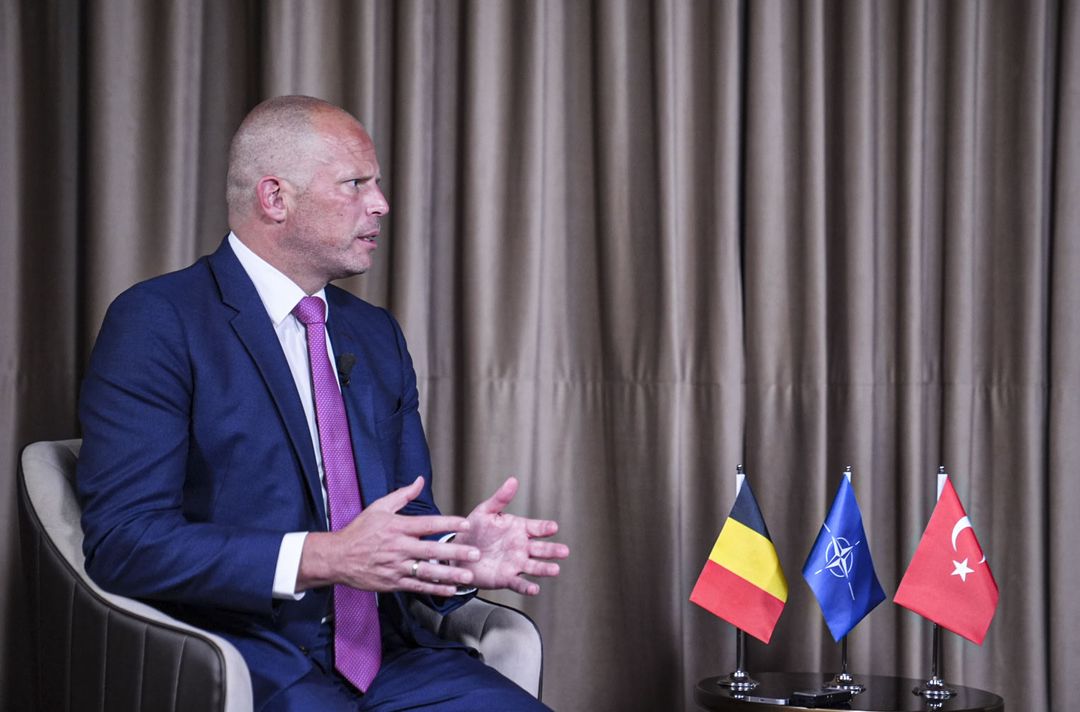
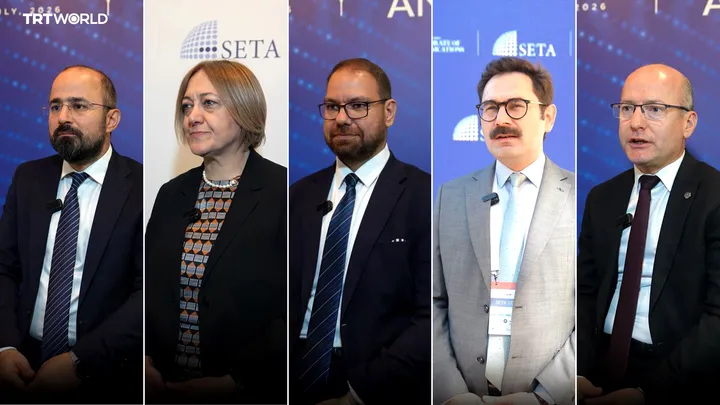
"IFRC's bilateral international assistance report is a unique platform that consolidates the international assistance provided by 191 Red Cross and Red Crescent National Societies around the world," Alper Kucuk, Director-General of International Affairs and Migration Services, tells TRT World.
"For the past five years, excluding 2023 when Türkiye experienced the Kahramanmaraş earthquakes, Kizilay has consistently ranked first in the number of countries supported and remained among the top three organisations globally in terms of the financial value of assistance provided."
These figures are more than statistics.
They reflect the work of a Turkish civil society institution operating in some of the world's most challenging environments, including active conflict zones and high-risk humanitarian settings.
The scope of that engagement was visible again this month when Yilmaz travelled to Bangladesh and visited the Rohingya refugee camps in Cox's Bazar. Nearly nine years after the crisis began, it has largely disappeared from international headlines.
During her visit, Yilmaz toured Kizilay's vocational training centre for women, a joint TIKA educational facility, and the Turkish field hospital serving camp residents.
She warned that declining international funding was placing additional pressure on food distribution, healthcare and education services for a population that much of the world has stopped paying attention to.
There was no domestic political audience to address and no election campaign to support. Instead, the visit reflected a broader pattern across Türkiye's humanitarian institutions: maintaining engagement long after international attention has shifted elsewhere.
‘Long-term sense of responsibility’
Türkiye's involvement in Cox's Bazar is not new.
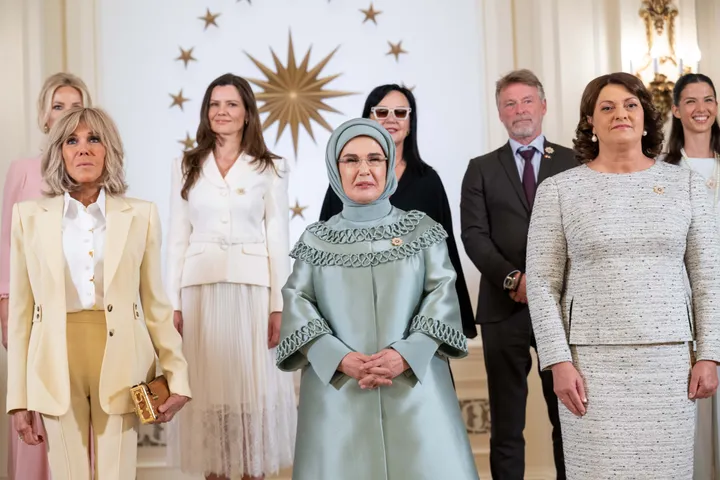
Then-Foreign Minister Mevlut Cavusoglu was among the first senior international officials to visit the camps, travelling alongside First Lady Emine Erdogan within weeks of the 2017 Rohingya exodus.
At the time, refugees were still arriving by the hundreds of thousands, and much of the world had yet to grasp the scale of the crisis.
Current Foreign Minister Hakan Fidan visited the camps only weeks ago, underscoring that Türkiye's commitment has outlasted both individual officeholders and the news cycle itself.
This pattern of sustained engagement has not gone unnoticed by outside observers.
"What distinguishes Türkiye's humanitarian aid approach is that it does not treat assistance as a temporary instrument of foreign policy, but as part of a long-term sense of responsibility," Tunc Demirtas, a foreign policy researcher at the SETA Foundation, tells TRT World.
"While many actors withdraw from the field once crises lose visibility, Türkiye often maintains its presence long after the cameras have left. This continuity contributes significantly to Türkiye's image as a reliable partner in the international system."
Demirtas argues that this humanitarian capacity is also relevant to Türkiye's role within NATO.
"From the perspective of NATO allies, Türkiye's humanitarian aid capabilities contribute to the alliance's crisis-management and resilience capacities," he says.
"Türkiye does not define security solely in terms of military threats. It also sees security through the lens of humanitarian crises, social stability and long-term resilience."
AFAD's record tells a similar story from the state side.
Since the 2010s, the agency has established itself as one of the first international responders to major disasters abroad, from the 2011 Tohoku earthquake and tsunami in Japan to Typhoon Haiyan in the Philippines in 2013 and the devastating Nepal earthquake in 2015.
Over a single decade, between 2009 and 2019, AFAD provided assistance to 58 countries across five continents, disbursing more than 4.5 billion Turkish lira in aid.
The ability to consistently "show up" in moments of crisis has generated a form of soft-power capital that compounds over time and is difficult for any single defence contract to replicate.
If proof is needed that Türkiye's defence capabilities and humanitarian mission are not separate tracks but parts of the same infrastructure, this week's response to the earthquakes in Venezuela provides a compelling example.
After back-to-back earthquakes measuring 7.2 and 7.5 struck the Yaracuy region, AFAD coordinated with the Foreign Ministry, the Ministry of National Defence, the Health Ministry and the Presidency's security directorate to launch a relief operation within hours.

A Turkish Armed Forces A400M transport aircraft—the same heavy-lift platform used for military logistics—carried a 40-member AFAD search-and-rescue and humanitarian team, a national medical rescue unit from the Health Ministry, two Kizilay personnel, trained rescue dogs and fully equipped search vehicles to the disaster zone.
The Ministry of National Defence dispatched a second A400M, carrying a 22-member team from its Humanitarian Assistance Brigade along with specialised technical equipment.
It is a small but telling illustration of a broader reality: the aircraft, logistics networks, and trained personnel that make Türkiye a credible defence partner within NATO are the same assets that enable it to respond to a disaster on the other side of the Atlantic within hours.
Health diplomacy
Türkiye's humanitarian footprint is perhaps most visible in healthcare, both in places much of the world has overlooked and, at times, within NATO territory itself.
In Mogadishu, the Recep Tayyip Erdogan Training and Research Hospital—built by TIKA and reopened in 2015, still widely known by its former name, Digfer—has operated as one of Somalia's principal referral hospitals through years of conflict and instability.
Beyond providing medical care, the facility has trained Somali healthcare professionals alongside Turkish doctors and nurses in a country where many international actors scaled back their presence long ago.
In Gaza, the Turkish-Palestinian Friendship Hospital, built and equipped by TIKA at a cost of approximately $70 million, served for years as a major cancer treatment centre for Palestinians.
The facility was later struck and rendered inoperable during Israel's military campaign, highlighting the growing risks faced by humanitarian infrastructure operating in active conflict zones.
Yet one of the most significant examples of Türkiye's health diplomacy occurred much closer to home.
When COVID-19 overwhelmed European healthcare systems in the spring of 2020, several EU member states restricted exports of masks, ventilators and protective equipment as shortages intensified across the continent.
Despite facing its own domestic pressures, Türkiye dispatched military cargo aircraft carrying medical supplies to Italy and Spain—delivering around 450,000 masks through NATO-coordinated efforts—as well as to the United Kingdom and the United States.
Boxes arriving in Madrid and Rome carried verses from the 13th-century poet Rumi about hope emerging from despair.
It was an unusual moment. A country still developing aspects of its own healthcare infrastructure demonstrated an ability to project medical assistance abroad that, in some respects, wealthier blocs struggled to provide even among their own members.
Foreign policy analysts frequently cite the episode as one of the clearest examples of Türkiye transforming humanitarian capacity into diplomatic capital—a form of influence that deserves consideration alongside more traditional measures of alliance contributions.
Perhaps the most revealing perspective comes not from Turkish institutions themselves, but from independent international monitors.
Development Initiatives' Global Humanitarian Assistance reports have repeatedly ranked Türkiye among the world's leading humanitarian donors.
The country placed first in absolute humanitarian assistance in 2017, 2018 and 2019, while consistently ranking at or near the top when aid is measured as a share of gross national income (GNI)—a metric many analysts regard as a more meaningful indicator of national commitment than raw dollar figures.
In both 2017 and 2018, Türkiye topped the GNI-based rankings, ahead of countries such as Norway and Luxembourg.
According to OECD-DAC data, Türkiye's official development assistance reached 0.96 percent of GNI in 2021, nearly three times the OECD-DAC average of 0.33 percent.
These figures are rarely at the centre of discussions about Türkiye's role in the international system.
Yet as NATO leaders gather in Ankara, they provide an important reminder that influence is measured not only by military capabilities, but also by a country's ability to deliver assistance, build institutions and respond when others need help most.
If Kizilay and AFAD represent the emergency-response face of Türkiye's humanitarian engagement, TIKA and the Maarif Foundation embody its longer-term, structural dimension.
Its programmes span a wide range of sectors, from healthcare infrastructure and access to clean water to agricultural development and vocational training.
The organisation's approach is designed to support communities across different stages of life, investing in long-term social and economic development rather than short-term relief alone.
The Maarif Foundation plays a similar role in education.
It has built an international network of schools across dozens of countries, many of which were previously associated with the Fethullah Gulen Terror Organisation (FETO) and were transferred to the foundation's management following the 2016 coup attempt.
Today, the network offers an alternative model of Turkish-curriculum education for students around the world.
President Recep Tayyip Erdogan has described this global network as the result of deliberate institution-building rather than ad hoc diplomacy.
Speaking at an iftar reception for foreign ambassadors, Erdogan noted that Türkiye's diplomatic missions abroad had increased from 163 to 262 over the past 22 years.
He also highlighted that TIKA now operates 63 offices serving 170 countries across five continents, while the Maarif Foundation runs educational programmes in 55 countries.
These efforts are complemented by institutions such as the Yunus Emre Institute, AFAD, Kizilay and Anadolu Agency.
According to Erdogan, the guiding principle behind this outreach is that humanitarian assistance should not be determined by ethnicity, religion or nationality.
Türkiye's approach, he argued, is centred on supporting people in need regardless of their background.
A genuinely global country
Taken together, Türkiye's defence-industrial growth, disaster response capacity, health diplomacy, development cooperation and cultural outreach are not separate strands of foreign policy.
They are different expressions of the same underlying capability: a state with the institutions, logistics networks and accumulated experience to operate effectively across multiple regions and sectors.
For NATO allies gathering in Ankara, Türkiye's case is not simply that it is a valuable military ally that also engages in humanitarian work.
Rather, it is that few alliance members combine military, humanitarian, development and educational capabilities on a comparable scale.
From the Sahel to the Horn of Africa, from Gaza to the Balkans, and from Cox's Bazar to Caracas, Türkiye has built a presence that extends far beyond traditional security partnerships. That breadth of engagement has become a source of influence in its own right.
As Ankara hosts alliance leaders this July, Türkiye's most distinctive contribution is not a single capability but the combination of them all.