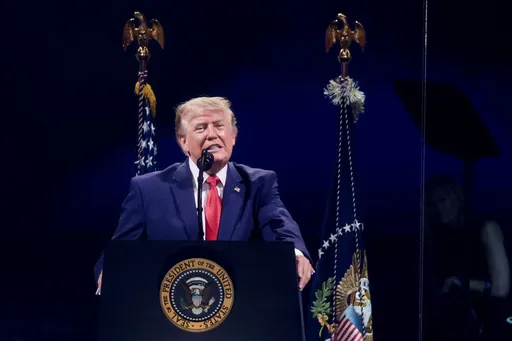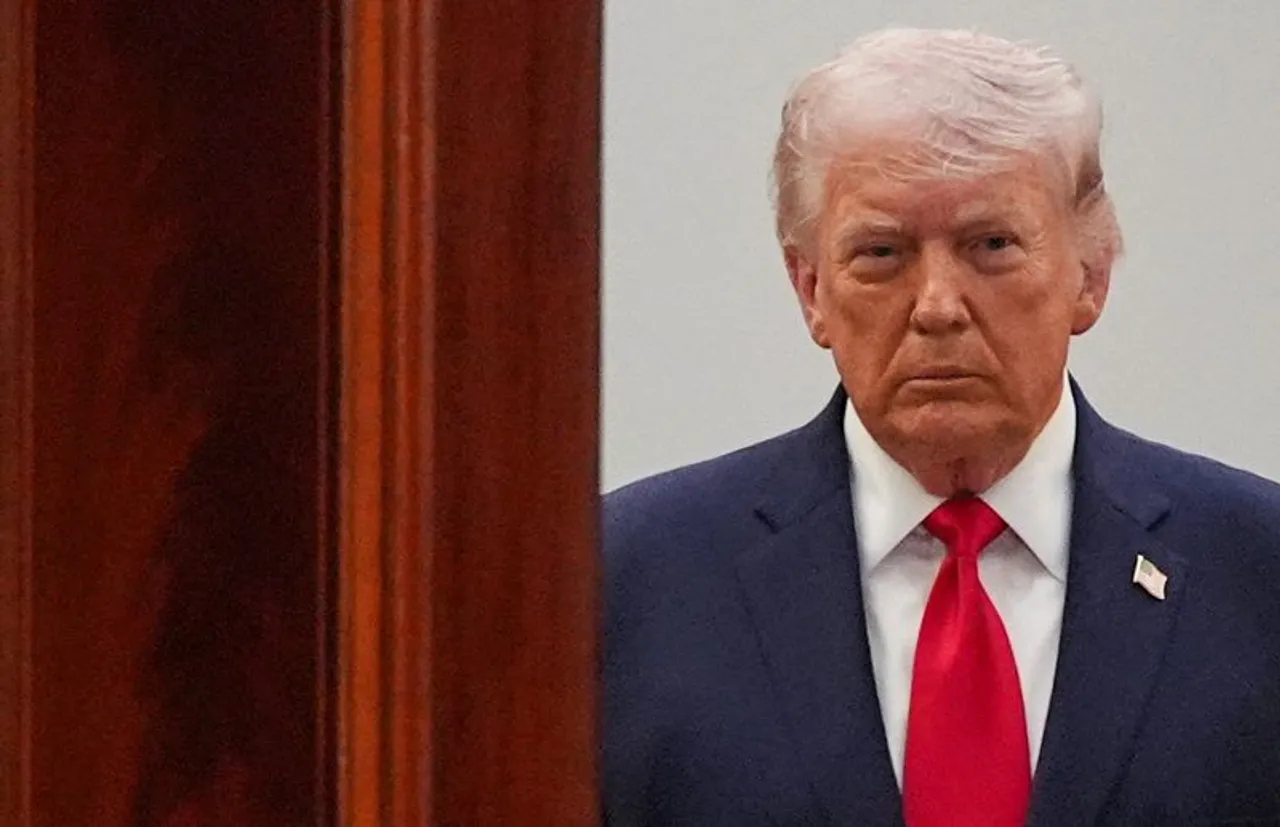
US President Donald Trump has expressed frustration regarding his dealings with the Iranian government over efforts to end the US-Israeli war on Iran, noting that the situation is driving up oil prices globally and inflation in America and also delaying his expected Federal Reserve interest rate cuts.
Framing the Iranian leadership like "stubborn business rivals" in a tough negotiation, Trump, speaking with Fortune Magazine, said they are desperate for a deal but unreliable.
"They scream all the time. I can tell you one thing — they're dying to sign [a deal]. But they make a deal, and then they send you a paper that has no relationship to the deal you made. I say, 'Are you people crazy?'"
The wide-ranging interview published on Monday covered the economy, tariffs, AI, and global issues, including the ongoing US-Israeli war on Iran and its effects on US inflation and interest rates.
Trump framed the war as a temporary "detour" but emphasised that Iran cannot obtain nuclear weapons.
On US inflation and interest rates linked to the Iran war, Trump acknowledged that the conflict is driving up oil prices and inflation, which is delaying his preferred Federal Reserve rate cuts.
"You can't really look at the figures until the war is over," he said.
Inflation had risen to 3.8% — up from 3.3 percent the prior month — largely due to higher oil costs from the war.
Trump indicated he may need to wait for the conflict to end before more rate cuts can be realistically pursued.
Costs of war
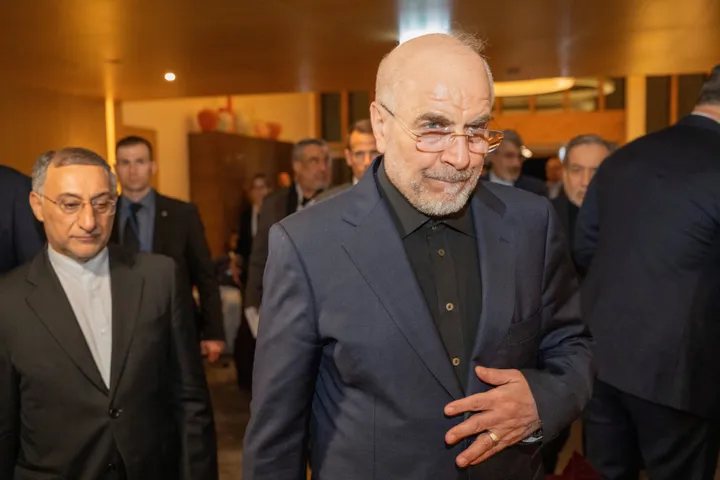
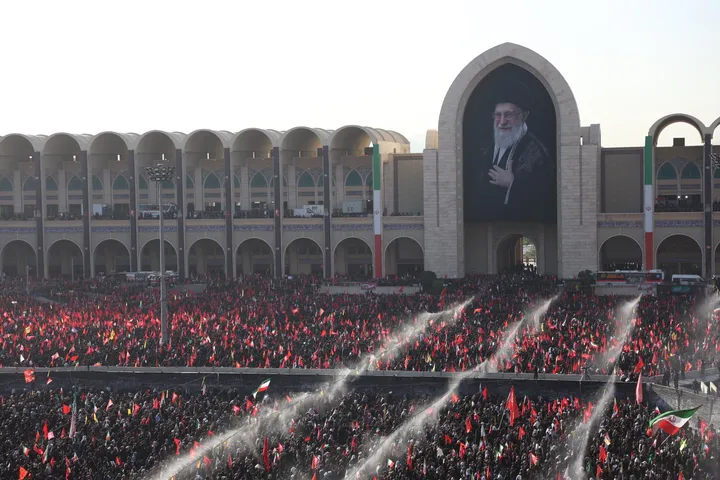
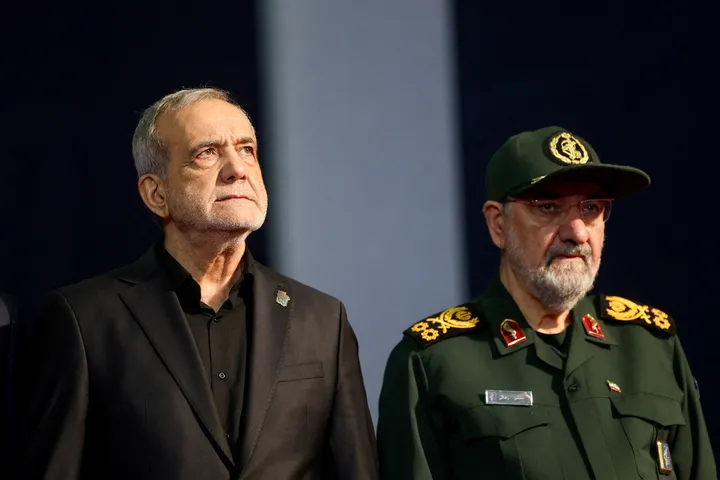
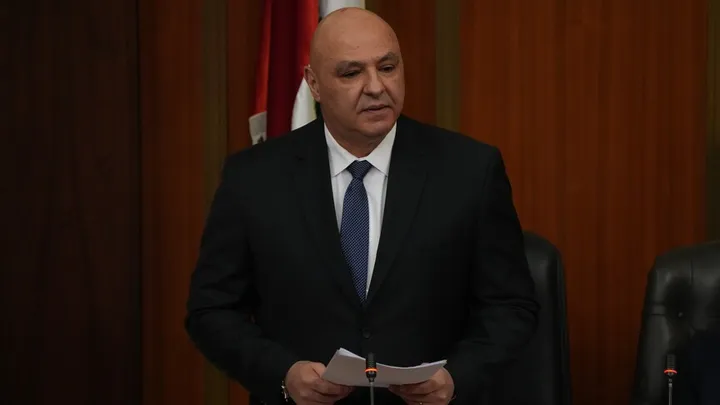


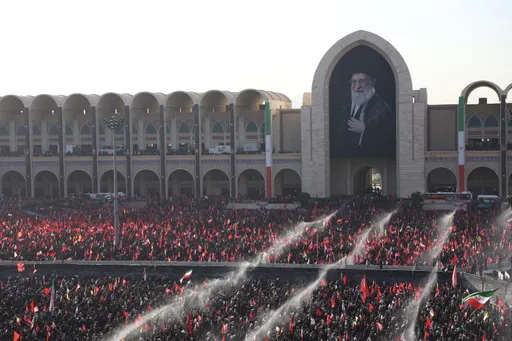
The US joined Israel in attacking Iran on February 28, with strikes quickly killing the longtime supreme leader, Ali Khamenei, and much of the other top Iranian brass as well as hundreds of civilians.
But Iran quickly hit back by exerting control over the Strait of Hormuz, the narrow passageway through which one-fifth of global oil once sailed, and it has rained missiles and drones on US-allied Gulf Arab monarchies, shattering the oil-rich countries' hard-earned reputation for stability.
Iran has largely blocked shipping through the vital strait.
Its grip over the waterway has rattled global markets and given Tehran significant leverage, while the US has imposed its own naval blockade on Iranian ports.
In peacetime, the route accounts for roughly a fifth of global oil and liquefied natural gas shipments, along with other key commodities including fertiliser.
Following Pakistani mediation, a ceasefire began on April 8. Despite failed talks in Islamabad, President Trump later extended the truce indefinitely.
Since the truce began, Washington and Tehran have swapped proposals in an effort to end the conflict.
On Monday, Iran said it had responded to a new US proposal aimed at ending the war, adding that diplomatic exchanges continue despite Iranian media reports describing Washington's demands as excessive.
With talks between Iran and the US at a standstill, tensions remain high and threaten to tip the Middle East back into open warfare and prolong the worldwide energy crisis sparked by the conflict.
The total number of people killed in the US-Israeli war on Iran is estimated at approximately 6,500–9,100 across the Middle East. Most casualties have been recorded in Iran, where at least 3,468 people, including hundreds of children and women, have been killed in US and Israeli attacks.