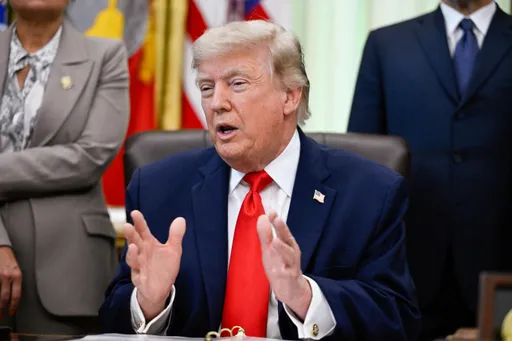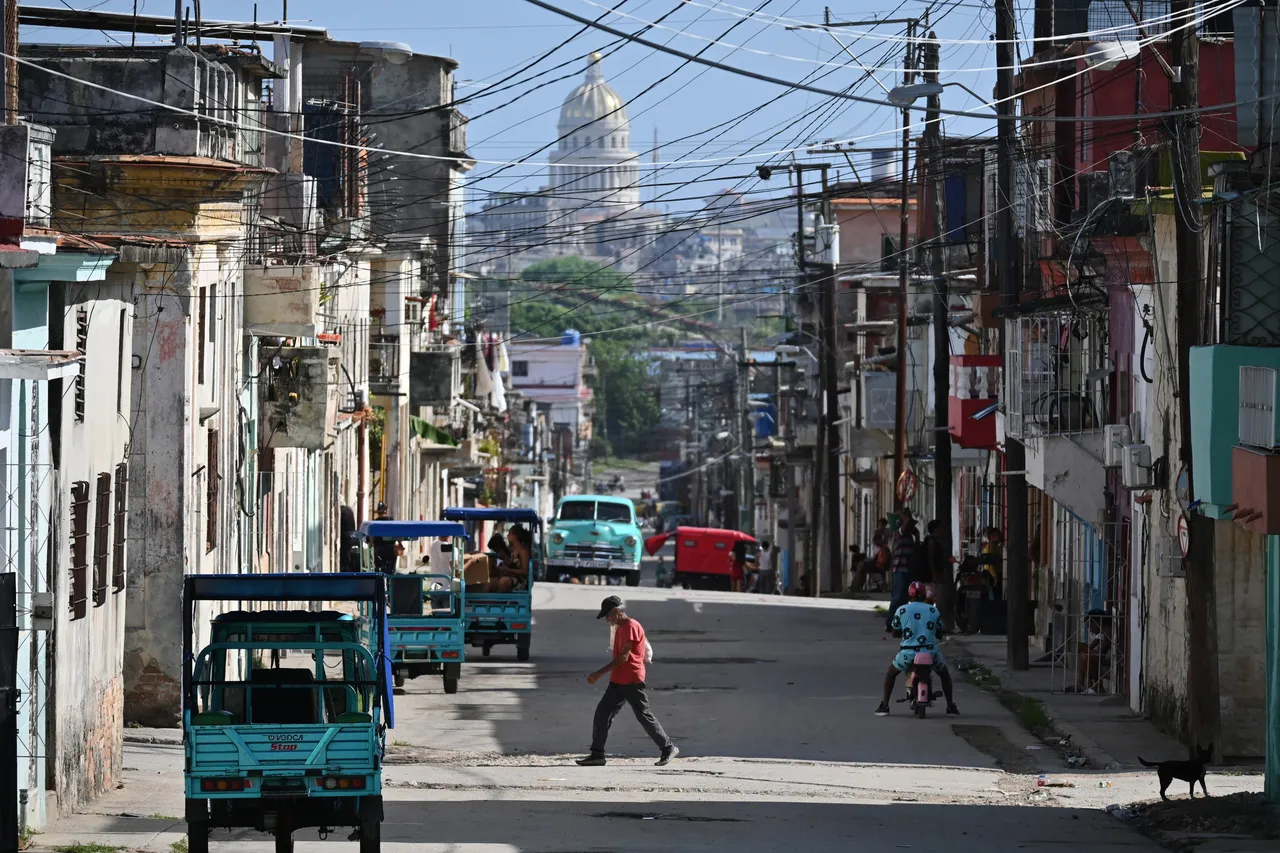
Cuban President Miguel Diaz-Canel has announced a sweeping reform package, saying the measures are aimed at revitalising the economy, reducing centralisation and granting greater autonomy to various sectors of society.
Diaz-Canel said on state television on Saturday that the reforms were not being implemented in response to pressure from Washington but were designed to strengthen the country's economic model.
"The country is not standing still. The country is intelligently confronting all of these circumstances. We cannot express everything we do so openly because the enemy is watching every step we take. Our response must be unity and solidarity," Diaz-Canel said.
He said the package will be submitted in the coming weeks to the Political Bureau of the Cuban Communist Party (PCC), one of the country's highest decision-making bodies, before being debated by the unicameral National Assembly of People's Power (ANPP).
Under the proposed reforms, agricultural producers will be granted greater flexibility, the mandatory intermediary role of state companies in foreign trade will be eliminated and restrictions on vehicle imports will be lifted.
Diaz-Canel also said the government wants to encourage foreign investment and will grant Cubans living abroad the same rights as residents on the island.
As part of efforts to make the state more efficient and less bureaucratic, the number of ministries will be reduced from 27 to 20, he added.
The president also announced the gradual removal of product subsidies, with social assistance to be directed specifically to those most in need.
New phase for tourism
As part of the reform package, Cuba plans to open its tourism sector to new business models and operators. The move follows the decision by several foreign companies to scale back or end operations in the country due to US sanctions.
Hotel chains including Spain's Melia Hotels International and Iberostar, Canada's Blue Diamond Resorts and Indonesia's Archipelago International announced they would fully or partially cease operations in Cuba in June because of US sanctions.
The departures have created uncertainty about the future of roughly 50 hotels, most of which are state-owned and operated through Gaviota, a subsidiary of the military-controlled holding company GAESA.
Tourism sector in crisis
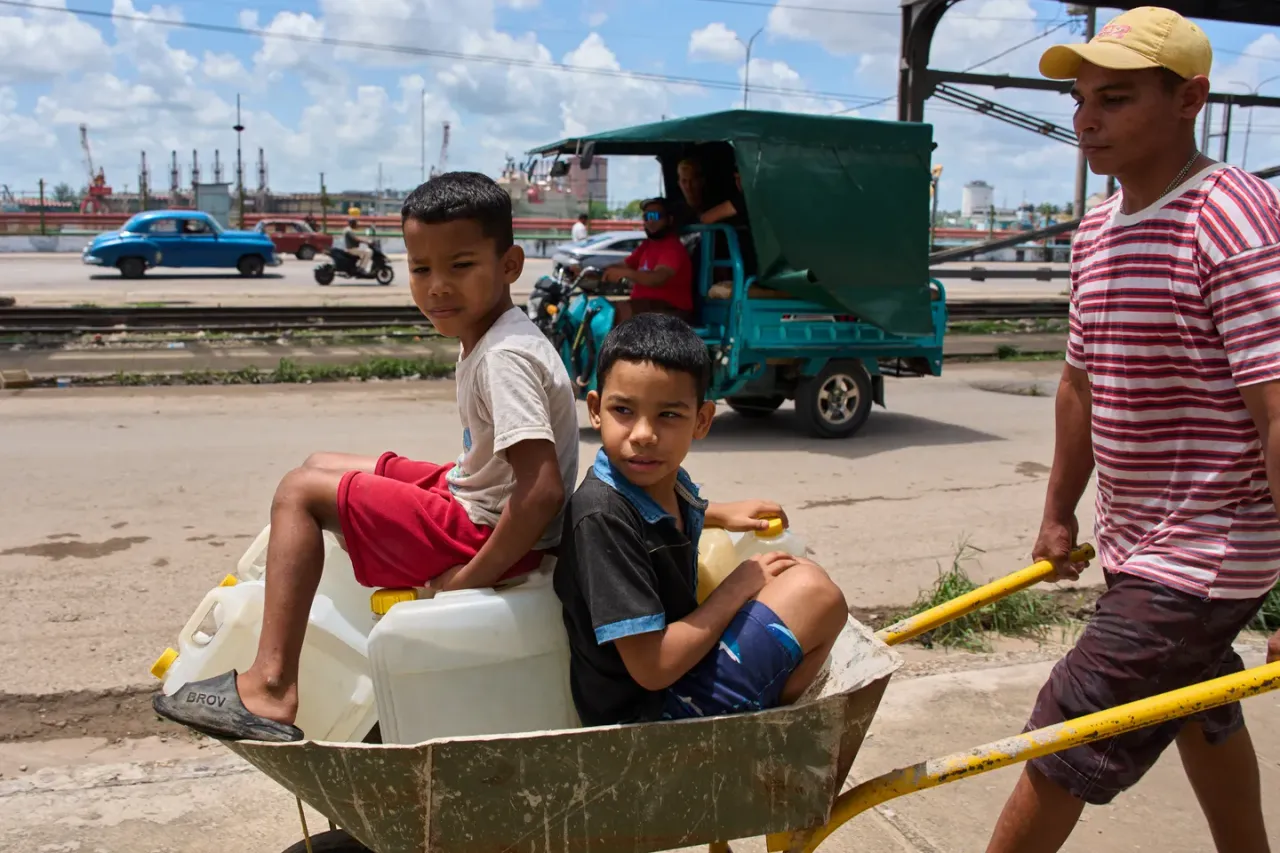
Cuba's tourism industry has struggled since the coronavirus pandemic, but sanctions tightened by the US beginning in January have contributed to a sharp decline in foreign visitor arrivals.
The downturn has prompted numerous foreign companies, including hotel operators and airlines, to leave the country.
According to data from Cuba's National Office of Statistics and Information (ONEI), 328,608 foreign tourists visited Cuba during the first four months of 2026, a 55.8 percent decrease from the same period last year. In April, the country recorded 30,551 foreign visitors.