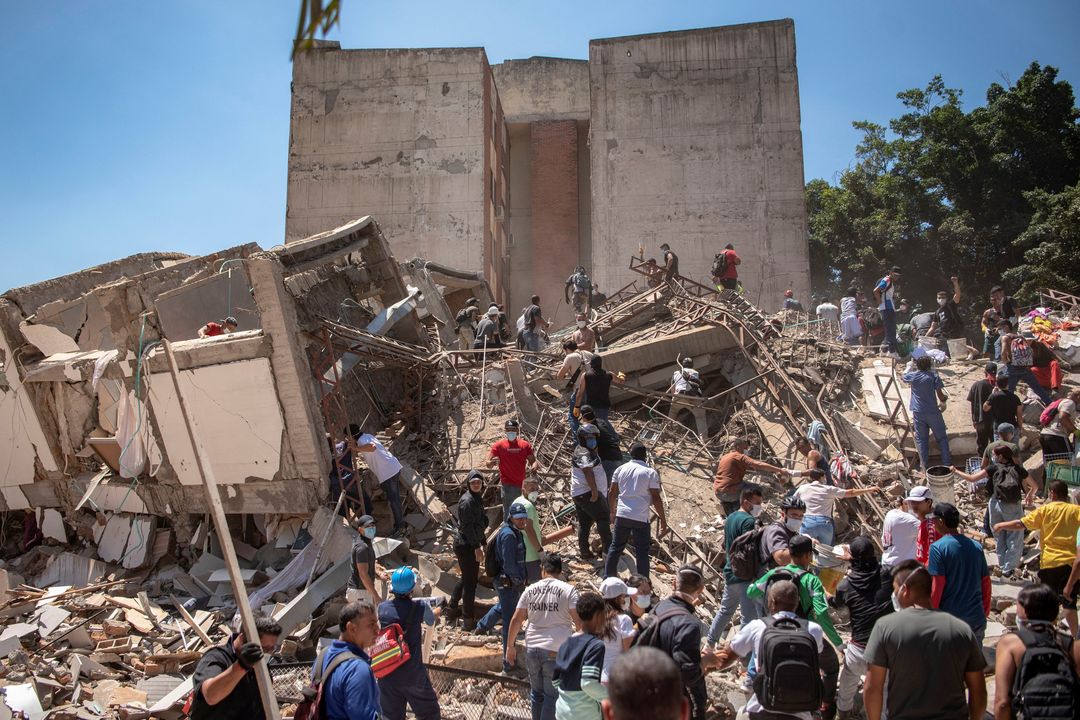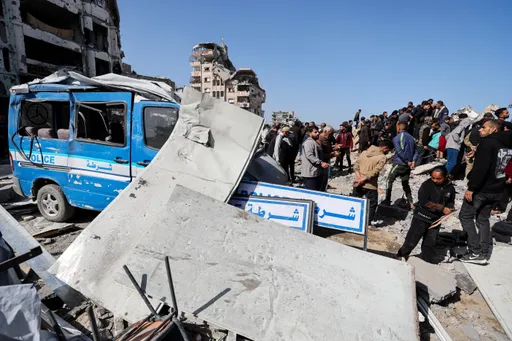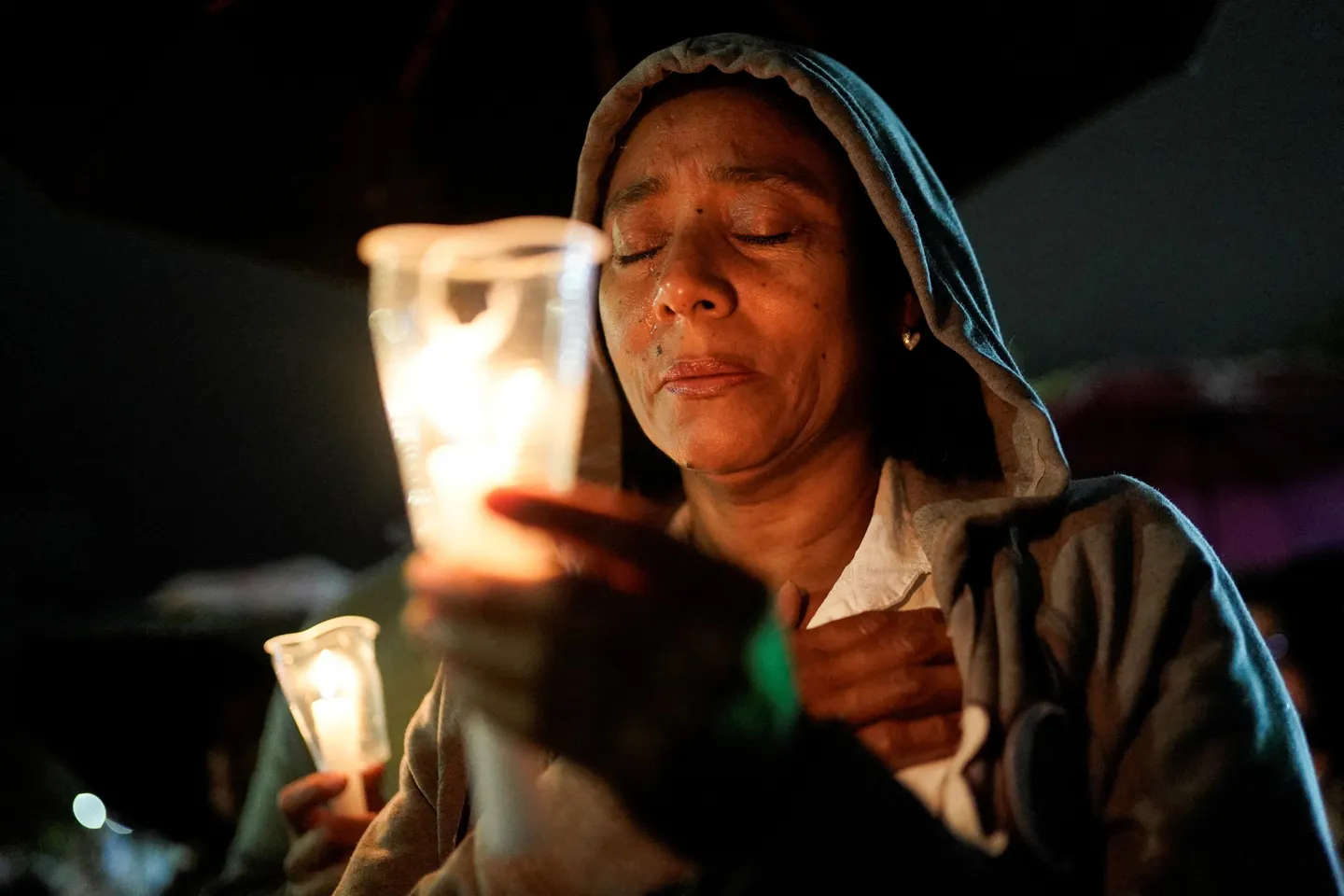
The death toll from a catastrophic 7.4-magnitude earthquake that struck western Colombia has risen to 314, according to a report released on Wednesday by the National Unit for Disaster Risk Management (UNGRD).
The agency confirmed that emergency teams are still searching for 262 missing persons. The number of injured has climbed to 4,437, while 364 people have been rescued alive from the rubble. In total, 262,154 people have been officially registered as affected across 471 municipalities in 15 of Colombia’s 32 departments.
The quake, which struck on August 10, was the most powerful seismic event to hit Colombia this century. Its epicentre was located near San Jose del Palmar in the Pacific department of Choco at an intermediate depth of roughly 110 kilometres. Despite the depth, structural destruction spread rapidly across the country's western “Coffee Axis” and major urban hubs.
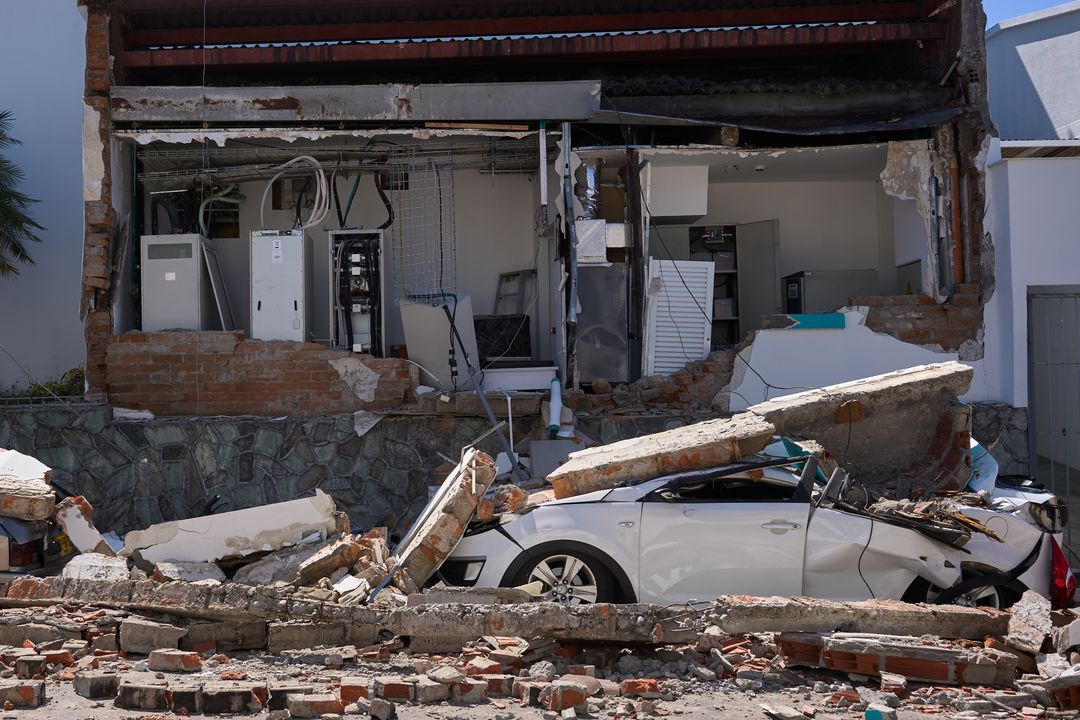
Physical destruction across public and private infrastructure has left regional health and transport networks heavily crippled. According to updated figures from the UNGRD, at least 30,664 homes have been completely destroyed, 136,946 others sustained structural damage, and 302 buildings collapsed, primarily in Cali and Pereira.
Structural damage has also been documented at 3,470 schools, 4,971 community centres and 352 health care centres, several of which were forced to evacuate patients. The damage extends to 449 roads, 58 vehicular bridges, 13 pedestrian bridges, 105 municipal aqueduct systems and five regional airports.








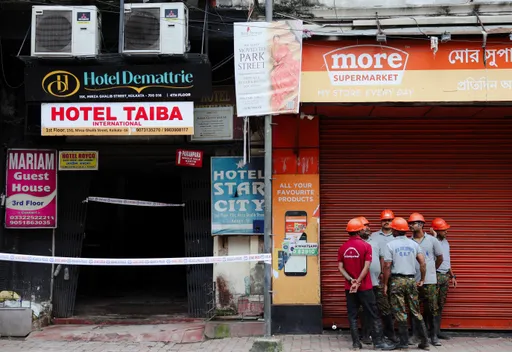
In urban centres like Cali and Pereira, urban assessment teams are marking hundreds of unsafe structures with red paint reading "No Habitar" (Do Not Occupy), signaling imminent risk of collapse and leaving thousands of displaced residents sleeping in temporary shelters or makeshift outdoor encampments.
Beyond urban centres, remote rural municipalities in Choco, Caldas and Quindio remain severely isolated due to landslides blocking major access roads. Humanitarian organisations warn that secondary risks including heavy seasonal rainfall, contaminated water supplies and potential landslides are escalating medical and health risks for displaced populations.
Economists and disaster management analysts project initial economic losses from structural and transport disruptions to reach billions of dollars, making this one of the costliest recovery efforts in modern Colombian history.