 Ozcan Akinci
The debate over NATO burden-sharing is usually framed around defence spending targets and force contributions.
Yet the alliance’s deeper challenge increasingly lies elsewhere: whether member states strengthen collective deterrence or redirect resources toward regional rivalries.
This dilemma is especially visible on NATO’s southern flank. Greece has sharply expanded defence spending and military procurement in recent years, primarily through systems aimed at balancing Türkiye in the Aegean and the Eastern Mediterranean.
While Athens presents these moves as a form of deterrence, the broader strategic outcome remains ambiguous.
Rather than strengthening NATO’s collective posture against Russia or China, Greece’s current approach risks diverting alliance attention and resources into intra-alliance competition.
As a result, Athens generates political and operational costs that appear to outweigh its net contribution to the Alliance.
The Balance of Threat theory provides a useful framework for understanding this dynamic.
Unlike classical balance-of-power realism, this theory argues that states respond not simply to raw power, but to perceived threats shaped by four variables: aggregate power, geographic proximity, offensive capability and perceived intentions.

Despite major asymmetries in population, economic scale and military capacity, Greece has consistently positioned Türkiye as its primary strategic threat.
This has encouraged high defence spending and a strategy of qualitative asymmetric balancing built around external partnerships and advanced weapons procurement.
The imbalance itself is significant.
Türkiye, with a population of around 85 million and a defence budget approaching $30 billion in 2025, maintains NATO’s second-largest military force.
It also operates across a broad strategic geography stretching from the Black Sea to Syria, Iraq and the Eastern Mediterranean.
Greece, by comparison, has a population of roughly 10.5 million and defence expenditures estimated at $8.4–8.6 billion, representing nearly 3 percent of GDP.
This remains among the highest levels of proportional spending within NATO.
Greece’s Türkiye obsession
Athens has also launched a long-term defence modernisation programme projected to reach €25-28 billion by 2036.
Much of this effort is explicitly linked to the perceived Turkish threat in the Aegean. However, high expenditure alone does not necessarily translate into effective alliance contribution.
Personnel comparisons further highlight the asymmetry.
Türkiye maintains approximately 355,000 active personnel and around 379,000 reserves, alongside substantial operational experience from deployments in Syria, Libya and the Black Sea region.
Greece fields approximately 143,000 active personnel and 221,000 reserves. Meanwhile, personnel expenditures reportedly consume more than 65 percent of the Greek defence budget, well above NATO averages.
This limits flexibility for broader force modernisation and operational projection.
When paramilitary forces are included, Türkiye’s total military and paramilitary strength exceeds 880,000 personnel.
This makes Türkiye NATO’s second-largest military force and the operational backbone of the southern flank in terms of logistics, manpower depth and regional power projection.
This creates a structural mismatch. Greece allocates a significant share of its resources to regional balancing against Türkiye rather than enhancing broader NATO capabilities.
The procurement pattern reinforces this trend.
In recent years, Greece has signed major arms agreements involving 24 Dassault Rafale fighter jets, French Belharra-class frigates, and 20 Lockheed Martin F-35 Lightning II aircraft from the United States.
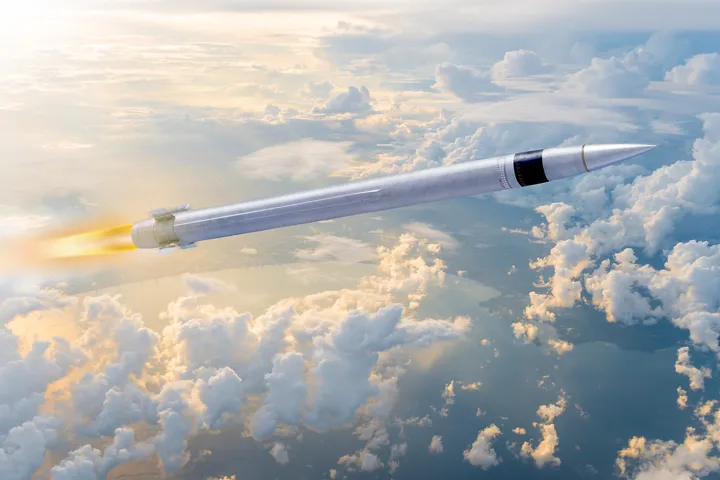
The most symbolically important project is the “Achilles Shield” air and missile defence initiative, estimated at around €3 billion.
The system integrates Israeli technologies, including PULS rockets, SPYDER, Barak MX and David’s Sling. Greece’s parliamentary committee approved key elements of the programme in March 2026.
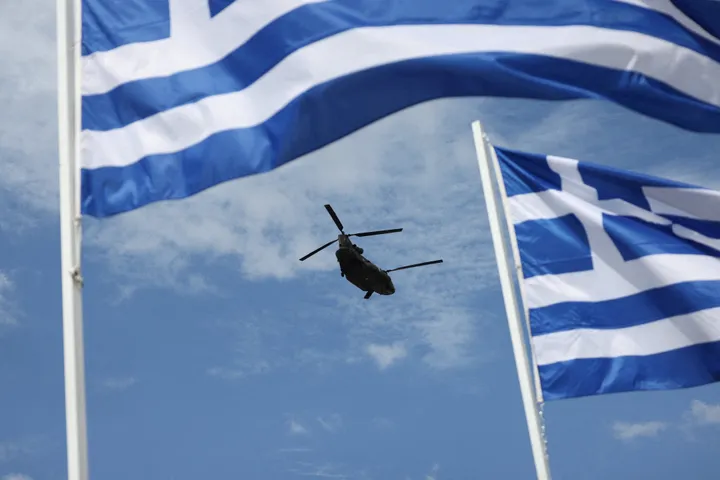
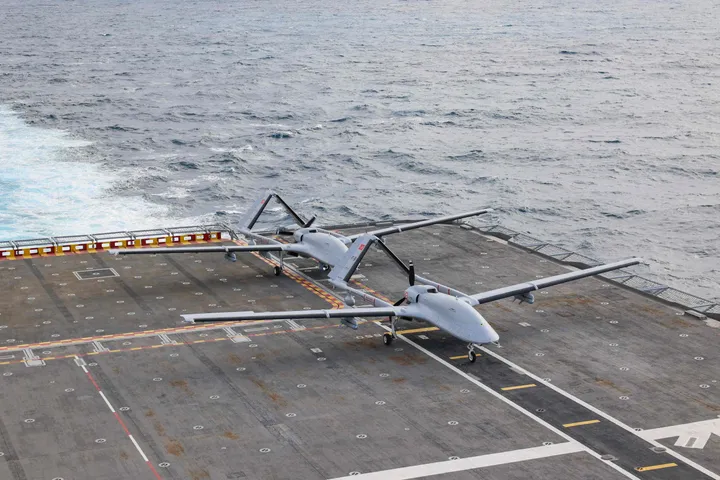



These acquisitions are largely aligned with the perceived Turkish threat and are advanced primarily through a France-Israel defence axis that is only partially integrated into NATO’s collective structures. This framework helps explain this behaviour.
Geographic proximity and threat perception continue driving balancing dynamics even within alliances.
The classic security dilemma continues to shape this relationship.
Greece’s militarisation of the Aegean islands, widely regarded as inconsistent with the demilitarisation provisions of the Lausanne Treaty, is viewed in Türkiye as a direct challenge to its vital maritime routes and freedom of navigation.
Athens’ efforts to assert control over disputed “grey zones” in the Aegean further raise concerns. These actions risk restricting international sea lanes. Such restrictions could complicate NATO’s supply lines and logistical support in a potential crisis.
In turn, Turkish military modernisation and regional presence are perceived in Greece as evidence of revisionist intent. This mutual reinforcement of threat perceptions sustains a costly and destabilising cycle of intra-alliance competition.
Each side’s defensive measures, therefore, reinforce the threat perceptions of the other. The result is a self-reinforcing cycle in which intra-alliance distrust expands alongside military spending.
‘Asymmetrical deterrence’
Greek strategic thinking increasingly reflects the concept of “asymmetrical deterrence”. Rather than competing symmetrically with Türkiye, Athens seeks qualitative superiority through advanced technologies and external strategic backing from actors such as France, Israel and the United States.
The concept of deterrence under asymmetrical power conditions further highlights the long-term financial and strategic costs of this approach. Smaller states can offset disadvantages through external support, but dependency risks also increase as alliances deepen.
The issue extends beyond Greece itself. The Greek Cypriot Administration (GCA), though not a NATO member, adds another layer of complexity through coordination with Greece on Eastern Mediterranean energy and maritime disputes.
French efforts to expand military presence on the island, combined with recurring debates over GCA’s NATO aspirations, further complicate alliance cohesion on the southern flank. Even indirect disputes can absorb political attention and complicate NATO coordination.
The broader southern flank increasingly reflects well-known dynamics of collective action in alliances.
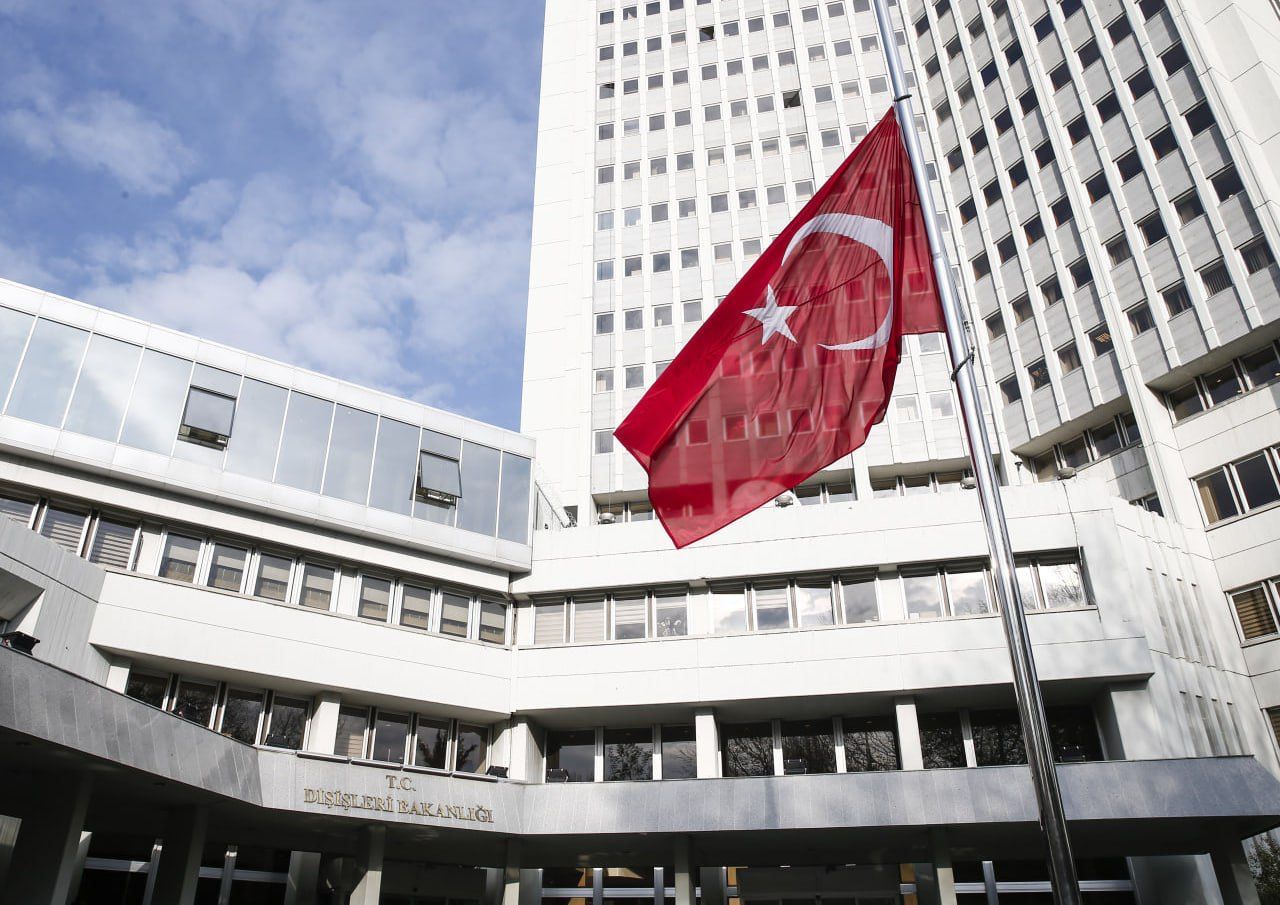
Collective defence functions as a public good, which encourages smaller and medium-sized members to rely disproportionately on larger powers while pursuing their narrower national priorities. This pattern is clearly visible within NATO. Several southern members generate high political demands inside the alliance while contributing comparatively limited operational output against systemic threats.
In practice, alliance attention and resources become concentrated on regional disputes in the Aegean and Eastern Mediterranean. This reduces focus on broader deterrence priorities such as Black Sea security, Baltic defence, or China’s expanding strategic footprint in critical infrastructure and Mediterranean ports.
The problem is therefore not merely financial. It is strategic fragmentation.
This imbalance becomes clearer when compared with Türkiye’s broader operational role. Türkiye controls the Turkish Straits, maintains logistical depth across multiple theatres and has significantly expanded indigenous defence production, including drones, naval platforms, missiles and layered air defence systems.
These capabilities support NATO’s wider deterrence architecture rather than remaining confined to a single bilateral rivalry. Geography also gives Türkiye operational depth extending from the Black Sea to North Africa and the Eastern Mediterranean.
Greece’s security dilemma
Recent tensions surrounding Türkiye’s proposed “Blue Homeland” maritime framework further illustrate the perception gap between the two allies. In May 2026, Turkish officials announced that the “Mavi Vatan Kanunu” (Blue Homeland Law) would be submitted to parliament soon.
The legislation aims to codify Türkiye’s maritime rights and interests across the Black Sea, the Aegean, and the Eastern Mediterranean within an international legal framework. Turkish officials present the initiative as part of a broader strategy focused on maritime security, energy access and regional connectivity.
Athens, however, interpreted the initiative as “revisionist” and “escalatory”. Greek officials, including Foreign Minister Gerapetritis, stated that Greece “will respond in different ways.”
This reaction demonstrates the core mechanism of threat perception: states respond not only to objective capabilities, but also to how intentions are interpreted through geography, history and strategic rivalry.
The risk for NATO is that this threat-driven asymmetric balancing gradually erodes overall alliance cohesion and diverts focus from common threats. Internal competition begins consuming resources originally intended for collective deterrence.
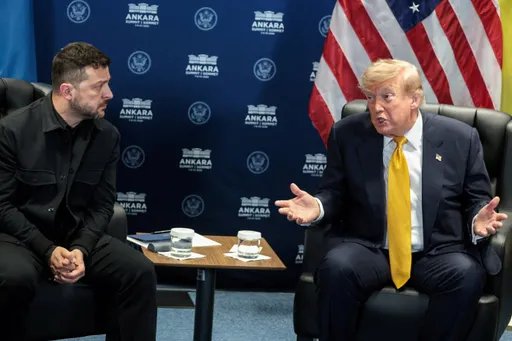
As NATO prepares for the 2026 summit in Ankara, this issue is likely to become increasingly difficult to ignore. The alliance’s southern flank faces growing instability across the Middle East, the Eastern Mediterranean and North Africa.
At the same time, Russia’s expanding regional footprint and China’s infrastructure penetration require greater alliance coordination rather than fragmentation. Yet intra-alliance balancing increasingly absorbs political attention and defence resources.
The strategic question, therefore, extends far beyond Greece alone. It concerns whether NATO’s southern flank functions primarily as a contributor to collective deterrence or as a zone where regional rivalries continuously consume alliance capacity.
Viewed through the Balance of Threat framework and collective action theory, the current trajectory on NATO’s southern flank risks prioritising perceived regional threats over broader strategic priorities.
For the Alliance, the real challenge lies not only in increasing defence spending but in ensuring that resources strengthen collective deterrence rather than fuel internal geopolitical rivalries.