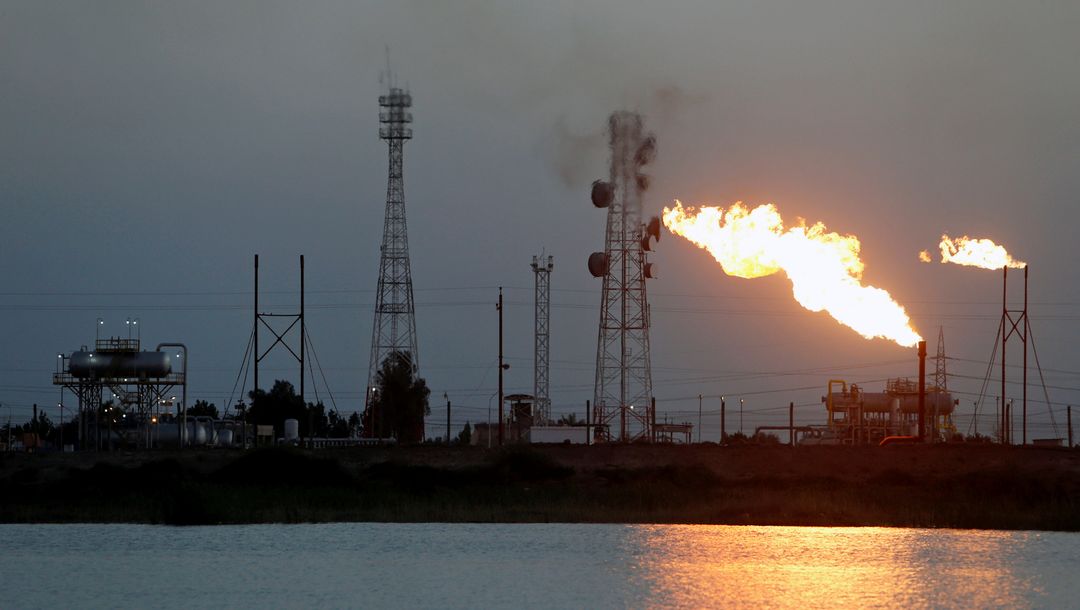
Oil prices spiked on Monday on Middle East supply fears after Saudi Arabia closed a key pipeline, putting further upward pressure on inflation ahead of an expected Federal Reserve rate hike this week.
Rising oil prices continue to drive up bond yields and dampen risk appetite, and escalating geopolitical tensions in the Middle East contribute to these trends.
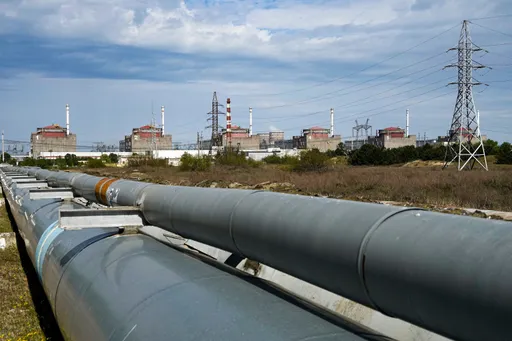
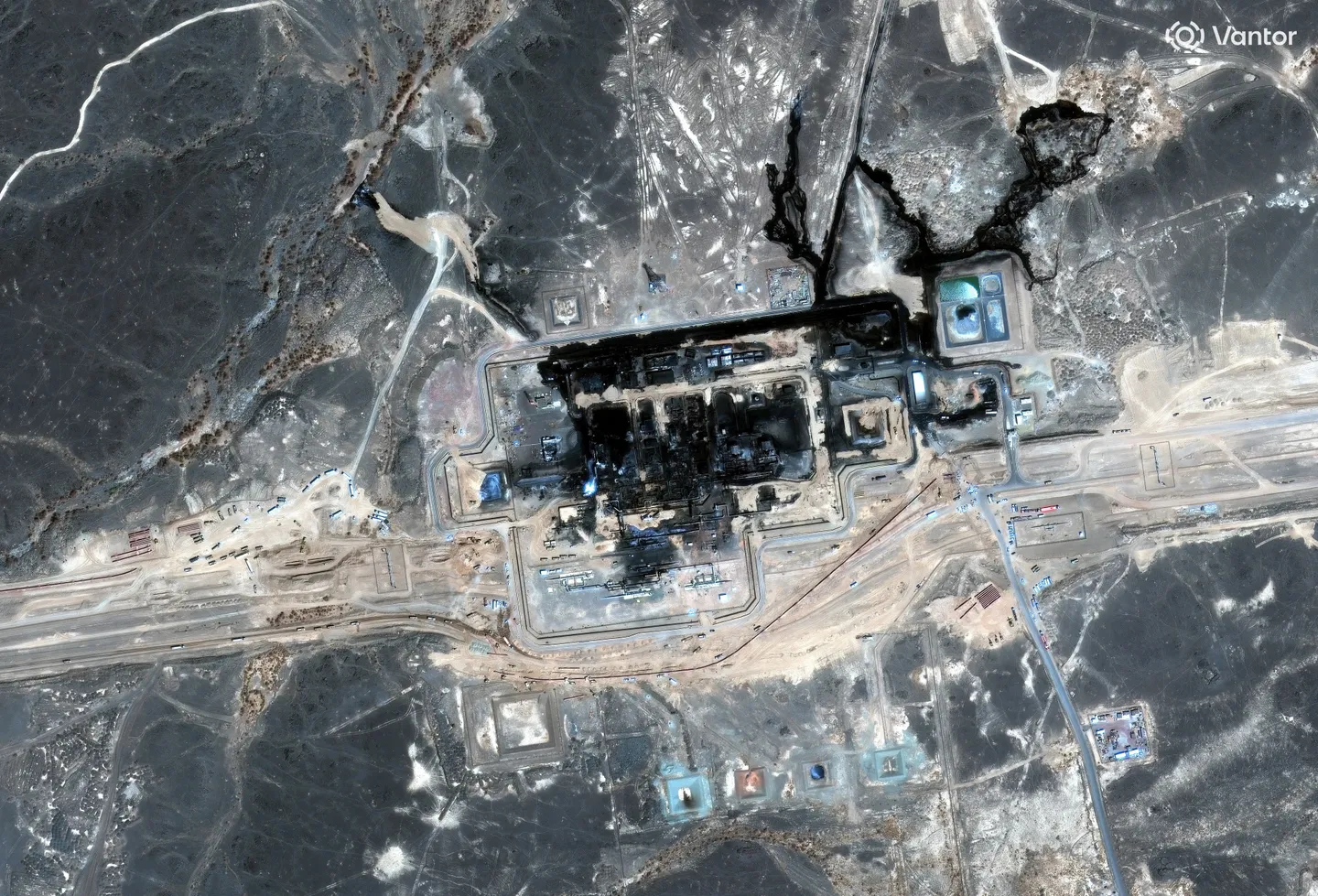
Saudi Arabia’s closure of the East-West Crude Oil Pipeline, or Petroline, due to attacks launched from Iraq intensified oil supply concerns. The pipeline boasts a daily capacity of 7 million barrels and was brought online as an alternative to the Strait of Hormuz.
November-delivery Brent crude oil is trading up 2.6 percent on Monday, reaching $107.3 a barrel.
The US consumer price index (CPI) rose 0.4 percent on a monthly basis and 3.4 percent year-on-year in August, while core inflation defied estimates at 0.3 percent month-on-month.
All eyes turned to the Fed’s interest rate decision this week, with the probability of a rate hike rising to 87 percent in market estimates, following strong employment, rising inflation estimates and Fed Chair Kevin Warsh’s emphasis on price stability.
The Strait of Hormuz meeting scheduled for Tuesday between Iran and Arab countries has been postponed.
The US 10-year Treasury yield tested its highest level since October 2023 at 4.98 percent and stabilised at 4.97 percent, while the US dollar is up 0.2 percent at 99.4, and gold is trading down 0.5 percent at $4,329 per ounce.
Meanwhile, AI development concerns came to the fore following a statement by Anthropic CEO Dario Amodei urging AI firms to slow down the pace of model development amid growing concerns over controlling AI systems.
Billionaire Elon Musk and OpenAI CEO Sam Altman expressed support for Amodei on their social media accounts.
Energy costs
The New York Stock Exchange closed last week on a positive note as the rise in oil prices slowed amid reports of a potential agreement between Oman and Iran to temporarily regulate traffic through the Strait of Hormuz.








The University of Michigan’s consumer confidence index fell to 47.8 in September, below estimates, while short-term inflation expectations of consumers rose from 4 percent to 4.6 percent at the same time.
The US federal government’s budget posted a deficit of $167 billion in August, down 52 percent year-on-year.
The Dow Jones Industrial Average rose 0.98 percent, the S&P 500 gained 0.86 percent, and the Nasdaq was up 0.96 percent on September 11. American indexes opened the new week on a negative trend.
Meanwhile, all eyes turned to the Bank of England’s (BoE) rate decision this week amid the buying-driven trend in European stock markets last week.
The BoE is expected to maintain its rates after the UK economy grew above estimates by 0.4 percent in July, while high energy costs continue to fuel inflationary pressures and keep bond yields high.
The UK's FTSE 100 rose 0.39 percent, Germany's DAX 40 gained 0.82 percent, France's CAC 40 increased 0.78 percent, and Italy's FTSE MIB 30 was up 1.36 percent on September 11. European indexes opened Monday mixed.
Asian equity markets traded on a mixed trend near Monday’s close due to tech stock declines in the region.
Shares of South Korean tech firms SK Hynix and Samsung Electronics dropped 5.6 percent and 3.5 percent, respectively, while shares of Japan’s SoftBank Group fell 11.4 percent.
All eyes turned to the Bank of Japan’s (BoJ) interest rate meeting this week, when the bank is expected to raise its policy interest rate by 25 basis points from 1 percent amid rising energy costs and the yen’s depreciation.
Japan’s industrial production fell 0.2 percent on a monthly basis while rising 3.9 percent year-on-year, below estimates.
On a weekly basis, South Korea’s Kospi fell 2.8 percent and Japan’s Nikkei 225 dropped 1 percent, while Hong Kong’s Hang Seng climbed 0.4 percent and China’s Shanghai Composite was up 0.2 percent.