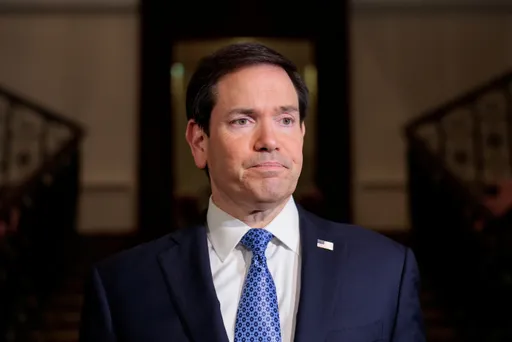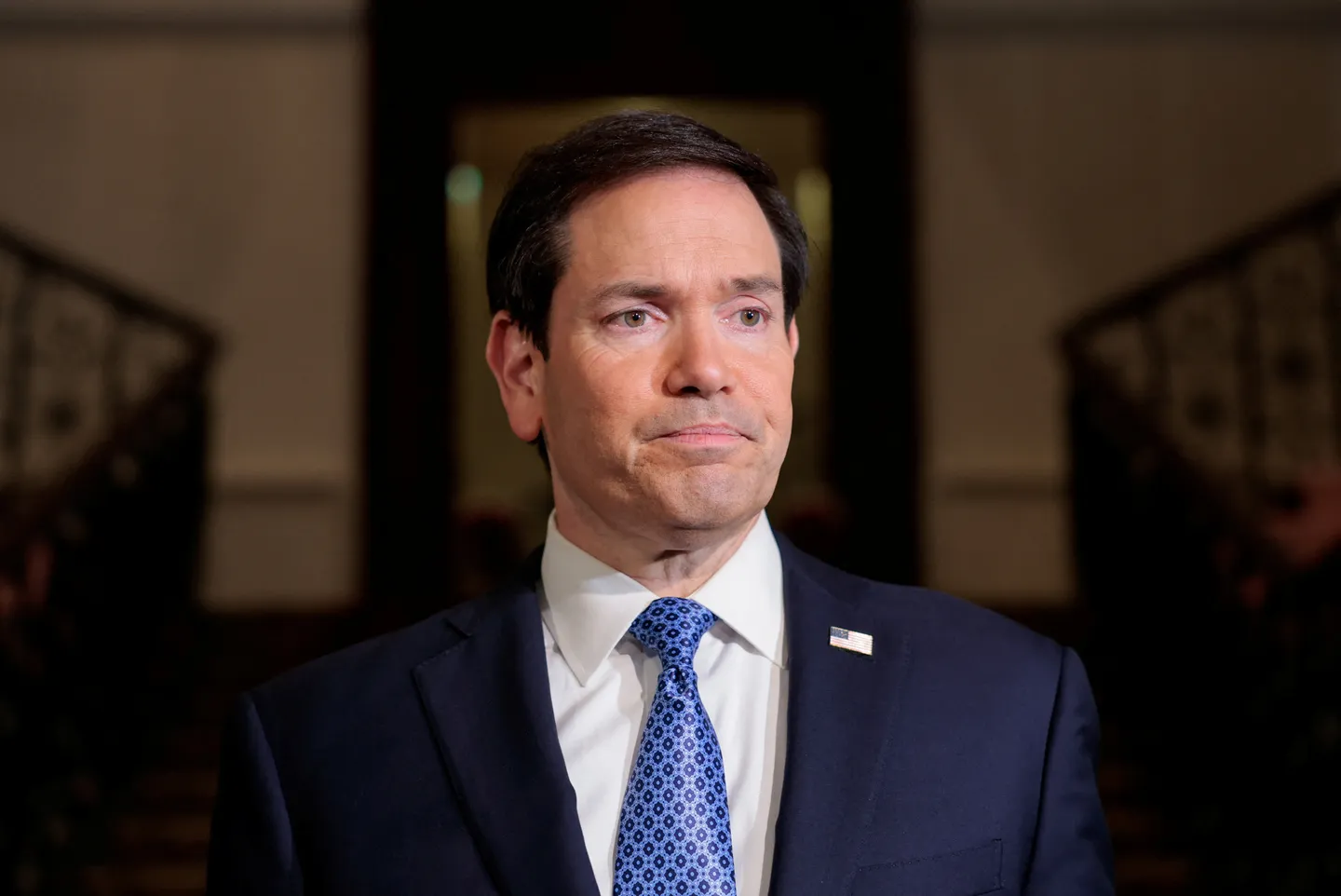
US Secretary of State Marco Rubio said envoy Steve Witkoff would present proposals on Ukraine’s long-term security to Russian officials after meeting Ukrainian President Volodymyr Zelenskyy in Norway.
Speaking to reporters in India on Wednesday, Rubio said Witkoff had met Zelenskyy on Tuesday and was travelling to St Petersburg to discuss ideas with the Russian side.
“I think they floated some ideas. He wanted to go there first,” Rubio said, adding that Witkoff would share the proposals with Russian officials in an effort to advance negotiations.
Rubio said Ukraine’s main priority was to secure guarantees against future Russian attacks.
“I think for Ukraine, the predominant desire is to ensure their long-term security and safety, so that they’re never re-invaded or re-attacked in the future,” he said.
Describing the Witkoff-Zelenskyy meeting as “positive”, Rubio said the envoy would take the ideas discussed to Russia to see whether progress could be made.
He also highlighted Trump administration’s support to Kiev, saying US assistance had been critical to Ukraine’s survival as an independent state.
“If it were not for the assistance of the United States, including under the Trump administration, there would be no Ukraine right now,” Rubio said. “Ukraine as a sovereign state would not exist.”
“Russia is a big machine. They just keep grinding forward,” Rubio said. “They have an unlimited supply of people.”

US denies policy shift
Meanwhile, US Defense Secretary Pete Hegseth denied any change in Washington’s policy towards Ukraine, saying the Pentagon had issued no directives to restrict satellite communications services.
Hegseth’s remarks came amid reports that the Pentagon was delaying transfers of Patriot missile interceptors from allied countries to Ukraine. He said Washington wanted to ensure US forces had sufficient supplies of the interceptors.
“We haven’t changed our posture in any way toward the Ukrainians, but certainly with things like interceptors, we want to make sure our guys have the most possible as well,” Hegseth told reporters in Wisconsin on Tuesday.
Asked about satellite coverage provided through the Starshield network, Hegseth said Washington had not withdrawn support and had issued no new directives.
“We haven’t pulled anything back. There are terms of service that ultimately need to be complied with, and that’s where Starlink has the option to make those decisions,” he said.
“But nothing’s changed from our view. We haven’t made any directives or anything like that,” he added.
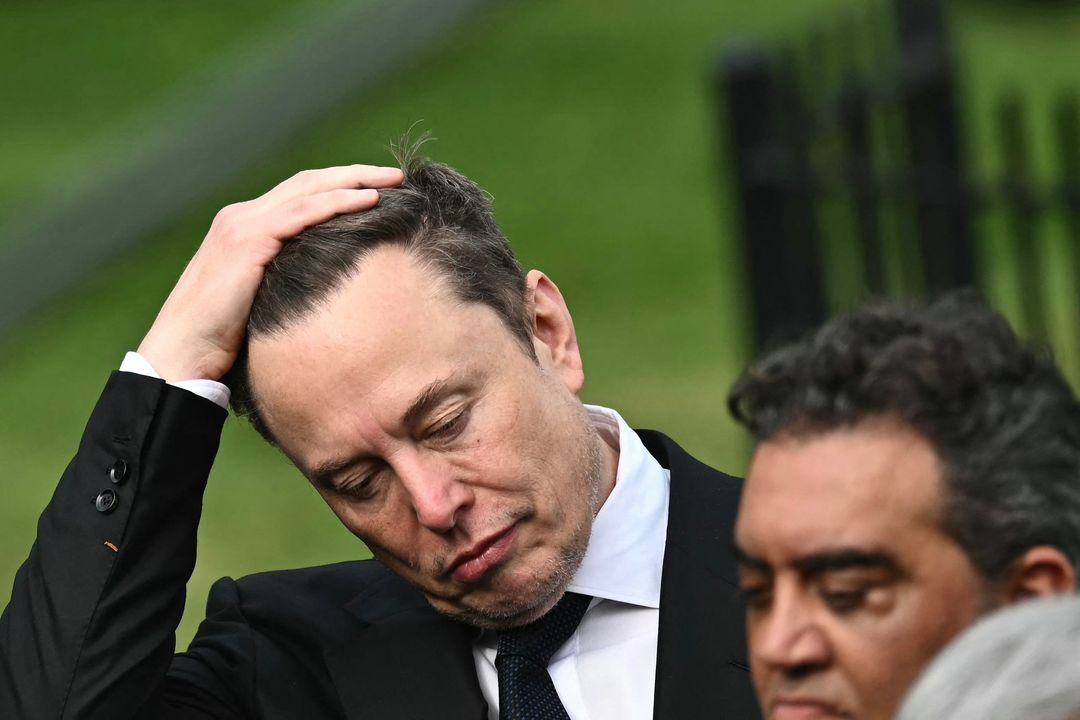
Despite that, Elon Musk recently ordered a slowdown of a military-grade version of Starlink used by Ukrainian forces, sparking panic in Kiev and causing confusion within the Trump administration, according to a report by The Wall Street Journal.