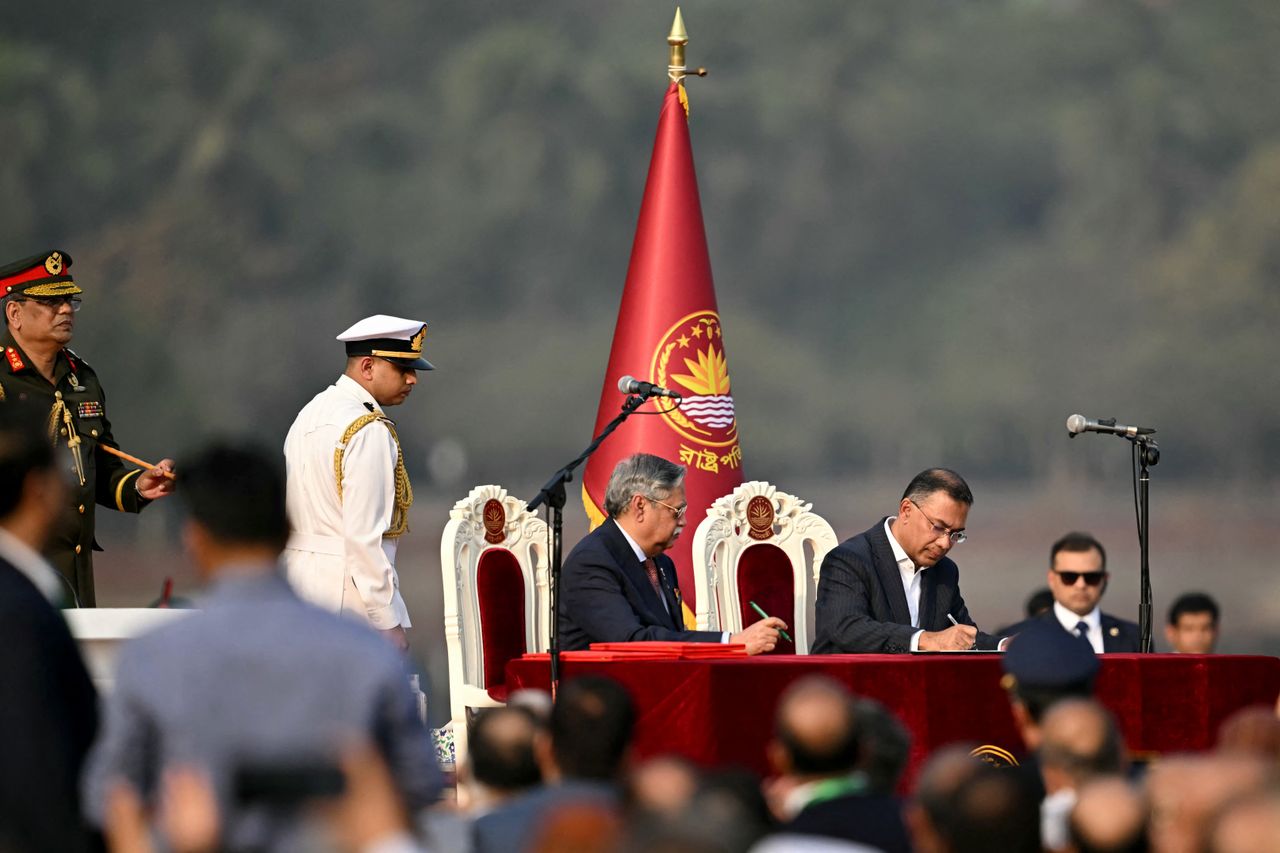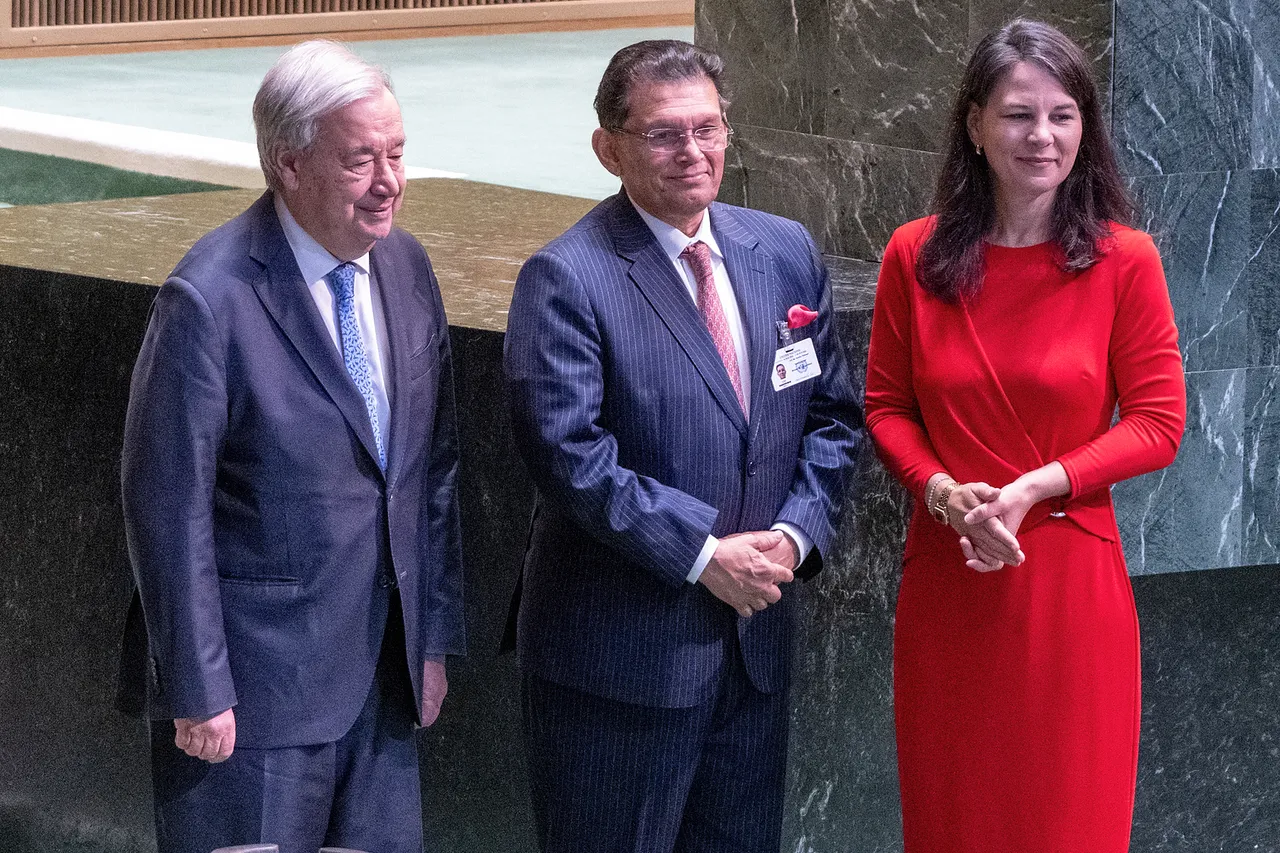
Bangladesh on Tuesday secured its second win at the UN General Assembly as the South Asian nation’s Foreign Minister Khalilur Rahman was elected president of the world body’s 81st session, starting this September, with Dhaka calling the victory a testament of trust.
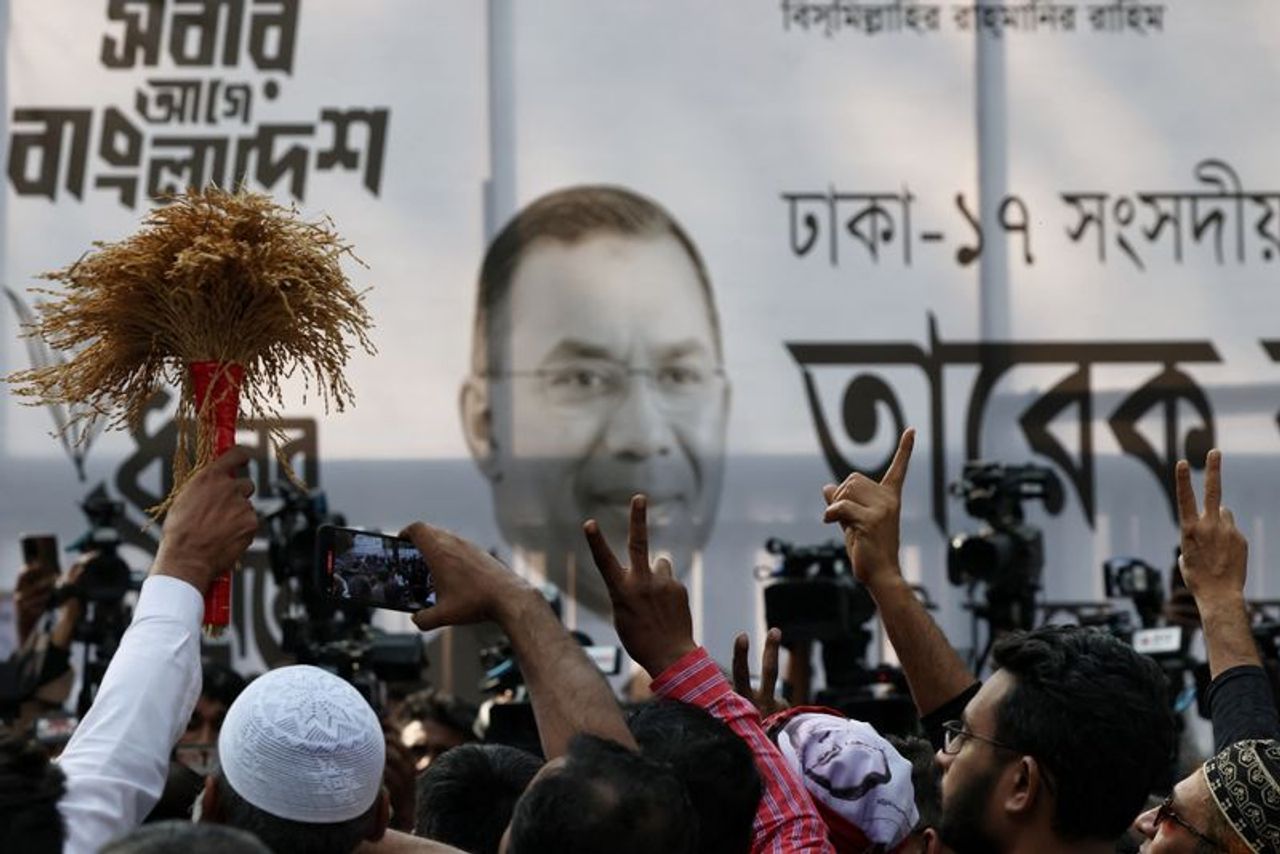
“This landmark victory is a strong testament to the confidence and trust that the international community places in Bangladesh, as well as to the country’s growing diplomatic stature and constructive engagement within the multilateral system,” said Bangladesh’s foreign ministry in a statement.
Bangladesh secured its first win at the UN General Assembly in 1986.
Calling it “historic achievement,” the ministry said this achievement also constitutes a “significant international recognition of Bangladesh’s longstanding commitment to multilateral diplomacy, international peace and security, sustainable development, and global cooperation”.
Rahman, in the election held at UN headquarters in New York for a one-year term, secured 99 votes from the 193 member states, defeating the candidate from the Greek Cypriot Administration, who got 91.
Speaking to the UN General Assembly after his win, Rahman said that under his presidency the General Assembly will address UN reforms, preparations for the next generation of the global development agenda, and urgent global challenges, including climate change, geopolitical tensions, energy insecurity, and widening development divides.




Who is Khalilur Rahman, leader of 81st session of the UN General Assembly?
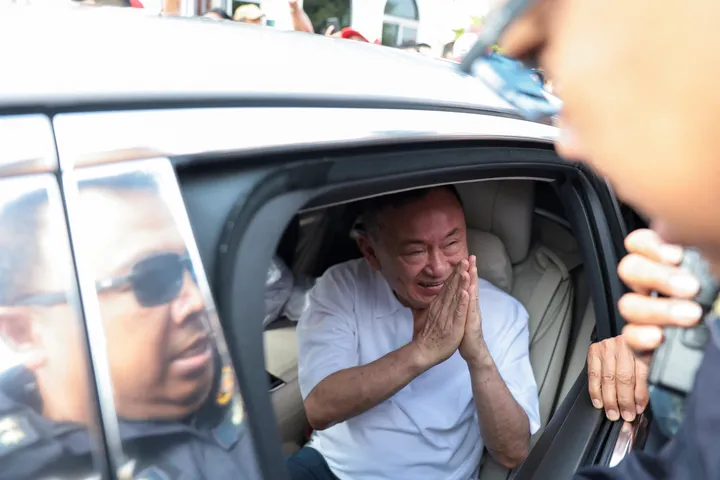
Rahman, 72, represents the Bangladesh Nationalist Party (BNP)-led government in Bangladesh, which assumed office after this February’s election, the first since the country’s student-led uprising in 2024.
After the uprising, he served as national security adviser and high representative for the Rohingya issue in the interim government led by then-chief advisor Muhammad Yunus.
Rahman joined Bangladesh’s diplomatic service in 1979.
In the US, he studied at Tufts University’s Fletcher School of Law and Diplomacy and Harvard University’s Kennedy School of Government and earned a master’s degree in law and diplomacy and a PhD in economics.
He served at the UN for 25 years, including in various UN offices in both New York and Geneva.