High-level negotiations between the United States and Iran began in Islamabad, in what is being described as the most significant diplomatic engagement between the two countries in decades.
The talks are being hosted and mediated by Pakistan amid a two-week fragile regional ceasefire also mediated by Islamabad.
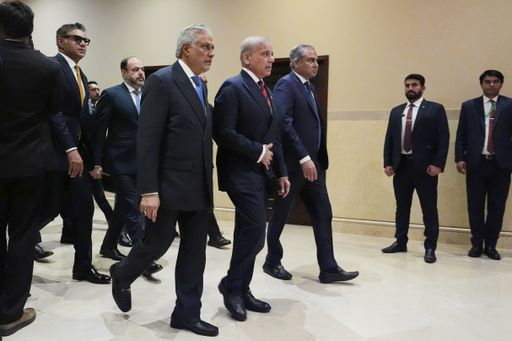
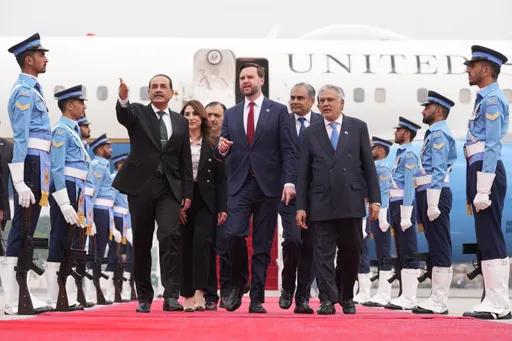
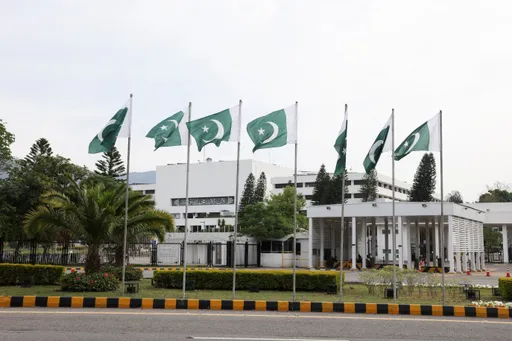
The delegations arrived in Islamabad on Saturday under heavy security, with Pakistani authorities enforcing strict lockdown-style measures around key venues.
The talks are structured in phases, beginning with separate consultations before moving into direct engagement between senior officials.
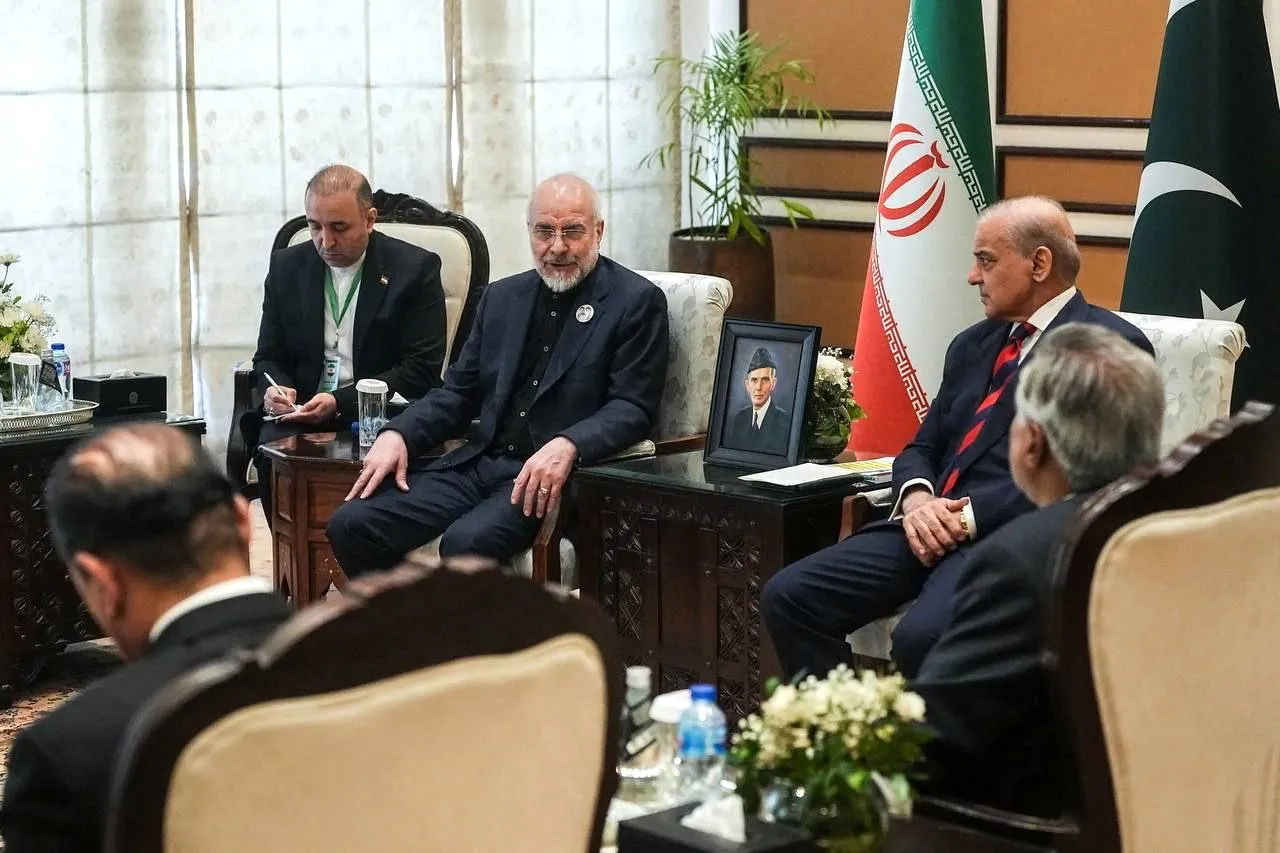
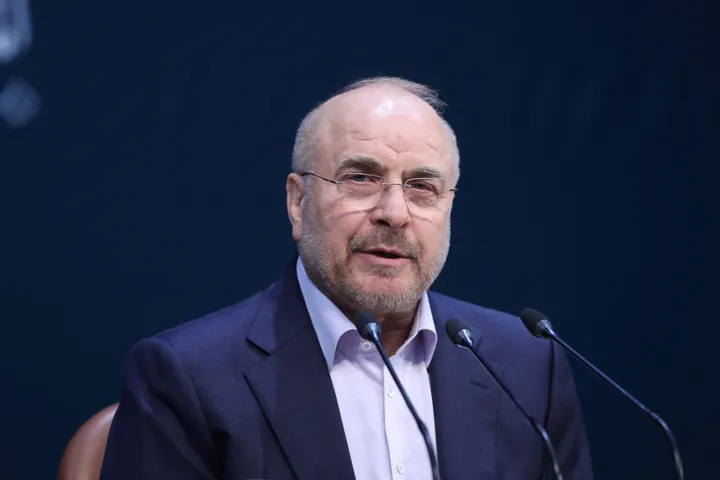
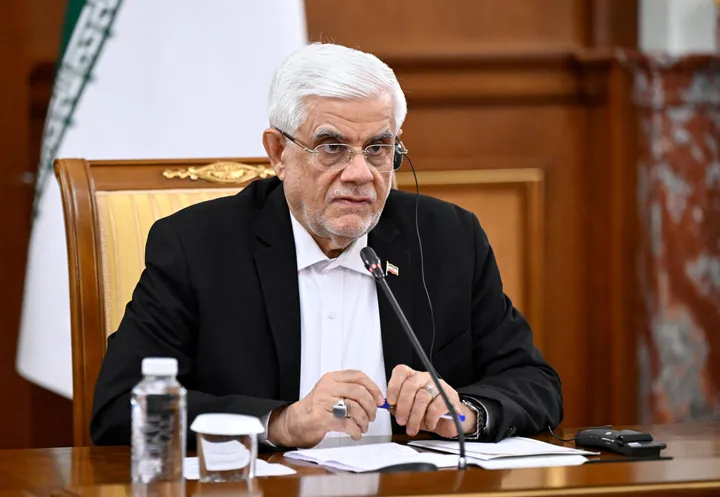
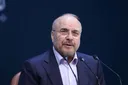
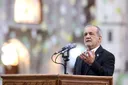
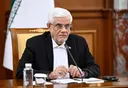
The US delegation is led by Vice President JD Vance alongside senior envoys, including Steve Witkoff and Jared Kushner. Iran’s delegation is headed by Parliament Speaker Mohammad Bagher Ghalibaf and Foreign Minister Abbas Araghchi, with additional officials involved in technical discussions.
Pakistan's Foreign Minister Ishaq Dar is representing Islamabad in the talks, while army chief Asim Munir and Interior Minister Mohsin Naqvi are assisting him.
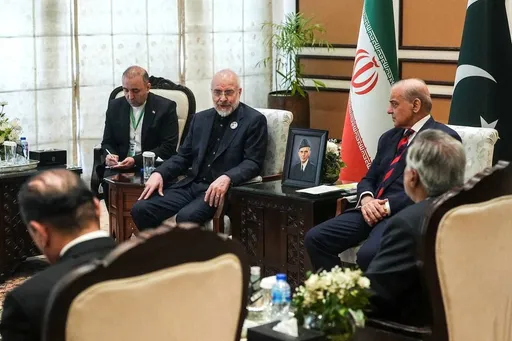
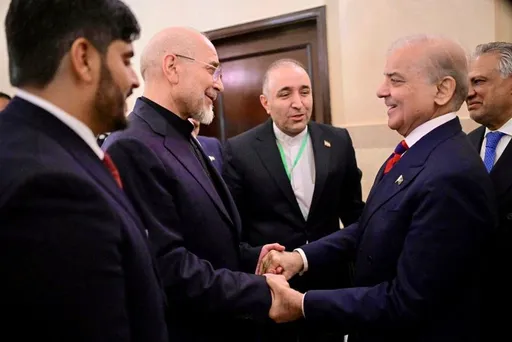
Pakistan's Prime Minister Shehbaz Sharif first held separate talks with the US and Iranian delegations, expressing hope the negotiations would serve as a "stepping stone" for durable peace in the region.
The zero-round patchwork
The US and Iranian teams started talks in separate rooms, with the Pakistani mediators passing messages between them as part of the patchwork.
According to the IRIB report, Iran set two key conditions for entering the discussions.
An unnamed "senior Iranian source" told Reuters that the United States had agreed to unfreeze the assets; however, a senior US official denied the reports.
The second relates to the situation in Lebanon, where Iran does not accept claims that a full ceasefire has been established.
Direct talks
The White House said the United States, Pakistan and Iran held a trilateral face-to-face session after the indirect patchwork negotiations, a first high-level meeting since the 1979 Iranian Revolution.
Talks between Iran and the US in Islamabad have entered the expert-level stage, with economic, military, legal and nuclear committees joining the process, Iran’s government said in a post on X.
The statement said the current phase follows intensive consultations and initial progress on major points, including the release of Iranian assets and developments related to the situation in Lebanon.
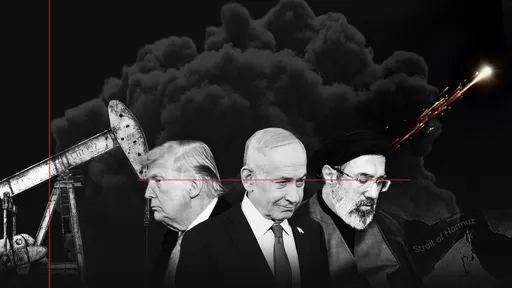
The opening of the Strait of Hormuz remained a key sticking point, with both sides locked in a high-stakes dispute over control and access, TRT World reported.

In between the talks
While the negotiations were going on, the US Centcom said that two US Navy warships transited the Strait of Hormuz to clear the strategic waterway of mines laid by Iran.
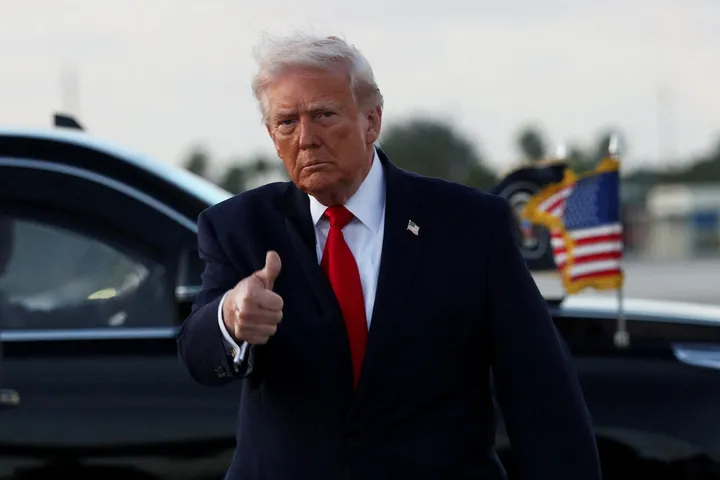
US President Donald Trump said the US began operations to clear out the Strait of Hormuz.
The Iranian state TV reported that Tehran issued warnings to the US. military ship that it will be attacked within 30 minutes if it crosses the Strait of Hormuz. The US, however, denied receiving any warnings.
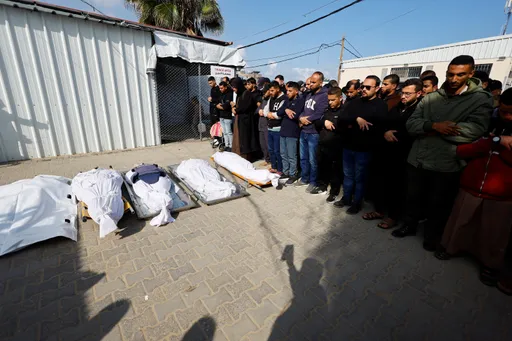
In Lebanon, at least 22 people were killed in a fresh wave of Israeli attacks, as the death toll since March 2 topped 2,000.
The first round concludes
The first round of direct talks between the United States and Iran in Islamabad concluded with negotiators exchanging written texts on key issues.
Iranian media reported that the United States was making "excessive demands" on the Strait of Hormuz during talks.
The Fars news agency said, "The US is making excessive demands regarding the Strait; the US has also made unacceptable demands on several other issues.”
The Tasnim news agency also reported on Washington's demands regarding the strategic waterway.
Talks resume
A fresh round of talks between the US and Iran resumed in Islamabad, sources in the Pakistani government told Anadolu.
The round began after a dinner break, close to midnight, the sources said, adding it is likely to enter a second day.
A senior White House official also confirmed the trilateral in-person negotiations were "ongoing".