
The global economy faces a negative energy supply shock and a positive artificial intelligence demand shock, the head of the International Monetary Fund has warned.
Kristalina Georgieva delivered a speech in Singapore on Wednesday ahead of annual meetings in Thailand.
She said the rapid rise of AI, persistently high energy prices and record levels of public debt are three major pressure areas on the global economy.
Her comments come as France deals with student protests over budget constraints that have badly affected school conditions, and Paris struggles with a widening budget deficit.
Global public debt is on track to exceed 100 percent of GDP, reaching its highest level since the end of World War II, Georgieva said.
Advanced economies account for some of the highest public debt burdens, she added.



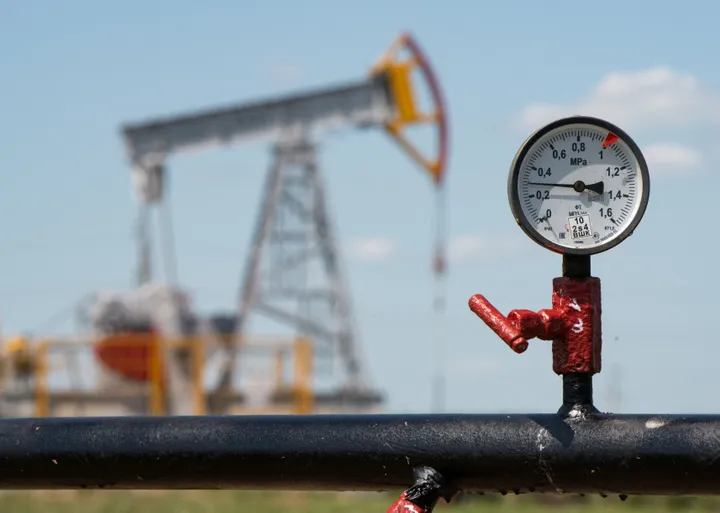




Georgieva said that while issues were impeding energy supply, AI data centres were hungry for more power, pulling the global economy in different directions.
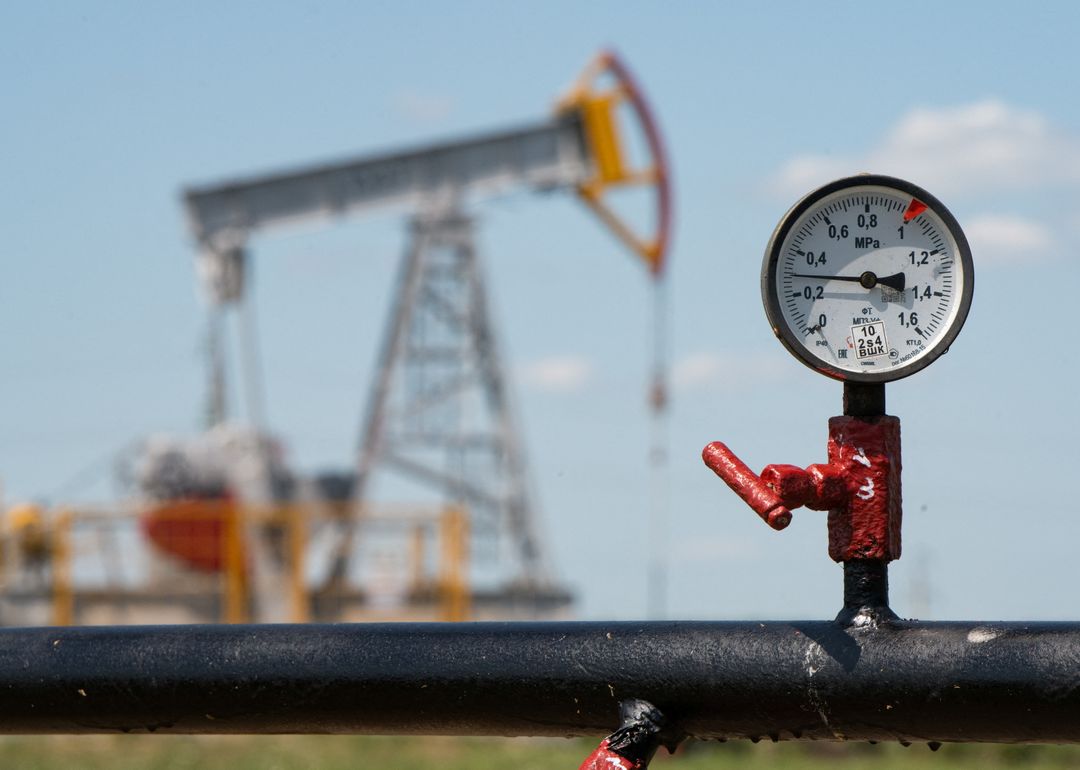
Oil prices remain around 100 dollars per barrel amid transport costs and other risks, she warned. Natural gas supplies from the Gulf also remain severely disrupted as threats to shipping through the Strait of Hormuz continue.
Meanwhile, AI hardware and related products account for more than 10 percent of global goods trade, Georgieva said. AI could add up to 0.5 percentage points to annual global growth if countries manage the technology effectively.
Georgieva urged policymakers to stop delaying necessary action and implement credible plans to consolidate public finances.
She also advised central banks to maintain a prudent hawkish bias in monetary policy, warning that the AI investment boom, energy shocks and high public debt could fuel inflation.