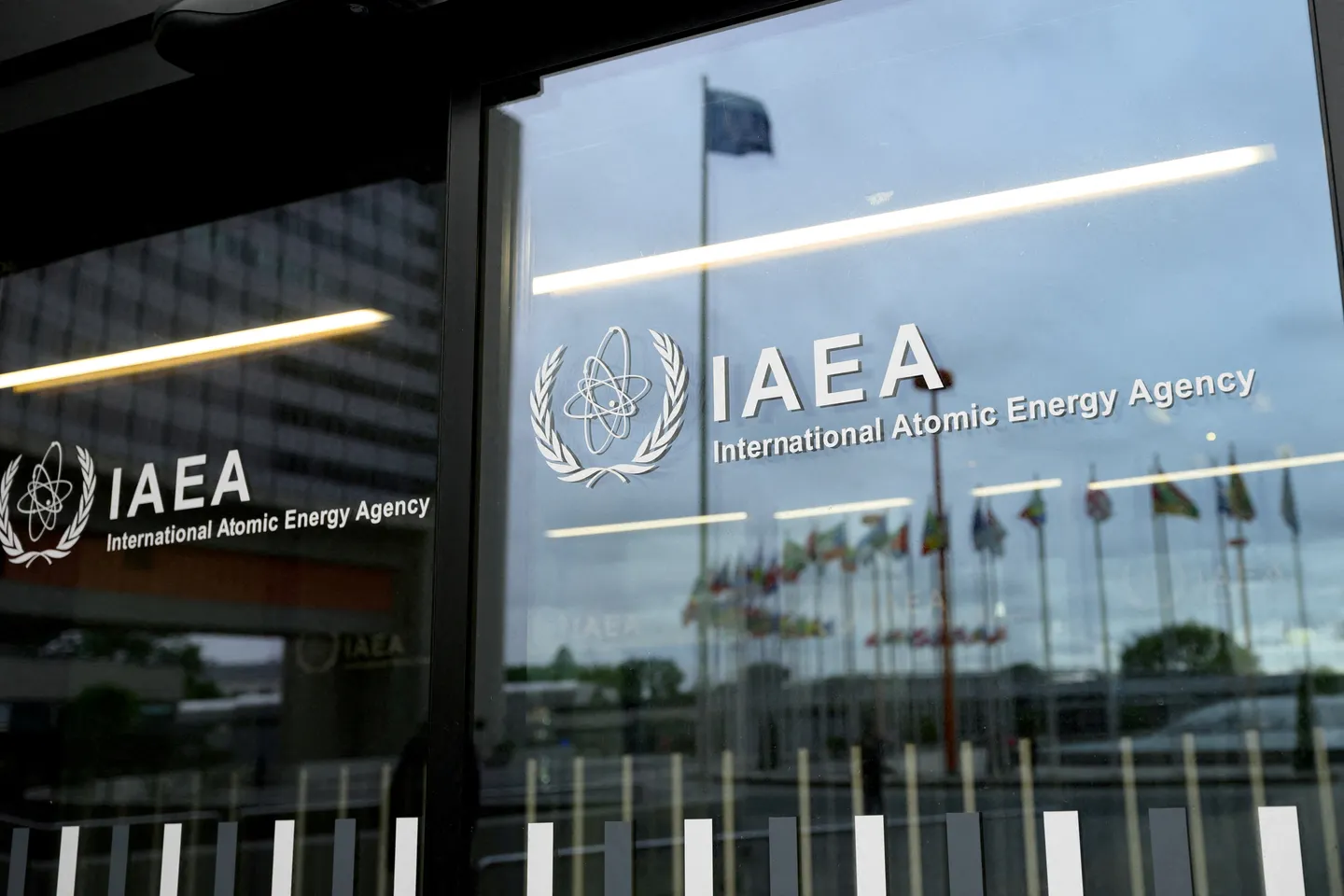
The IAEA Board of Governors has voted to refer Iran to the UN Security Council over its nuclear "non-compliance", in a diplomatic move to pile pressure on Tehran.
The International Atomic Energy Agency (IAEA) has not had access to key nuclear facilities in Iran since Israel, joined by the United States, launched a 12-day conflict in June 2025 that included strikes on nuclear sites.
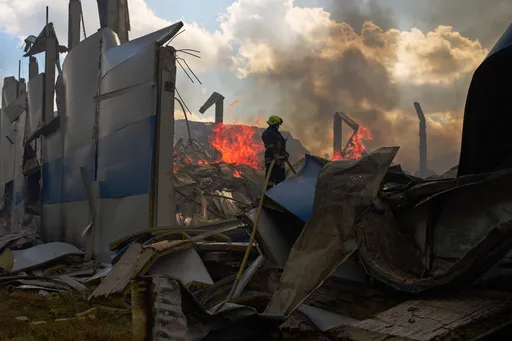
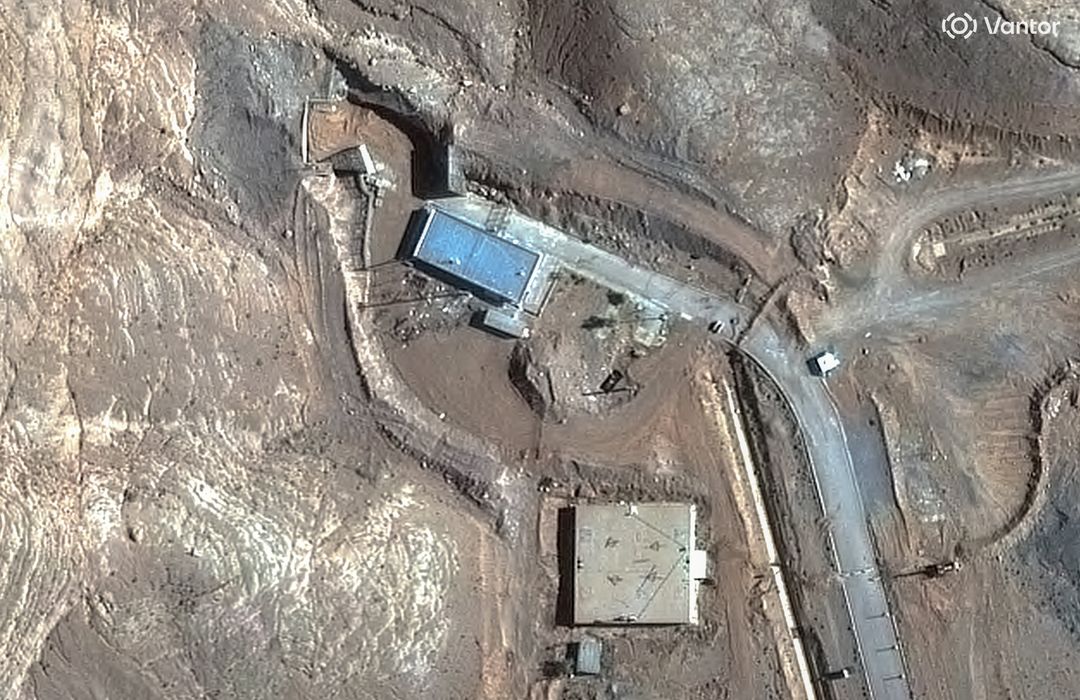
Nuclear facilities have also been hit in the latest war, which erupted on February 28, and the IAEA has repeatedly urged to be given access.
The resolution was adopted by 23 votes in favour, three votes against and eight abstentions, two diplomats told AFP.
Russia, China and Niger voted against it.
It "requests the (IAEA) director general to report" Iran to the Security Council and the General Assembly of the United Nations.
The resolution, submitted by Britain, France, Germany and the United States, marks the first time Iran has been referred to the Security Council in 20 years for failing to comply with its nuclear reporting obligations.
The move is seen as largely symbolic as Iran allies China and Russia hold power to veto any sanctions against Tehran.
The text notes "with grave concern... Iran's continued non-compliance with its obligations" and "reiterates its call upon Iran to urgently remedy its non-compliance".
It also calls on Tehran "to engage seriously and without preconditions in talks aimed at building international confidence in the exclusively peaceful nature of Iran's nuclear programme".
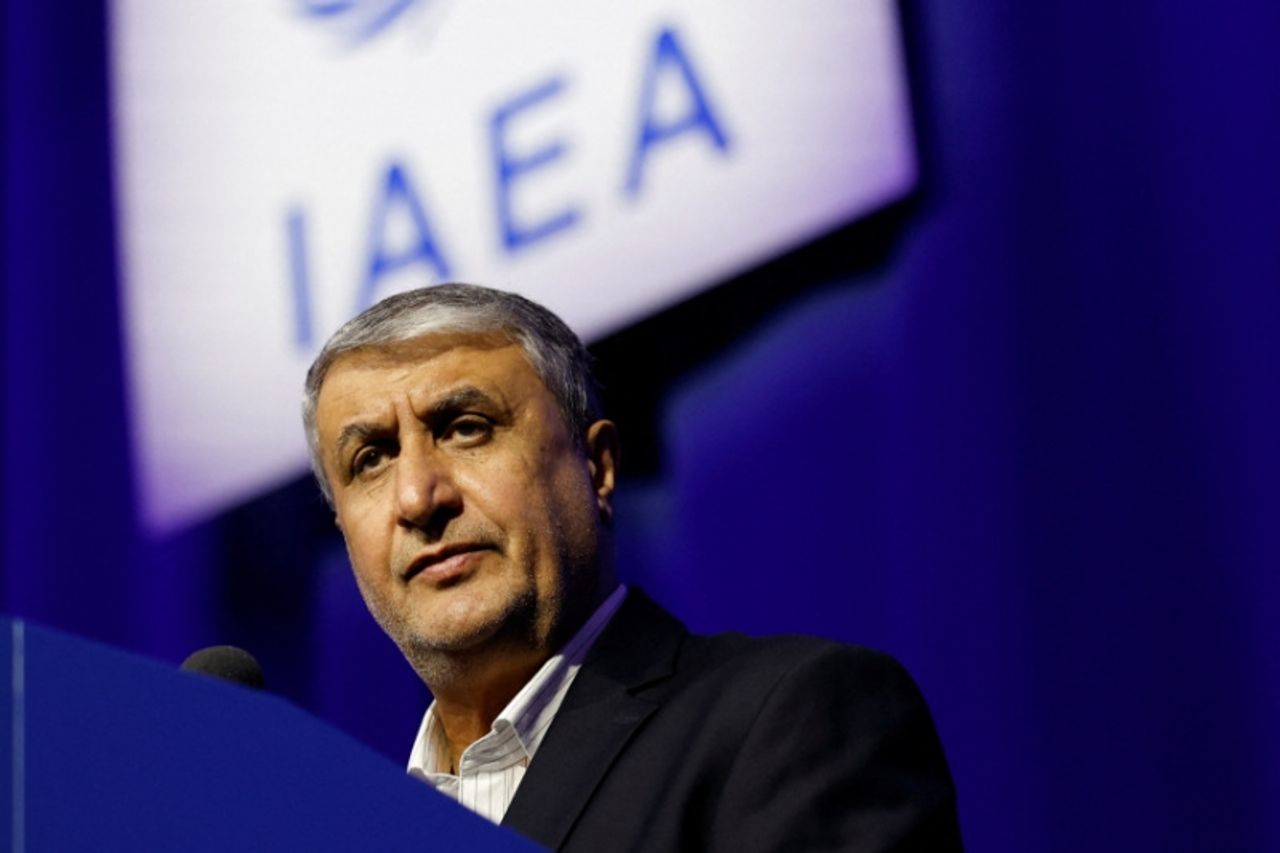
Iran's ambassador to the UN in Vienna, Reza Najafi, said the resolution was a "political tool".
"Iran will cooperate only to the extent that circumstances and safety permit," he told reporters after the board's vote.



'Exercise in futility'
The IAEA has repeatedly said that its lack of information and access poses a "proliferation concern" and has called on Iran to address this with "utmost urgency".
IAEA head Rafael Grossi on Monday said giving the Vienna-based UN nuclear agency access to key nuclear facilities in Iran would have "positive repercussions" for Tehran.
Iran's mission to the UN in Vienna on Monday urged Grossi to call on the United States and Israel to stop their "unlawful attacks".
"The agency must stop unprofessional, unobjective, semi-technical, and politically influenced reporting," it said in a post on X.
Before the June 2025 strikes, the IAEA calculated that Iran possessed approximately 440 kilogrammes of uranium enriched to 60 percent, which is close to the 90 percent needed to make a bomb and well above the 3.67-percent limit set by a 2015 now-defunct agreement with Iran.
Since June 2025, the fate of this stockpile has remained uncertain.
Israel and the United States have long accused Iran of wanting to build a nuclear weapon.
Tehran has repeatedly denied having any military nuclear ambitions, insisting on its right to the technology for civilian purposes.