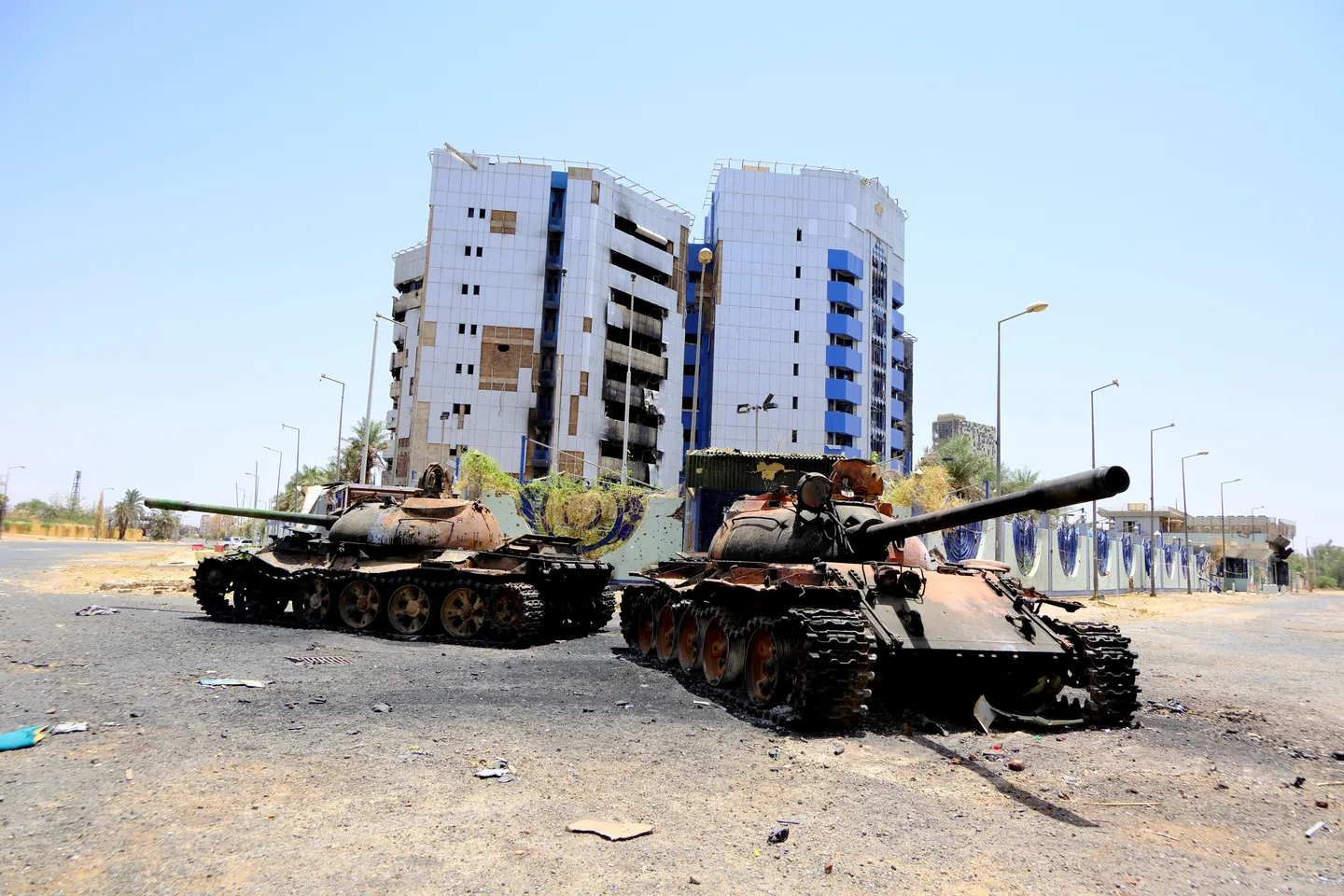
The Sudanese government has tied its acceptance of a proposed US roadmap to end the country's war to the complete withdrawal and disarmament of the paramilitary Rapid Support Forces (RSF) from all cities under its control, according to two senior Sudanese officials.
The officials, speaking to Anadolu on condition of anonymity on Friday, said the government's response was submitted in a document titled Restoring Peace in Sudan.
According to the officials, the document outlines security arrangements requiring the RSF to withdraw from all cities under its control, disarm, demobilise its militants and reintegrate eligible personnel into the Sudanese Armed Forces under UN supervision after a permanent ceasefire takes effect.
It also calls for preserving the Sudanese Armed Forces as a unified national army under government authority, with all armed groups integrated into it.
The US proposal calls for the immediate implementation of a 90-day humanitarian truce to pave the way for negotiations on a permanent ceasefire and a civilian-led transition towards elections.
It also proposes establishing a UN-led mechanism to support the phased withdrawal of the RSF, particularly from North Darfur and North Kordofan.
The Sudanese response proposes that the 90-day humanitarian truce begin nationwide simultaneously with the RSF's withdrawal from all cities under its control.
According to the document, the truce is intended to facilitate humanitarian aid delivery, protect civilians and create conditions for the resumption of indirect ceasefire negotiations between the warring parties.
Security conditions for ceasefire
The document requires the RSF to withdraw from all cities it has seized since May 11, 2023, describing the move as a confidence-building measure and a prerequisite for a permanent ceasefire.
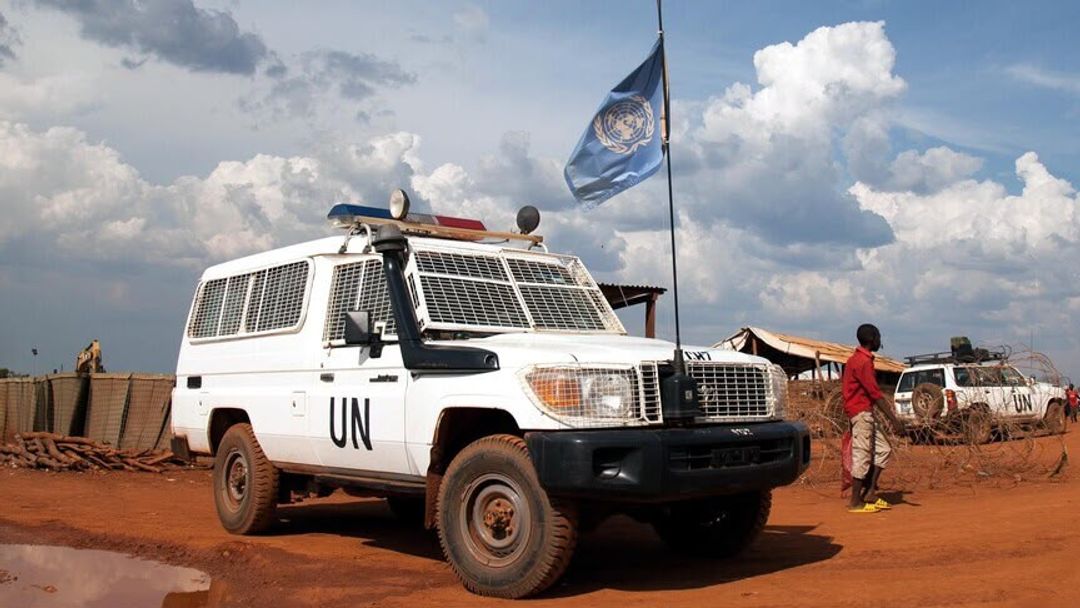
It also proposes establishing a coordination committee chaired by the United States, with the UN, the Arab League and the African Union as members, to oversee implementation of the agreement, support monitoring mechanisms and help resolve disputes.
The proposal further calls for a UN mechanism to monitor the RSF's withdrawal, facilitate humanitarian aid delivery and protect civilians.
It stresses the need to safeguard Sudan's sovereignty and territorial integrity by ending foreign interference, halting foreign military support for militants and preventing the flow of illicit weapons.
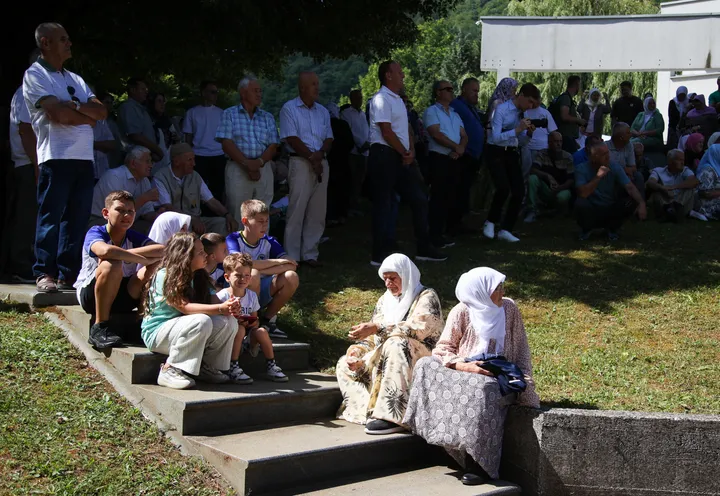



The document also calls for ensuring the safe, rapid and unhindered delivery of humanitarian aid across front lines and border crossings with the approval of the Sudanese government. It also seeks to protect civilians, facilitate the voluntary return of displaced people and refugees, and restore infrastructure and essential services.
It provides for the deployment of international monitors, subject to the Sudanese government's approval, to support the implementation of the ceasefire and oversee civilian protection.
The document states that final security arrangements would be implemented under a signed and binding agreement by the Sudanese government.
Political roadmap
On the political track, it calls for launching a comprehensive national dialogue inside Sudan under civilian leadership and UN supervision to establish a transitional civilian government and begin an inclusive Sudanese-led political process aimed at reaching a political settlement while preserving a unified Sudan with civilian state institutions.
It also says the dialogue should exclude extremist and violent groups, perpetrators of human rights violations and foreign mercenaries, while requiring confidence-building measures and good-faith participation to ensure an inclusive process.
On June 27, Sudan's foreign ministry rejected remarks by US President Donald Trump's senior adviser for Arab and Middle Eastern affairs, Massad Boulos, that the Transitional Sovereignty Council had rejected the US proposal, saying his comments were "inaccurate and do not reflect the true position of the Sudanese government."
A day earlier, Boulos told the UN Security Council that Sudan's Transitional Sovereignty Council had rejected the latest version of a US-drafted humanitarian truce proposal.
For months, the United States and Saudi Arabia, through the Quad grouping, which also includes Egypt and the United Arab Emirates, have led efforts to broker a humanitarian truce in Sudan.
In September 2025, the Quad proposed a plan calling for a three-month humanitarian truce as the first step towards ending the war, followed by a nine-month transitional period culminating in the formation of an independent civilian government.
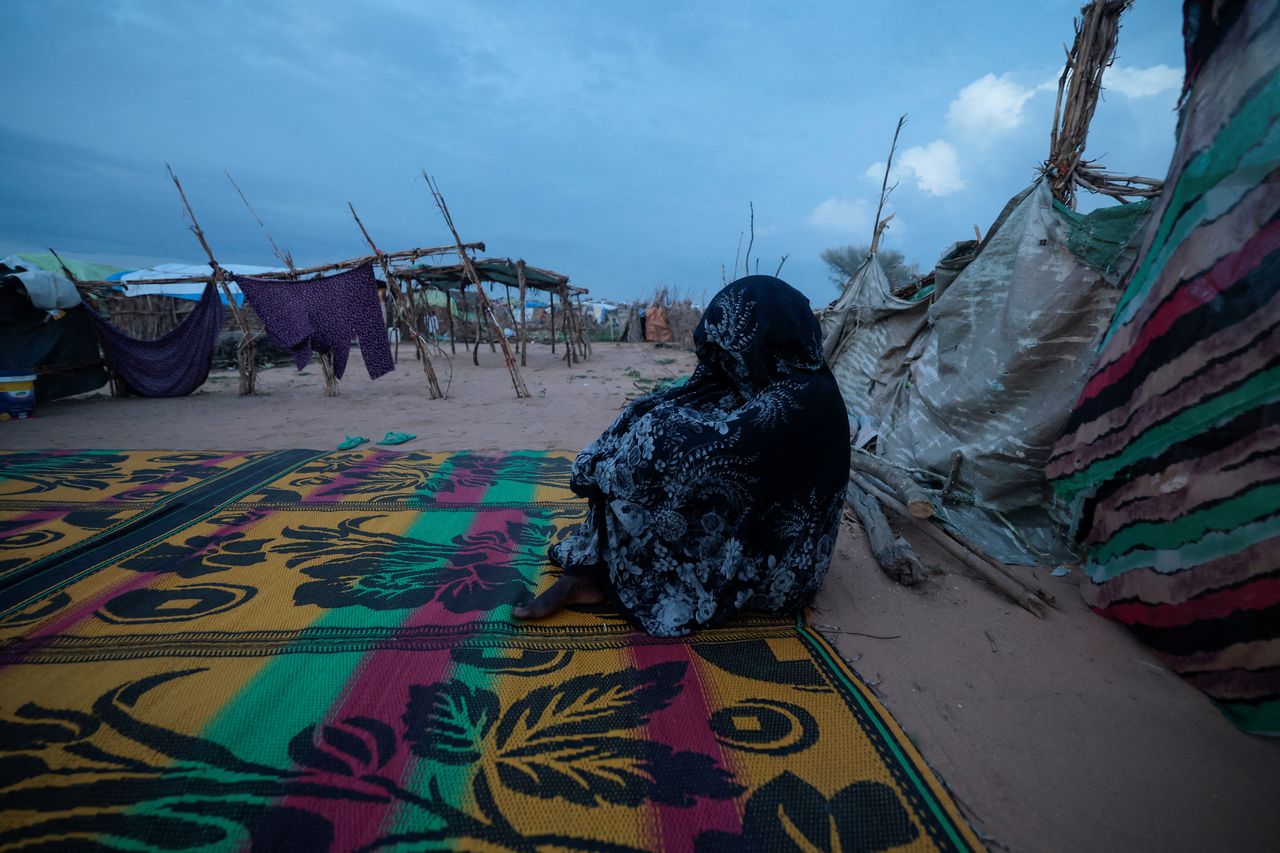
Since April 2023, fighting between the Sudanese army and the RSF has killed tens of thousands of people and displaced around 13 million others, triggering what the United Nations has described as one of the world's worst humanitarian crises.