Israel's claim to its “democratic” credentials has long rested on the fact that its Palestinian citizens can vote and elect representatives to the Knesset.
But ahead of the October 27 election, Israel's political system is threatening to strip hundreds of thousands of Palestinian citizens of meaningful political representation while Israel continues its genocidal war on Gaza as the Central Elections Committee (CEC) has voted to bar both major electoral lists led by Palestinian citizens of Israel, as well as two prominent individual candidates.
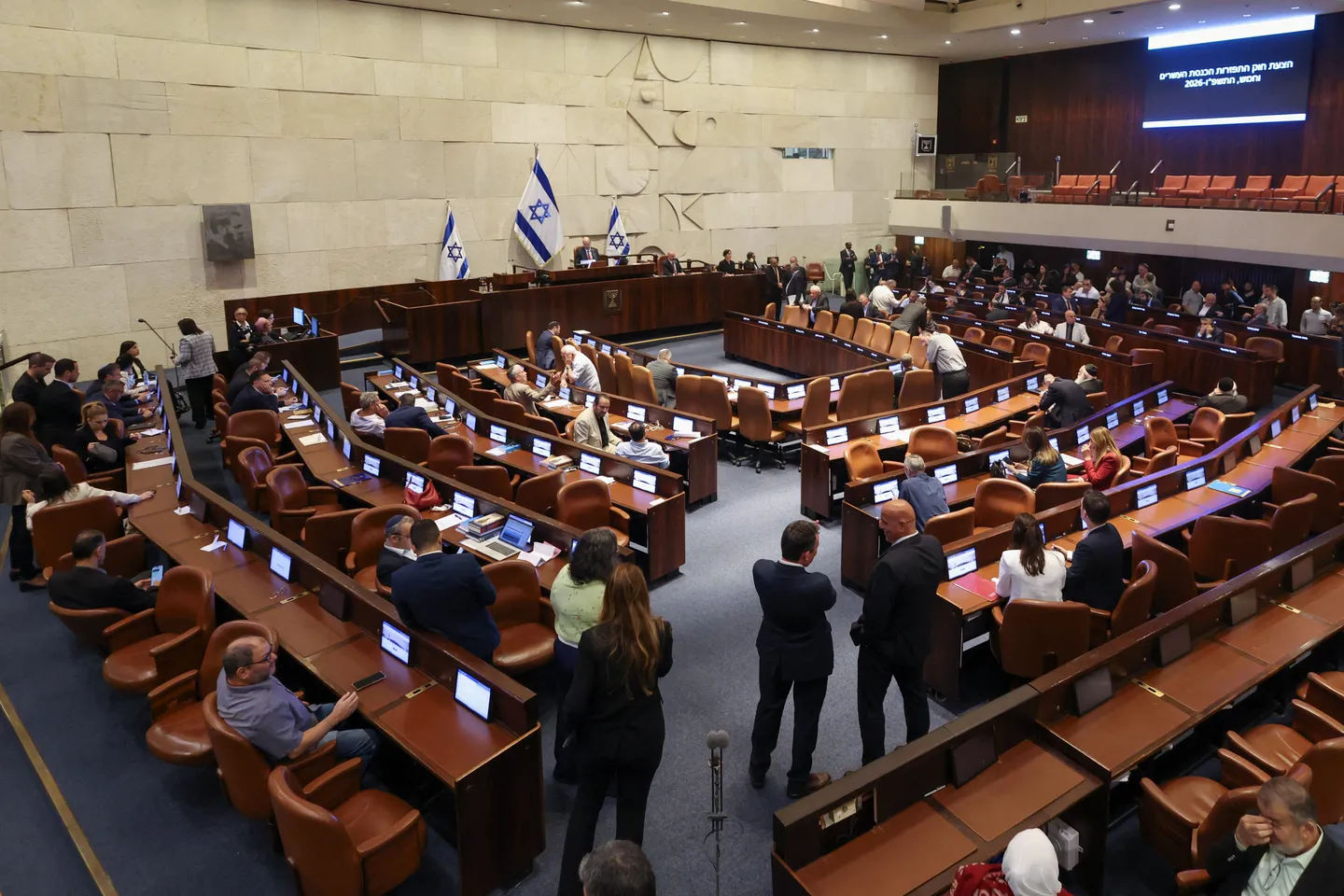
On September 23, the committee voted to disqualify Ra'am, led by Mansour Abbas, and the newly reconstituted Joint List, made up of Hadash, Ta'al and Balad.
It also voted to bar Hadash lawmaker Ofer Cassif and Balad chairman Sami Abu Shehadeh. The decisions are not necessarily final: the individual disqualifications require Supreme Court approval, while the parties can appeal their exclusion to the court.
Israel's October 2026 election comes after nearly three years of Israel's genocidal war in Gaza.
If the exclusions were ultimately upheld, a large part of Palestinian citizens' established political representation in the Knesset would disappear from the ballot.
Palestinian citizens of Israel make up roughly one-fifth of the population. Their parties have historically held 10–15 seats and can influence coalition arithmetic in a fragmented system.
Who is being targeted?
The CEC voted to bar Ra'am, or the United Arab List, which is a pragmatic, Muslim-leaning party that previously joined the 2021–22 Bennett-Lapid “government of change” — the first party representing Palestinian citizens of Israel to enter an Israeli governing coalition. It has focused on crime, infrastructure, and civic issues in Palestinian Israeli communities.
The petitions against it were brought by Likud, Prime Minister Benjamin Netanyahu's party; Otzma Yehudit, the party led by National Security Minister Itamar Ben-Gvir.
The central accusation is that Ra'am supports, or is insufficiently opposed to, armed struggle by terrorist organisations.
Ra'am rejects that allegation.
Its legal response says the petitions contain no evidence that the party supports armed struggle or otherwise meets Section 7A's disqualification requirements.
The party's stated programme includes a Palestinian state, an end to the occupation and illegal Israeli settlements, recognition of Palestinian citizens of Israel as a national minority, and greater equality in education and economic development.
The second target is the Joint List, an alliance of Hadash, Ta’al, and Balad, led by Yousef Jabareen. These parties emphasise equality, an end to the occupation, and transforming Israel into a “state of all its citizens” rather than a strictly Jewish state.
Again, Likud petitioned to disqualify the list.
The accusations include alleged support for positions said to undermine Israel's status as a Jewish state and alleged support for armed struggle.
The response from the Joint List's legal team is that much of the evidence is old, recycled material that has already been considered in previous disqualification proceedings.
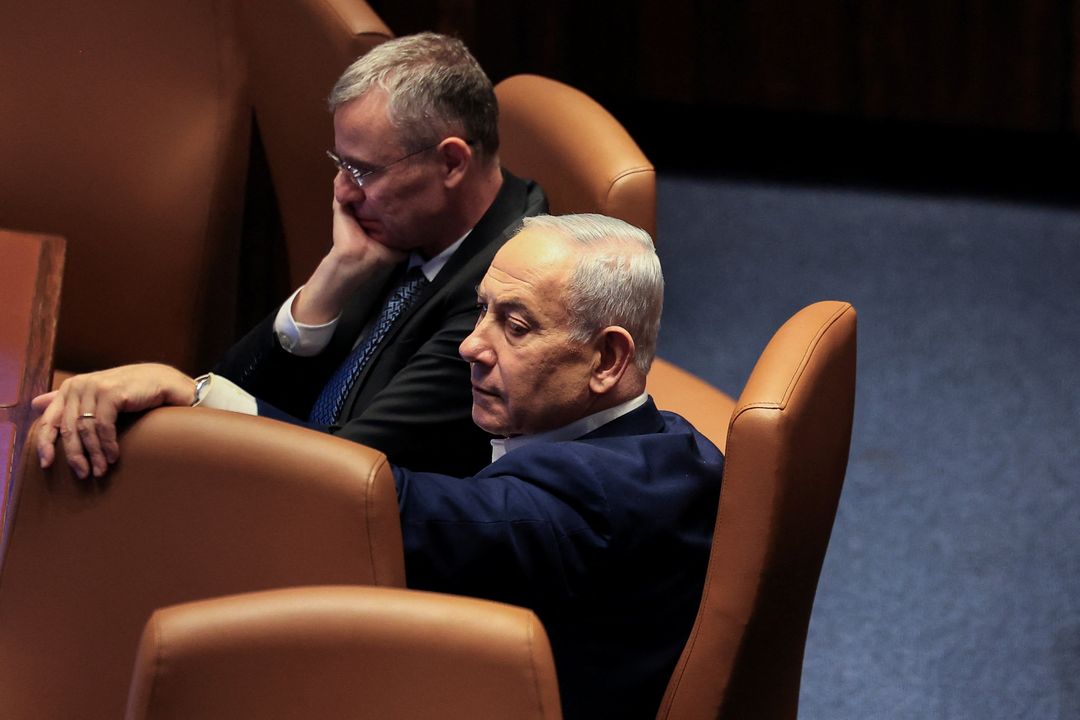
The committee nevertheless voted 18-5 to disqualify the list.
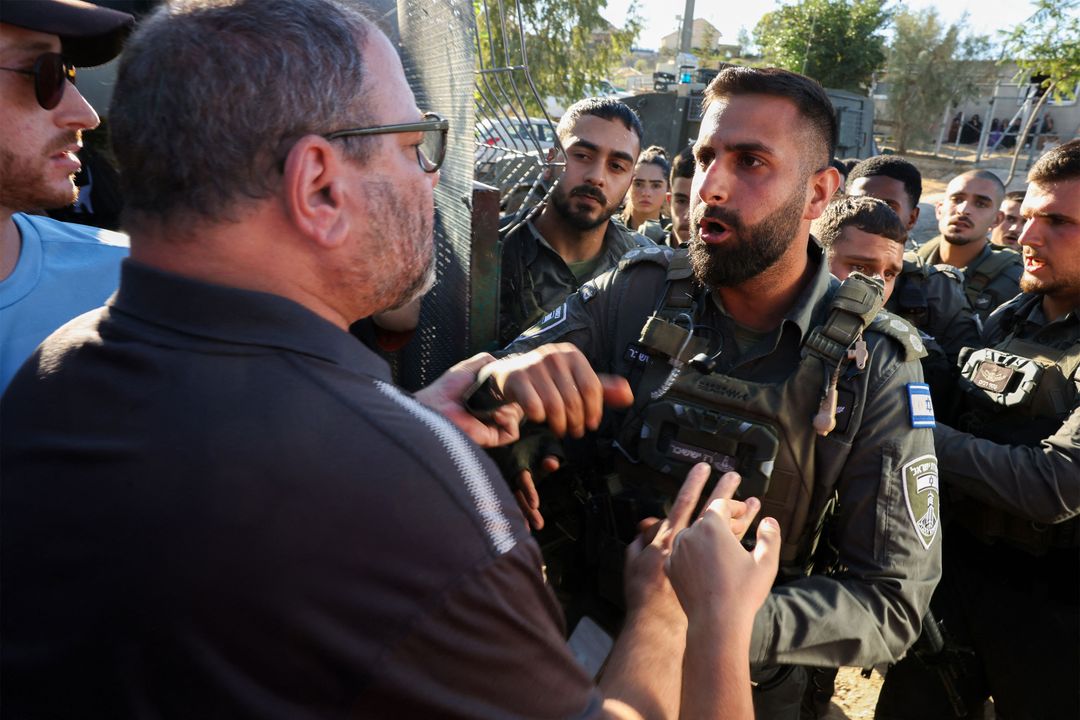
The case against Cassif is particularly significant because he is Jewish lawmaker known for sharp criticism of Israel’s genocide in Gaza and the occupied West Bank
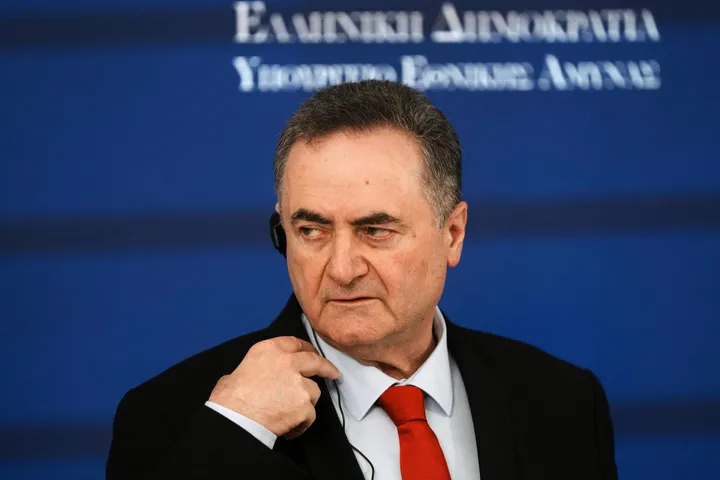




Likud sought his disqualification, arguing that his political activity amounted to support for an enemy or armed struggle against Israel.
Cassif's response is that criticism of Israeli military conduct and advocacy for Palestinian statehood cannot legitimately be transformed into support for armed violence. His lawyers also challenged what they described as distorted quotations.
The most direct case against a Palestinian political leader concerns Sami Abu Shehadeh, chairman of Balad and a former Knesset member.
Otzma Yehudit and Ben-Gvir sought his disqualification, accusing him of supporting armed struggle and of rejecting Israel as a Jewish state.
These are the primary vehicles for Palestinian-Israeli representation.
The CEC, dominated by representatives of the outgoing Knesset parties, with the coalition holding significant weight, approved the bans by margins such as 18–5 for the lists and larger majorities for the individuals.
What is being used to disqualify them?
The legal mechanism is Section 7A of Israel's Basic Law: The Knesset.
It allows a party or candidate to be barred if their objectives or actions include denying Israel's existence as a Jewish and democratic state; inciting racism; or supporting armed struggle against Israel by an enemy state or “terrorist organisation”.
But no evidence against the candidates and parties being opposed has been provided.
Israel's CEC is itself unusual. Although it is an independent statutory election-management body headed by a Supreme Court justice, its voting plenum is political and reflects the composition of the outgoing Knesset.
For the 2026 election, 18 of its 31 members represent the governing coalition, giving the coalition a majority in the body. The Israel Democracy Institute notes that this combination of political composition and quasi-judicial powers is “highly unusual” by international standards.
So essentially, the body deciding whether political competitors can appear on the ballot is, in effect, partly composed of representatives of the political parties competing for power.
What has happened so far is that the CEC has only accepted petitions alleging that their statements or activities meet the statutory threshold for electoral disqualification. The Supreme Court still has a decisive role.
The legal battle therefore continues.
Parties led by Palestinian citizens of Israel and candidates have repeatedly faced disqualification attempts before Israel's CEC. Balad was disqualified in 2003 and 2009; Haneen Zoabi in 2013 and 2015; Ra'am-Balad and Ofer Cassif in April 2019; and Hiba Yazbek of the Joint List in March 2020. In many of these cases, the Supreme Court overturned the CEC's decision.
What would this mean for Palestinian citizens?
Palestinian citizens of Israel make up roughly one-fifth of the country's population and have historically used both parties led by Palestinian citizens of Israel and, to a lesser extent, Jewish parties to participate in parliamentary politics.
The 2022 election provides an indication of the scale of Palestinian-Israeli political representation: Ra'am won five Knesset seats, while Hadash-Ta'al won five. Balad narrowly failed to cross the electoral threshold.
Palestinian-Israeli political participation has also been closely connected to turnout. In 2022, turnout among Palestinian and Druze citizens was 53.2 percent, and Palestinian lists won 85.7 percent of the vote cast in Palestinian localities.
That means removing established lists led by Palestinian citizens of Israel from the ballot could have consequences beyond the number of candidates directly excluded. It could affect whether Palestinian citizens see the election as offering meaningful political choices at all.