 Baba Umar
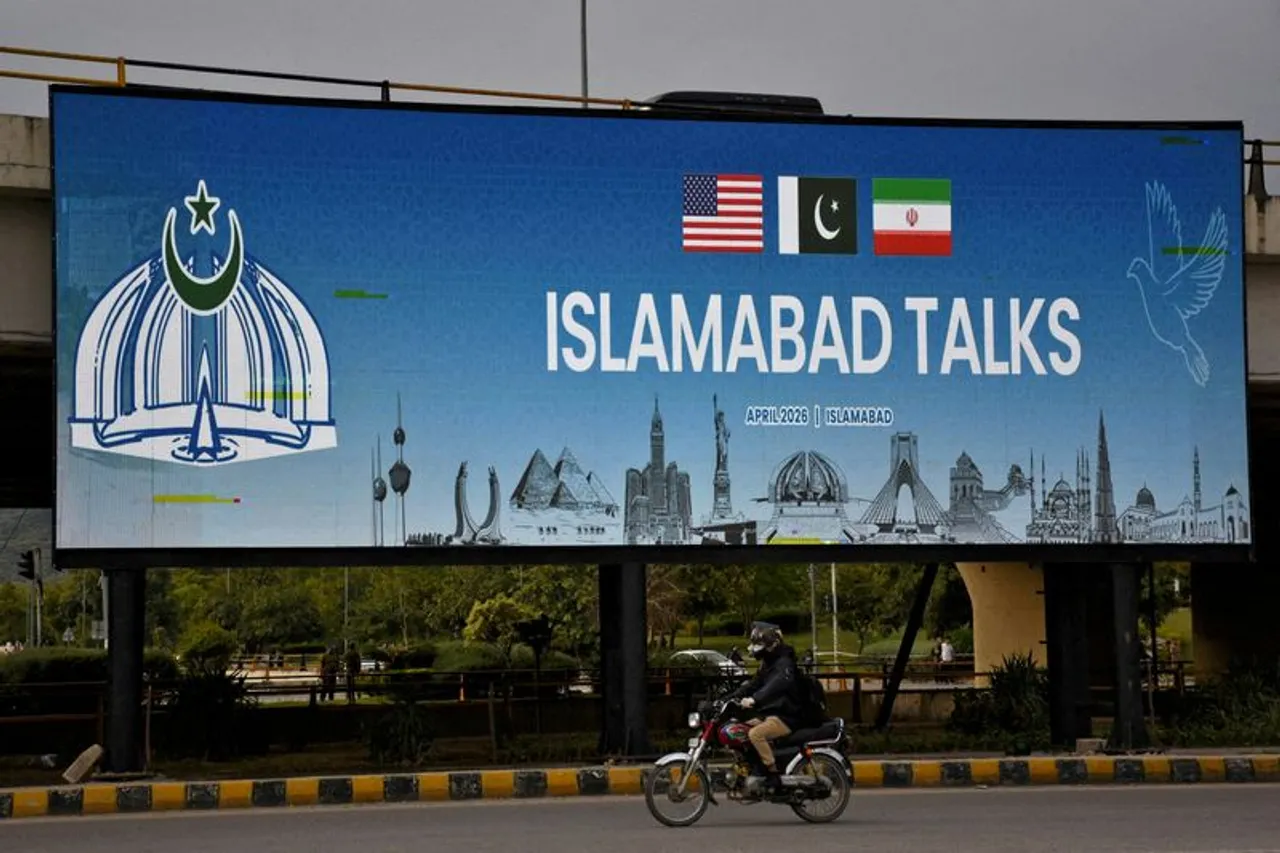
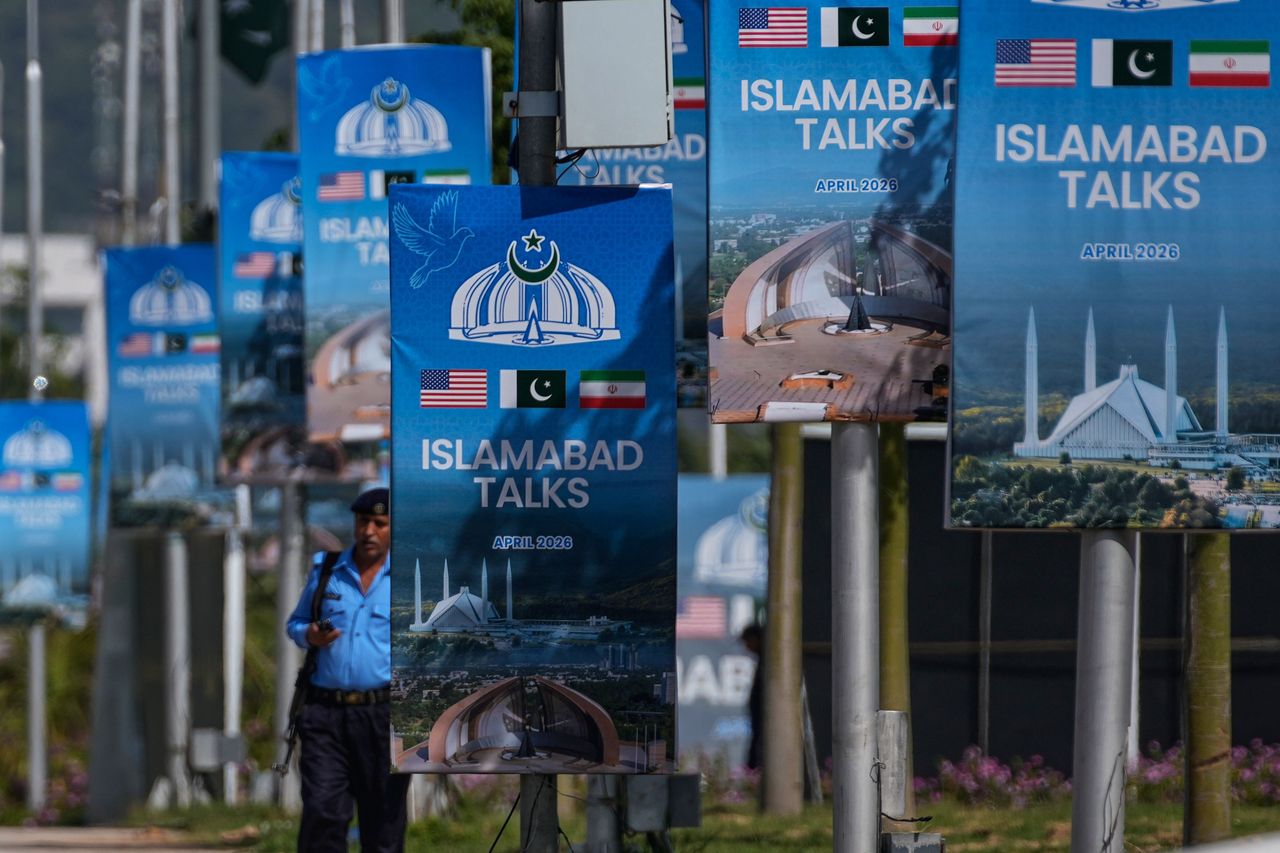
Washington, DC — With the world's attention fixed on Islamabad's Serena Hotel — the venue for the second round of US-Iran peace talks expected this week — a breakthrough in the Pakistan-brokered negotiations appears increasingly unlikely as the two-week truce ends on Wednesday evening, Washington time.
US Vice President JD Vance, alongside envoys Steve Witkoff and Jared Kushner, is expected to fly to Islamabad for the new round of talks.
But Iran has not officially confirmed its participation, demanding the lifting of the US naval blockade on its ports as a precondition.
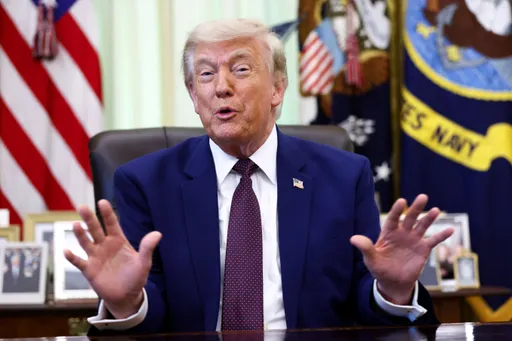
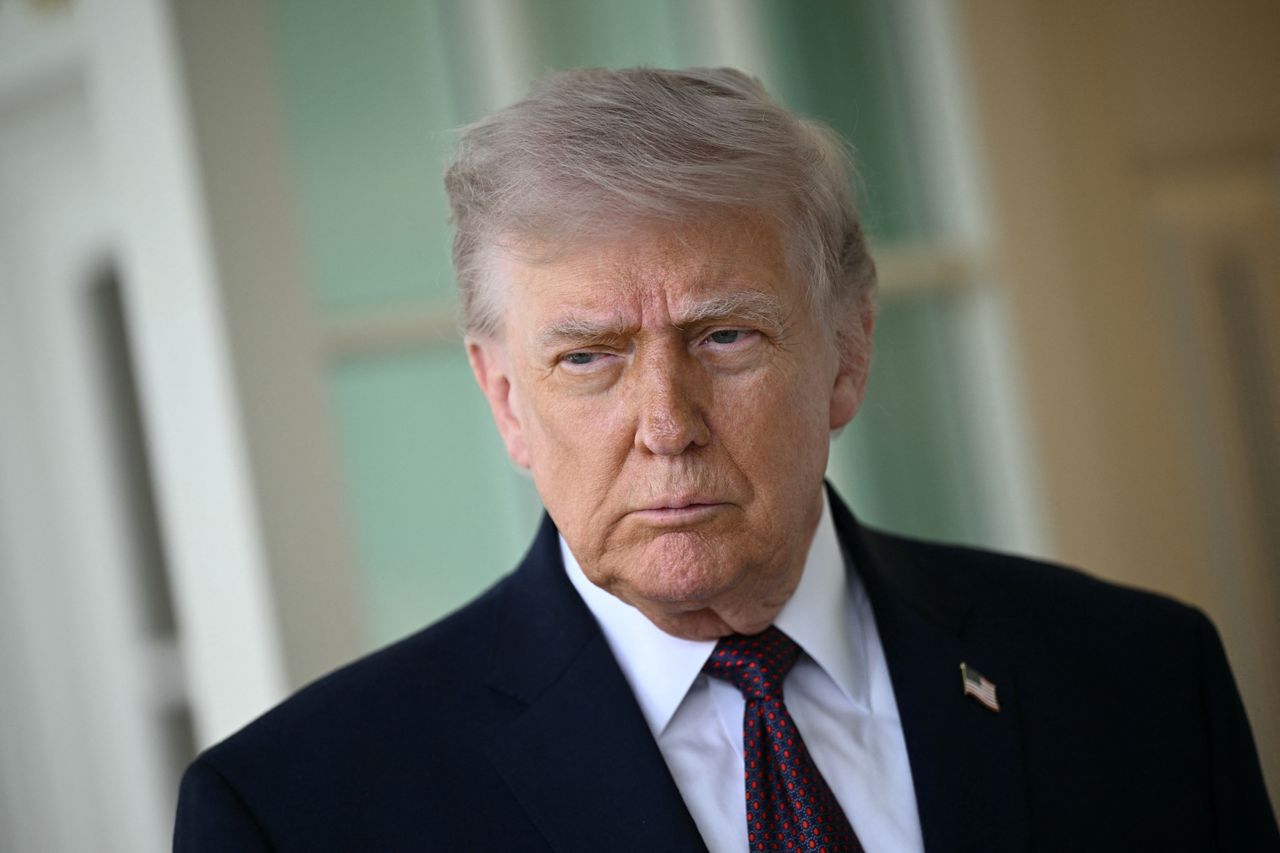
US President Donald Trump has set a Wednesday deadline for Tehran to agree to a peace agreement, insisting that extending the two-week ceasefire — that began on April 8 with Pakistan's mediation — would be "highly unlikely" if no deal is reached beforehand.
Trump has said he will not lift blockade on Iranian ports and would resume attacks on Iran if there is no progress in the upcoming talks in Islamabad.
Over a week ago, Vance spent 21 hours in the Pakistani capital negotiating with Iran but left without a deal.
He is expected back in Islamabad soon, though analysts say there is no clear sign of a potential breakthrough.
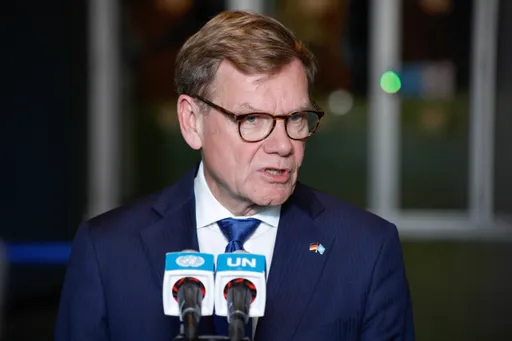
"Since it remains far from clear that the Iranian delegation has agreed to attend the talks in Islamabad, the chances appear to be diminishing that Vice President Vance will depart on Tuesday. It will then depend on whether the Pakistani government — perhaps with assistance from the Turkish government and others — can persuade President Trump to extend the deadline," former US Assistant Secretary of State for Near Eastern Affairs Ambassador Barbara A. Leaf tells TRT World in an exclusive interview.
"Nothing looks certain and things are not trending in a positive direction."
Ambassador Leaf says it is "very unclear" what would happen if Iran skips the Islamabad talks, noting that both the US and Iran have hardened their positions since their first engagement.
US-Iran tensions
The current tensions began on February 28 when US and Israel began attacking Iranian political, military and civilian facilities. Tehran's retaliation has targeted US bases in the region, Israel and America’s Gulf allies.
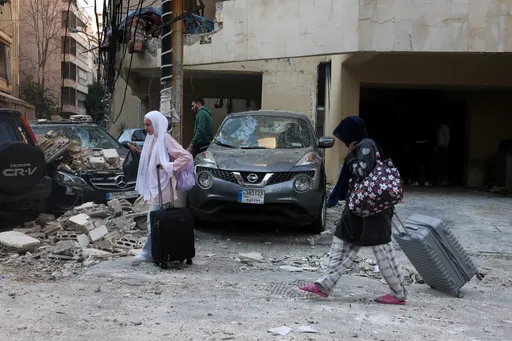
The paused fighting has killed at least 3,000 people in Iran, nearly 2,300 in Lebanon, 23 in Israel and more than a dozen in Gulf Arab states. Thirteen US soldiers have also been killed and hundred were wounded.
A US-Iran double blockade is now underway in the Strait of Hormuz. Both nations are controlling this critical waterway, through which some 20 percent of global energy passes.
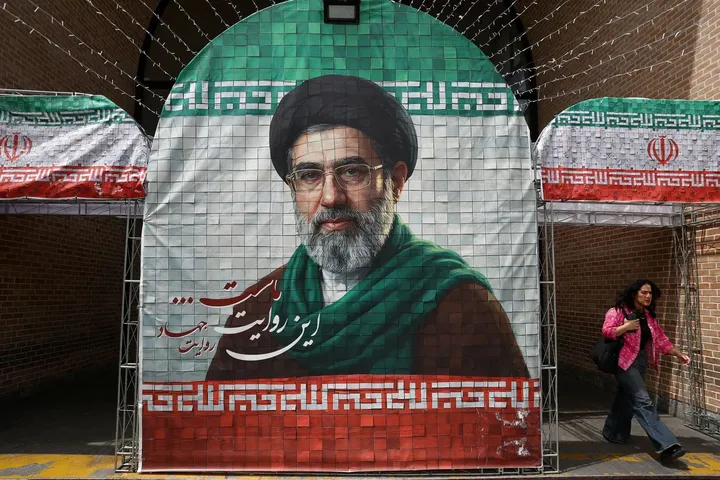
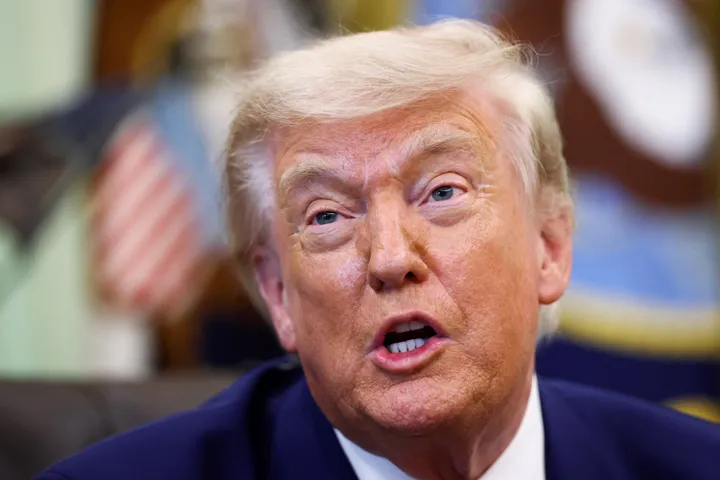
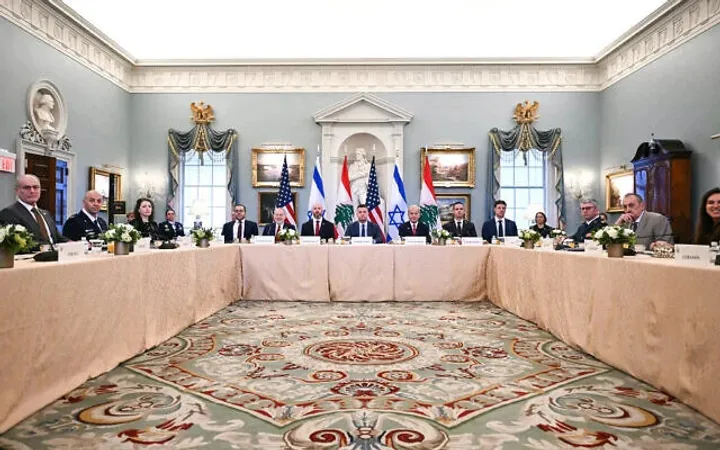
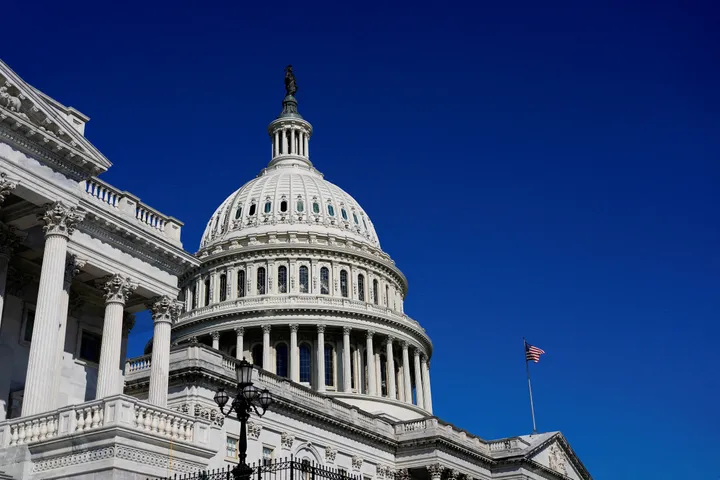
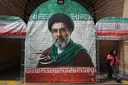


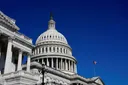
Tensions over the critical chokepoint are escalating, threatening to deepen the global energy crisis and push the two countries towards renewed conflict — even as mediators accelerate their efforts to bring both sides back to the negotiating table.
The US and Iran held their first direct high-level ceasefire talks in Pakistan on April 11.
Those negotiations, aimed at resolving the conflict amidst a fragile ceasefire, continued through April 12, with the US delegation led by Vance and Iranian officials headed by Parliament Speaker Mohammad Bagher Ghalibaf.
The core issues centre on Iran's nuclear programme, the control of crucial Strait of Hormuz, US sanctions, and security guarantees.
Those talks failed to yield an agreement, and a second round remains uncertain.
'Diplomacy hanging by thread'
Pakistan, for its part, continues its last-minute mediation efforts to bring both sides to its capital.
On Tuesday, its top diplomat Ishaq Dar urged both Iran and the US "to consider extending the ceasefire and to give dialogue and diplomacy a chance."
Pakistan's Information Minister Attaullah Tarar announced that a formal response from Tehran confirming their attendance at peace talks in Islamabad is "still awaited".
"Pakistan has made sincere efforts to convince the Iranian leadership to participate in the second round of talks, and these efforts continue," Tarar wrote in a post on X.
"Diplomacy is hanging by a thread, but there is still a chance for a breakthrough," Trita Parsi, a geopolitical analyst and executive vice president of the Washington-based Quincy Institute, tells TRT World.
Parsi argues that even if US-Iran negotiations proceed to a second round in Islamabad this week, "a more likely scenario is that talks collapse, but Trump chooses not to go back to war. Nor will he lift sanctions, but Iran will continue to control the Strait of Hormuz. This will be a new, unstable, non-negotiated status quo."
However, he notes that the wild cards are what Israel will do and whether President Trump intensifies the blockade on Iran, which could cause the status quo to collapse into open war once more.
"If Tehran skips the talks, the scenario above will be the most likely outcome."