Germany failed on Wednesday for the first time to secure a seat on the UN Security Council, with Portugal and Austria receiving more votes for the two Western European spots starting in 2027.
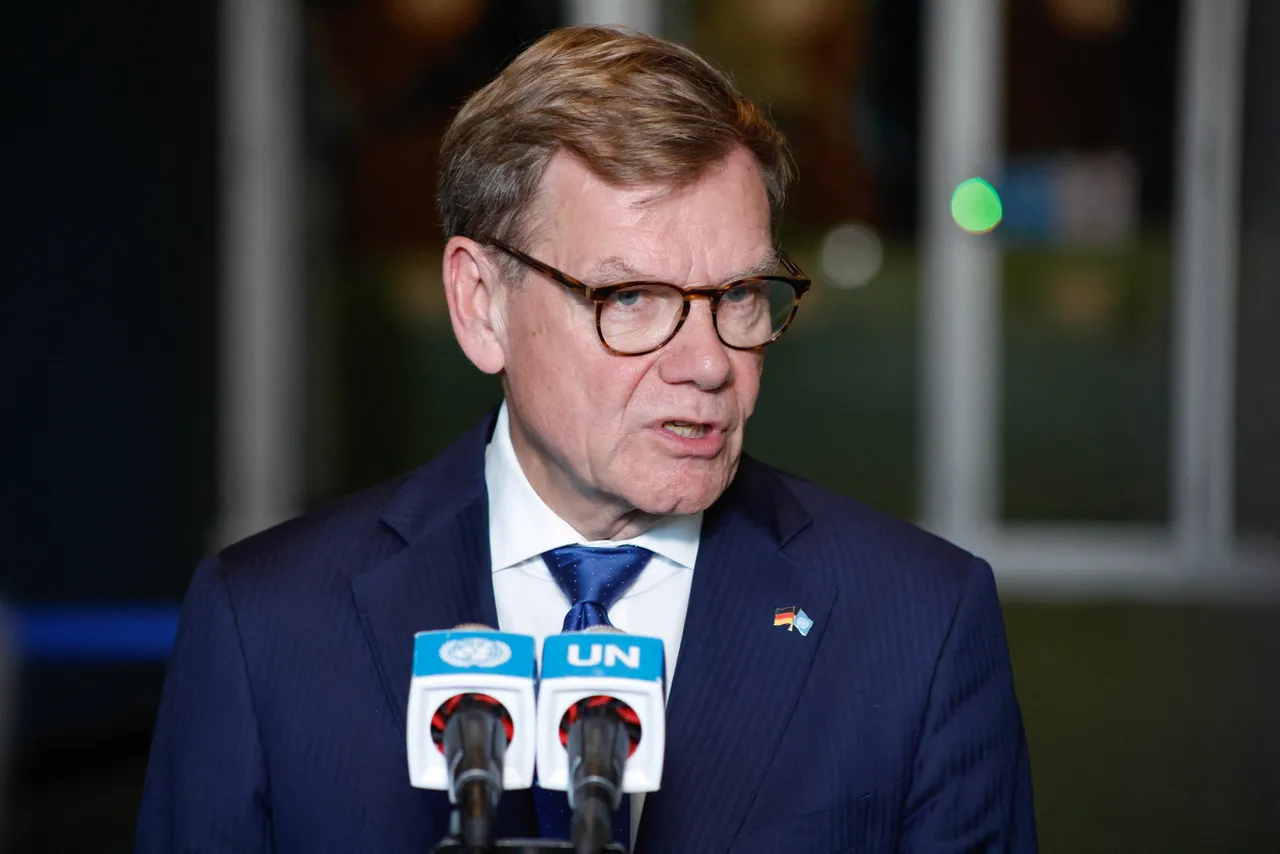
“It’s a bitter defeat. I have said so in advance, this is an intense competition. This would be a close race. Germany entered late, meaning we were at a disadvantage from the start. And we see that today clearly, it was not possible to make up for lost ground,” Foreign Minister Johann Wadephul told reporters at UN headquarters in New York.
He added that Germany’s stance on the Russian war in Ukraine and Israel may have cost the country the necessary votes in its bid for a seat on the Council.
The UN Security Council has 15 members: five permanent (the United States, Russia, China, France, and the United Kingdom) and 10 elected for staggered two-year terms, with seats allocated for different world regions.
In secret ballots cast by the General Assembly for the European seats, Portugal and Austria received 134 and 131 votes respectively.
Germany, which has already served six terms, received 104.



Zimbabwe, the sole candidate for an African seat, was elected with 182 votes, while Trinidad and Tobago, also facing no competition, secured the Latin American and Caribbean group seat with 181 votes.
A second round was underway on Wednesday to decide between the Philippines and Kyrgyzstan for a seat allocated to Asia.
The five elected countries will replace Pakistan, Somalia, Greece, Denmark, and Panama starting January 1, 2027.
They will join the five other members elected for the 2026–2027 term: the Democratic Republic of the Congo (DRC), Liberia, Latvia, Colombia, and Bahrain.